422 kr
Läs direkt efter köp
422 kr
Läs direkt efter köp
569 kr
Läs direkt efter köp
419 kr
Läs direkt efter köp
2 609 kr
Skickas inom 7-10 vardagar
569 kr
Läs direkt efter köp
834 kr
Skickas inom 7-10 vardagar
706 kr
Skickas inom 7-10 vardagar
2 526 kr
Skickas inom 10-15 vardagar
745 kr
Skickas inom 10-15 vardagar
622 kr
Skickas inom 7-10 vardagar
871 kr
Läs direkt efter köp
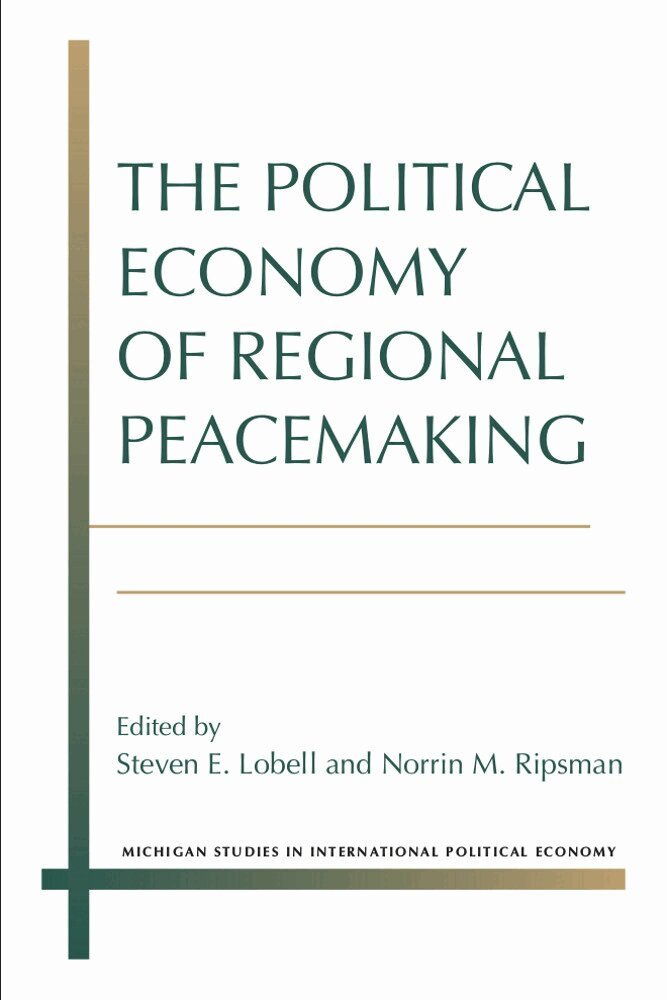
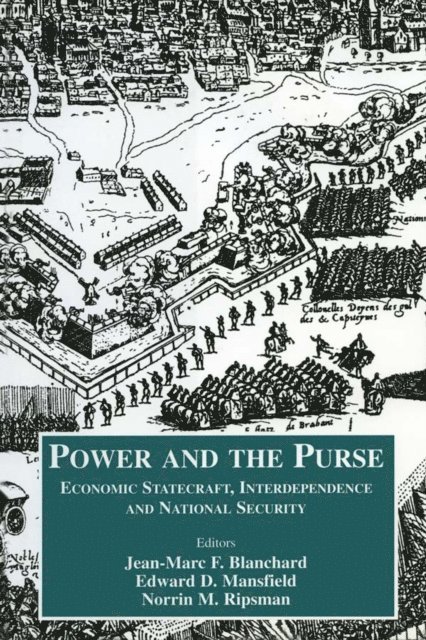
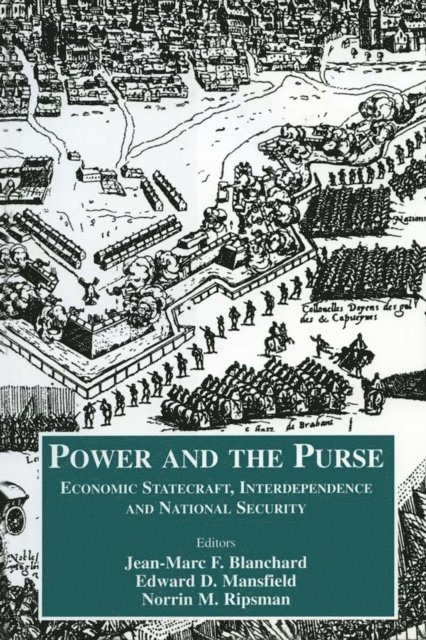
The chapters that follow are grouped in three sections, corresponding to the three stages of peacemaking: reduction or management of regional conflict; peacemaking or progress toward a peace treaty; and maintenance of bilateral peace and the regionalization of the peace settlement. In each chapter, the contributors consider the five key questions from a variety of methodological, historical, cultural, and empirical perspectives, drawing data from the Pacific, the Middle East, Europe, Asia, and Latin America. The conclusion expands on several themes found in the chapters and proposes an agenda for future research.
1 400 kr
Skickas inom 7-10 vardagar
569 kr
Skickas inom 7-10 vardagar
3 461 kr
Skickas inom 7-10 vardagar
1 047 kr
Skickas inom 10-15 vardagar
282 kr
Skickas inom 7-10 vardagar
214 kr
Skickas inom 7-10 vardagar
762 kr
Läs direkt efter köp
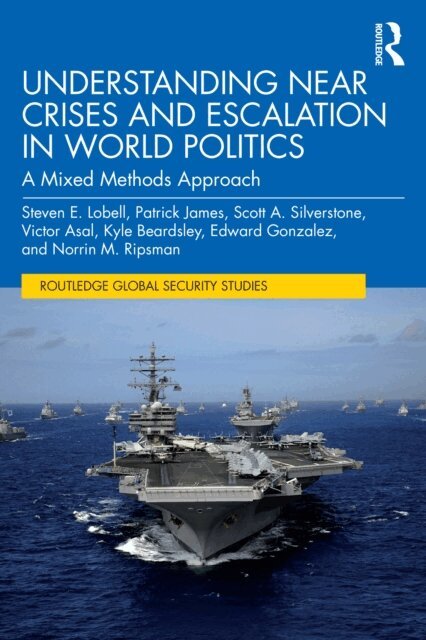
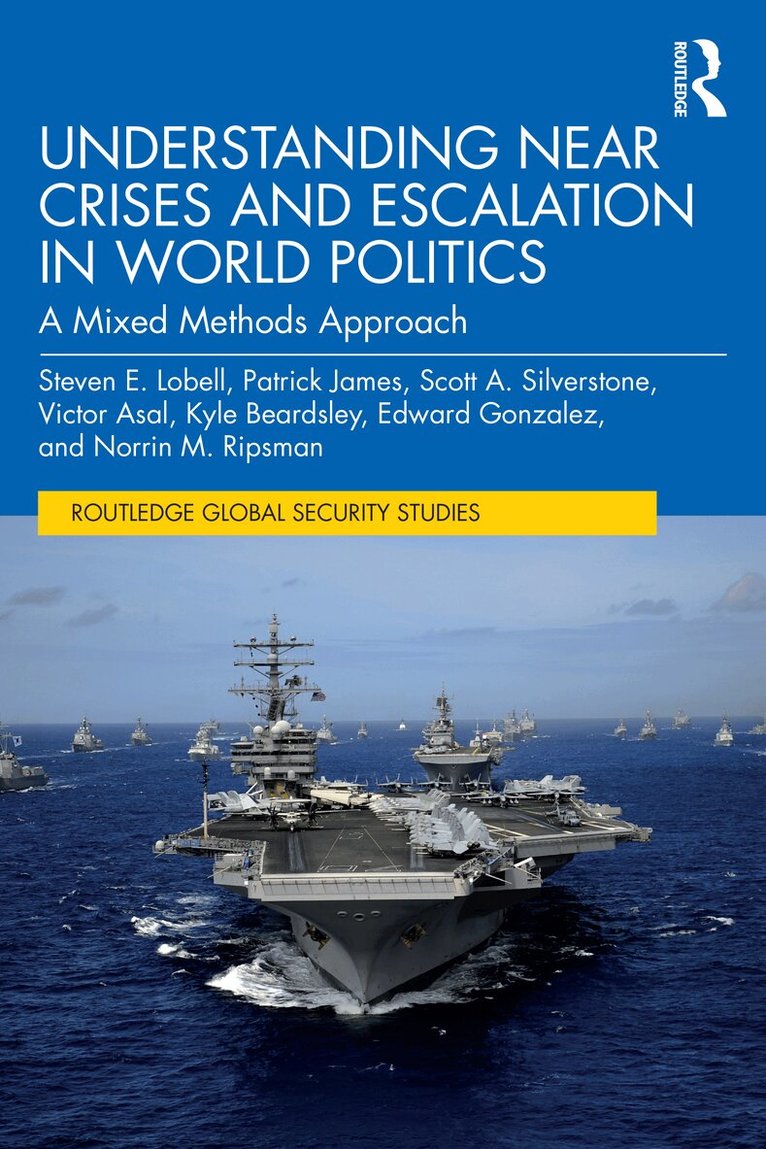
This book introduces the near crisis phase of conflict and escalation.
These time-sensitive disputes between states, and even with violent non-state actors, do not involve significant risk of military escalation, at least in the moment. Investigating how and why some near crises escalate, while others do not, requires an explanation of the different dynamics of international disputes and the policy tools that states and international institutions can employ. We ask an expanded set of questions about specific cases and general patterns of conflict behavior, such as: why did Israeli leaders respond to Hezbollah’s 2006 cross-border raid with escalation, resulting in the Second Lebanon War, while in previous instances the Israelis limited their retaliation? Why didn’t the 2015 Iranian Ballistic Missile Test or the 1995 Norwegian Black Brant Missile Launch escalate, while the 2009 North Korea Missile Movement and the 1995 Taiwan Straits dispute tipped into a full-blown crisis, and why did the 2008 Russia-Georgia conflict escalate from near crisis to war? We use primary sources and newly created data on near crises to answer these questions and others. The overall conclusion is that an ounce of prevention at the near crisis phase is worth a pound of cure in averting a full-blown crisis or war.
This book will be of great interest to students of security studies, conflict studies, foreign policy, and international relations.
757 kr
Läs direkt efter köp
This book introduces the near crisis phase of conflict and escalation.
These time-sensitive disputes between states, and even with violent non-state actors, do not involve significant risk of military escalation, at least in the moment. Investigating how and why some near crises escalate, while others do not, requires an explanation of the different dynamics of international disputes and the policy tools that states and international institutions can employ. We ask an expanded set of questions about specific cases and general patterns of conflict behavior, such as: why did Israeli leaders respond to Hezbollah’s 2006 cross-border raid with escalation, resulting in the Second Lebanon War, while in previous instances the Israelis limited their retaliation? Why didn’t the 2015 Iranian Ballistic Missile Test or the 1995 Norwegian Black Brant Missile Launch escalate, while the 2009 North Korea Missile Movement and the 1995 Taiwan Straits dispute tipped into a full-blown crisis, and why did the 2008 Russia-Georgia conflict escalate from near crisis to war? We use primary sources and newly created data on near crises to answer these questions and others. The overall conclusion is that an ounce of prevention at the near crisis phase is worth a pound of cure in averting a full-blown crisis or war.
This book will be of great interest to students of security studies, conflict studies, foreign policy, and international relations.
721 kr
Skickas inom 10-15 vardagar
2 515 kr
Skickas inom 10-15 vardagar
1 274 kr
Skickas inom 7-10 vardagar
662 kr
Skickas inom 7-10 vardagar
1 203 kr
Läs direkt efter köp
1 191 kr
Läs direkt efter köp
877 kr
Läs direkt efter köp
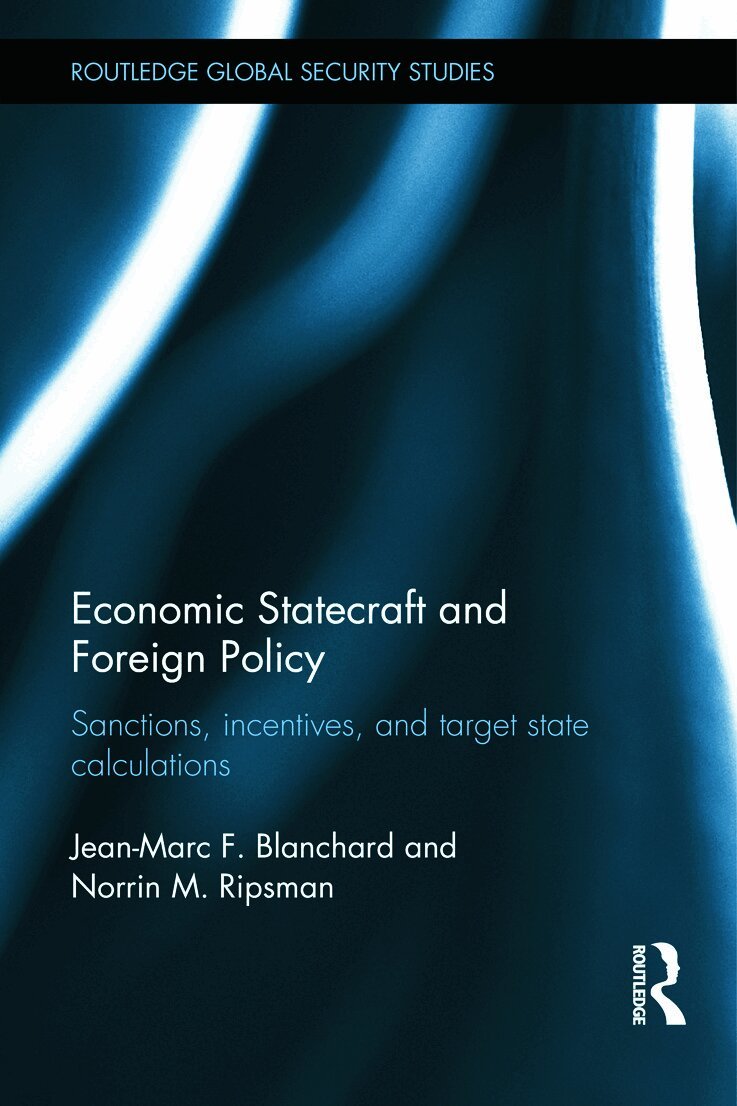
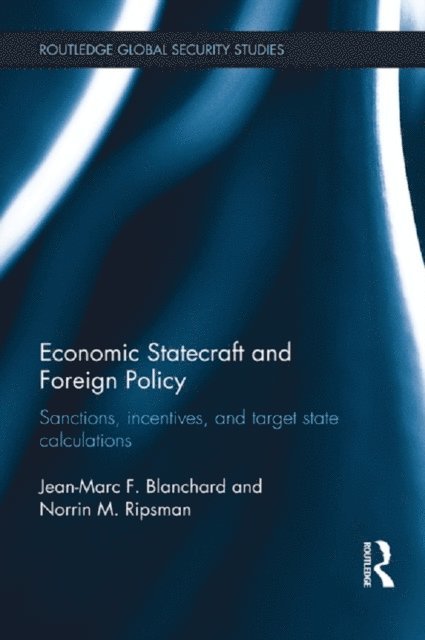
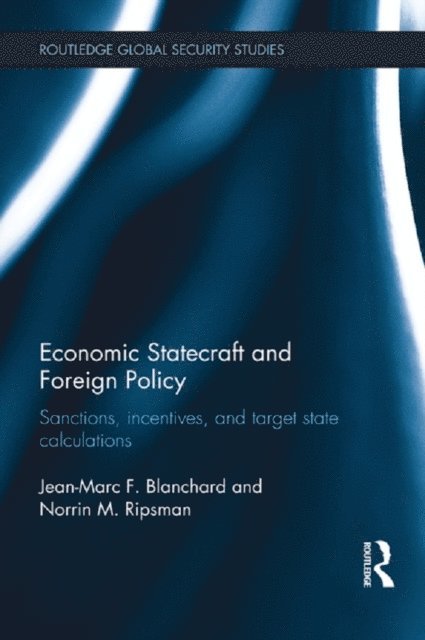
This book develops a unified theory of economic statecraft to clarify when and how sanctions and incentives can be used effectively to secure meaningful policy concessions.
High-profile applications of economic statecraft have yielded varying degrees of success. The mixed record of economic incentives and economic sanctions in many cases raises important questions. Under what conditions can states modify the behaviour of other states by offering them tangible economic rewards or by threatening to disrupt existing economic relations? To what extent does the success of economic statecraft depend on the magnitude of economic penalties and rewards?
In order to answer these questions, this book develops two analytic models: one weighs the threats economic statecraft poses to the Target’s Strategic Interests (TSI); while the other (stateness) assesses the degree to which the target state is insulated from domestic political pressures that senders attempt to generate or exploit. Through a series of carefully crafted case studies, including African apartheid and Japanese incentives to obtain the return of the Northern Territories, the authors demonstrate how their model can yield important policy insights in regards to contemporary economic sanctions and incentives cases, such as Iran and North Korea.
This book will be of much interest to students of statecraft, sanctions, diplomacy, foreign policy, and international security in general.
858 kr
Läs direkt efter köp
This book develops a unified theory of economic statecraft to clarify when and how sanctions and incentives can be used effectively to secure meaningful policy concessions.
High-profile applications of economic statecraft have yielded varying degrees of success. The mixed record of economic incentives and economic sanctions in many cases raises important questions. Under what conditions can states modify the behaviour of other states by offering them tangible economic rewards or by threatening to disrupt existing economic relations? To what extent does the success of economic statecraft depend on the magnitude of economic penalties and rewards?
In order to answer these questions, this book develops two analytic models: one weighs the threats economic statecraft poses to the Target’s Strategic Interests (TSI); while the other (stateness) assesses the degree to which the target state is insulated from domestic political pressures that senders attempt to generate or exploit. Through a series of carefully crafted case studies, including African apartheid and Japanese incentives to obtain the return of the Northern Territories, the authors demonstrate how their model can yield important policy insights in regards to contemporary economic sanctions and incentives cases, such as Iran and North Korea.
This book will be of much interest to students of statecraft, sanctions, diplomacy, foreign policy, and international security in general.
668 kr
Skickas inom 10-15 vardagar
203 kr
Skickas inom 7-10 vardagar
321 kr
Skickas inom 7-10 vardagar