662 kr
Skickas inom 5-8 vardagar
662 kr
Skickas inom 5-8 vardagar
489 kr
Läs direkt efter köp
489 kr
Läs direkt efter köp
931 kr
Skickas inom 10-15 vardagar
1 013 kr
Läs direkt efter köp
798 kr
Skickas inom 10-15 vardagar
372 kr
Läs direkt efter köp
Based on their successful undergraduate course at the University of Southern California, Abigail E. Ruane and Patrick James provide an introduction to International Relations using J. R. R. Tolkien''s fantastically popular trilogy The Lord of the Rings. Because Tolkien''s major themes---such as good versus evil and human agency versus determinism---are perennially relevant to International Relations, The Lord of the Rings is well suited for application to the study of politics in our own world. This innovative combination of social science and humanities approaches to illustrate key concepts engages students and stimulates critical thinking in new and exciting ways.
439 kr
Skickas inom 7-10 vardagar
277 kr
Skickas inom 7-10 vardagar
682 kr
Skickas inom 7-10 vardagar
2 288 kr
Skickas inom 7-10 vardagar
591 kr
Läs direkt efter köp
1 293 kr
Skickas inom 7-10 vardagar
520 kr
Skickas inom 7-10 vardagar
930 kr
Skickas inom 10-15 vardagar
1 038 kr
Läs direkt efter köp
1 065 kr
Läs direkt efter köp
1 094 kr
Skickas inom 7-10 vardagar
382 kr
Skickas inom 7-10 vardagar
1 119 kr
Skickas inom 7-10 vardagar
415 kr
Skickas inom 7-10 vardagar
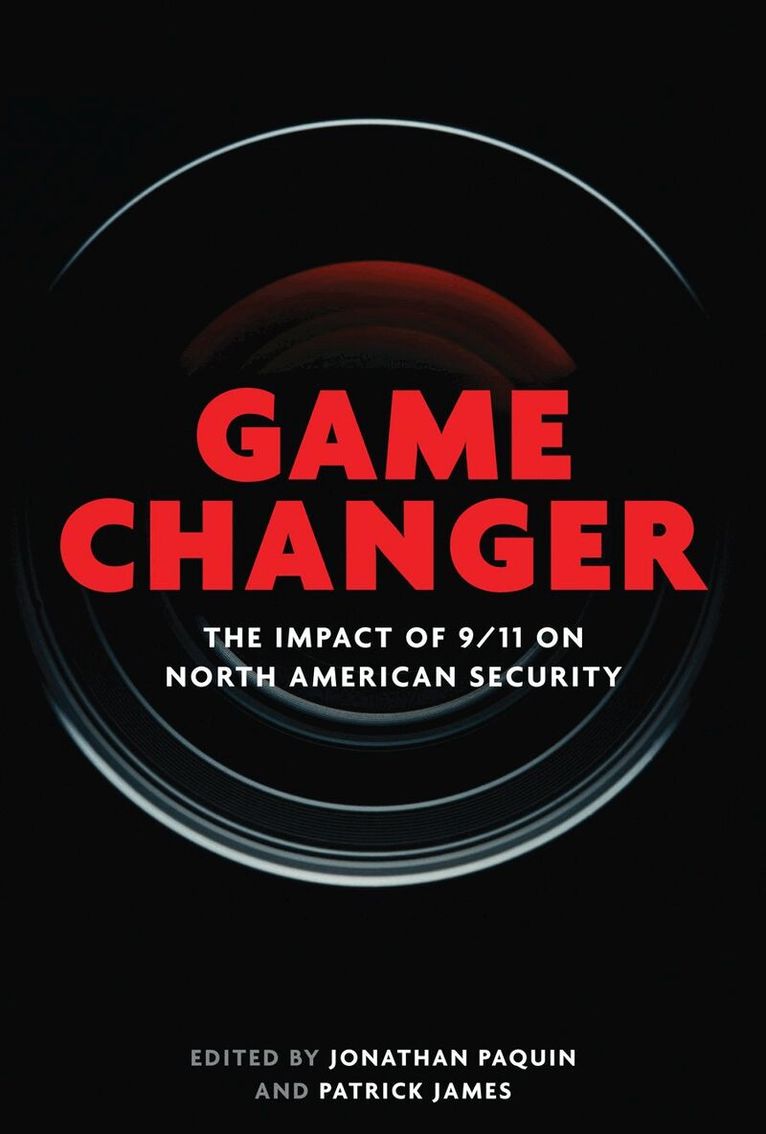
The events of 9/11 turned North American politics upside down. US policy makers focused less on how they could better integrate the economies of Mexico, Canada, and the United States and more on security and sovereignty.
Security experts tend to view the events that followed within a bilateral framework. Game Changer broadens the canvas examining how America's desire to keep its two borders closed to threats but open to trade has influenced Canada and Mexico. The contributors draw on international relations theory to examine and explain not only how post-911 security policy has transformed relations between the three countries but also how policy makers can reconcile the need for greater regional cooperation in the security realm with national autonomy in other areas of life.
By adopting a truly North American, or trilateral, framework, this challenging and authoritative volume suggests new approaches to security in the post-9/11 world.
811 kr
Skickas inom 7-10 vardagar
601 kr
Skickas inom 7-10 vardagar
505 kr
Skickas inom 7-10 vardagar
746 kr
Skickas inom 7-10 vardagar
2 161 kr
Skickas inom 7-10 vardagar
642 kr
Läs direkt efter köp
Engaging with major scholarly work, the textbook combines scientific realism, analytic eclecticism, and the multilevel and graphic approach of systemism to establish the meaning and importance of theory and linkages across levels of analysis. Reflecting on policy and practice, James and Scott explore system, state and individual level explanations of conflict, crisis, and war, and review the nature and effectiveness of key approaches to their management and prevention. They ultimately advocate for an integrated approach that addresses and connects multiple levels of analysis for a more thorough and nuanced understanding.
Key Features:
Applies an innovative approach with unique visual toolsEncourages comprehension of major concepts, theories, and practices and critical thinking Includes core feature boxes which present real-world applications to illustrate a concept and reflect on a point of explanation in greater depthTheoretically informed and conceptually innovative, this textbook is vital to students and scholars of international politics, international relations, and terrorism and security.
670 kr
Skickas inom 7-10 vardagar
762 kr
Läs direkt efter köp
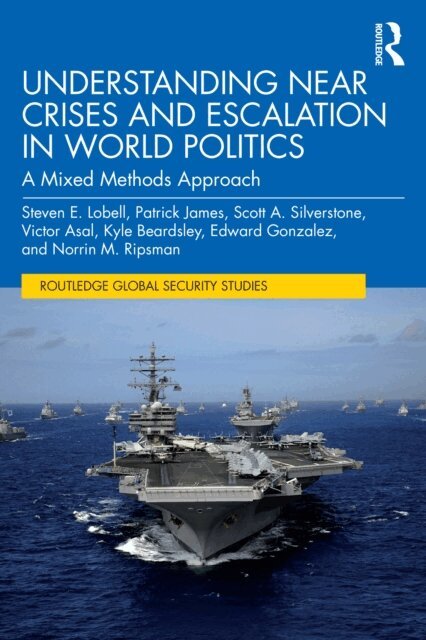
This book introduces the near crisis phase of conflict and escalation.
These time-sensitive disputes between states, and even with violent non-state actors, do not involve significant risk of military escalation, at least in the moment. Investigating how and why some near crises escalate, while others do not, requires an explanation of the different dynamics of international disputes and the policy tools that states and international institutions can employ. We ask an expanded set of questions about specific cases and general patterns of conflict behavior, such as: why did Israeli leaders respond to Hezbollah’s 2006 cross-border raid with escalation, resulting in the Second Lebanon War, while in previous instances the Israelis limited their retaliation? Why didn’t the 2015 Iranian Ballistic Missile Test or the 1995 Norwegian Black Brant Missile Launch escalate, while the 2009 North Korea Missile Movement and the 1995 Taiwan Straits dispute tipped into a full-blown crisis, and why did the 2008 Russia-Georgia conflict escalate from near crisis to war? We use primary sources and newly created data on near crises to answer these questions and others. The overall conclusion is that an ounce of prevention at the near crisis phase is worth a pound of cure in averting a full-blown crisis or war.
This book will be of great interest to students of security studies, conflict studies, foreign policy, and international relations.
757 kr
Läs direkt efter köp
This book introduces the near crisis phase of conflict and escalation.
These time-sensitive disputes between states, and even with violent non-state actors, do not involve significant risk of military escalation, at least in the moment. Investigating how and why some near crises escalate, while others do not, requires an explanation of the different dynamics of international disputes and the policy tools that states and international institutions can employ. We ask an expanded set of questions about specific cases and general patterns of conflict behavior, such as: why did Israeli leaders respond to Hezbollah’s 2006 cross-border raid with escalation, resulting in the Second Lebanon War, while in previous instances the Israelis limited their retaliation? Why didn’t the 2015 Iranian Ballistic Missile Test or the 1995 Norwegian Black Brant Missile Launch escalate, while the 2009 North Korea Missile Movement and the 1995 Taiwan Straits dispute tipped into a full-blown crisis, and why did the 2008 Russia-Georgia conflict escalate from near crisis to war? We use primary sources and newly created data on near crises to answer these questions and others. The overall conclusion is that an ounce of prevention at the near crisis phase is worth a pound of cure in averting a full-blown crisis or war.
This book will be of great interest to students of security studies, conflict studies, foreign policy, and international relations.