1 848 kr
Skickas inom 7-10 vardagar
1 848 kr
Skickas inom 7-10 vardagar
459 kr
Läs direkt efter köp
455 kr
Läs direkt efter köp
779 kr
Skickas inom 3-6 vardagar
863 kr
Skickas inom 5-8 vardagar
770 kr
Läs direkt efter köp
770 kr
Läs direkt efter köp
746 kr
Skickas inom 10-15 vardagar
308 kr
Skickas inom 7-10 vardagar
294 kr
Läs direkt efter köp
659 kr
Kommande
1 800 kr
Kommande
1 237 kr
Skickas inom 7-10 vardagar
1 529 kr
Skickas inom 7-10 vardagar
553 kr
Skickas inom 7-10 vardagar
525 kr
Skickas inom 7-10 vardagar
565 kr
Skickas inom 7-10 vardagar
1 628 kr
Skickas inom 7-10 vardagar
2 489 kr
Skickas inom 10-15 vardagar
522 kr
Läs direkt efter köp
522 kr
Läs direkt efter köp
824 kr
Läs direkt efter köp
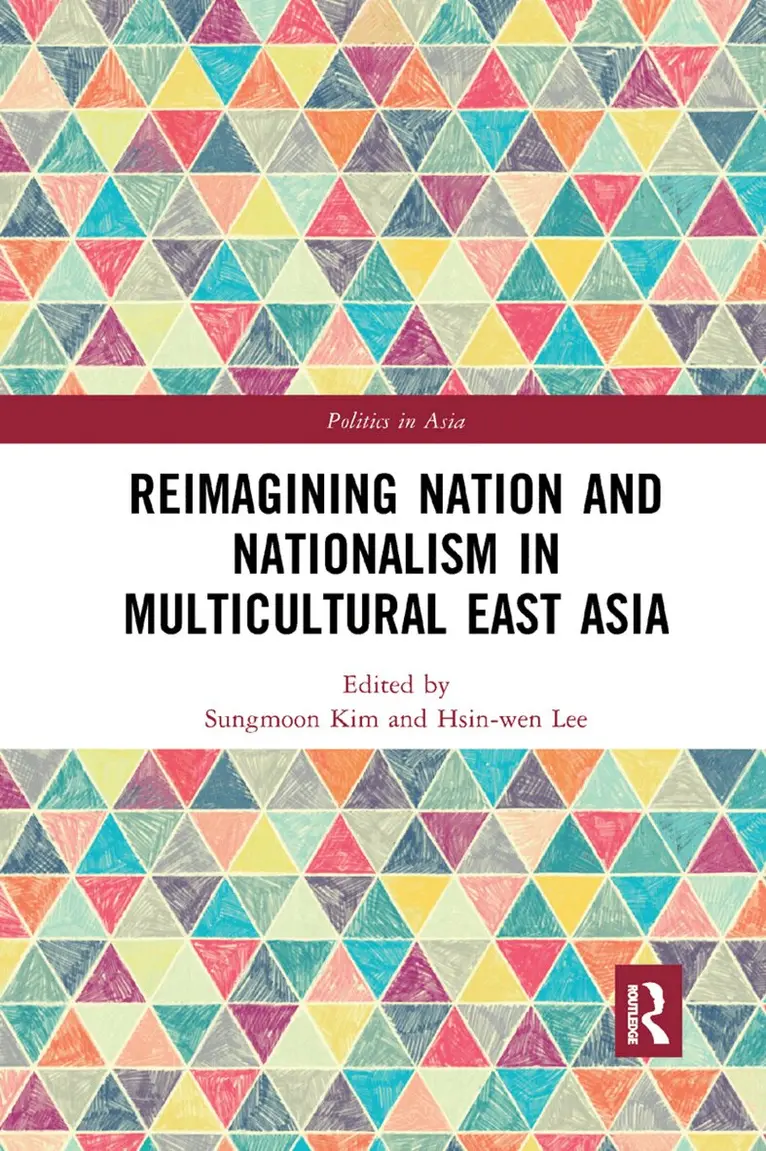
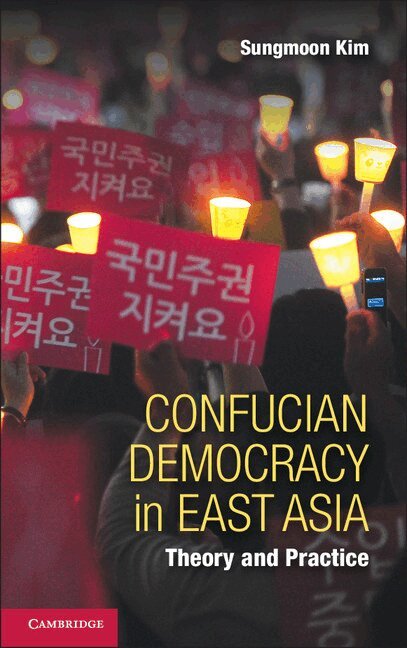
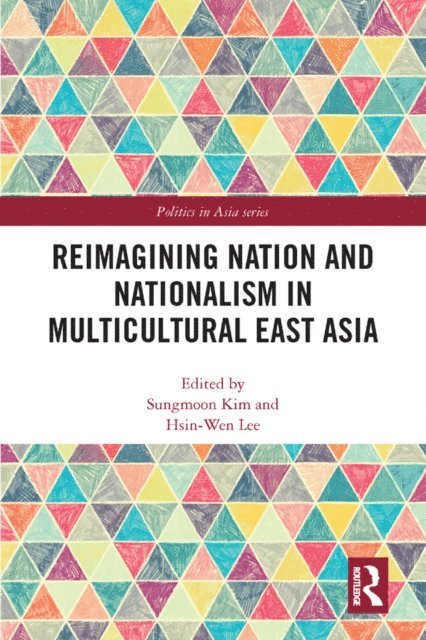
Since the late 1980s, many East Asian countries have become more multicultural, a process marked by increased democracy and pluralism despite the continuing influence of nationalism, which has forced these countries in the region to re-envision their nations. Many such countries have had to reconsider their constitutional make-up, their terms of citizenship and the ideal of social harmony. This has resulted in new immigration and border-control policies and the revisiting of laws regarding labor policies, sociopolitical discrimination, and socioeconomic welfare.
This book explores new perspectives, concepts, and theories that are socially relevant, culturally suitable, and normatively attractive in the East Asia context. It not only outlines the particular experiences of nation, citizenship, and nationalism in East Asian countries but also places them within the wider theoretical context. The contributors look at how nationalism under the force of multiculturalism, or vice versa, affects East Asian societies including China, Japan, Korea, Taiwan, and Hong Kong differently.
The key themes are:
Democracy and equality;
Confucianism’s relationship with nationalism, cosmopolitanism and multiculturalism;
China’s use of its political institutions to initiate and sustain nationalism; the impact of globalization on nationalism in South Korea, Taiwan and Japan;
the role of democracy in reinvigorating indigenous cultures in Taiwan.
843 kr
Läs direkt efter köp
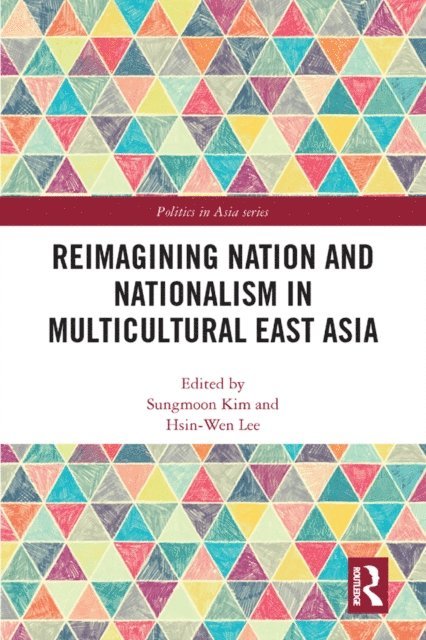
Since the late 1980s, many East Asian countries have become more multicultural, a process marked by increased democracy and pluralism despite the continuing influence of nationalism, which has forced these countries in the region to re-envision their nations. Many such countries have had to reconsider their constitutional make-up, their terms of citizenship and the ideal of social harmony. This has resulted in new immigration and border-control policies and the revisiting of laws regarding labor policies, sociopolitical discrimination, and socioeconomic welfare.
This book explores new perspectives, concepts, and theories that are socially relevant, culturally suitable, and normatively attractive in the East Asia context. It not only outlines the particular experiences of nation, citizenship, and nationalism in East Asian countries but also places them within the wider theoretical context. The contributors look at how nationalism under the force of multiculturalism, or vice versa, affects East Asian societies including China, Japan, Korea, Taiwan, and Hong Kong differently.
The key themes are:
Democracy and equality;
Confucianism’s relationship with nationalism, cosmopolitanism and multiculturalism;
China’s use of its political institutions to initiate and sustain nationalism; the impact of globalization on nationalism in South Korea, Taiwan and Japan;
the role of democracy in reinvigorating indigenous cultures in Taiwan.
1 286 kr
Skickas inom 7-10 vardagar
1 227 kr
Skickas inom 7-10 vardagar
1 997 kr
Skickas inom 10-15 vardagar
717 kr
Skickas inom 10-15 vardagar
774 kr
Läs direkt efter köp
1 405 kr
Skickas inom 10-15 vardagar
1 785 kr
Läs direkt efter köp
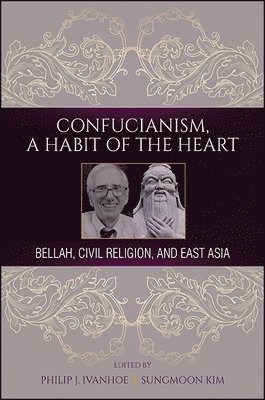
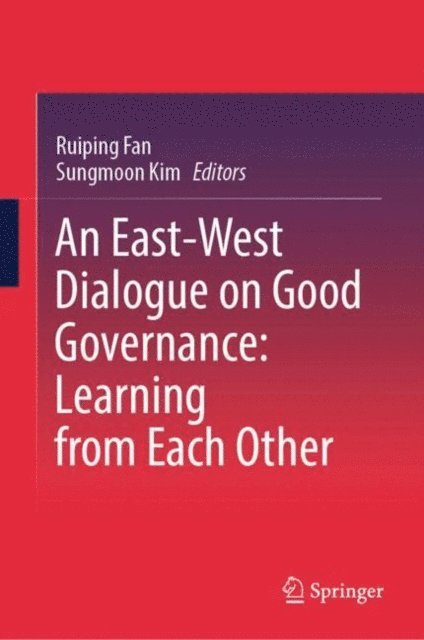
This book offers a unique and engaging exploration of the values essential for good governance, featuring thought-provoking dialogues between esteemed scholars from Eastern and Western backgrounds. Going beyond traditional scholarly papers, these scholars engage in sincere and enthusiastic conversations, sharing heuristic examples, captivating personal stories, and innovative ethical and cultural perspectives.
What sets this book apart is the intriguing exchange between Western scholars delving into significant Confucian values such as "respect for relationship, the family, ritual, and harmony," and Eastern scholars exploring modern Western values like "individual rights and equality." By examining the implications of these deeply rooted values for contemporary society''s governance, the book fosters a valuable learning experience between the East and West through engaged dialogues.
This innovative approach serves as a bridge for cross-cultural understanding, promoting mutual learning and appreciation. The book not only appeals to scholars but also serves as an enlightening reader for individuals interested in human values, contemporary governance, and cross-cultural studies. It offers a rich tapestry of insights that provoke critical thinking and contribute to our understanding of the complexities surrounding governance and cultural values in today''s world.