582 kr
Skickas
582 kr
Skickas
1 972 kr
Skickas inom 7-10 vardagar
1 375 kr
Läs direkt efter köp
1 375 kr
Läs direkt efter köp
1 005 kr
Skickas inom 7-10 vardagar
697 kr
Läs direkt efter köp
697 kr
Läs direkt efter köp
554 kr
Läs direkt efter köp
1 189 kr
Skickas inom 7-10 vardagar
645 kr
Skickas inom 3-6 vardagar
1 479 kr
Skickas inom 3-6 vardagar
846 kr
Skickas inom 7-10 vardagar
1 129 kr
Skickas inom 3-6 vardagar
2 426 kr
Skickas inom 10-15 vardagar
2 497 kr
Skickas inom 10-15 vardagar
702 kr
Skickas inom 10-15 vardagar
463 kr
Skickas inom 7-10 vardagar
1 515 kr
Skickas inom 3-6 vardagar
463 kr
Skickas inom 7-10 vardagar
1 039 kr
Skickas inom 7-10 vardagar
1 039 kr
Läs direkt efter köp
227 kr
Skickas
533 kr
Skickas inom 11-20 vardagar
520 kr
Skickas inom 11-20 vardagar
244 kr
Skickas
538 kr
Skickas inom 11-20 vardagar
559 kr
Skickas inom 11-20 vardagar
831 kr
Läs direkt efter köp
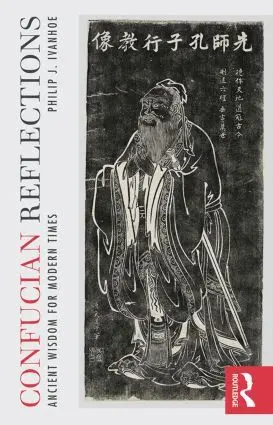
Confucian Reflections: Ancient Wisdom for Modern Times is about the early Chinese Confucian classic the "Analects" Lunyu, attributed to the founder of the Confucian tradition, Kongzi (551-479 bce) and who is more commonly referred to as "Confucius" in the West. Philip J. Ivanhoe argues that the Analects is as relevant and important today as it has proven to be over the course of its more than 2000 year history, not only for the people who live in East Asian societies but for all human beings. The fact that this text has inspired so many talented people for so long, across a range of complex, creative, rich, and fascinating cultures offers a strong prima facie reason for thinking that the insights the Analects contains are not bound by either the particular time or cultural context in which the text took shape.
826 kr
Läs direkt efter köp
Confucian Reflections: Ancient Wisdom for Modern Times is about the early Chinese Confucian classic the "Analects" Lunyu, attributed to the founder of the Confucian tradition, Kongzi (551-479 bce) and who is more commonly referred to as "Confucius" in the West. Philip J. Ivanhoe argues that the Analects is as relevant and important today as it has proven to be over the course of its more than 2000 year history, not only for the people who live in East Asian societies but for all human beings. The fact that this text has inspired so many talented people for so long, across a range of complex, creative, rich, and fascinating cultures offers a strong prima facie reason for thinking that the insights the Analects contains are not bound by either the particular time or cultural context in which the text took shape.
1 147 kr
Läs direkt efter köp
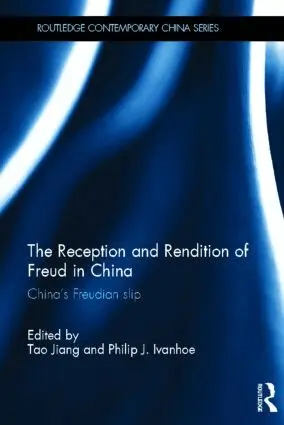
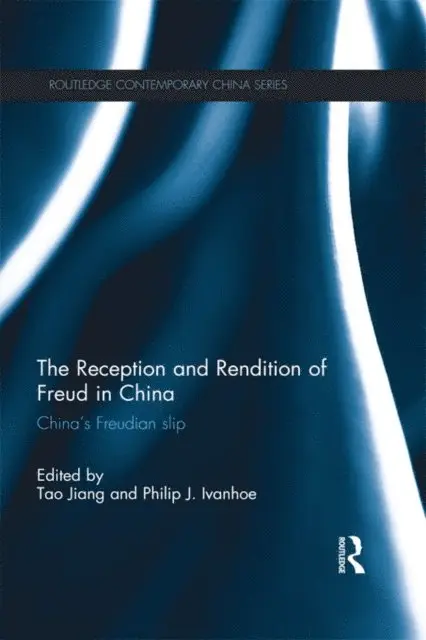
Although Freud makes only occasional, brief references to China and Chinese culture in his works, for almost a hundred years many leading Chinese intellectuals have studied and appropriated various Freudian theories. However, whilst some features of Freud’s views have been warmly embraced from the start and appreciated for their various explanatory and therapeutic values, other aspects have been vigorously criticized as implausible or inapplicable to the Chinese context.
This book explores the history, reception, and use of Freud and his theories in China, and makes an original and substantial contribution to our understanding of the Chinese people and their culture as well as to our appreciation of western attempts to understand the people and culture of China. The essays are organised around three key areas of research. First, it examines the historical background concerning the China-Freud connection in the 20th century, before going on to use reconstructed Freudian theories in order to provide a modernist critique of Chinese culture. Finally, the book deploys traditional Chinese thought in order to challenge various aspects of the Freudian project. Both Freudianism’s universal appeal and its cultural particularity are in full display throughout the book. At the same time, the allure of Chinese cultural and literary expressions, both in terms of their commonality with other cultures and their distinctive characteristics, are also scrutinized.
This collection of essays will be welcomed by those interested in early modern and contemporary China, as well as the work and influence of Freud. It will also be of great interest to students and scholars of psychology, psychoanalysis, literature, philosophy, religion, and cultural studies more generally.