776 kr
Skickas inom 10-15 vardagar
776 kr
Skickas inom 10-15 vardagar
776 kr
Skickas inom 10-15 vardagar
314 kr
Skickas inom 10-15 vardagar
903 kr
Läs direkt efter köp
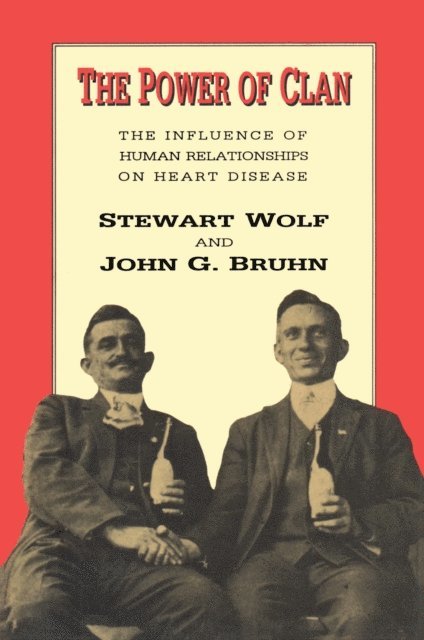
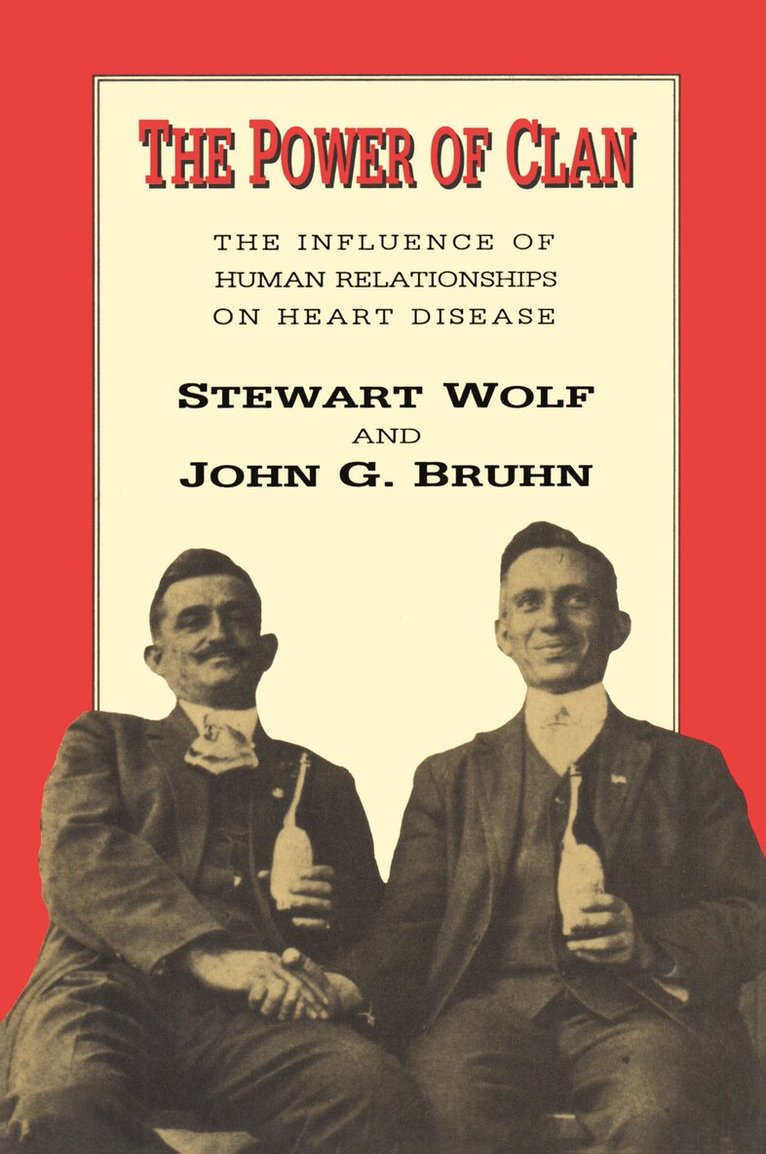
Medical sociologists have long recognized the importance of community and family structure in the health of individuals. However, the past quarter century in America has seen an increasing emphasis on individualism and materialism that has effectively diminished the cohesiveness and emotional support provided by these basic social units. The Power of Clan examines the health effects of social change in a largely Italian-American town over a twenty-five-year period and provides substantial evidence of the protective effect of family bonds and shared social values against coronary heart disease and sudden death.The unique feature of the Roseto, Pennsylvania community was its remarkably low death rate from heart attacks, this in spite of the fact that such risk factors as smoking, lack of exercise, high fat and cholesterol diet were found to be just as prevalent in Roseto as in four nearby control towns. Roseto''s traditional, family-oriented social structure, however, differed vastly from that of neighboring towns where materialistic values were predominant and where the individual, rather than the family, was considered to be the unit of society.At the beginning of their study in the early 1960s, the authors noted indications of imminent social change toward a more Americanized system of values and behavior. Interviews with younger inhabitants revealed much respect for old-world traditions but not as much enthusiasm for living by them. The study''s prediction that the abandonment of selfless, communal standards would undermine Rosetans relative immunity to heart disease was borne out as death rates from heart attack climbed to levels comparable to those of the control towns by 1975. The Power of Clan is the product of twenty-five years of continuous observation. The findings of its original study have been carefully examined and its predictions largely confirmed. It is a landmark volume in the longitudinal study of health in an advanced industrial society. It also constitutes a large step forward in the cooperation of medical and sociological researchers.
883 kr
Läs direkt efter köp
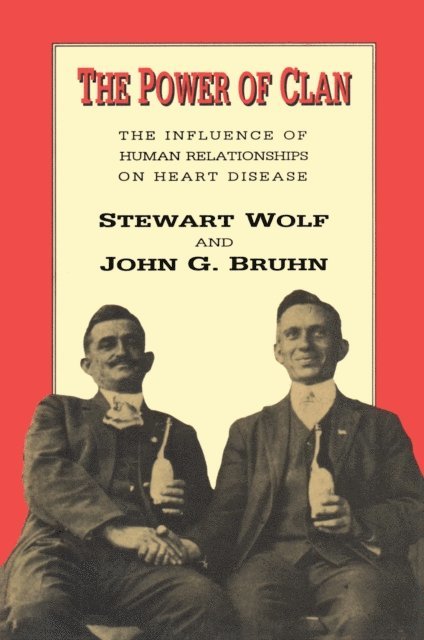
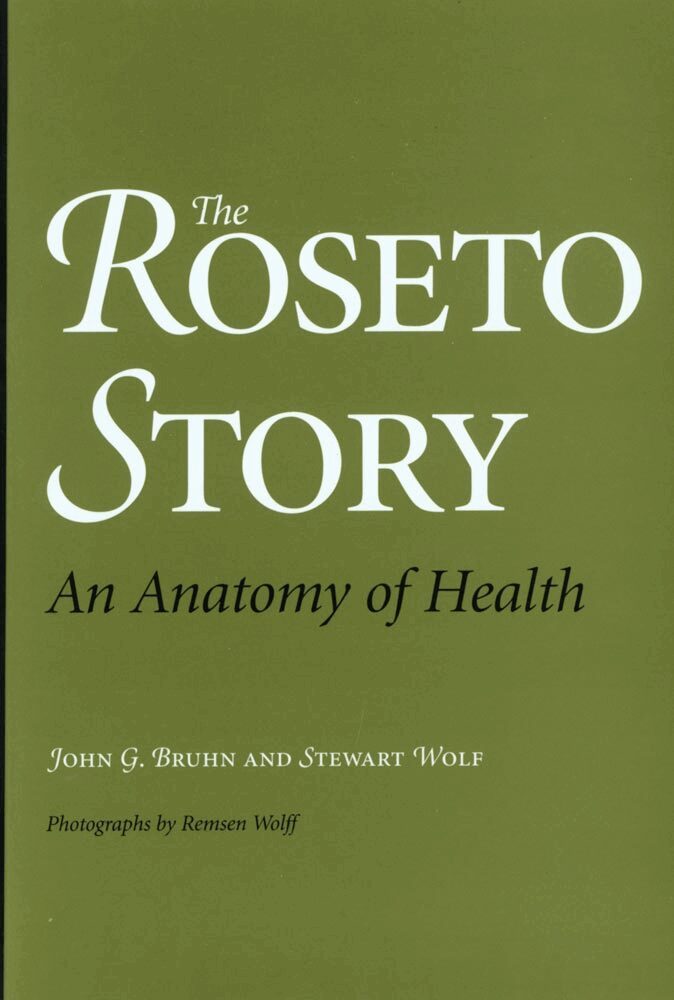
Medical sociologists have long recognized the importance of community and family structure in the health of individuals. However, the past quarter century in America has seen an increasing emphasis on individualism and materialism that has effectively diminished the cohesiveness and emotional support provided by these basic social units. The Power of Clan examines the health effects of social change in a largely Italian-American town over a twenty-five-year period and provides substantial evidence of the protective effect of family bonds and shared social values against coronary heart disease and sudden death.The unique feature of the Roseto, Pennsylvania community was its remarkably low death rate from heart attacks, this in spite of the fact that such risk factors as smoking, lack of exercise, high fat and cholesterol diet were found to be just as prevalent in Roseto as in four nearby control towns. Roseto''s traditional, family-oriented social structure, however, differed vastly from that of neighboring towns where materialistic values were predominant and where the individual, rather than the family, was considered to be the unit of society.At the beginning of their study in the early 1960s, the authors noted indications of imminent social change toward a more Americanized system of values and behavior. Interviews with younger inhabitants revealed much respect for old-world traditions but not as much enthusiasm for living by them. The study''s prediction that the abandonment of selfless, communal standards would undermine Rosetans relative immunity to heart disease was borne out as death rates from heart attack climbed to levels comparable to those of the control towns by 1975. The Power of Clan is the product of twenty-five years of continuous observation. The findings of its original study have been carefully examined and its predictions largely confirmed. It is a landmark volume in the longitudinal study of health in an advanced industrial society. It also constitutes a large step forward in the cooperation of medical and sociological researchers.
520 kr
Skickas inom 10-15 vardagar
2 455 kr
Skickas inom 10-15 vardagar
2 601 kr
Skickas inom 10-15 vardagar
607 kr
Läs direkt efter köp
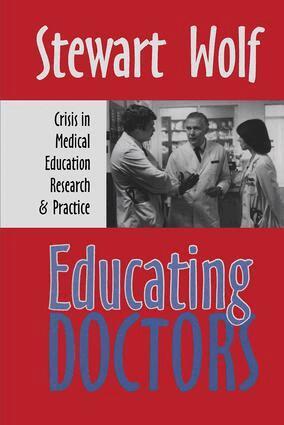
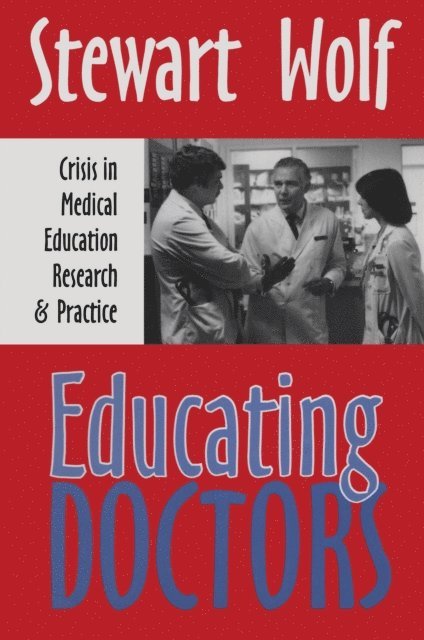
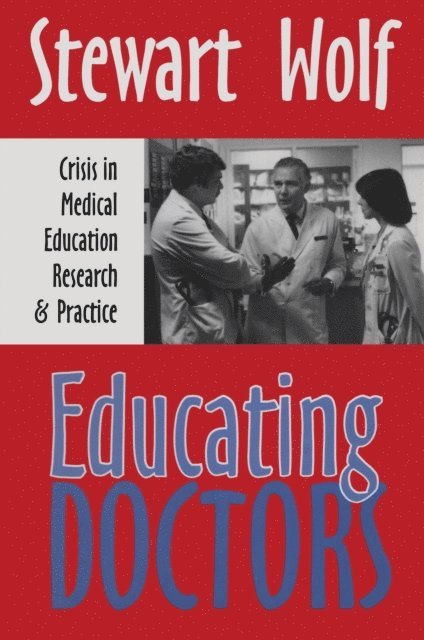
At a time when medical care for the people of the United States is undergoing wrenching change due mainly to vast and costly technological progress, doctors have had to cede much of their initiative and responsibility to third parties. Medicine has become a commercial enterprise. Patients must affiliate themselves with a managed health care organization in order to have access to their doctors. In the hurly-burly of today''s techno-medicine, many physicians are too busy to spend time in dialogue with their patients. As a consequence, social and emotional circumstances that have been thoroughly documented to affect physiology and susceptibility to disease are overlooked.
Stewart Wolf here critiques the medical establishment and the way those concerned with its various responsibilities discharge them. He puts medicine''s responsibilities to society into historical perspective, relating it to social changes. He begins with the ways medical candidates are selected. He continues with commentary on currently designed teaching and learning, the qualities required in a physician and in a medical scientist, and the nature and challenges of disease and what can be done about them. Finally, Wolf provides a useful way of thinking about human biology, to better understand why people become sick or well and what people have to contend with to stay well. Throughout he emphasizes the role of the brain in controlling behavior of all sorts, general and visceral.
Wolf emphasizes the regulatory power of the nervous system as it perceives and evaluates life experiences and influences learning, behavior, and susceptibility to disease. Wolf''sgoal is not to supply a recipe for the achievement of better health, but to encourage a better understanding of ourselves and the paths toward health. Educating Doctors reexamines the responsibilities, goals, and activities of the medical establishment. As such it is a must read for policymakers, sociologists, and professionals working in the medical field.
903 kr
Läs direkt efter köp
910 kr
Läs direkt efter köp
938 kr
Läs direkt efter köp
831 kr
Läs direkt efter köp
773 kr
Skickas inom 10-15 vardagar
1 090 kr
Skickas inom 10-15 vardagar
1 470 kr
Läs direkt efter köp
1 123 kr
Skickas inom 10-15 vardagar
734 kr
Läs direkt efter köp
545 kr
Skickas inom 10-15 vardagar
1 992 kr
Läs direkt efter köp
1 557 kr
Skickas inom 10-15 vardagar
723 kr
Läs direkt efter köp
537 kr
Skickas inom 10-15 vardagar
723 kr
Läs direkt efter köp
537 kr
Skickas inom 10-15 vardagar
1 492 kr
Läs direkt efter köp
1 127 kr
Skickas inom 10-15 vardagar
1 492 kr
Läs direkt efter köp
1 127 kr
Skickas inom 10-15 vardagar