285 kr
Skickas inom 7-10 vardagar
285 kr
Skickas inom 7-10 vardagar
2 455 kr
Skickas inom 10-15 vardagar
716 kr
Läs direkt efter köp
675 kr
Läs direkt efter köp
2 602 kr
Skickas inom 10-15 vardagar
1 487 kr
Skickas inom 10-15 vardagar
2 682 kr
Skickas inom 10-15 vardagar
733 kr
Skickas inom 10-15 vardagar
2 448 kr
Skickas inom 3-6 vardagar
590 kr
Skickas inom 10-15 vardagar
917 kr
Läs direkt efter köp
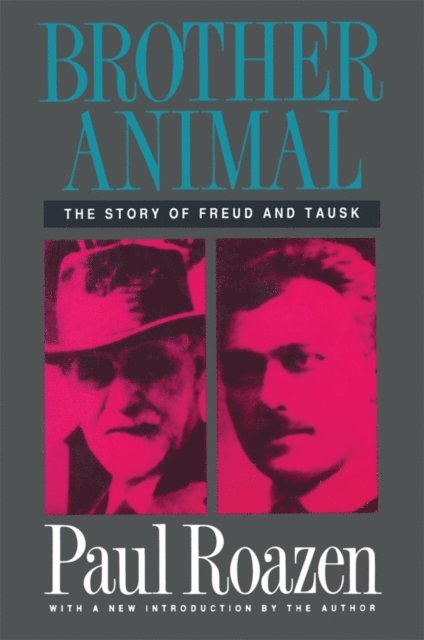
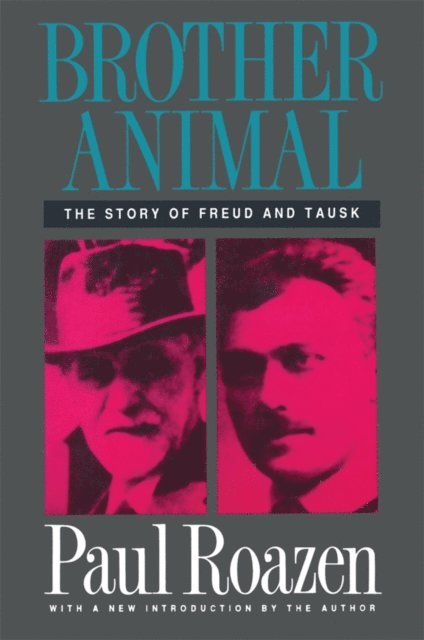
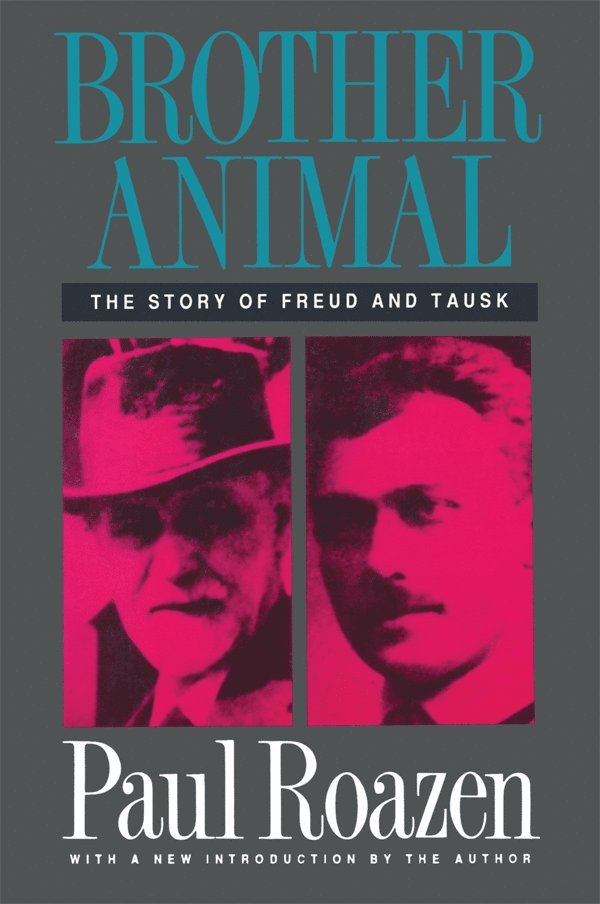
A major figure among pre-World War I psychoanalysts, Victor Tausk was perhaps Sigmund Freud''s most brilliant pupil—"the most prominently outstanding" in the opinion of Lou Andreas-Salome. Tausk craved recognition for the originality of his work, and a fierce rivalry developed between pupil and mentor. Tausk. who felt a deep and neurotic dependence on Freud, was totally consumed in the struggle. Freud''s final rejection of his follower, and the particularly unfortunate manner in which it was carried out, was followed by Tausk''s bizarre suicide—and by an official silence that has all but obliterated his name from the annals of psychoanalysis.
852 kr
Läs direkt efter köp
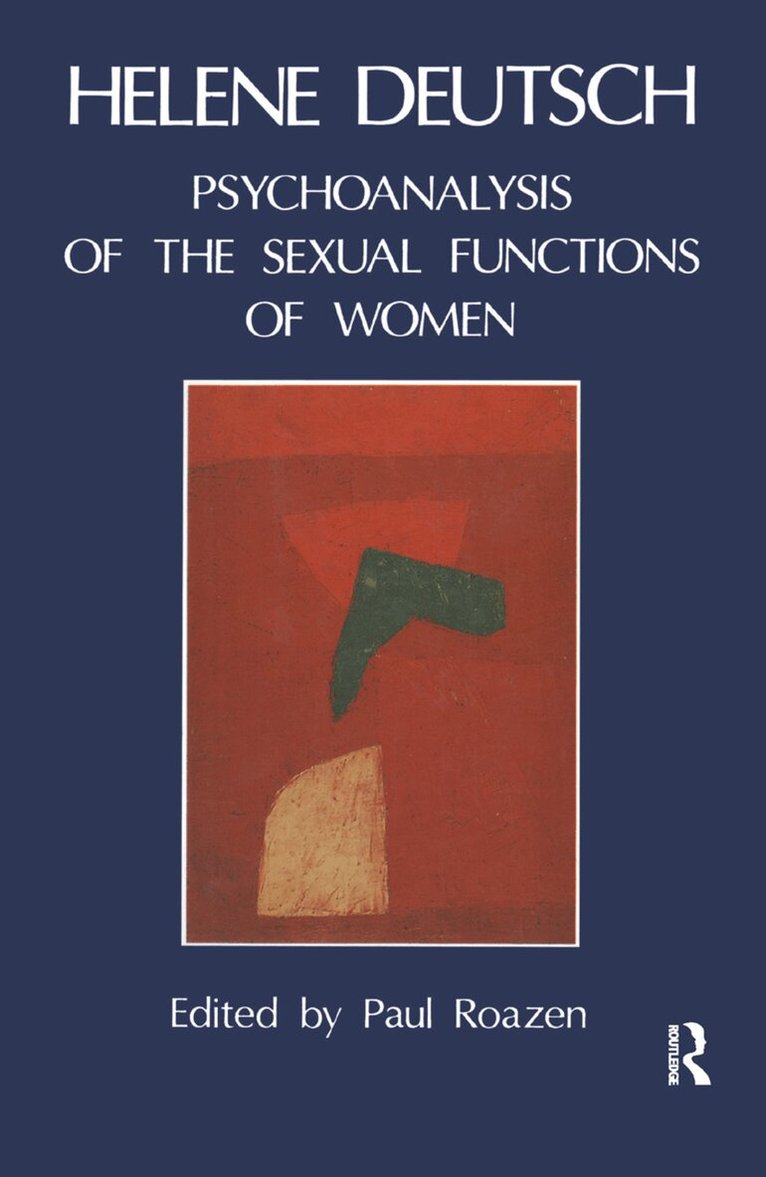
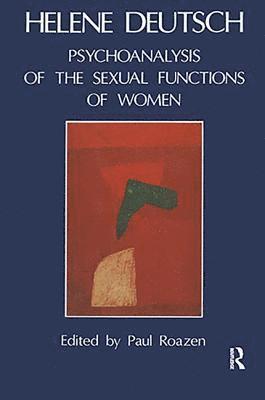
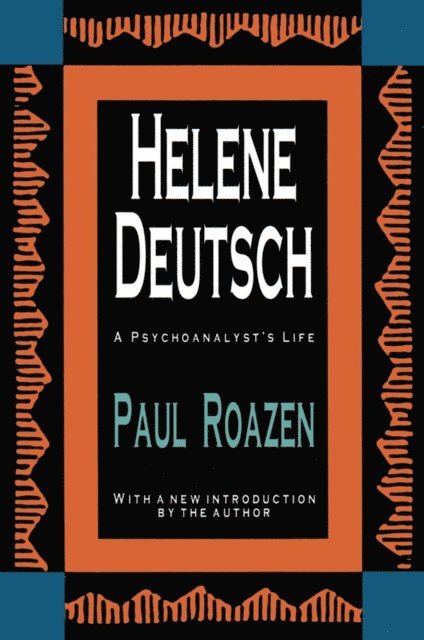
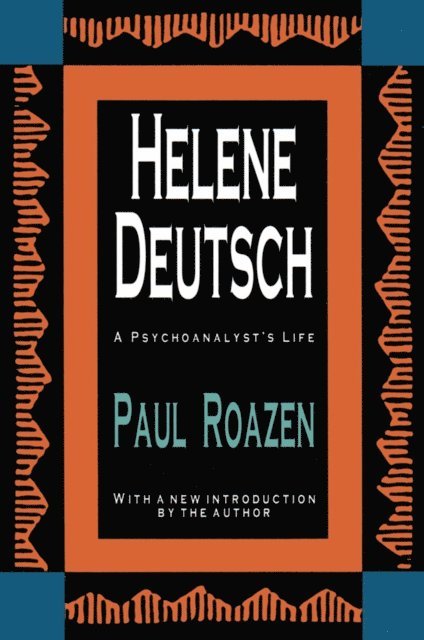
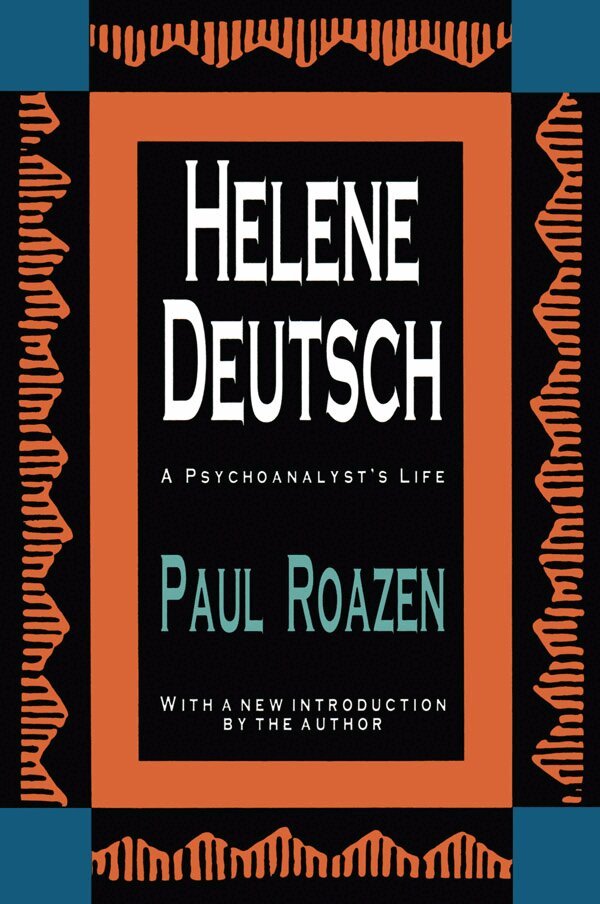
Student and protege of Sigmund Freud, Helene Deutsch was one of the most influential psychoanalysts of her time. An early woman analyst, Deutsch was an ardent feminist and a leading proponent of Freud''s controversial theories about the psychology of women. Deutsch was also one of the first prominent career women to combine a professional life with motherhood-even though she never resolved her own conflicts over those contradictory demands. At the time of her death in 1982 at the age of 97, Helene Deutsch was the last survivior of Freud''s original circle from Vienna. This volume is a definitive account of the life and works of this remarkable-and enigmatic-woman. The author knew Deutsch personally and was given exclusive access to her papers after her death.The private life of Helene Deutsch was as unconventional as her professional life. While Felix Deutsch, a physician who specialized in psychosomatic medicine, was to remain her husband for fifty years and father her son, Martin, their relationship was highly eccentric. Roazen produces evidence that indicates Felix Deutsch may have been homosexual; also that their son was raised primarily by Felix, as Helene was more interested in her career than was Felix in his, and the Deutsches often lived continents apart.With the rise of Nazism, Helene Deutsch departed in 1935 for America She was welcomed in Cambridge, Massachusetts by the Boston Psychoanalytic Society and was made director of the Society''s new institute for the training of analysts. Her two-volume The Psychology of Women, published in 1945, remains one of the foundations of modern analysis. Roazen''s biography is an authoritative portrait of a pioneer of psychoanalysis, and one of the unique women of her day. It will be of interest to psychoanalysts, cultural historians, and specialists in women''s studies.
931 kr
Läs direkt efter köp
A major figure among pre-World War I psychoanalysts, Victor Tausk was perhaps Sigmund Freud''s most brilliant pupil—"the most prominently outstanding" in the opinion of Lou Andreas-Salome. Tausk craved recognition for the originality of his work, and a fierce rivalry developed between pupil and mentor. Tausk. who felt a deep and neurotic dependence on Freud, was totally consumed in the struggle. Freud''s final rejection of his follower, and the particularly unfortunate manner in which it was carried out, was followed by Tausk''s bizarre suicide—and by an official silence that has all but obliterated his name from the annals of psychoanalysis.
938 kr
Läs direkt efter köp
Student and protege of Sigmund Freud, Helene Deutsch was one of the most influential psychoanalysts of her time. An early woman analyst, Deutsch was an ardent feminist and a leading proponent of Freud''s controversial theories about the psychology of women. Deutsch was also one of the first prominent career women to combine a professional life with motherhood-even though she never resolved her own conflicts over those contradictory demands. At the time of her death in 1982 at the age of 97, Helene Deutsch was the last survivior of Freud''s original circle from Vienna. This volume is a definitive account of the life and works of this remarkable-and enigmatic-woman. The author knew Deutsch personally and was given exclusive access to her papers after her death.The private life of Helene Deutsch was as unconventional as her professional life. While Felix Deutsch, a physician who specialized in psychosomatic medicine, was to remain her husband for fifty years and father her son, Martin, their relationship was highly eccentric. Roazen produces evidence that indicates Felix Deutsch may have been homosexual; also that their son was raised primarily by Felix, as Helene was more interested in her career than was Felix in his, and the Deutsches often lived continents apart.With the rise of Nazism, Helene Deutsch departed in 1935 for America She was welcomed in Cambridge, Massachusetts by the Boston Psychoanalytic Society and was made director of the Society''s new institute for the training of analysts. Her two-volume The Psychology of Women, published in 1945, remains one of the foundations of modern analysis. Roazen''s biography is an authoritative portrait of a pioneer of psychoanalysis, and one of the unique women of her day. It will be of interest to psychoanalysts, cultural historians, and specialists in women''s studies.
491 kr
Skickas inom 10-15 vardagar
733 kr
Skickas inom 10-15 vardagar
520 kr
Skickas inom 10-15 vardagar
889 kr
Skickas inom 10-15 vardagar
889 kr
Skickas inom 10-15 vardagar
2 085 kr
Skickas inom 10-15 vardagar
2 455 kr
Skickas inom 10-15 vardagar
2 277 kr
Skickas inom 10-15 vardagar
607 kr
Läs direkt efter köp
At a time when medical care for the people of the United States is undergoing wrenching change due mainly to vast and costly technological progress, doctors have had to cede much of their initiative and responsibility to third parties. Medicine has become a commercial enterprise. Patients must affiliate themselves with a managed health care organization in order to have access to their doctors. In the hurly-burly of today''s techno-medicine, many physicians are too busy to spend time in dialogue with their patients. As a consequence, social and emotional circumstances that have been thoroughly documented to affect physiology and susceptibility to disease are overlooked.
Stewart Wolf here critiques the medical establishment and the way those concerned with its various responsibilities discharge them. He puts medicine''s responsibilities to society into historical perspective, relating it to social changes. He begins with the ways medical candidates are selected. He continues with commentary on currently designed teaching and learning, the qualities required in a physician and in a medical scientist, and the nature and challenges of disease and what can be done about them. Finally, Wolf provides a useful way of thinking about human biology, to better understand why people become sick or well and what people have to contend with to stay well. Throughout he emphasizes the role of the brain in controlling behavior of all sorts, general and visceral.
Wolf emphasizes the regulatory power of the nervous system as it perceives and evaluates life experiences and influences learning, behavior, and susceptibility to disease. Wolf''sgoal is not to supply a recipe for the achievement of better health, but to encourage a better understanding of ourselves and the paths toward health. Educating Doctors reexamines the responsibilities, goals, and activities of the medical establishment. As such it is a must read for policymakers, sociologists, and professionals working in the medical field.

607 kr
Läs direkt efter köp
At a time when medical care for the people of the United States is undergoing wrenching change due mainly to vast and costly technological progress, doctors have had to cede much of their initiative and responsibility to third parties. Medicine has become a commercial enterprise. Patients must affiliate themselves with a managed health care organization in order to have access to their doctors. In the hurly-burly of today''s techno-medicine, many physicians are too busy to spend time in dialogue with their patients. As a consequence, social and emotional circumstances that have been thoroughly documented to affect physiology and susceptibility to disease are overlooked.
Stewart Wolf here critiques the medical establishment and the way those concerned with its various responsibilities discharge them. He puts medicine''s responsibilities to society into historical perspective, relating it to social changes. He begins with the ways medical candidates are selected. He continues with commentary on currently designed teaching and learning, the qualities required in a physician and in a medical scientist, and the nature and challenges of disease and what can be done about them. Finally, Wolf provides a useful way of thinking about human biology, to better understand why people become sick or well and what people have to contend with to stay well. Throughout he emphasizes the role of the brain in controlling behavior of all sorts, general and visceral.
Wolf emphasizes the regulatory power of the nervous system as it perceives and evaluates life experiences and influences learning, behavior, and susceptibility to disease. Wolf''sgoal is not to supply a recipe for the achievement of better health, but to encourage a better understanding of ourselves and the paths toward health. Educating Doctors reexamines the responsibilities, goals, and activities of the medical establishment. As such it is a must read for policymakers, sociologists, and professionals working in the medical field.
852 kr
Läs direkt efter köp
840 kr
Läs direkt efter köp
981 kr
Läs direkt efter köp
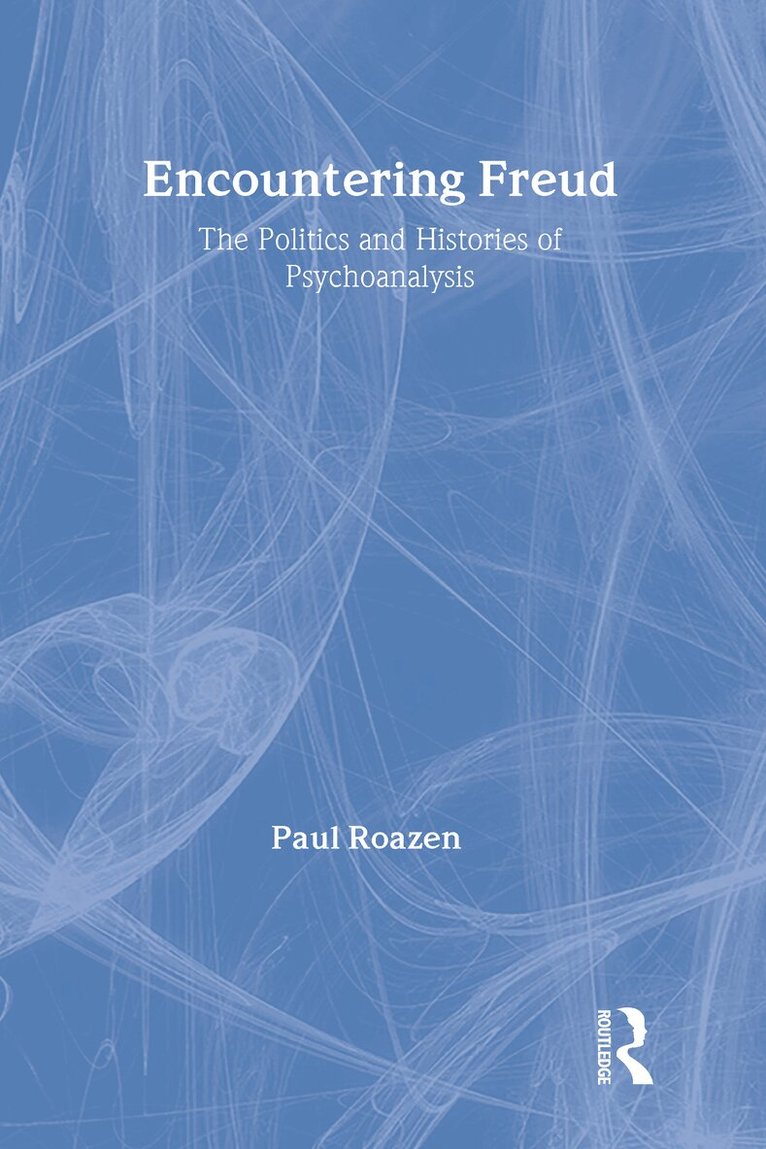
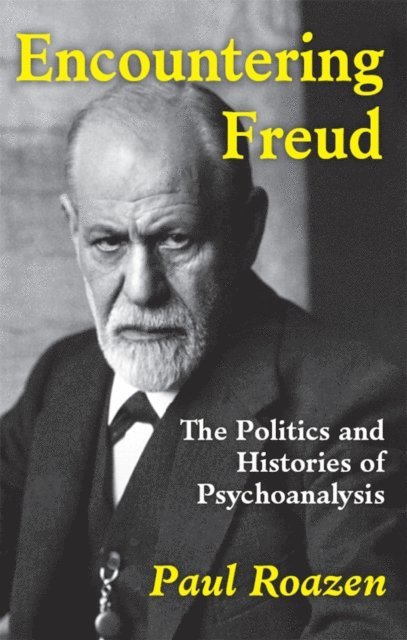
In this volume Paul Roazen examines different national responses to Freud and the beginnings of psychoanalysis. He examines Freud''s work in the contexts of law, society, and class, as well as other forms of psychology.
Encountering Freud includes a brilliant essay on Freud and the question of psychoanalysis'' contribution to radical thought, in contrast to the conservative tradition. Roazen takes up the extravagant claims of Marcuse and Reich, and sees the risks of then overglamorization of the beginnings of psychoanalysis as a profession. Roazen views the legacies of Harry Stack Sullivan, Helene Deutsch, and Erik H. Erikson as less rich because their work conformed to the social status quo. He sees Freud''s inability to avoid an ambiguous outcome as a lack of concern with normality and a refusal to own up to the wide variety of psychological solutions he found both therapeutically tolerable and humanly desirable.
Roazen concludes with a series of explorations on the dichotomies Freud left behind: clinical discoveries versus philosophical standpoints; the relationship of normality to nihilism; and a defense of a therapeutic setting based on trained specialists versus a therapeutic approach encouraging self-expression. This is a volume that utilizes a sharp focus on Freud and his followers and dissenters to explore the question of political psychology at one end and psych-history at the other end of analysis.
926 kr
Läs direkt efter köp
In this volume Paul Roazen examines different national responses to Freud and the beginnings of psychoanalysis. He examines Freud''s work in the contexts of law, society, and class, as well as other forms of psychology.
Encountering Freud includes a brilliant essay on Freud and the question of psychoanalysis'' contribution to radical thought, in contrast to the conservative tradition. Roazen takes up the extravagant claims of Marcuse and Reich, and sees the risks of then overglamorization of the beginnings of psychoanalysis as a profession. Roazen views the legacies of Harry Stack Sullivan, Helene Deutsch, and Erik H. Erikson as less rich because their work conformed to the social status quo. He sees Freud''s inability to avoid an ambiguous outcome as a lack of concern with normality and a refusal to own up to the wide variety of psychological solutions he found both therapeutically tolerable and humanly desirable.
Roazen concludes with a series of explorations on the dichotomies Freud left behind: clinical discoveries versus philosophical standpoints; the relationship of normality to nihilism; and a defense of a therapeutic setting based on trained specialists versus a therapeutic approach encouraging self-expression. This is a volume that utilizes a sharp focus on Freud and his followers and dissenters to explore the question of political psychology at one end and psych-history at the other end of analysis.
917 kr
Läs direkt efter köp
908 kr
Läs direkt efter köp