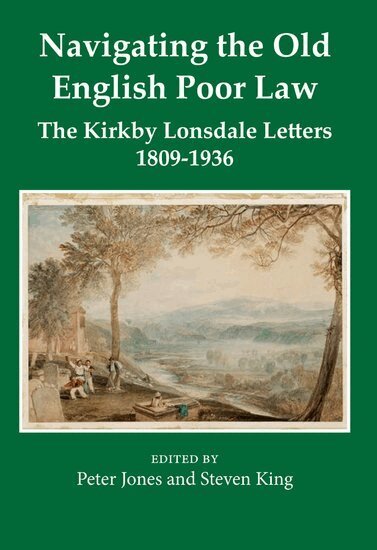
Navigating the Old English Poor Law
The Kirkby Lonsdale Letters, 1809-1836
1 846 kr
Skickas inom 7-10 vardagar
The Kirkby Lonsdale Letters, 1809-1836
1 846 kr
Skickas inom 7-10 vardagar
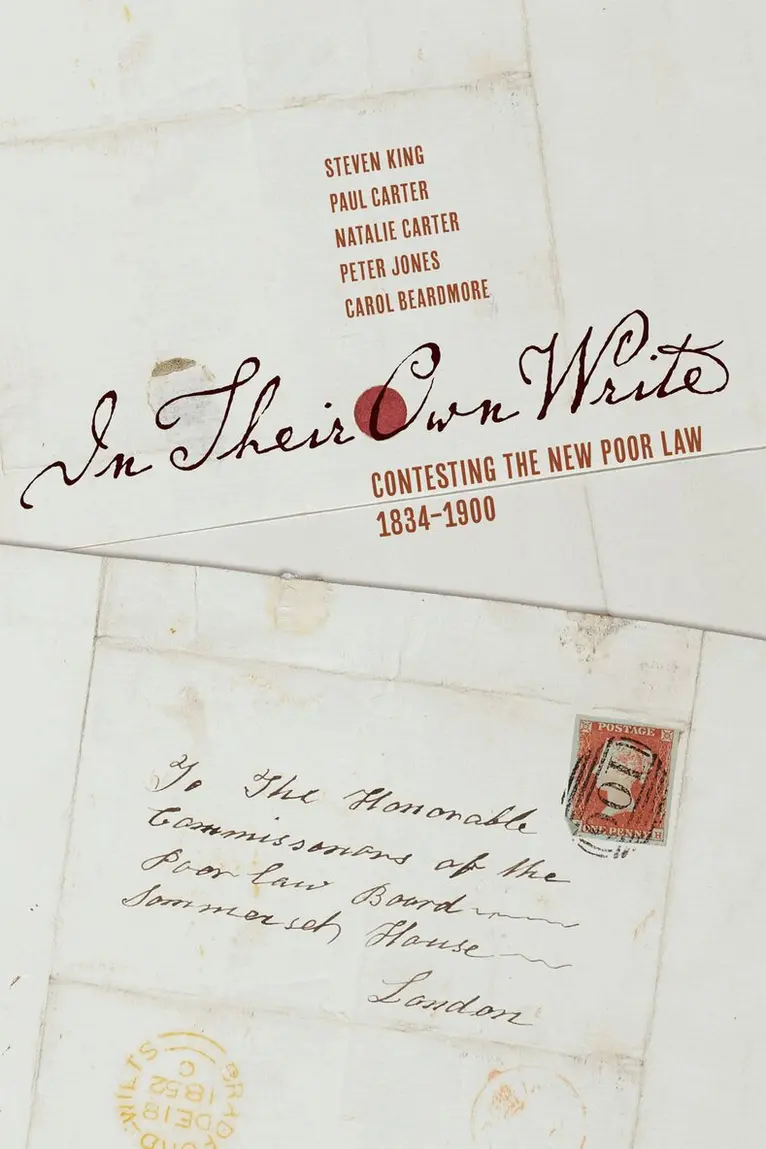
Contesting the New Poor Law, 1834–1900
1 671 kr
Skickas inom 7-10 vardagar
Contesting the New Poor Law, 1834–1900
527 kr
Skickas inom 7-10 vardagar
492 kr
Läs direkt efter köp
Few subjects in European welfare history attract as much attention as the nineteenth-century English and Welsh New Poor Law. Its founding statute was considered the single most important piece of social legislation ever enacted, and at the same time, the coming of its institutions – from penny-pinching Boards of Guardians to the dreaded workhouse – has generally been viewed as a catastrophe for ordinary working people. Until now it has been impossible to know how the poor themselves felt about the New Poor Law and its measures, how they negotiated its terms, and how their interactions with the local and national state shifted and changed across the nineteenth century. In Their Own Write exposes this hidden history. Based on an unparalleled collection of first-hand testimony – pauper letters and witness statements interwoven with letters to newspapers and correspondence from poor law officials and advocates – the book reveals lives marked by hardship, deprivation, bureaucratic intransigence, parsimonious officialdom, and sometimes institutional cruelty, while also challenging the dominant view that the poor were powerless and lacked agency in these interactions. The testimonies collected in these pages clearly demonstrate that both the poor and their advocates were adept at navigating the new bureaucracy, holding local and national officials to account, and influencing the outcomes of relief negotiations for themselves and their communities. Fascinating and compelling, the stories presented in In Their Own Write amount to nothing less than a new history of welfare from below.
489 kr
Läs direkt efter köp
Few subjects in European welfare history attract as much attention as the nineteenth-century English and Welsh New Poor Law. Its founding statute was considered the single most important piece of social legislation ever enacted, and at the same time, the coming of its institutions – from penny-pinching Boards of Guardians to the dreaded workhouse – has generally been viewed as a catastrophe for ordinary working people. Until now it has been impossible to know how the poor themselves felt about the New Poor Law and its measures, how they negotiated its terms, and how their interactions with the local and national state shifted and changed across the nineteenth century. In Their Own Write exposes this hidden history. Based on an unparalleled collection of first-hand testimony – pauper letters and witness statements interwoven with letters to newspapers and correspondence from poor law officials and advocates – the book reveals lives marked by hardship, deprivation, bureaucratic intransigence, parsimonious officialdom, and sometimes institutional cruelty, while also challenging the dominant view that the poor were powerless and lacked agency in these interactions. The testimonies collected in these pages clearly demonstrate that both the poor and their advocates were adept at navigating the new bureaucracy, holding local and national officials to account, and influencing the outcomes of relief negotiations for themselves and their communities. Fascinating and compelling, the stories presented in In Their Own Write amount to nothing less than a new history of welfare from below.
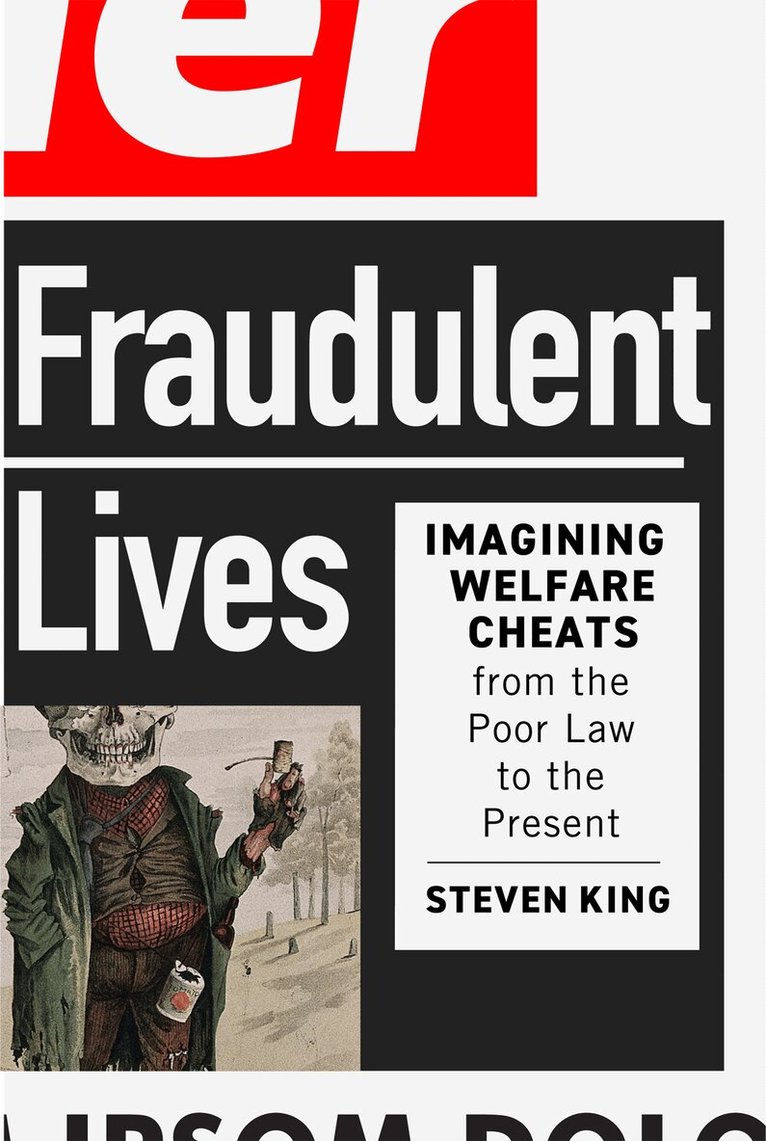
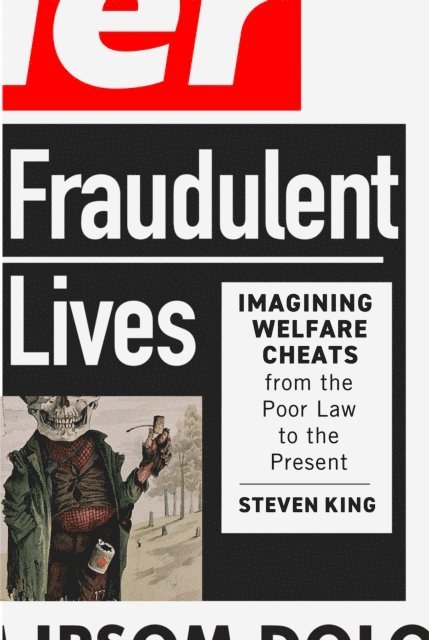
Imagining Welfare Cheats from the Poor Law to the Present
1 275 kr
Skickas inom 7-10 vardagar
Imagining Welfare Cheats from the Poor Law to the Present
396 kr
Skickas inom 7-10 vardagar
438 kr
Läs direkt efter köp
The Western welfare state model is beset with structural, financial, and moral crises. So-called scroungers, cheats, and disability fakers persistently occupy the centre of public policy discussions, even as official statistics suggest that relatively small amounts of money are lost to such schemes.
In Fraudulent Lives Steven King focuses on the British case in the first ever long-term analysis of the scale, meaning, and consequences of welfare fraud in Western nations. King argues that an expectation of dishonesty on the part of claimants was written into the basic fabric of the founding statutes of the British welfare state in 1601, and that nothing has subsequently changed. Efforts throughout history to detect and punish fraud have been superficial at best because, he argues, it has never been in the interests of the three main stakeholders – claimants, the general public, and officials and policymakers – to eliminate it.
Tracing a substantial underbelly of fraud from the seventeenth century to today, King finds remarkable continuities and historical parallels in public attitudes towards the honesty of welfare recipients – patterns that hold true across Western welfare states.
431 kr
Läs direkt efter köp
The Western welfare state model is beset with structural, financial, and moral crises. So-called scroungers, cheats, and disability fakers persistently occupy the centre of public policy discussions, even as official statistics suggest that relatively small amounts of money are lost to such schemes.
In Fraudulent Lives Steven King focuses on the British case in the first ever long-term analysis of the scale, meaning, and consequences of welfare fraud in Western nations. King argues that an expectation of dishonesty on the part of claimants was written into the basic fabric of the founding statutes of the British welfare state in 1601, and that nothing has subsequently changed. Efforts throughout history to detect and punish fraud have been superficial at best because, he argues, it has never been in the interests of the three main stakeholders – claimants, the general public, and officials and policymakers – to eliminate it.
Tracing a substantial underbelly of fraud from the seventeenth century to today, King finds remarkable continuities and historical parallels in public attitudes towards the honesty of welfare recipients – patterns that hold true across Western welfare states.
430 kr
Skickas
732 kr
Läs direkt efter köp
170 kr
Skickas inom 7-10 vardagar
471 kr
Skickas inom 7-10 vardagar
411 kr
Läs direkt efter köp
411 kr
Läs direkt efter köp
Taylor & Francis Ltd
4 258 kr
Skickas inom 10-15 vardagar
1 884 kr
Skickas inom 10-15 vardagar
1 052 kr
Läs direkt efter köp
1 052 kr
Läs direkt efter köp
1 045 kr
Läs direkt efter köp
1 052 kr
Läs direkt efter köp
1 022 kr
Läs direkt efter köp
1 052 kr
Läs direkt efter köp
1 022 kr
Läs direkt efter köp
1 030 kr
Läs direkt efter köp
1 052 kr
Läs direkt efter köp
1 030 kr
Läs direkt efter köp
1 019 kr
Läs direkt efter köp
This volume is concerned with the public and private lunatics asylums of England in the long nineteenth century, focusing on transcriptions of unusual and difficult-to-access primary source materials. The Introduction to the volume deals broadly with the state of the literature in the field and details the complex primary materials. Our sources include letters written by or about the ‘mad poor’ as they were circulated between homes, workhouses, private and public asylums and domestic dwellings; the administrative records of local bodies which decided who ended up in asylums and who did not, including a unique set of certificates formally committing people to asylums; family letters; private asylum inspection records; under-utilised pauper lunatic asylum patient records inclusive of admission and post-mortem documents; and, material from management that lifts the veil on everyday life within asylums. We have transcribed these sources faithful to the original, with all of their misspellings, orthographic variation and emendations, providing a unique resource for those interested in the histories of people with mental illnesses, institutional cultures, literacy and cultures of community care.
1 865 kr
Skickas inom 10-15 vardagar