160 kr
Tillfälligt slut
160 kr
Tillfälligt slut
Contesting the New Poor Law, 1834–1900
1 671 kr
Skickas inom 7-10 vardagar
Contesting the New Poor Law, 1834–1900
527 kr
Skickas inom 7-10 vardagar
492 kr
Läs direkt efter köp
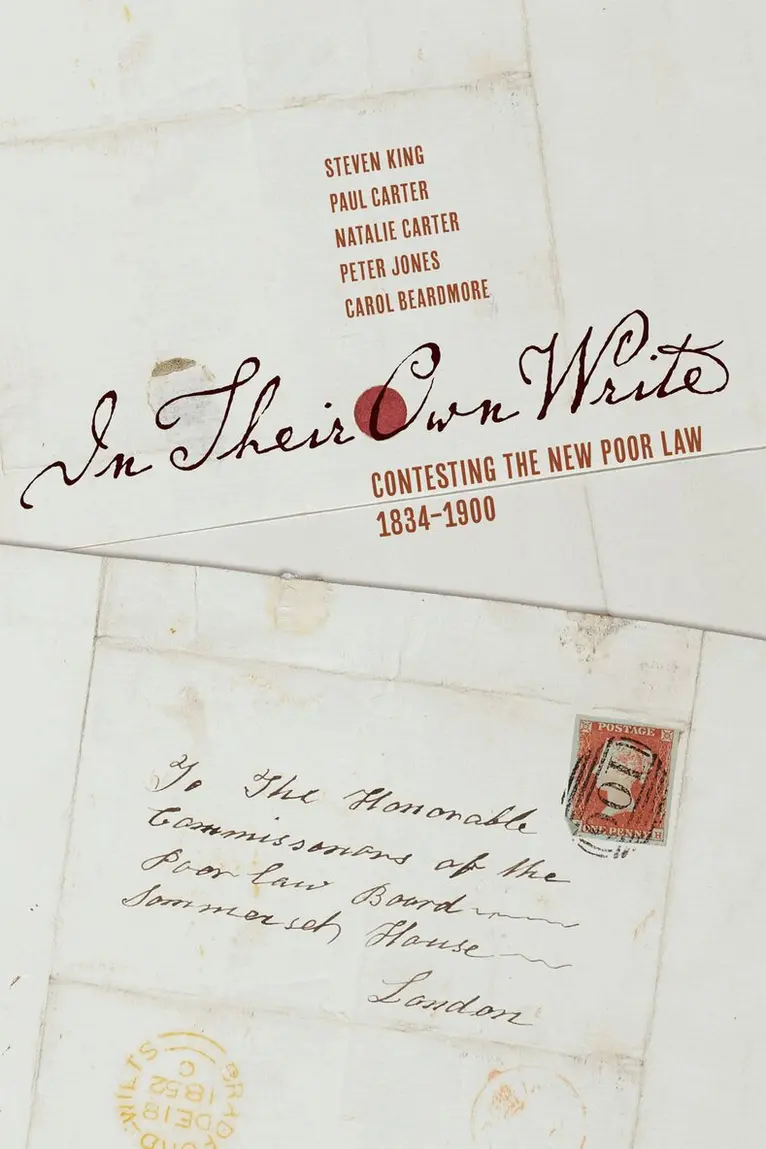
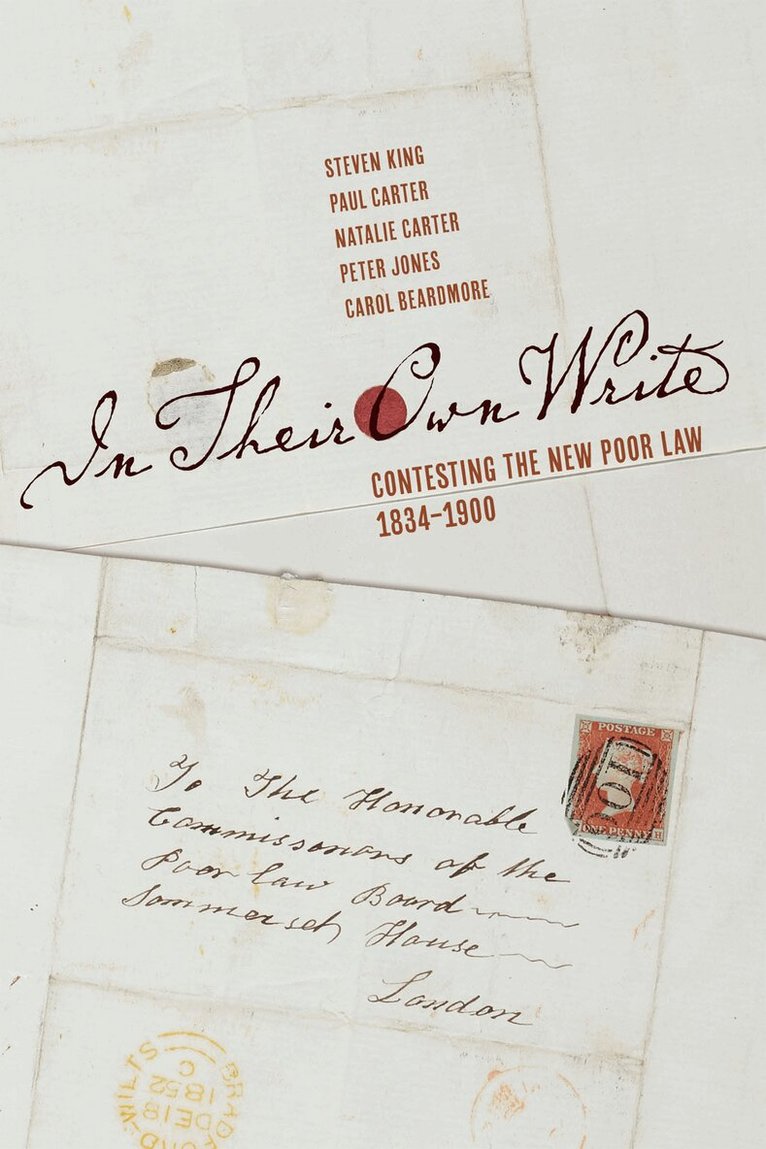
Few subjects in European welfare history attract as much attention as the nineteenth-century English and Welsh New Poor Law. Its founding statute was considered the single most important piece of social legislation ever enacted, and at the same time, the coming of its institutions – from penny-pinching Boards of Guardians to the dreaded workhouse – has generally been viewed as a catastrophe for ordinary working people. Until now it has been impossible to know how the poor themselves felt about the New Poor Law and its measures, how they negotiated its terms, and how their interactions with the local and national state shifted and changed across the nineteenth century. In Their Own Write exposes this hidden history. Based on an unparalleled collection of first-hand testimony – pauper letters and witness statements interwoven with letters to newspapers and correspondence from poor law officials and advocates – the book reveals lives marked by hardship, deprivation, bureaucratic intransigence, parsimonious officialdom, and sometimes institutional cruelty, while also challenging the dominant view that the poor were powerless and lacked agency in these interactions. The testimonies collected in these pages clearly demonstrate that both the poor and their advocates were adept at navigating the new bureaucracy, holding local and national officials to account, and influencing the outcomes of relief negotiations for themselves and their communities. Fascinating and compelling, the stories presented in In Their Own Write amount to nothing less than a new history of welfare from below.
489 kr
Läs direkt efter köp
Few subjects in European welfare history attract as much attention as the nineteenth-century English and Welsh New Poor Law. Its founding statute was considered the single most important piece of social legislation ever enacted, and at the same time, the coming of its institutions – from penny-pinching Boards of Guardians to the dreaded workhouse – has generally been viewed as a catastrophe for ordinary working people. Until now it has been impossible to know how the poor themselves felt about the New Poor Law and its measures, how they negotiated its terms, and how their interactions with the local and national state shifted and changed across the nineteenth century. In Their Own Write exposes this hidden history. Based on an unparalleled collection of first-hand testimony – pauper letters and witness statements interwoven with letters to newspapers and correspondence from poor law officials and advocates – the book reveals lives marked by hardship, deprivation, bureaucratic intransigence, parsimonious officialdom, and sometimes institutional cruelty, while also challenging the dominant view that the poor were powerless and lacked agency in these interactions. The testimonies collected in these pages clearly demonstrate that both the poor and their advocates were adept at navigating the new bureaucracy, holding local and national officials to account, and influencing the outcomes of relief negotiations for themselves and their communities. Fascinating and compelling, the stories presented in In Their Own Write amount to nothing less than a new history of welfare from below.
695 kr
Skickas inom 10-15 vardagar
2 748 kr
Skickas inom 10-15 vardagar
302 kr
Skickas inom 7-10 vardagar
743 kr
Skickas inom 7-10 vardagar
311 kr
Skickas inom 7-10 vardagar
375 kr
Skickas inom 10-15 vardagar
142 kr
Skickas
814 kr
Läs direkt efter köp
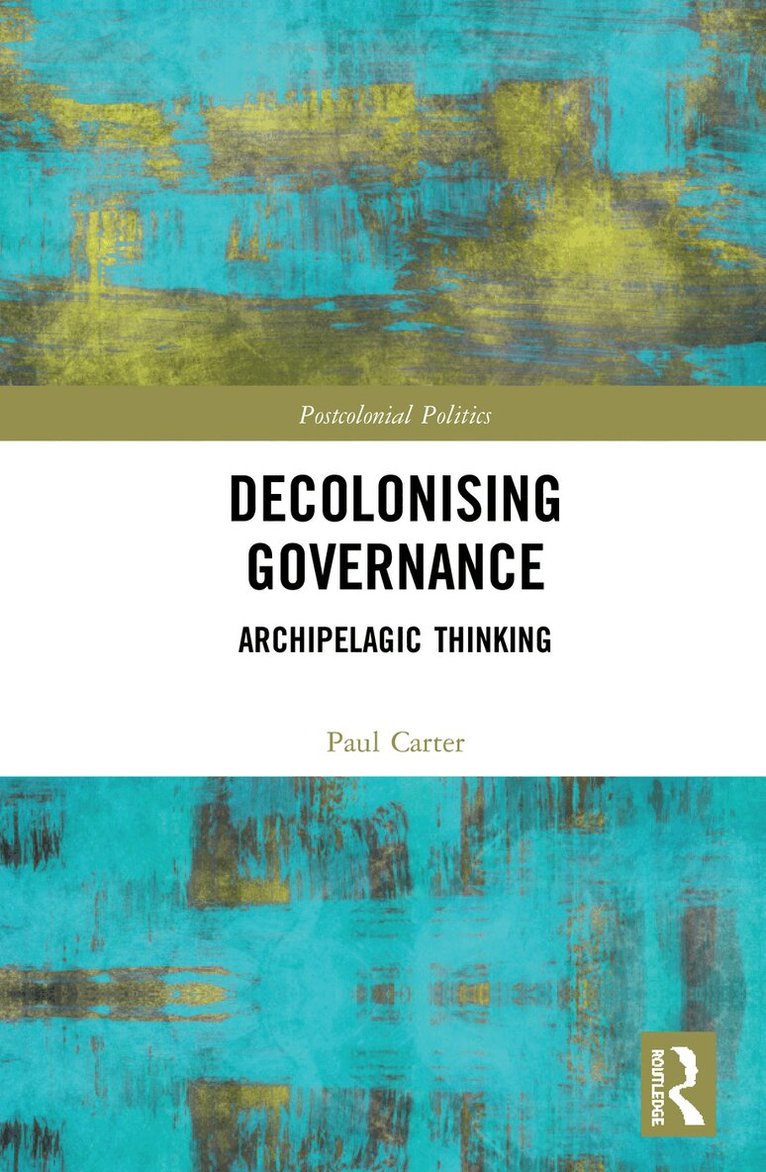
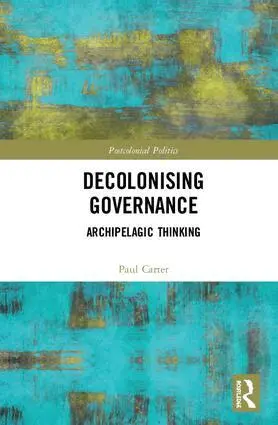
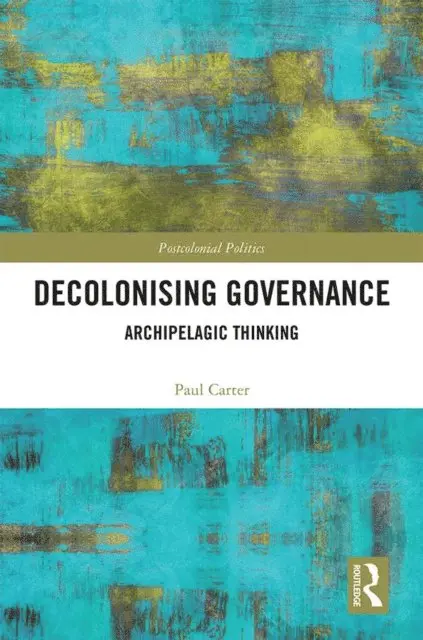
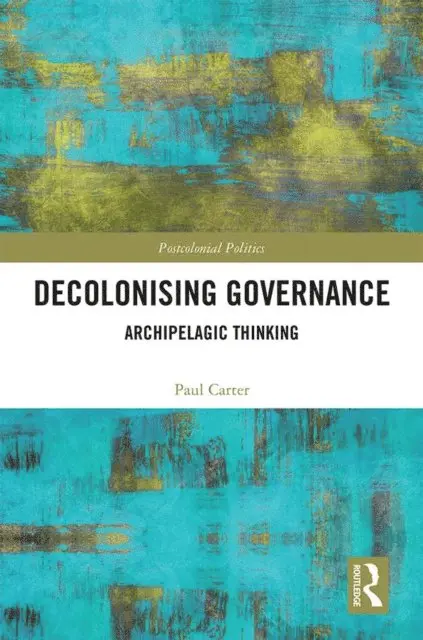
Power may be globalized, but Westphalian notions of sovereignty continue to determine political and legal arrangements domestically and internationally: global issues - the legacy of colonialism expressed in continuing human displacement and environmental destruction - are thus treated ‘parochially’ and ineffectually. Not designed for dealing with situations of interdependence, democratic institutions find themselves in crisis. Reform in this case is not simply operational but conceptual: political relationships need to be drawn differently; the cultural illiteracy that prevents the local knowledge invested in places made after their stories needs to be recognised as a major obstacle to decolonising governance.
Archipelagic thinking refers to neglected dimensions of the earth’s human geography but also to a geo-politics of relationality, where governance is understood performatively as the continuous establishment of exchange rates. Insisting on the poetic literacy that must inform a decolonising politics, Carter suggests a way out of the incommensurability impasse that dogs assertions of indigenous sovereignty. Discussing bicultural areal management strategies located in south-west Victoria, Maluco (Indonesia) and inter-regionally across the Arafura and Timor Seas, Carter argues for the existence of creative regions constituted archipelagically that can intervene to rewrite the theory and practice of decolonisation.
A book of great stylistic elegance and deftness of analysis, Decolonising Governance is an important intervention in the related fields of ecological, ecocritical and environmental humanities. Methodologically innovative in its foregrounding of relationality as the nexus between poetics and politics, it will also be of great interest to scholars in a range of areas, including communicational praxis, land/sea biodiversity design, bicultural resource management, and the constitution of post-Westphalian regional jurisdictions.
314 kr
Skickas inom 3-6 vardagar
314 kr
Skickas inom 7-10 vardagar
70 kr
Läs direkt efter köp
183 kr
Skickas inom 7-10 vardagar
251 kr
Skickas inom 7-10 vardagar
69 kr
Läs direkt efter köp
1 239 kr
Skickas inom 10-15 vardagar
384 kr
Skickas inom 10-15 vardagar
418 kr
Läs direkt efter köp
418 kr
Läs direkt efter köp
1 224 kr
Skickas inom 7-10 vardagar
441 kr
Skickas inom 7-10 vardagar
281 kr
Skickas inom 3-6 vardagar
178 kr
Skickas inom 3-6 vardagar
356 kr
Skickas inom 3-6 vardagar
113 kr
Läs direkt efter köp