In Her Wake is a rare thing: the story of a psychiatrist analyzing her own psychological drama. Nancy Rappaport was just four years old when her mother- a prominent Boston activist and socialite- committed suicide. Decades later, Rappaport, a child psychiatrist with three children of her own, pieced together a complex mosaic of her "mama." In Her Wake sheds light on the nature of hurting and healing, and is a potent reminder that love outlasts death.
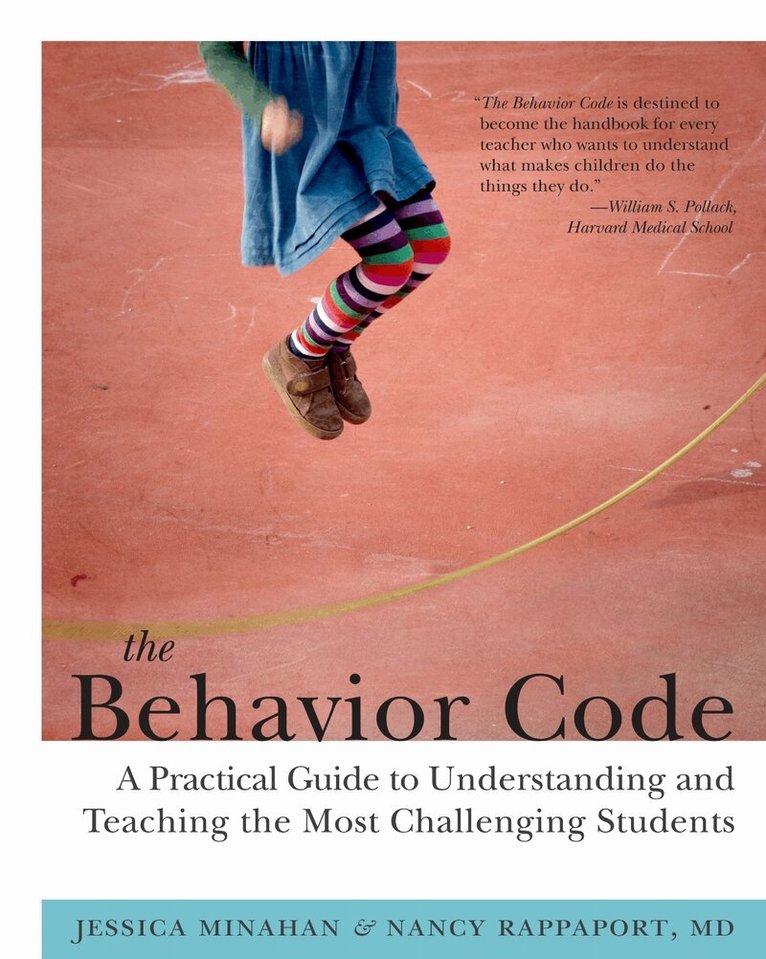
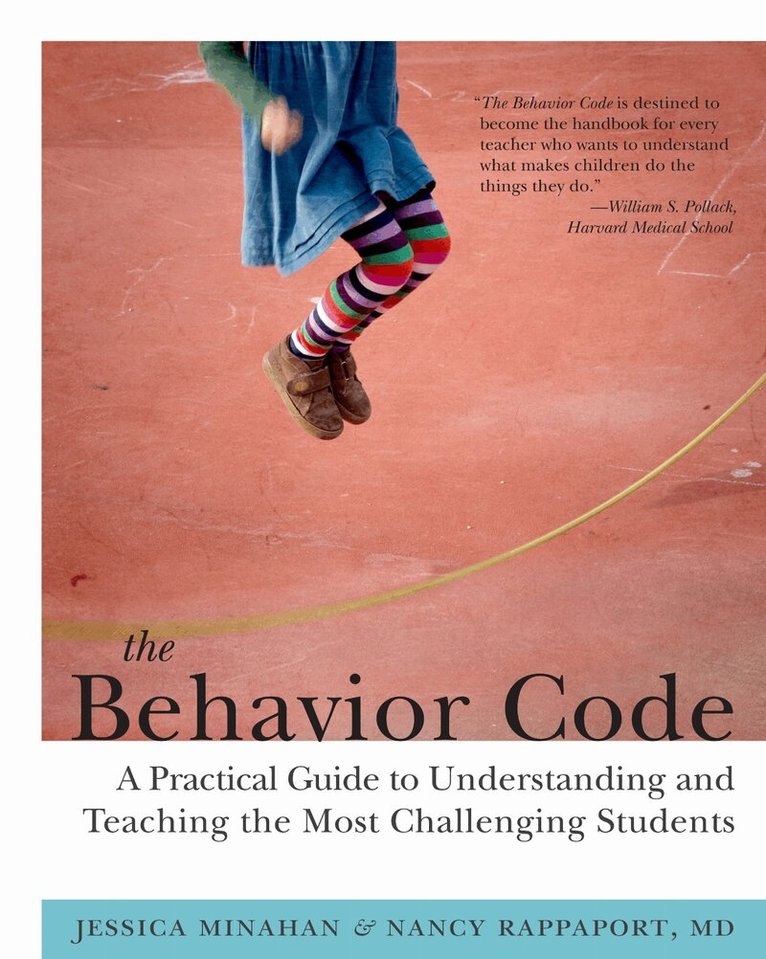
Based on a collaboration dating back nearly a decade, the authors—a behavioural analyst and a child psychiatrist—reveal their systematic approach for deciphering causes and patterns of difficult behaviours and how to match them with proven strategies for getting students back on track to learn. The Behavior Code includes user-friendly worksheets and other helpful resources.
The Behavior Code unlocks a wealth of proven practices to help teachers, counselors, and parents identify the messages underlying challenging student behaviors and respond in supportive ways.The authors—a behavioral analyst with expertise in special education and a child psychiatrist—guide readers through their FAIR Behavior Intervention Plan, a systematic approach to decoding the causes and patterns of difficult behaviors and developing effective measures to address them in schools. They demonstrate how the FAIR Plan can bring about positive change, even with students who exhibit anxious, withdrawn, oppositional, or inappropriately sexualized behaviors.Drawing on developments in cognitive science and educational psychology, the authors begin with a simple premise: all behavior is communication. Crucially, the first step of their FAIR plan is to discover the function (F) of a student's behavior. They encourage the use of nonjudgmental curiosity aided by standard data collection methods such as antecedent, behavior, and consequence (ABC) studies. The authors then give readers the tools to look beyond behaviors to implement targeted accommodations (A), interaction strategies (I), and appropriate response strategies (R). As they guide readers through their framework, they offer ample case studies, accessible worksheets, and focused thought exercises that allow readers to fully understand and implement suggested strategies.This thoughtful and empathetic approach can shift the balance from reactive to proactive classroom management, fostering meaningful teacher-student relationships and reducing the need for school discipline. Taken together, FAIR practices equip educators to support students in building the skills they need to access their higher-order brain functions more consistently and maintain a ready-to-learn mindset.