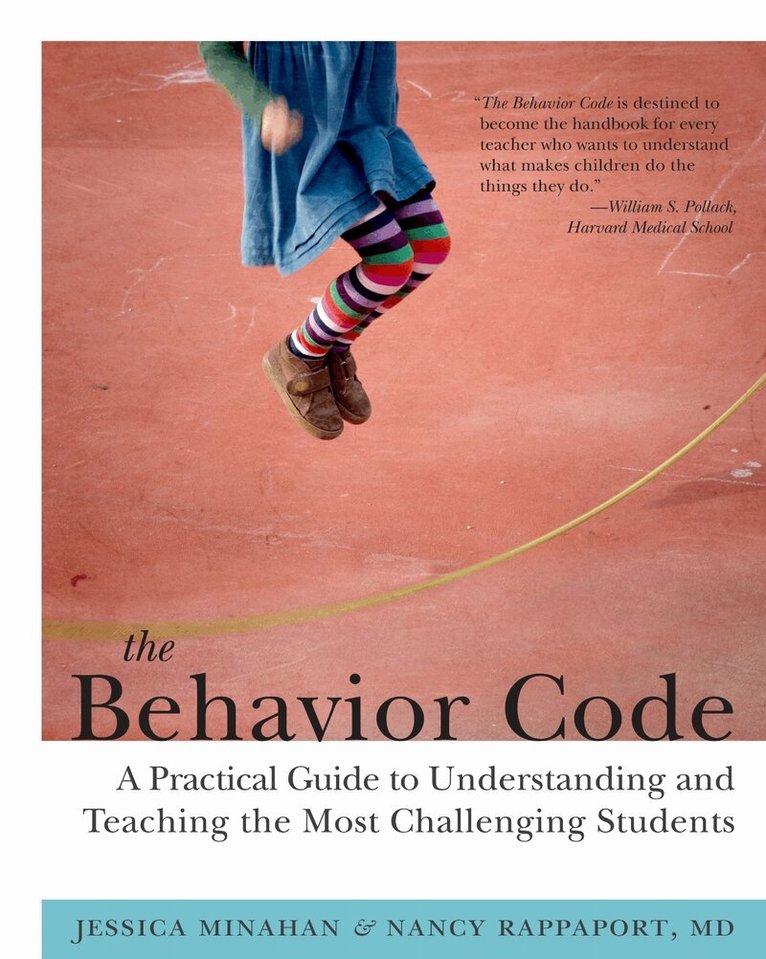
Based on a collaboration dating back nearly a decade, the authors—a behavioural analyst and a child psychiatrist—reveal their systematic approach for deciphering causes and patterns of difficult behaviours and how to match them with proven strategies for getting students back on track to learn. The Behavior Code includes user-friendly worksheets and other helpful resources.
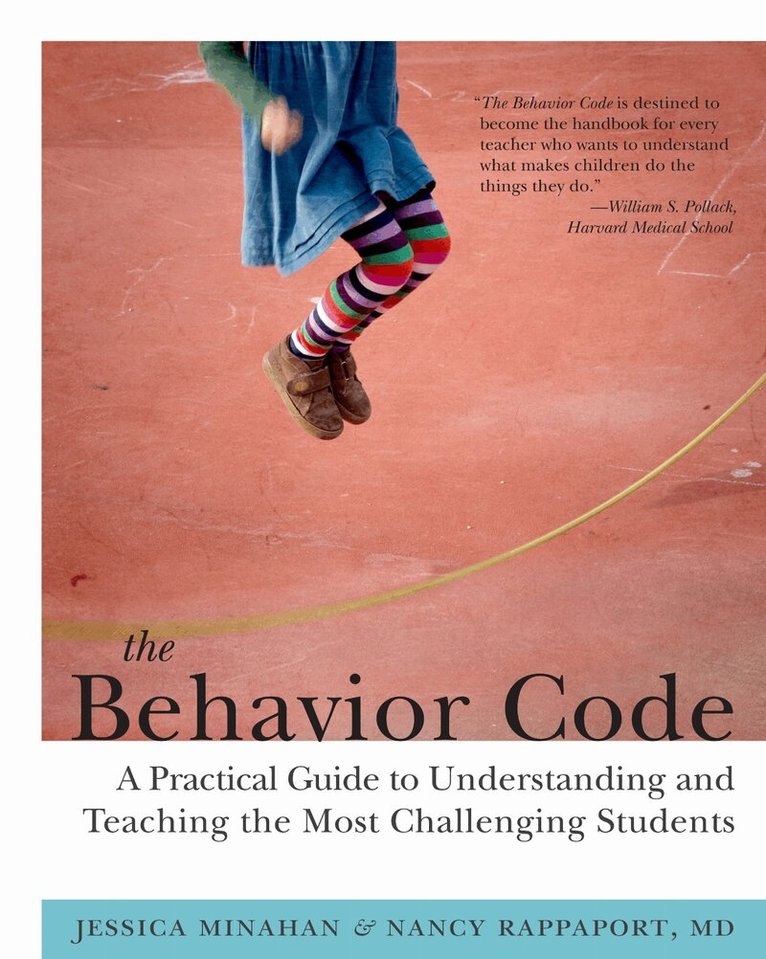
The Behavior Code unlocks a wealth of proven practices to help teachers, counselors, and parents identify the messages underlying challenging student behaviors and respond in supportive ways.The authors—a behavioral analyst with expertise in special education and a child psychiatrist—guide readers through their FAIR Behavior Intervention Plan, a systematic approach to decoding the causes and patterns of difficult behaviors and developing effective measures to address them in schools. They demonstrate how the FAIR Plan can bring about positive change, even with students who exhibit anxious, withdrawn, oppositional, or inappropriately sexualized behaviors.Drawing on developments in cognitive science and educational psychology, the authors begin with a simple premise: all behavior is communication. Crucially, the first step of their FAIR plan is to discover the function (F) of a student's behavior. They encourage the use of nonjudgmental curiosity aided by standard data collection methods such as antecedent, behavior, and consequence (ABC) studies. The authors then give readers the tools to look beyond behaviors to implement targeted accommodations (A), interaction strategies (I), and appropriate response strategies (R). As they guide readers through their framework, they offer ample case studies, accessible worksheets, and focused thought exercises that allow readers to fully understand and implement suggested strategies.This thoughtful and empathetic approach can shift the balance from reactive to proactive classroom management, fostering meaningful teacher-student relationships and reducing the need for school discipline. Taken together, FAIR practices equip educators to support students in building the skills they need to access their higher-order brain functions more consistently and maintain a ready-to-learn mindset.
Since its publication in 2012, The Behavior Code: A Practical Guide to Understanding and Teaching the Most Challenging Students has helped countless classroom teachers, special educators, and others implement an effective, new approach to teaching focused on skill-building, practical interventions, and purposeful, positive interactions with students who have mental health disorders.Based on the success of the previous book, author Jessica Minahan has written this companion guide for educatorsseeking additional guidance for creating and implementing successful behavior intervention plans (“FAIR Plans”) for the students teachers worry about the most: those with anxiety-related or oppositional behaviors.Minahan takes readers step-by-step through the process of understanding and practicing the components of a FAIR behavior intervention plan so that they or a team can immediately customize it and put it to work in classrooms. Additional tips on creating interventions, as well as checklists to help with implementation and monitoring progress, are also included.Packed with brainstorming and reflection exercises, planning activities, templates, case studies, recommended apps, and other technology resources, The Behavior Code Companion will help educators create optimal classroom environments for all students.
The Behavior Code Companion delivers a helpful inventory of concrete and practical resources for the development and implementation of successful behavior intervention plans for students. Special educator and behavioral analyst Jessica Minahan, coauthor of The Behavior Code, delivers a companion guide for educators and parents who want to better support students with challenging behaviors. Used by countless educators, the FAIR Behavior Intervention Plan has been proven to improve proactive classroom management, encourage positive teacher-student relationships, and reduce the need for school discipline. In this book, Minahan offers a wealth of supplemental materials for each stage of the FAIR Behavior Intervention Plan—which involves determining the function (F) of the behavior, offering appropriate accommodations (A), implementing proactive intervention strategies (I), and practicing positive response strategies (R). Among other invaluable supports, she provides clear and direct exercises for brainstorming and reflection, a series of checklists to help with implementation and monitoring progress, and planning activities and templates that can be customized and put to use immediately. The author also recommends apps and other technology that can assist and simplify plan implementation. Throughout the book, Minahan offers illustrative case studies, with a special focus on students with mental health diagnoses and those with anxiety-related or oppositional behaviors. Filled with actionable advice, this highly useful resource gives educators and parents the tools to meet challenging behaviors with both confidence and compassion. This volume will help educators create optimal learning environments for all students.
The Behavior Code Companion delivers a helpful inventory of concrete and practical resources for the development and implementation of successful behavior intervention plans for students.Special educator and behavioral analyst Jessica Minahan, coauthor of The Behavior Code, delivers a companion guide for educators and parents who want to better support students with challenging behaviors. Used by countless educators, the FAIR Behavior Intervention Plan has been proven to improve proactive classroom management, encourage positive teacher-student relationships, and reduce the need for school discipline.In this book, Minahan offers a wealth of supplemental materials for each stage of the FAIR Behavior Intervention Plan—which involves determining the function (F) of the behavior, offering appropriate accommodations (A), implementing proactive intervention strategies (I), and practicing positive response strategies (R). Among other invaluable supports, she provides clear and direct exercises for brainstorming and reflection, a series of checklists to help with implementation and monitoring progress, and planning activities and templates that can be customized and put to use immediately. The author also recommends apps and other technology that can assist and simplify plan implementation.Throughout the book, Minahan offers illustrative case studies, with a special focus on students with mental health diagnoses and those with anxiety-related or oppositional behaviors.Filled with actionable advice, this highly useful resource gives educators and parents the tools to meet challenging behaviors with both confidence and compassion. This volume will help educators create optimal learning environments for all students.