914 kr
Skickas inom 3-6 vardagar
914 kr
Skickas inom 3-6 vardagar
696 kr
Läs direkt efter köp
434 kr
Läs direkt efter köp
417 kr
Läs direkt efter köp
554 kr
Läs direkt efter köp
550 kr
Läs direkt efter köp
420 kr
Läs direkt efter köp
510 kr
Läs direkt efter köp
696 kr
Läs direkt efter köp
488 kr
Läs direkt efter köp
1 794 kr
Läs direkt efter köp
1 794 kr
Läs direkt efter köp
690 kr
Skickas inom 10-15 vardagar
720 kr
Skickas inom 10-15 vardagar
1 828 kr
Skickas inom 3-6 vardagar
1 976 kr
Skickas inom 5-8 vardagar
1 052 kr
Skickas inom 10-15 vardagar
877 kr
Skickas inom 7-10 vardagar
2 517 kr
Skickas inom 7-10 vardagar
1 318 kr
Skickas inom 3-6 vardagar
754 kr
Skickas inom 7-10 vardagar
2 753 kr
Skickas inom 7-10 vardagar
1 238 kr
Skickas inom 3-6 vardagar
2 993 kr
Skickas inom 3-6 vardagar
353 kr
Skickas inom 7-10 vardagar
719 kr
Skickas inom 7-10 vardagar
698 kr
Skickas inom 7-10 vardagar
764 kr
Skickas inom 7-10 vardagar
439 kr
Skickas inom 7-10 vardagar
861 kr
Läs direkt efter köp
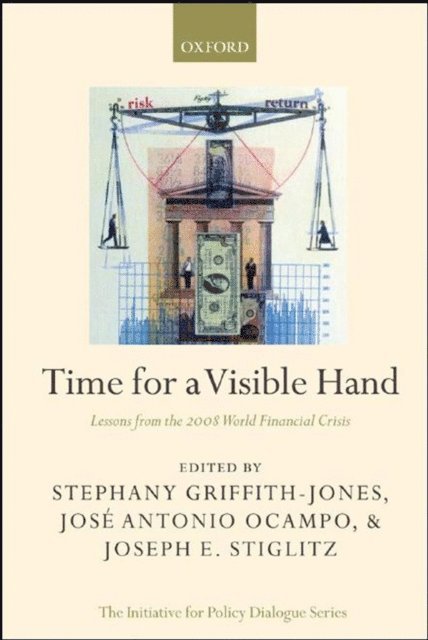
Leading governments undertook extraordinary measures to offset the 2008 economic crisis, shoring up financial institutions, stimulating demand to reverse recession, and rebalancing budgets to alleviate sovereign debt. While productive in and of themselves, these solutions were effective because they were coordinated internationally and were matched with sweeping global financial reforms. Unfortunately, coordination has weakened after these initial steps, indicating one of the crisis''s adverse effects will be a significant reduction in development cooperation.Urging advanced nations to improve their support for development, the contributors to this volume revisit the causes of the 2008 collapse and the ongoing effects of recession on global and developing economies. They reevaluate the international response to crisis and suggest more effective approaches to development cooperation. Experts on international aid join together to redesign the cooperation system and its governance, so it can accept new actors and better achieve the Millennial Development Goals of 2015 within the context of severe global crisis. In their introduction, José Antonio Alonso and José Antonio Ocampo summarize different chapters and the implications of their analyses, concluding with a frank assessment of global economic imbalance and the ability of increased cooperation to rectify these inequalities.