340 kr
Läs direkt efter köp
340 kr
Läs direkt efter köp
332 kr
Läs direkt efter köp
434 kr
Läs direkt efter köp
488 kr
Läs direkt efter köp
55 kr
Läs direkt efter köp
55 kr
Läs direkt efter köp
471 kr
Skickas inom 7-10 vardagar
1 896 kr
Skickas inom 5-8 vardagar
621 kr
Skickas inom 5-8 vardagar
351 kr
Skickas inom 5-8 vardagar
2 920 kr
Skickas inom 7-10 vardagar
962 kr
Skickas inom 7-10 vardagar
877 kr
Skickas inom 7-10 vardagar
921 kr
Skickas inom 7-10 vardagar
776 kr
Skickas inom 10-15 vardagar
2 601 kr
Skickas inom 10-15 vardagar
653 kr
Skickas inom 7-10 vardagar
626 kr
Skickas inom 10-15 vardagar
716 kr
Läs direkt efter köp
716 kr
Läs direkt efter köp
2 564 kr
Skickas inom 10-15 vardagar
743 kr
Skickas inom 10-15 vardagar
874 kr
Läs direkt efter köp
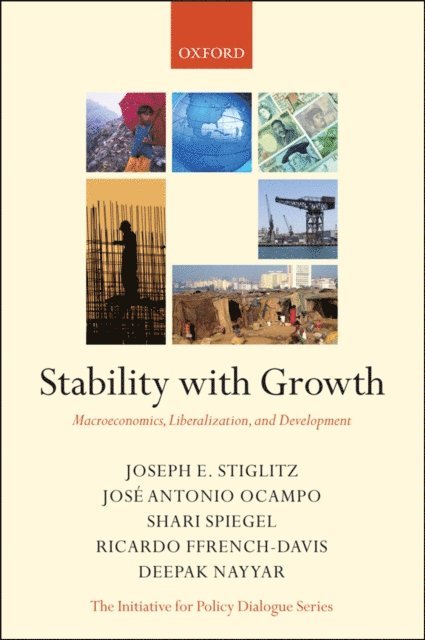
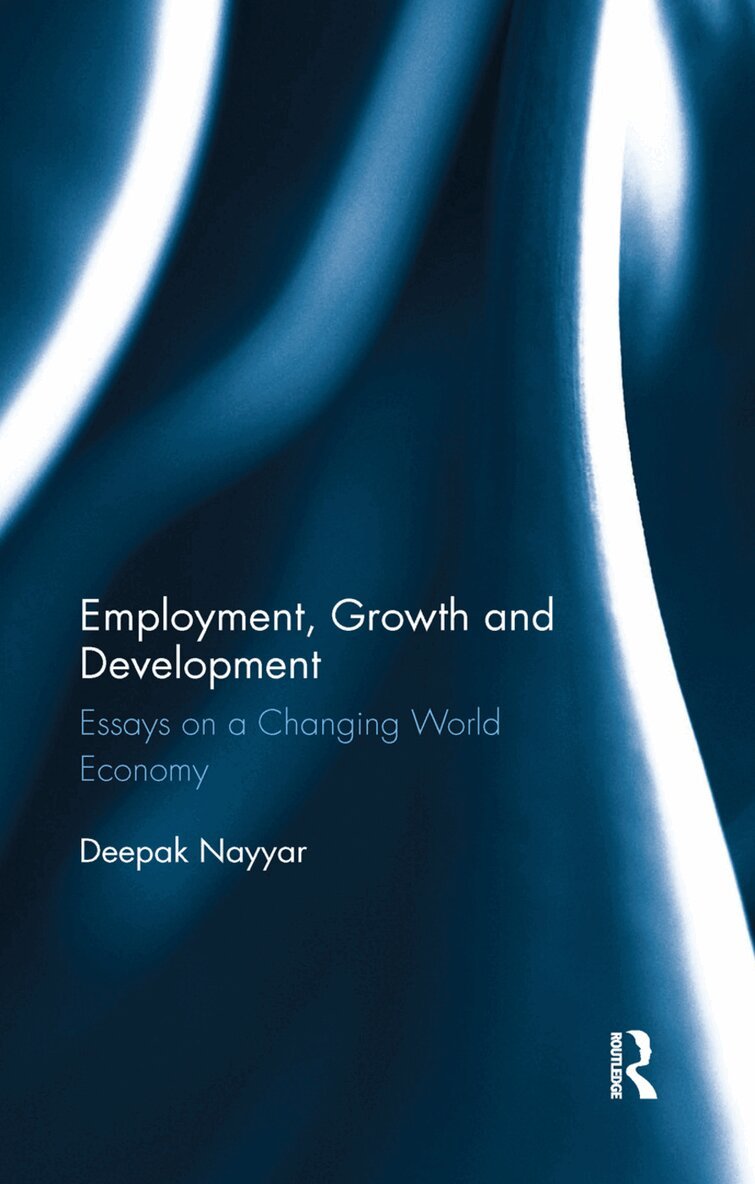
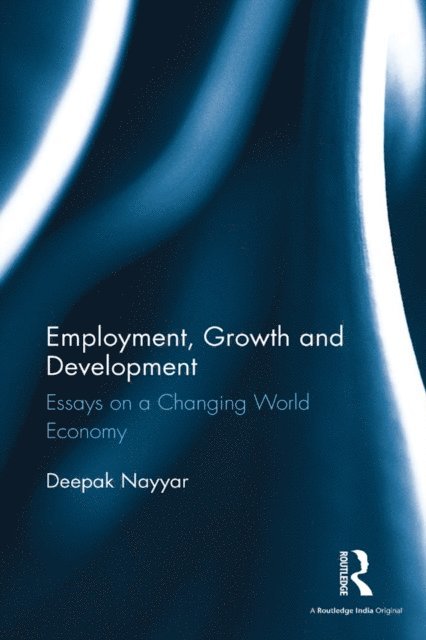
In the conventional discourse on macroeconomics, the subject of human development is at best marginal and at worst irrelevant. In the unconventional discourse on human development, macroeconomics or its constraints are seldom recognised, even if its consequences are often highlighted. There are, however, intersections and interconnections, which provide the rationale for this book that seeks to map some broad contours of an unexplored, yet important, domain. Macroeconomics is important for human development because it determines levels of employment, the degree of social protection and the public provision of services such as healthcare or education. Human development has implications and consequences for macroeconomics, for it can mobilize or claim resources to enlarge or diminish space for macroeconomic policies. The relationship exists, and matters, not only in poor countries but also in wealthy ones.
Employment, even if neglected, provides the critical link. This book shows that causation runs in both directions and can be either positive or negative. It reveals similarities and differences between developing countries and industrialised countries. The political context is significant everywhere as interests, ideology and institutions influence economic policies in both spheres to shape outcomes.
This book was originally published as a special issue of the Journal of Human Development and Capabilities.
855 kr
Läs direkt efter köp
In the conventional discourse on macroeconomics, the subject of human development is at best marginal and at worst irrelevant. In the unconventional discourse on human development, macroeconomics or its constraints are seldom recognised, even if its consequences are often highlighted. There are, however, intersections and interconnections, which provide the rationale for this book that seeks to map some broad contours of an unexplored, yet important, domain. Macroeconomics is important for human development because it determines levels of employment, the degree of social protection and the public provision of services such as healthcare or education. Human development has implications and consequences for macroeconomics, for it can mobilize or claim resources to enlarge or diminish space for macroeconomic policies. The relationship exists, and matters, not only in poor countries but also in wealthy ones.
Employment, even if neglected, provides the critical link. This book shows that causation runs in both directions and can be either positive or negative. It reveals similarities and differences between developing countries and industrialised countries. The political context is significant everywhere as interests, ideology and institutions influence economic policies in both spheres to shape outcomes.
This book was originally published as a special issue of the Journal of Human Development and Capabilities.
268 kr
Läs direkt efter köp
228 kr
Skickas inom 10-15 vardagar
910 kr
Läs direkt efter köp
910 kr
Läs direkt efter köp