930 kr
Skickas inom 10-15 vardagar
930 kr
Skickas inom 10-15 vardagar
2 526 kr
Skickas inom 10-15 vardagar
2 760 kr
Skickas inom 10-15 vardagar
871 kr
Skickas inom 10-15 vardagar
2 110 kr
Skickas inom 11-20 vardagar
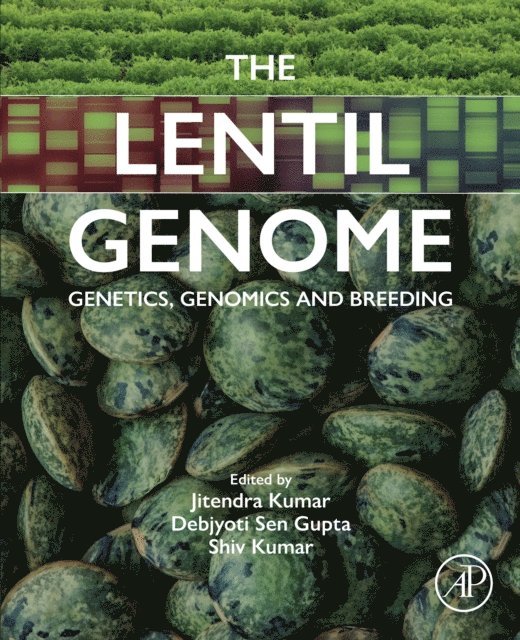
The Lentil Genome: Genetics, Genomics and Breeding is a comprehensive volume on this important legume, from its economic importance to the latest in sequencing. The book includes botanical descriptions, discussion of lentil genetics, cytogenetics and breeding, molecular mapping genes and QTLs, as well as structural and functional genomics, genome sequencing, assembly, repetitive genome, gene annotation and synteny. Lentil [Lens culinaris ssp. culinaris Medikus] is among the earliest domesticates from the Near-East Fertile Crescent and plays a vital role in nutritional wellbeing and livelihood for the small-scale farmers in the dryland agricultural ecosystems of South Asia, Sub-Saharan Africa, West Asia, and North Africa. The classical plant breeding approach of selection-recombination-selection has been used successfully for genetic improvement in lentil. However further genetic improvement for developing the high yielding cultivars is required knowledge of gene network underlying the complex traits. Realizing the importance of genomics enabled improvement in crop plants, the scientific community has recently placed major emphasis on whole genome sequencing in many major crops including lentil. This compilation of the latest lentil genome research serves the immediate needs of students, scientists and is needed to strengthen conventional crop improvement strategies of lentil.
Focuses on the latest tools and strategies for genome sequencingIncludes discussions of public and private genome sequencing and how the information is leading to advancementsHighlights the impact on germplasm characterization gene discovery and generic improvement in post genome eraPresents insights from leading experts from around the globe3 025 kr
Läs direkt efter köp
2 330 kr
Kommande
2 971 kr
Läs direkt efter köp
1 116 kr
Läs direkt efter köp
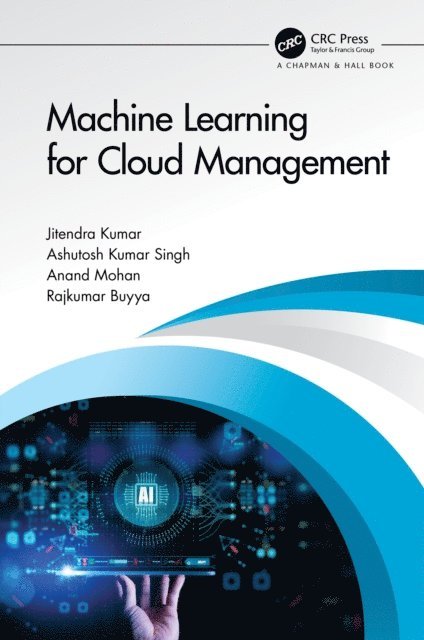
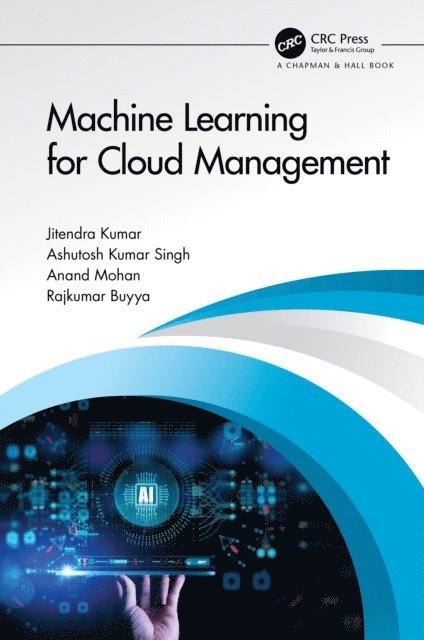
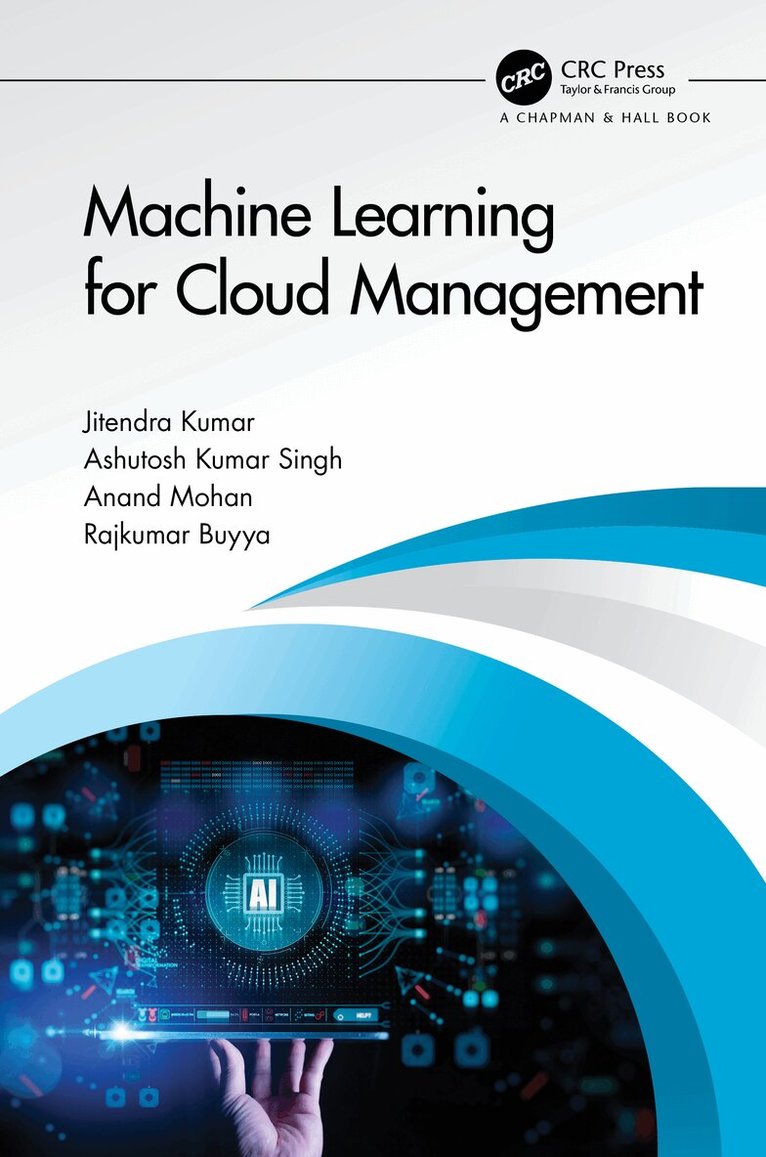
Cloud computing offers subscription-based on-demand services, and it has emerged as the backbone of the computing industry. It has enabled us to share resources among multiple users through virtualization, which creates a virtual instance of a computer system running in an abstracted hardware layer. Unlike early distributed computing models, it offers virtually limitless computing resources through its large scale cloud data centers. It has gained wide popularity over the past few years, with an ever-increasing infrastructure, a number of users, and the amount of hosted data. The large and complex workloads hosted on these data centers introduce many challenges, including resource utilization, power consumption, scalability, and operational cost. Therefore, an effective resource management scheme is essential to achieve operational efficiency with improved elasticity. Machine learning enabled solutions are the best fit to address these issues as they can analyze and learn from the data. Moreover, it brings automation to the solutions, which is an essential factor in dealing with large distributed systems in the cloud paradigm.
Machine Learning for Cloud Management explores cloud resource management through predictive modelling and virtual machine placement. The predictive approaches are developed using regression-based time series analysis and neural network models. The neural network-based models are primarily trained using evolutionary algorithms, and efficient virtual machine placement schemes are developed using multi-objective genetic algorithms.
Key Features:
The first book to set out a range of machine learning methods for efficient resource management in a large distributed network of clouds. Predictive analytics is an integral part of efficient cloud resource management, and this book gives a future research direction to researchers in this domain. It is written by leading international researchers.The book is ideal for researchers who are working in the domain of cloud computing.
1 116 kr
Läs direkt efter köp
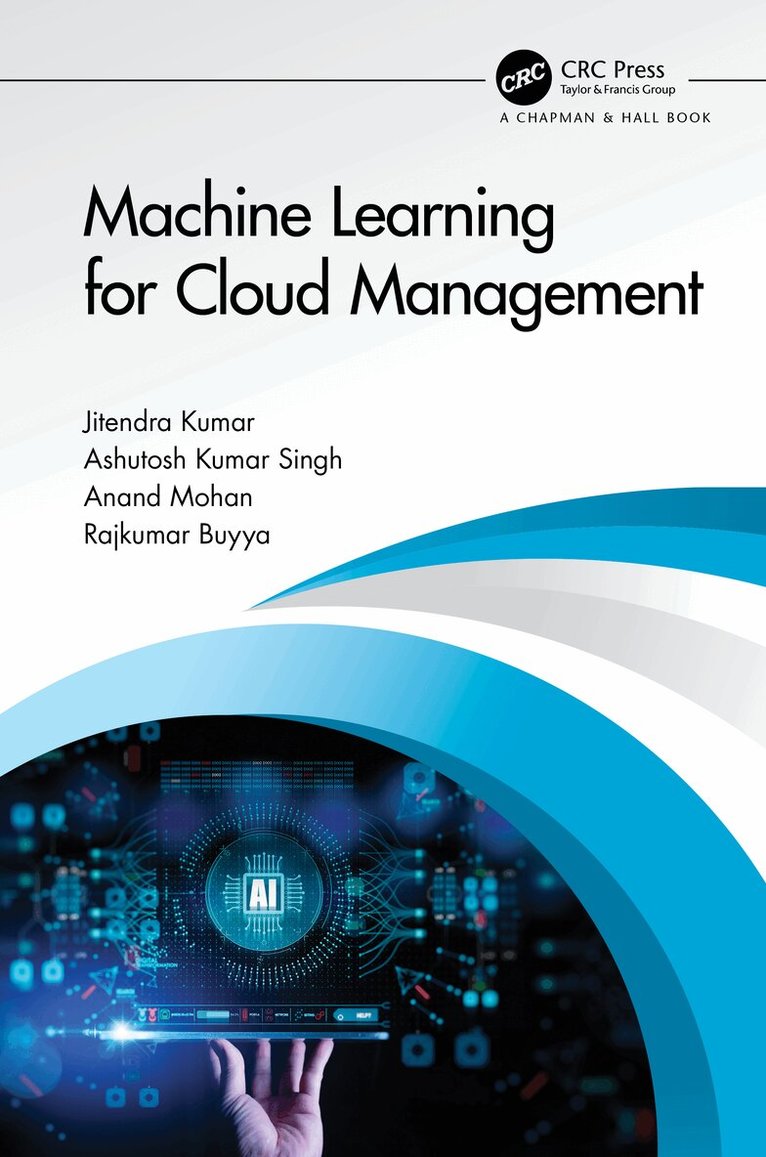
Cloud computing offers subscription-based on-demand services, and it has emerged as the backbone of the computing industry. It has enabled us to share resources among multiple users through virtualization, which creates a virtual instance of a computer system running in an abstracted hardware layer. Unlike early distributed computing models, it offers virtually limitless computing resources through its large scale cloud data centers. It has gained wide popularity over the past few years, with an ever-increasing infrastructure, a number of users, and the amount of hosted data. The large and complex workloads hosted on these data centers introduce many challenges, including resource utilization, power consumption, scalability, and operational cost. Therefore, an effective resource management scheme is essential to achieve operational efficiency with improved elasticity. Machine learning enabled solutions are the best fit to address these issues as they can analyze and learn from the data. Moreover, it brings automation to the solutions, which is an essential factor in dealing with large distributed systems in the cloud paradigm.
Machine Learning for Cloud Management explores cloud resource management through predictive modelling and virtual machine placement. The predictive approaches are developed using regression-based time series analysis and neural network models. The neural network-based models are primarily trained using evolutionary algorithms, and efficient virtual machine placement schemes are developed using multi-objective genetic algorithms.
Key Features:
The first book to set out a range of machine learning methods for efficient resource management in a large distributed network of clouds. Predictive analytics is an integral part of efficient cloud resource management, and this book gives a future research direction to researchers in this domain. It is written by leading international researchers.The book is ideal for researchers who are working in the domain of cloud computing.
1 015 kr
Läs direkt efter köp
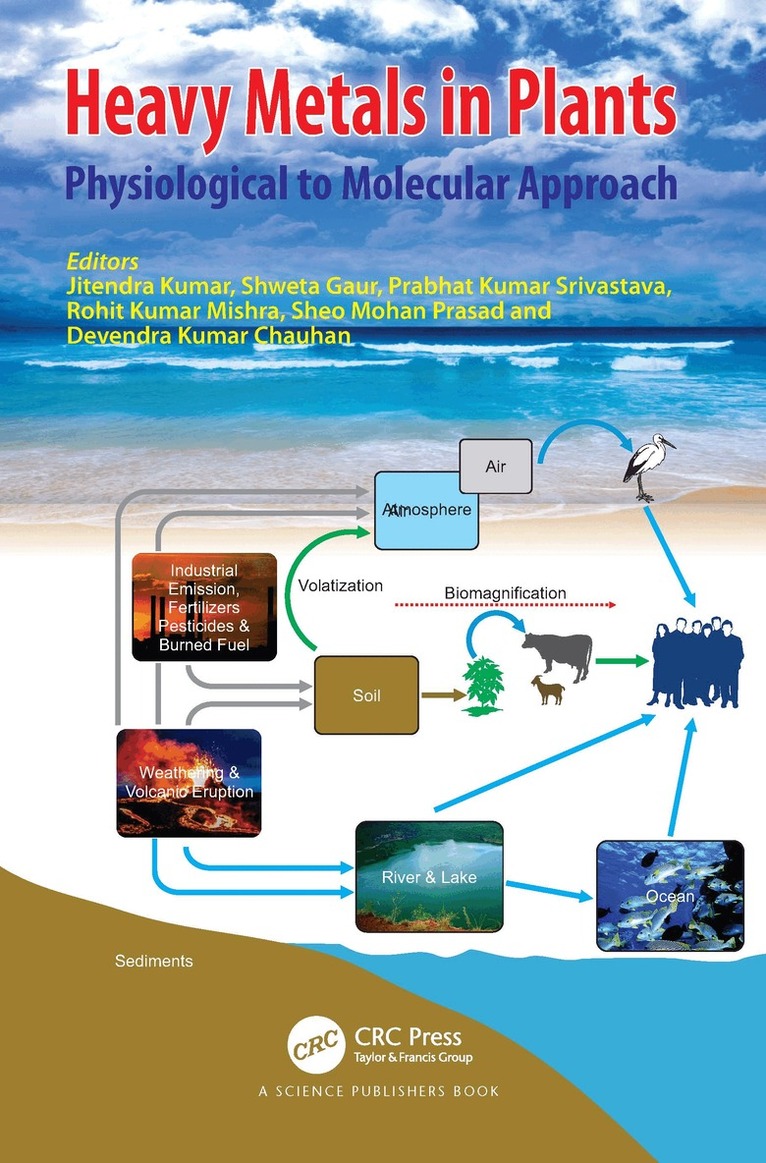
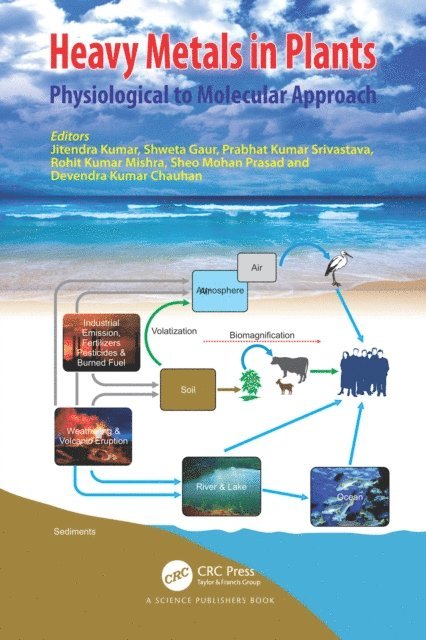
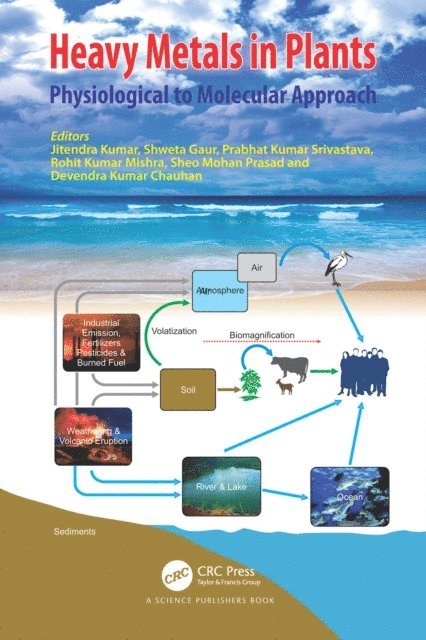
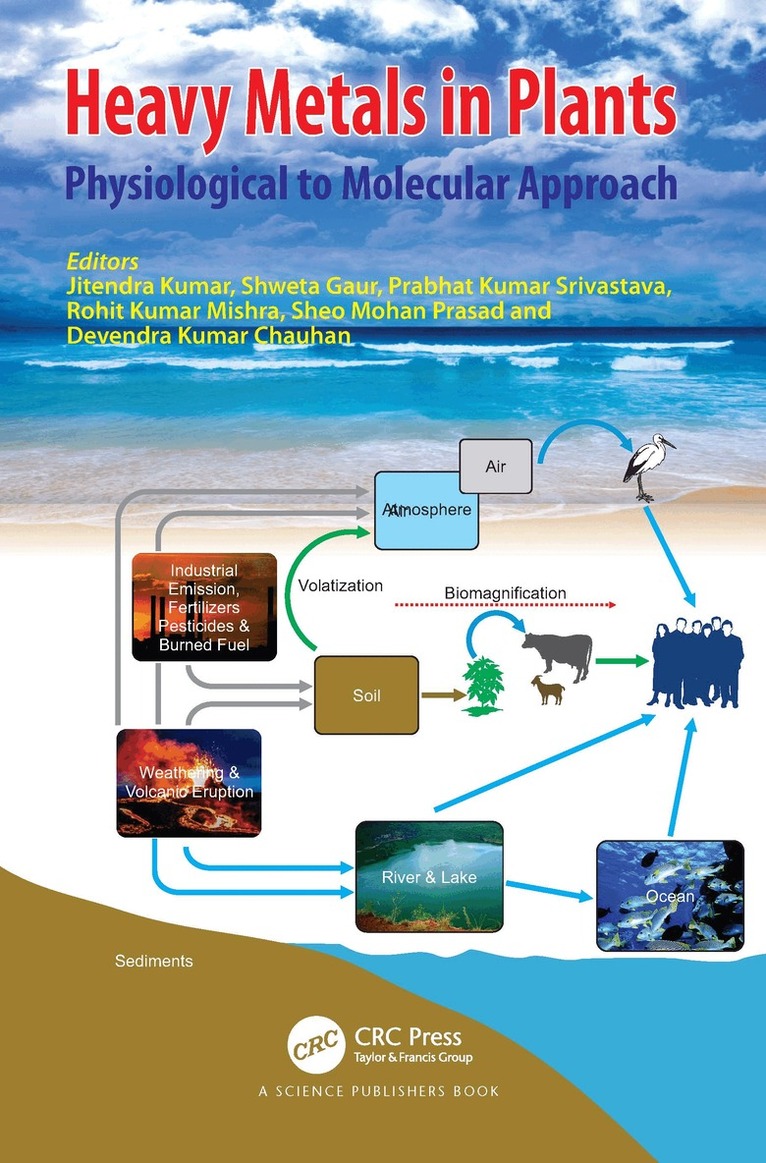
This book focuses on the menace of metal pollution and its impact on plants, particularly food grains, pulse and vegetable plants covering morphological, anatomical, physiological and biochemical aspects. It includes comparative studies among metal hyper-accumulators (metallophytes) and non-accumulators including exogenous hormonal alleviation in them due to metal stress. Low dose stimulation effects are also reviewed. The most significant feature of the book is its extensive coverage of genomics, metabolomics, ionomics, proteomics and transcriptomics in metal non-hyper-accumulators and hyper-accumulators. Being an edited volume, the book incorporates a variety of research perspectives, enhancing the existing knowledge about metal pollution and points to newer avenues to be researched.
1 022 kr
Läs direkt efter köp
This book focuses on the menace of metal pollution and its impact on plants, particularly food grains, pulse and vegetable plants covering morphological, anatomical, physiological and biochemical aspects. It includes comparative studies among metal hyper-accumulators (metallophytes) and non-accumulators including exogenous hormonal alleviation in them due to metal stress. Low dose stimulation effects are also reviewed. The most significant feature of the book is its extensive coverage of genomics, metabolomics, ionomics, proteomics and transcriptomics in metal non-hyper-accumulators and hyper-accumulators. Being an edited volume, the book incorporates a variety of research perspectives, enhancing the existing knowledge about metal pollution and points to newer avenues to be researched.
850 kr
Läs direkt efter köp
We live in a digital world, where we use digital tools and smart devices to communicate over the Internet. In turn, an enormous amount of data gets generated. The traditional computing architectures are inefficient in storing and managing this massive amount of data. Unfortunately, the data cannot be ignored as it helps businesses to make better decisions, solve problems, understand performance, improve processes, and understand customers. Therefore, we need modern systems capable of handling and managing data efficiently. In the past few decades, many distributed computing paradigms have emerged, and we have noticed a substantial growth in the applications based on such emerging paradigms. Some well-known emerging computing paradigms include cloud computing, fog computing, and edge computing, which have leveraged the increase in the volume of data being generated every second. However, the distributed computing paradigms face critical challenges, including network management and cyber security. We have witnessed the development of various networking models—IoT, SDN, and ICN—to support modern systems requirements. However, they are undergoing rapid changes and need special attention. The main issue faced by these paradigms is that traditional solutions cannot be directly applied to address the challenges. Therefore, there is a significant need to develop improved network management and cyber security solutions. To this end, this book highlights the challenges faced by emerging paradigms and presents the recent developments made to address the challenges. More specifically, it presents a detailed study on security issues in distributed computing environments and their possible solutions, followed by applications of medical IoT, deep learning, IoV, healthcare, etc.
856 kr
Läs direkt efter köp
We live in a digital world, where we use digital tools and smart devices to communicate over the Internet. In turn, an enormous amount of data gets generated. The traditional computing architectures are inefficient in storing and managing this massive amount of data. Unfortunately, the data cannot be ignored as it helps businesses to make better decisions, solve problems, understand performance, improve processes, and understand customers. Therefore, we need modern systems capable of handling and managing data efficiently. In the past few decades, many distributed computing paradigms have emerged, and we have noticed a substantial growth in the applications based on such emerging paradigms. Some well-known emerging computing paradigms include cloud computing, fog computing, and edge computing, which have leveraged the increase in the volume of data being generated every second. However, the distributed computing paradigms face critical challenges, including network management and cyber security. We have witnessed the development of various networking models—IoT, SDN, and ICN—to support modern systems requirements. However, they are undergoing rapid changes and need special attention. The main issue faced by these paradigms is that traditional solutions cannot be directly applied to address the challenges. Therefore, there is a significant need to develop improved network management and cyber security solutions. To this end, this book highlights the challenges faced by emerging paradigms and presents the recent developments made to address the challenges. More specifically, it presents a detailed study on security issues in distributed computing environments and their possible solutions, followed by applications of medical IoT, deep learning, IoV, healthcare, etc.
1 829 kr
Skickas inom 10-15 vardagar
728 kr
Skickas inom 10-15 vardagar
2 209 kr
Skickas inom 10-15 vardagar
837 kr
Skickas inom 10-15 vardagar
2 199 kr
Skickas inom 10-15 vardagar
1 030 kr
Läs direkt efter köp
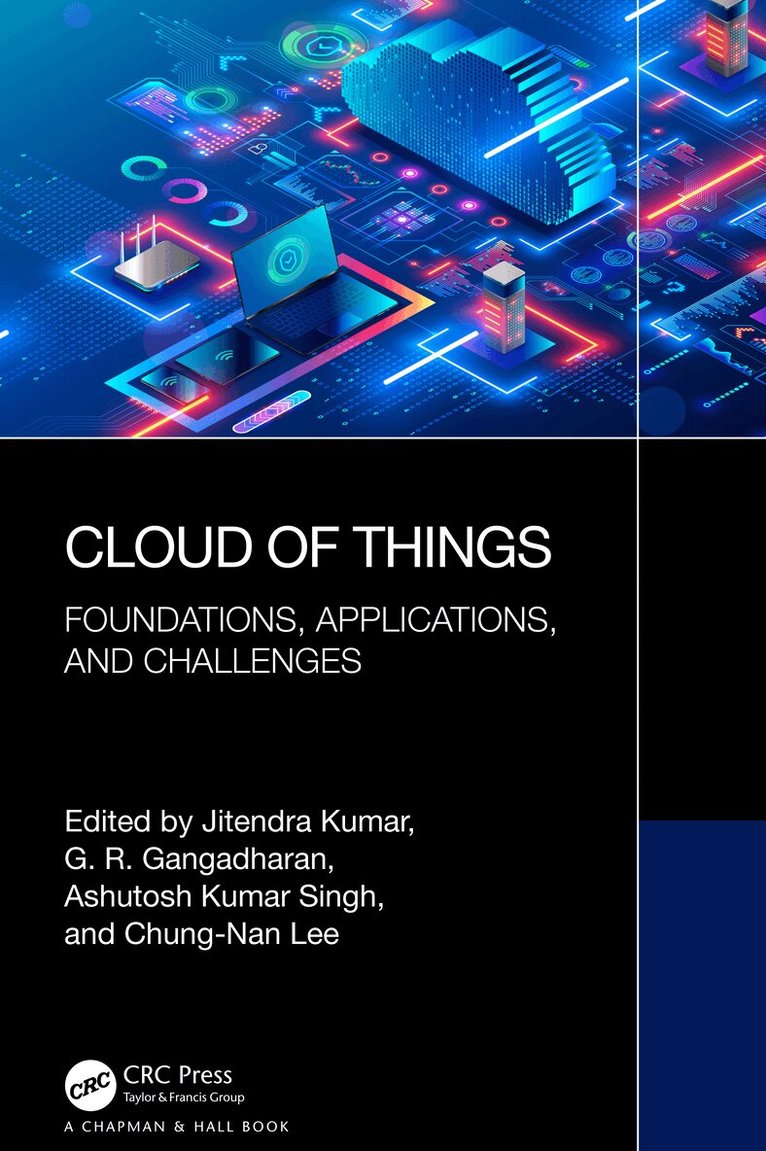
Cloud computing is the on-demand availability of computer system resources, especially data storage and computing power, without direct active management by the user. This book explores algorithms, protocols, and system design principles of key smart technologies including cloud computing and the internet of things.
• Discusses the system design principles in cloud computing along with artificial intelligence, machine learning, and data analytics applications
• Presents blockchain-based solutions, cyber-physical system applications, and deep learning approaches to solving practical problems
• Highlights important concepts including the cloud of things architecture, cloud service management and virtualization, and resource management techniques
• Covers advanced technologies including fog computing, edge computing, and distributed intelligence
• Explores cloud-enabling technology, broadband networks and internet architecture, internet service providers (ISPs), and connectionless packet switching.
The book is primarily written for graduate students, academic researchers, and professionals in the field of computer science and engineering, electrical engineering, and information technology.
1 045 kr
Läs direkt efter köp
Cloud computing is the on-demand availability of computer system resources, especially data storage and computing power, without direct active management by the user. This book explores algorithms, protocols, and system design principles of key smart technologies including cloud computing and the internet of things.
• Discusses the system design principles in cloud computing along with artificial intelligence, machine learning, and data analytics applications
• Presents blockchain-based solutions, cyber-physical system applications, and deep learning approaches to solving practical problems
• Highlights important concepts including the cloud of things architecture, cloud service management and virtualization, and resource management techniques
• Covers advanced technologies including fog computing, edge computing, and distributed intelligence
• Explores cloud-enabling technology, broadband networks and internet architecture, internet service providers (ISPs), and connectionless packet switching.
The book is primarily written for graduate students, academic researchers, and professionals in the field of computer science and engineering, electrical engineering, and information technology.
912 kr
Läs direkt efter köp
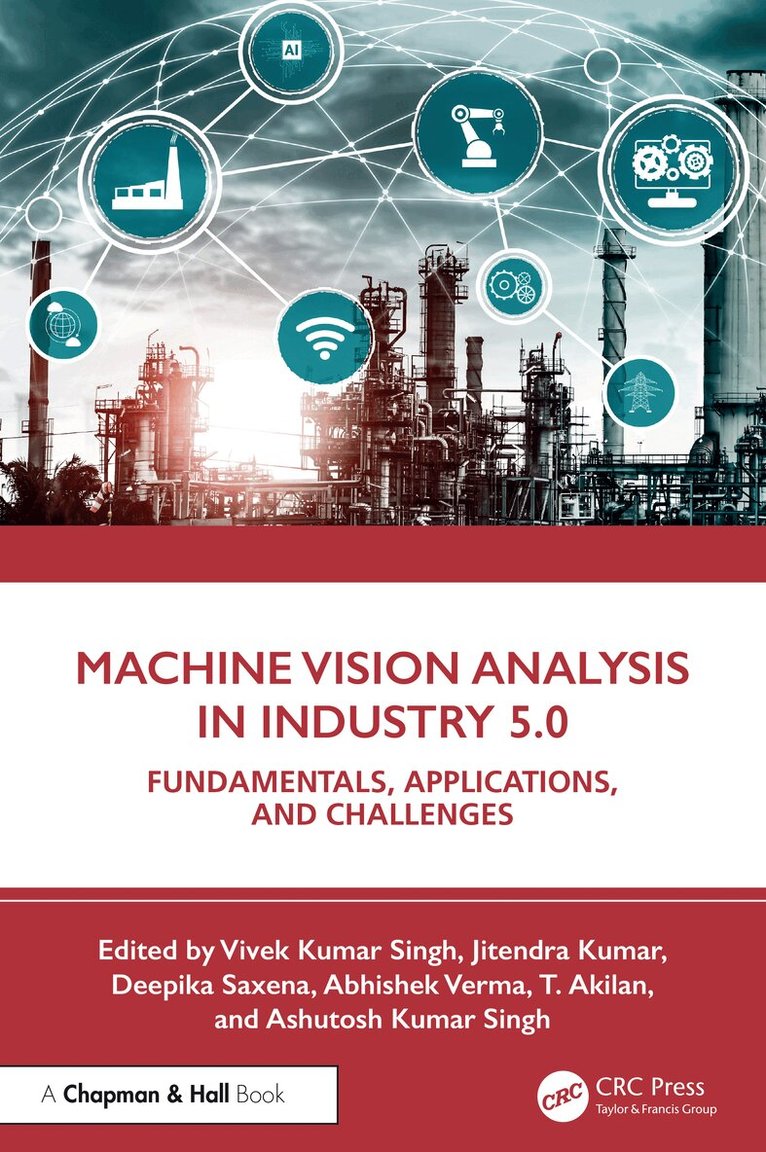
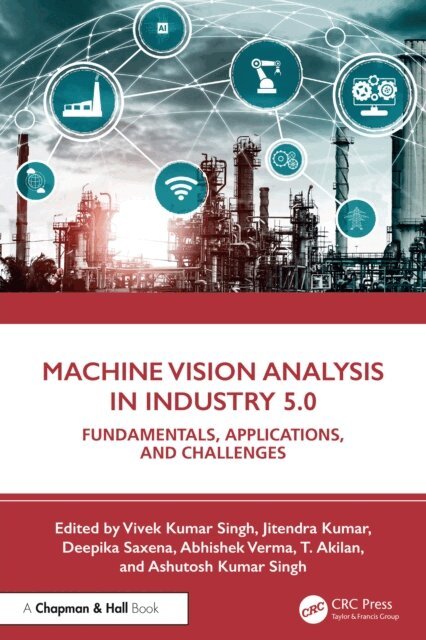
This book is an introduction to fundamental techniques of image analysis with machine vision and their applicability in Industry 5.0. It provides basic and emerging techniques in the field of image analysis and machine vision in Industry 5.0. It also covers an extensive study of recent related work and research challenges in the field. Further, it discusses some effective solutions to address the challenges of digitally transforming industrial activities and improving their efficiency.
Provides effective and robust machine vision-enabled methods across different industrial fields, emphasizing their applicability and reliability
Covers the emerging concepts of image analysis and machine vision utilized in the digital transformation of manufacturing activities under Industry 5.0
Discusses conceptual methodologies of image analysis and machine vision tailored for various industrial applications, providing insights into their practical implementation
Practical issues on implementing machine vision applications with image analysis techniques in Industry 5.0 are addressed, offering guidance on method implementation
Includes case studies of various industrial processes, highlighting current challenges and presenting effective solutions, offering real-world insights into the application of machine vision
It is a reference book for research students, scientists, and professionals working in the fields of image processing, computer vision, and the Internet of Things.
918 kr
Läs direkt efter köp
This book is an introduction to fundamental techniques of image analysis with machine vision and their applicability in Industry 5.0. It provides basic and emerging techniques in the field of image analysis and machine vision in Industry 5.0. It also covers an extensive study of recent related work and research challenges in the field. Further, it discusses some effective solutions to address the challenges of digitally transforming industrial activities and improving their efficiency.
Provides effective and robust machine vision-enabled methods across different industrial fields, emphasizing their applicability and reliability
Covers the emerging concepts of image analysis and machine vision utilized in the digital transformation of manufacturing activities under Industry 5.0
Discusses conceptual methodologies of image analysis and machine vision tailored for various industrial applications, providing insights into their practical implementation
Practical issues on implementing machine vision applications with image analysis techniques in Industry 5.0 are addressed, offering guidance on method implementation
Includes case studies of various industrial processes, highlighting current challenges and presenting effective solutions, offering real-world insights into the application of machine vision
It is a reference book for research students, scientists, and professionals working in the fields of image processing, computer vision, and the Internet of Things.
3 642 kr
Läs direkt efter köp
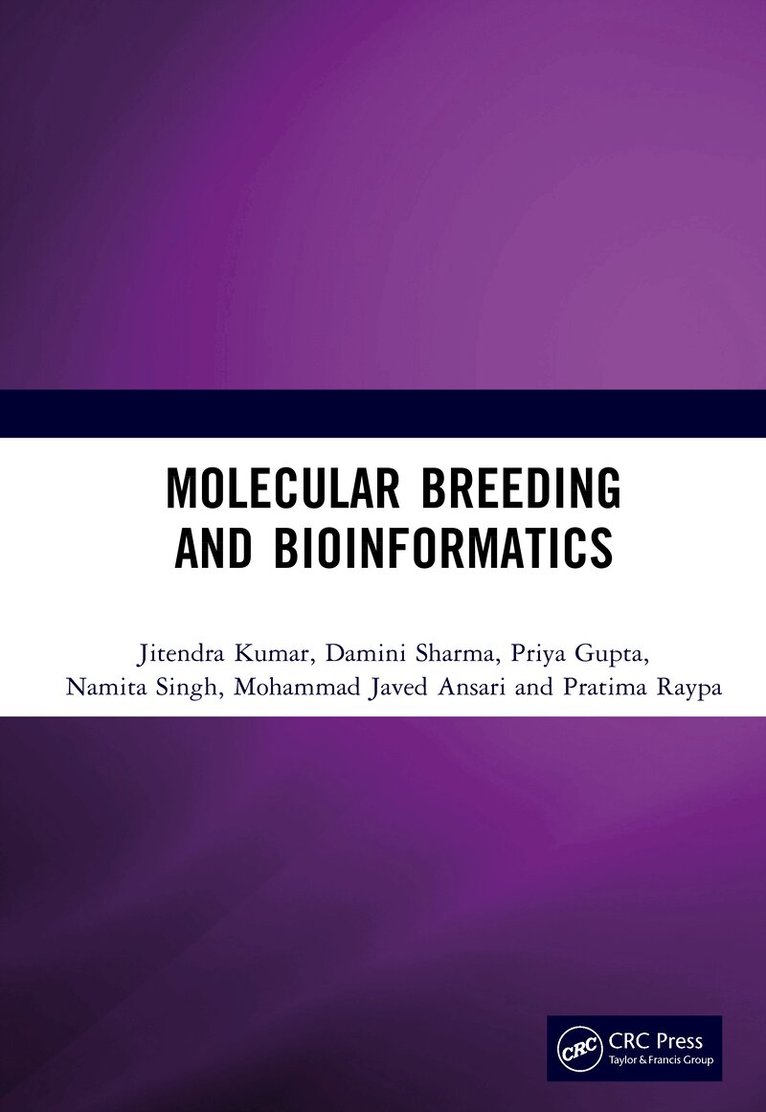
This book covers essential molecular techniques for crop improvement, including genotyping methods, genetic mapping, and marker-assisted selection. The book examines statistical tools for marker analysis, allele mining strategies, and gene pyramiding approaches. It explores comparative genomics, proteomics applications, and biotechnology methods including recombinant DNA technology and also includes:
Comprehensive coverage of molecular markers and genotyping techniques for crop improvement Detailed statistical tools and methodologies for marker analysis and genetic mapping Practical applications of marker-assisted selection and allele mining strategies Integration of genomics, proteomics, and biotechnology in plant breeding programs Current approaches to gene pyramiding and development of enhanced derived varietiesAdditional chapters address nanotechnology applications, male sterility systems, intellectual property rights, and bioinformatics tools. Designed for students and researchers in plant breeding, genetics, and biotechnology programs.
This title has been co-published with Elite Publishing House. T&F does not sell or distribute the print versions in India.
3 433 kr
Skickas inom 10-15 vardagar
1 620 kr
Skickas inom 10-15 vardagar
2 111 kr
Läs direkt efter köp
1 620 kr
Skickas inom 10-15 vardagar
1 622 kr
Läs direkt efter köp