930 kr
Skickas inom 10-15 vardagar
930 kr
Skickas inom 10-15 vardagar
2 526 kr
Skickas inom 10-15 vardagar
1 116 kr
Läs direkt efter köp
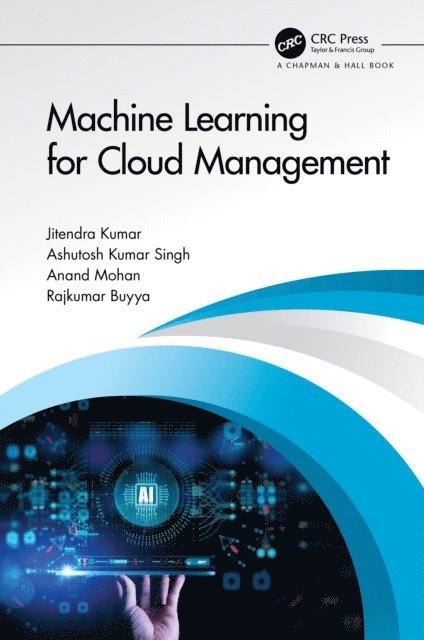
Cloud computing offers subscription-based on-demand services, and it has emerged as the backbone of the computing industry. It has enabled us to share resources among multiple users through virtualization, which creates a virtual instance of a computer system running in an abstracted hardware layer. Unlike early distributed computing models, it offers virtually limitless computing resources through its large scale cloud data centers. It has gained wide popularity over the past few years, with an ever-increasing infrastructure, a number of users, and the amount of hosted data. The large and complex workloads hosted on these data centers introduce many challenges, including resource utilization, power consumption, scalability, and operational cost. Therefore, an effective resource management scheme is essential to achieve operational efficiency with improved elasticity. Machine learning enabled solutions are the best fit to address these issues as they can analyze and learn from the data. Moreover, it brings automation to the solutions, which is an essential factor in dealing with large distributed systems in the cloud paradigm.
Machine Learning for Cloud Management explores cloud resource management through predictive modelling and virtual machine placement. The predictive approaches are developed using regression-based time series analysis and neural network models. The neural network-based models are primarily trained using evolutionary algorithms, and efficient virtual machine placement schemes are developed using multi-objective genetic algorithms.
Key Features:
The first book to set out a range of machine learning methods for efficient resource management in a large distributed network of clouds. Predictive analytics is an integral part of efficient cloud resource management, and this book gives a future research direction to researchers in this domain. It is written by leading international researchers.The book is ideal for researchers who are working in the domain of cloud computing.
1 116 kr
Läs direkt efter köp
Cloud computing offers subscription-based on-demand services, and it has emerged as the backbone of the computing industry. It has enabled us to share resources among multiple users through virtualization, which creates a virtual instance of a computer system running in an abstracted hardware layer. Unlike early distributed computing models, it offers virtually limitless computing resources through its large scale cloud data centers. It has gained wide popularity over the past few years, with an ever-increasing infrastructure, a number of users, and the amount of hosted data. The large and complex workloads hosted on these data centers introduce many challenges, including resource utilization, power consumption, scalability, and operational cost. Therefore, an effective resource management scheme is essential to achieve operational efficiency with improved elasticity. Machine learning enabled solutions are the best fit to address these issues as they can analyze and learn from the data. Moreover, it brings automation to the solutions, which is an essential factor in dealing with large distributed systems in the cloud paradigm.
Machine Learning for Cloud Management explores cloud resource management through predictive modelling and virtual machine placement. The predictive approaches are developed using regression-based time series analysis and neural network models. The neural network-based models are primarily trained using evolutionary algorithms, and efficient virtual machine placement schemes are developed using multi-objective genetic algorithms.
Key Features:
The first book to set out a range of machine learning methods for efficient resource management in a large distributed network of clouds. Predictive analytics is an integral part of efficient cloud resource management, and this book gives a future research direction to researchers in this domain. It is written by leading international researchers.The book is ideal for researchers who are working in the domain of cloud computing.
886 kr
Läs direkt efter köp
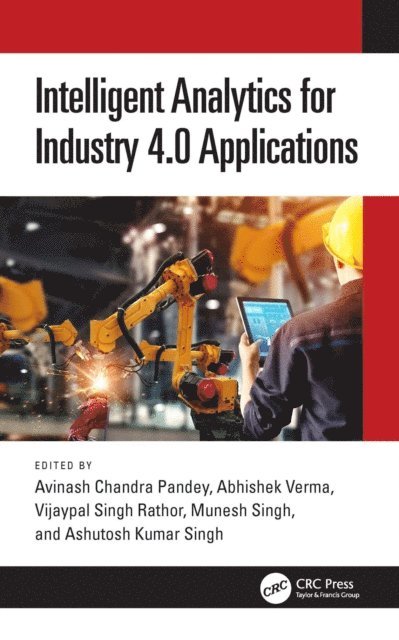
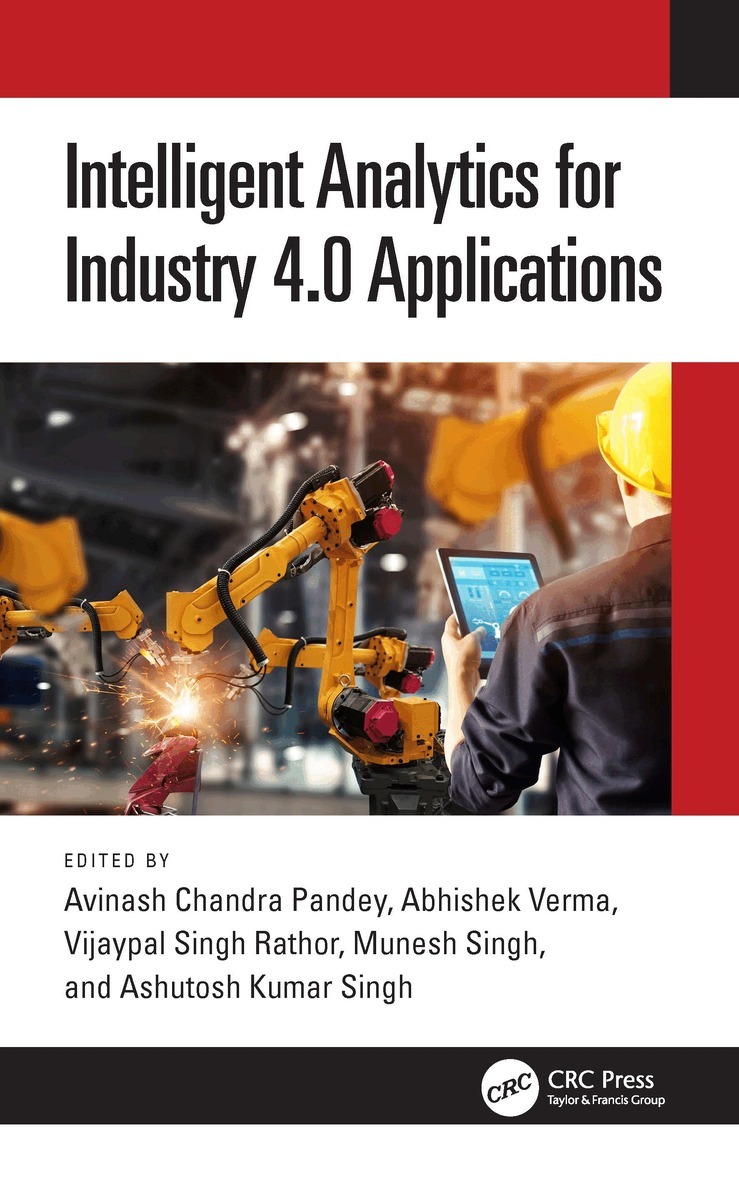
The advancements in intelligent decision-making techniques have elevated the efficiency of manufacturing industries and led to the start of the Industry 4.0 era. Industry 4.0 is revolutionizing the way companies manufacture, improve, and distribute their products. Manufacturers are integrating new technologies, including the Internet of Things (IoT), cloud computing and analytics, and artificial intelligence and machine learning, into their production facilities throughout their operations. In the past few years, intelligent analytics has emerged as a solution that examines both historical and real-time data to uncover performance insights. Because the amount of data that needs analysis is growing daily, advanced technologies are necessary to collect, arrange, and analyze incoming data. This approach enables businesses to detect valuable connections and trends and make decisions that boost overall performance. In Industry 4.0, intelligent analytics has a broader scope in terms of descriptive, predictive, and prescriptive subdomains. To this end, the book will aim to review and highlight the challenges faced by intelligent analytics in Industry 4.0 and present the recent developments done to address those challenges.
892 kr
Läs direkt efter köp
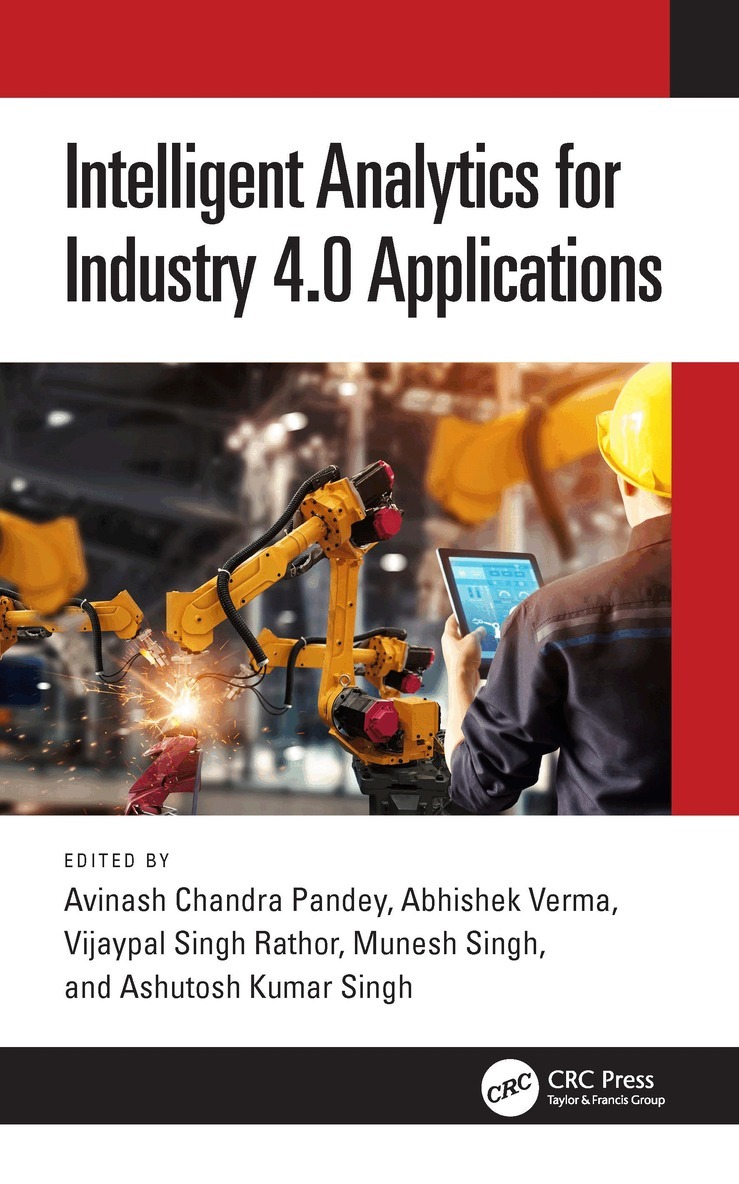
The advancements in intelligent decision-making techniques have elevated the efficiency of manufacturing industries and led to the start of the Industry 4.0 era. Industry 4.0 is revolutionizing the way companies manufacture, improve, and distribute their products. Manufacturers are integrating new technologies, including the Internet of Things (IoT), cloud computing and analytics, and artificial intelligence and machine learning, into their production facilities throughout their operations. In the past few years, intelligent analytics has emerged as a solution that examines both historical and real-time data to uncover performance insights. Because the amount of data that needs analysis is growing daily, advanced technologies are necessary to collect, arrange, and analyze incoming data. This approach enables businesses to detect valuable connections and trends and make decisions that boost overall performance. In Industry 4.0, intelligent analytics has a broader scope in terms of descriptive, predictive, and prescriptive subdomains. To this end, the book will aim to review and highlight the challenges faced by intelligent analytics in Industry 4.0 and present the recent developments done to address those challenges.
763 kr
Läs direkt efter köp
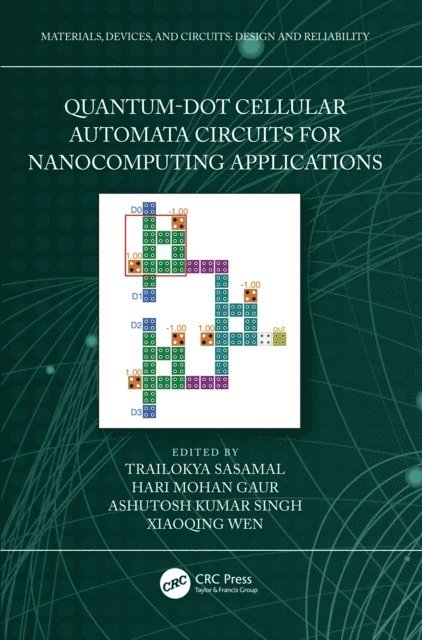
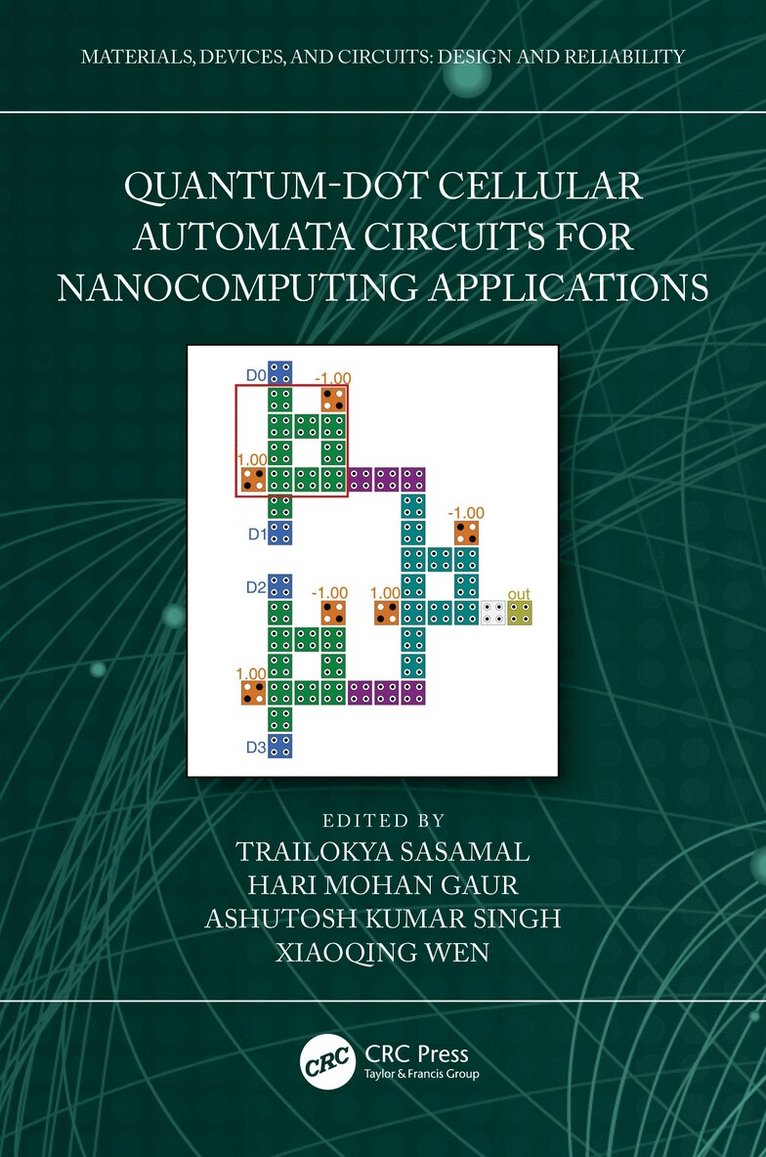
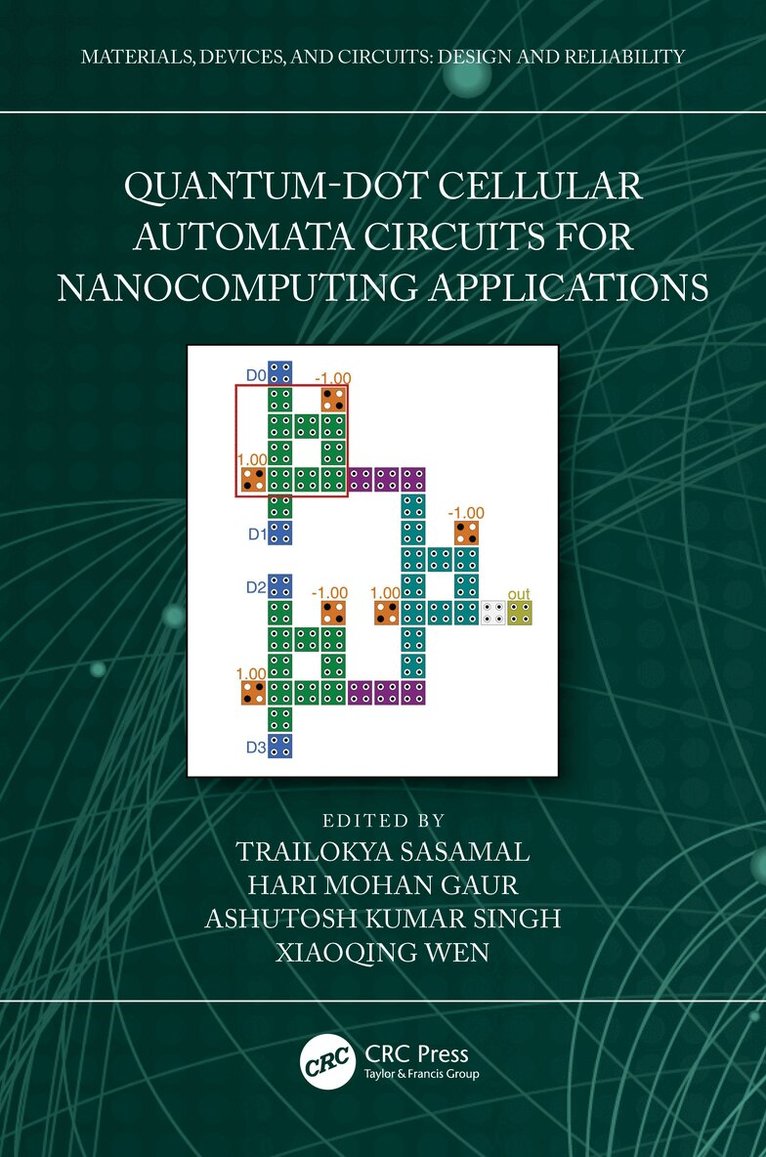
This book provides a composite solution for optimal logic designs for Quantum-Dot Cellular Automata based circuits. It includes the basics of new logic functions and novel digital circuit designs, quantum computing with QCA, new trends in quantum and quantum-inspired algorithms and applications, and algorithms to support QCA designers.
Futuristic Developments in Quantum-Dot Cellular Automata Circuits for Nanocomputing includes QCA-based new nanoelectronics architectures that help in improving the logic computation and information flow at physical implementation level. The book discusses design methodologies to obtain an optimal layout for some of the basic logic circuits considering key metrics such as wire delays, cell counts, and circuit area that help in improving the logic computation and information flow at physical implementation level. Examines several challenges toward QCA technology like clocking mechanism, floorplan which would facilitate manufacturability, Electronic Design Automation (EDA) tools for design and fabrication like simulation, synthesis, testing etc.
The book is intended for students and researchers in electronics and computer disciplines who are interested in this rapidly changing field under the umbrella of courses such as emerging nanotechnologies and its architecture, low-power digital design. The work will also help the manufacturing companies/industry professionals, in nanotechnology and semiconductor engineers in the development of low power quantum computers.
755 kr
Läs direkt efter köp
This book provides a composite solution for optimal logic designs for Quantum-Dot Cellular Automata based circuits. It includes the basics of new logic functions and novel digital circuit designs, quantum computing with QCA, new trends in quantum and quantum-inspired algorithms and applications, and algorithms to support QCA designers.
Futuristic Developments in Quantum-Dot Cellular Automata Circuits for Nanocomputing includes QCA-based new nanoelectronics architectures that help in improving the logic computation and information flow at physical implementation level. The book discusses design methodologies to obtain an optimal layout for some of the basic logic circuits considering key metrics such as wire delays, cell counts, and circuit area that help in improving the logic computation and information flow at physical implementation level. Examines several challenges toward QCA technology like clocking mechanism, floorplan which would facilitate manufacturability, Electronic Design Automation (EDA) tools for design and fabrication like simulation, synthesis, testing etc.
The book is intended for students and researchers in electronics and computer disciplines who are interested in this rapidly changing field under the umbrella of courses such as emerging nanotechnologies and its architecture, low-power digital design. The work will also help the manufacturing companies/industry professionals, in nanotechnology and semiconductor engineers in the development of low power quantum computers.
1 829 kr
Skickas inom 10-15 vardagar
736 kr
Skickas inom 10-15 vardagar
2 136 kr
Skickas inom 10-15 vardagar
823 kr
Skickas inom 10-15 vardagar
2 209 kr
Skickas inom 10-15 vardagar
837 kr
Skickas inom 10-15 vardagar
2 199 kr
Skickas inom 10-15 vardagar
1 030 kr
Läs direkt efter köp
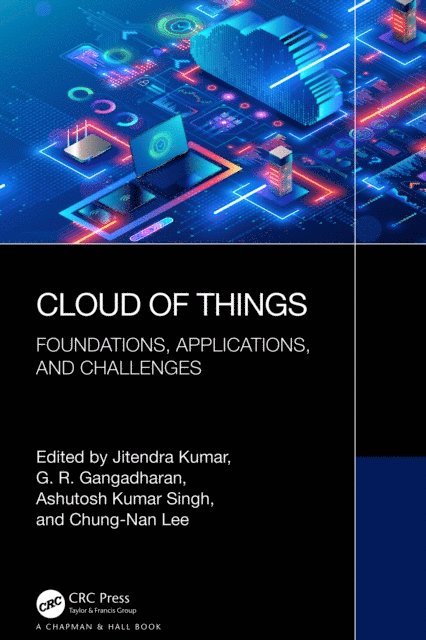
Cloud computing is the on-demand availability of computer system resources, especially data storage and computing power, without direct active management by the user. This book explores algorithms, protocols, and system design principles of key smart technologies including cloud computing and the internet of things.
• Discusses the system design principles in cloud computing along with artificial intelligence, machine learning, and data analytics applications
• Presents blockchain-based solutions, cyber-physical system applications, and deep learning approaches to solving practical problems
• Highlights important concepts including the cloud of things architecture, cloud service management and virtualization, and resource management techniques
• Covers advanced technologies including fog computing, edge computing, and distributed intelligence
• Explores cloud-enabling technology, broadband networks and internet architecture, internet service providers (ISPs), and connectionless packet switching.
The book is primarily written for graduate students, academic researchers, and professionals in the field of computer science and engineering, electrical engineering, and information technology.
1 045 kr
Läs direkt efter köp
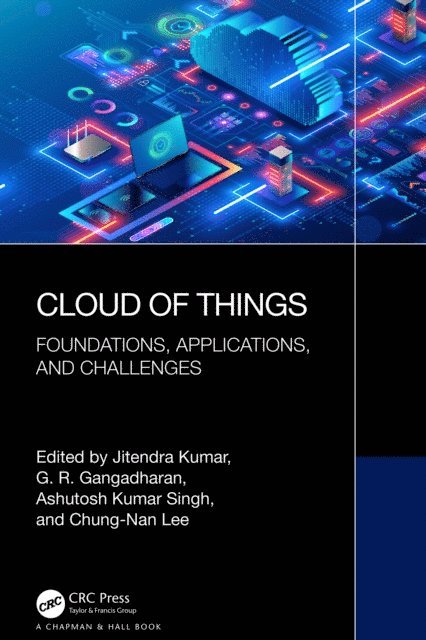
Cloud computing is the on-demand availability of computer system resources, especially data storage and computing power, without direct active management by the user. This book explores algorithms, protocols, and system design principles of key smart technologies including cloud computing and the internet of things.
• Discusses the system design principles in cloud computing along with artificial intelligence, machine learning, and data analytics applications
• Presents blockchain-based solutions, cyber-physical system applications, and deep learning approaches to solving practical problems
• Highlights important concepts including the cloud of things architecture, cloud service management and virtualization, and resource management techniques
• Covers advanced technologies including fog computing, edge computing, and distributed intelligence
• Explores cloud-enabling technology, broadband networks and internet architecture, internet service providers (ISPs), and connectionless packet switching.
The book is primarily written for graduate students, academic researchers, and professionals in the field of computer science and engineering, electrical engineering, and information technology.
912 kr
Läs direkt efter köp
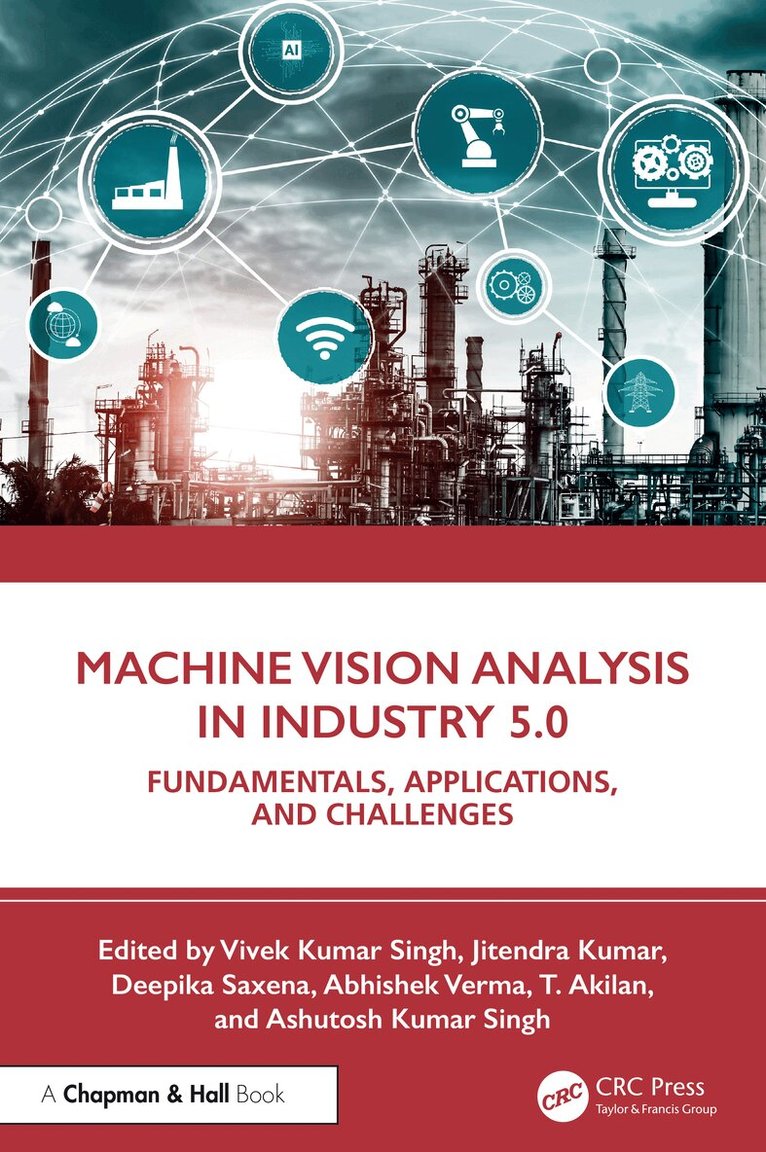
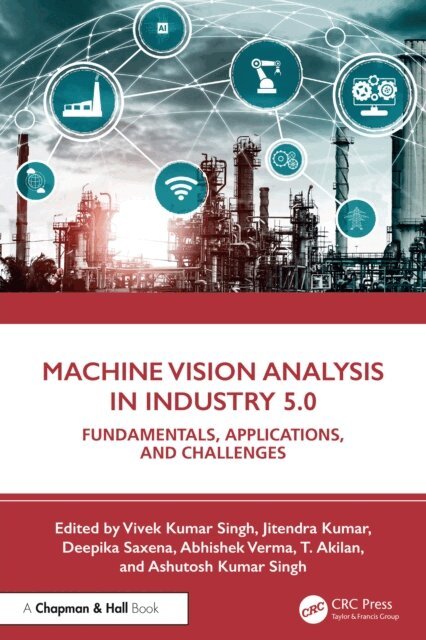
This book is an introduction to fundamental techniques of image analysis with machine vision and their applicability in Industry 5.0. It provides basic and emerging techniques in the field of image analysis and machine vision in Industry 5.0. It also covers an extensive study of recent related work and research challenges in the field. Further, it discusses some effective solutions to address the challenges of digitally transforming industrial activities and improving their efficiency.
Provides effective and robust machine vision-enabled methods across different industrial fields, emphasizing their applicability and reliability
Covers the emerging concepts of image analysis and machine vision utilized in the digital transformation of manufacturing activities under Industry 5.0
Discusses conceptual methodologies of image analysis and machine vision tailored for various industrial applications, providing insights into their practical implementation
Practical issues on implementing machine vision applications with image analysis techniques in Industry 5.0 are addressed, offering guidance on method implementation
Includes case studies of various industrial processes, highlighting current challenges and presenting effective solutions, offering real-world insights into the application of machine vision
It is a reference book for research students, scientists, and professionals working in the fields of image processing, computer vision, and the Internet of Things.
918 kr
Läs direkt efter köp
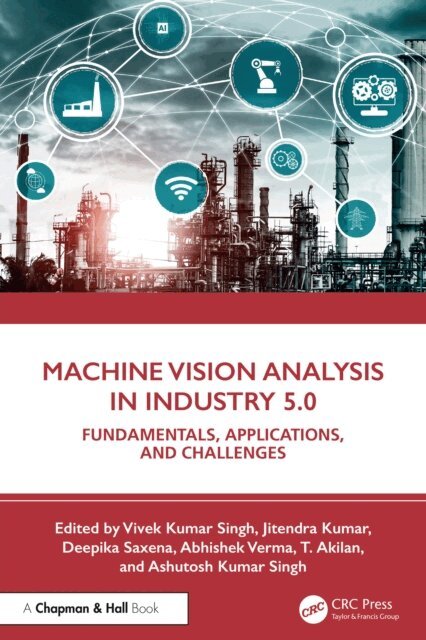
This book is an introduction to fundamental techniques of image analysis with machine vision and their applicability in Industry 5.0. It provides basic and emerging techniques in the field of image analysis and machine vision in Industry 5.0. It also covers an extensive study of recent related work and research challenges in the field. Further, it discusses some effective solutions to address the challenges of digitally transforming industrial activities and improving their efficiency.
Provides effective and robust machine vision-enabled methods across different industrial fields, emphasizing their applicability and reliability
Covers the emerging concepts of image analysis and machine vision utilized in the digital transformation of manufacturing activities under Industry 5.0
Discusses conceptual methodologies of image analysis and machine vision tailored for various industrial applications, providing insights into their practical implementation
Practical issues on implementing machine vision applications with image analysis techniques in Industry 5.0 are addressed, offering guidance on method implementation
Includes case studies of various industrial processes, highlighting current challenges and presenting effective solutions, offering real-world insights into the application of machine vision
It is a reference book for research students, scientists, and professionals working in the fields of image processing, computer vision, and the Internet of Things.
2 584 kr
Skickas inom 7-10 vardagar
3 138 kr
Läs direkt efter köp
The book offers cutting-edge insights into AI-driven optimization algorithms and their crucial role in enhancing real-time applications within fog and Edge IoT networks and addresses current challenges and future opportunities in this rapidly evolving field.
This book focuses on artificial intelligence-induced adaptive optimization algorithms in fog and Edge IoT networks. Artificial intelligence, fog, and edge computing, together with IoT, are the next generation of paradigms offering services to people to improve existing services for real-time applications. Over the past few years, there has been rigorous growth in AI-based optimization algorithms and Edge and IoT paradigms. However, despite several applications and advancements, there are still some limitations and challenges to address including security, adaptive, complex, and heterogeneous IoT networks, protocols, intelligent offloading decisions, latency, energy consumption, service allocation, and network lifetime.
This volume aims to encourage industry professionals to initiate a set of architectural strategies to solve open research computation challenges. The authors achieve this by defining and exploring emerging trends in advanced optimization algorithms, AI techniques, and fog and Edge technologies for IoT applications. Solutions are also proposed to reduce the latency of real-time applications and improve other quality of service parameters using adaptive optimization algorithms in fog and Edge paradigms.
The book provides information on the full potential of IoT-based intelligent computing paradigms for the development of suitable conceptual and technological solutions using adaptive optimization techniques when faced with challenges. Additionally, it presents in-depth discussions in emerging interdisciplinary themes and applications reflecting the advancements in optimization algorithms and their usage in computing paradigms.
Audience
Researchers, industrial engineers, and graduate/post-graduate students in software engineering, computer science, electronic and electrical engineering, data analysts, and security professionals working in the fields of intelligent computing paradigms and similar areas.
3 143 kr
Skickas inom 7-10 vardagar
2 770 kr
Läs direkt efter köp
3 274 kr
Skickas inom 7-10 vardagar
2 492 kr
Skickas inom 7-10 vardagar
2 400 kr
Skickas inom 10-15 vardagar
3 259 kr
Läs direkt efter köp
676 kr
Skickas inom 7-10 vardagar
923 kr
Läs direkt efter köp
This book addresses fundamental concepts and practical implementations in cloud computing environments, focusing on load balancing and resource management. As cloud computing''s popularity grows, expertise in infrastructure management is crucial for delivering flawless subscription-based services and hosted data solutions. The book presents novel models for cloud resource management to improve operational efficiency through better virtual machine (VM) placements. Beginning with task scheduling and resource allocation basics, the book progresses to resource management concepts. It introduces innovative models for dynamic resource allocation, heuristic approaches for optimal host selection, secure resource management frameworks, multi-objective VM allocation schemes, and data security models. A significant contribution is an effective model integrating load balancing, resource management, Quality of Service (QoS), security, and cloud performance for Infrastructure as a Service (IaaS). The book offers innovative methodologies for dynamic resource allocation and service administration in cloud datacenters. It presents traffic management techniques to reduce energy consumption, improve resource utilization, and enhance security through optimized VM placement, with experimental validation. These models improve response time, throughput, resource utilization, energy consumption, and failure node management. Security is addressed through secure VM placement strategies, making it harder for attackers to achieve co-tenancy. A multi-objective approach for secure load balancing optimizes multiple conflicting objectives simultaneously. The book includes cyber-threat countermeasures and provides recommendations for organizations and users. Suitable for senior undergraduate and graduate courses in cloud computing, resource allocation, security, and energy consumption methods, the book includes examples and tutorials using Cloudsim tools for beginners. This helps them understand virtual infrastructure and service design. The methodologies benefit both cloud service providers and customers, offering cost-effective solutions for revenue maximization. The comprehensive approach makes the book valuable for academic study and practical application in cloud computing environments.