881 kr
Skickas inom 5-8 vardagar
881 kr
Skickas inom 5-8 vardagar
547 kr
Skickas inom 10-15 vardagar
575 kr
Läs direkt efter köp
369 kr
Skickas inom 7-10 vardagar
700 kr
Kommande
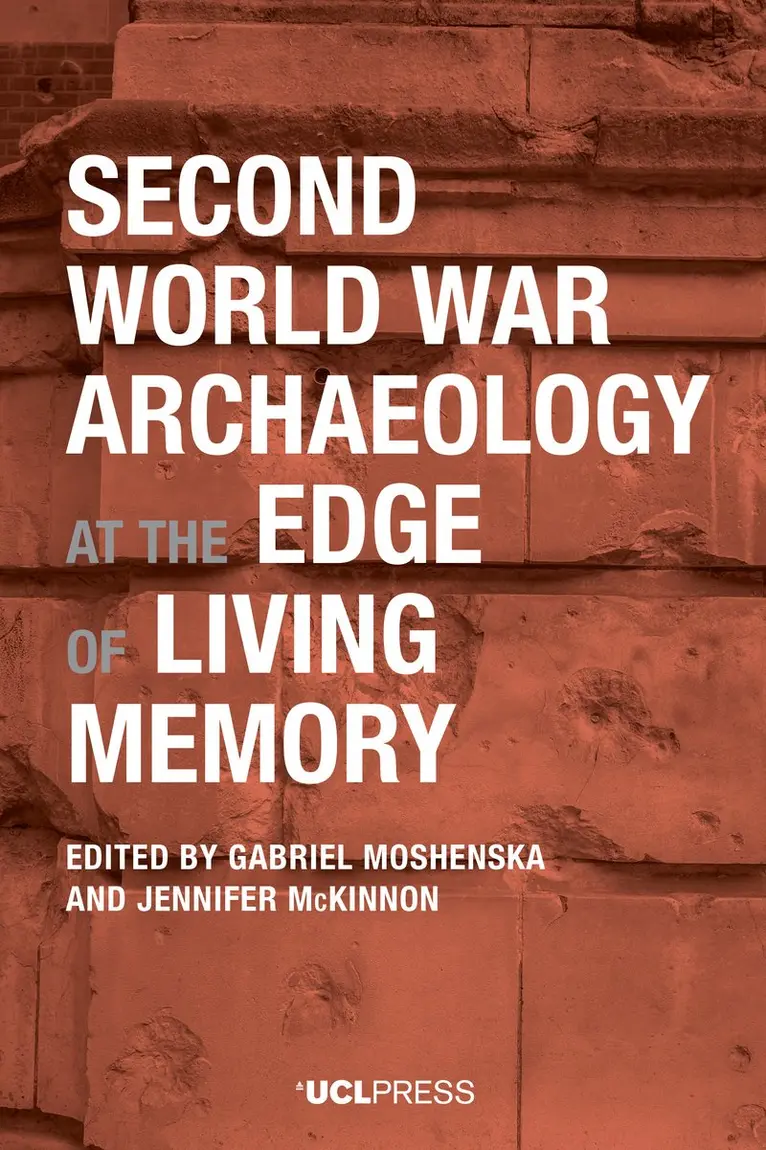
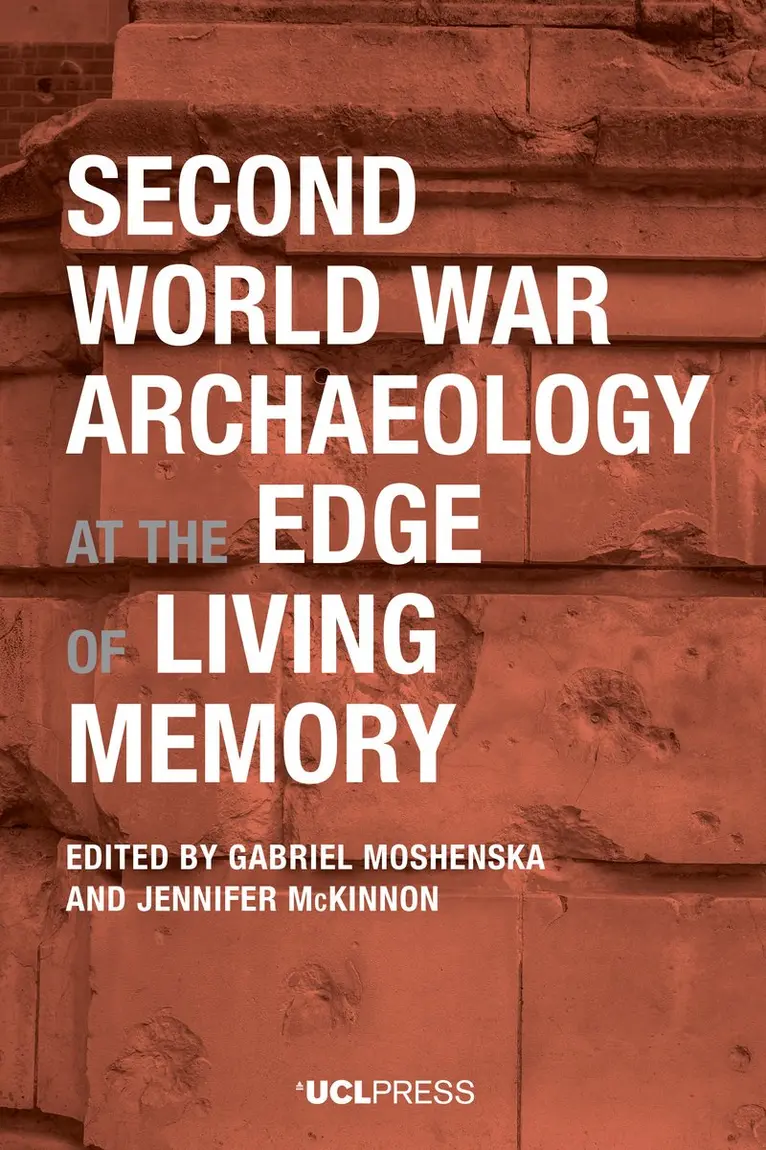
The archaeological heritage of the Second World War stretches from the forests of the Arctic to the waters of the Pacific, and continues to shape our understanding of this conflict and its legacies worldwide. Today the Second World War sits at the very edge of living memory, making this is an urgent, transformative moment for the study and management of the heritage of the conflict.
Second World War Archaeology at the Edge of Living Memory takes a global perspective on the challenges and opportunities of Second World War archaeology today. Drawing on international case studies from Finland, Indonesia, the US, Germany, the UK and elsewhere, it focuses on what remains of the war’s global footprint on land, at sea and in the air. The authors reflect on the history and future development of Second World War archaeology, working with different stakeholder communities, the use of memory sources in scholarship and practice, and the commemorative and educational values of conflict heritage. It includes studies of ‘home fronts’, internment camps, and the civilian experience of war as well as insights into combat zones, war graves, and efforts to recover the dead.
448 kr
Kommande
The archaeological heritage of the Second World War stretches from the forests of the Arctic to the waters of the Pacific, and continues to shape our understanding of this conflict and its legacies worldwide. Today the Second World War sits at the very edge of living memory, making this is an urgent, transformative moment for the study and management of the heritage of the conflict.
Second World War Archaeology at the Edge of Living Memory takes a global perspective on the challenges and opportunities of Second World War archaeology today. Drawing on international case studies from Finland, Indonesia, the US, Germany, the UK and elsewhere, it focuses on what remains of the war’s global footprint on land, at sea and in the air. The authors reflect on the history and future development of Second World War archaeology, working with different stakeholder communities, the use of memory sources in scholarship and practice, and the commemorative and educational values of conflict heritage. It includes studies of ‘home fronts’, internment camps, and the civilian experience of war as well as insights into combat zones, war graves, and efforts to recover the dead.