731 kr
Skickas inom 10-15 vardagar
731 kr
Skickas inom 10-15 vardagar
499 kr
Skickas inom 7-10 vardagar
558 kr
Skickas inom 7-10 vardagar
440 kr
Skickas inom 7-10 vardagar
499 kr
Skickas inom 7-10 vardagar
2 601 kr
Skickas inom 10-15 vardagar
386 kr
Skickas
1 173 kr
Skickas inom 10-15 vardagar
409 kr
Läs direkt efter köp
415 kr
Läs direkt efter köp
1 378 kr
Kommande
565 kr
Skickas inom 10-15 vardagar
755 kr
Läs direkt efter köp
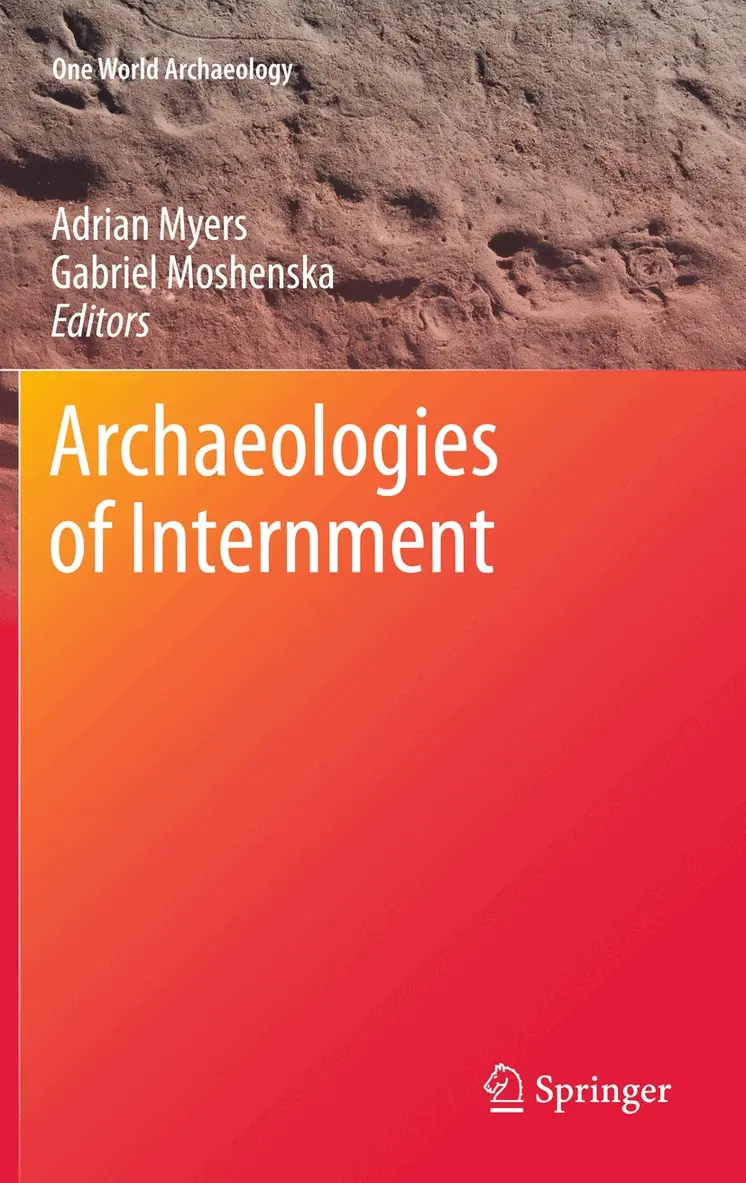
The internment of civilian and military prisoners became an increasingly common feature of conflicts in the twentieth century and into the twenty-first. Prison camps, though often hastily constructed and just as quickly destroyed, have left their marks in the archaeological record. Due to both their temporary nature and their often sensitive political contexts, places of internment present a unique challenge to archaeologists and heritage managers.
As archaeologists have begun to explore the material remains of internment using a range of methods, these interdisciplinary studies have demonstrated the potential to connect individual memories and historical debates to the fragmentary material remains.
Archaeologies of Internment brings together in one volume a range of methodological and theoretical approaches to this developing field. The contributions are geographically and temporally diverse, ranging from Second World War internment in Europe and the USA to prison islands of the Greek Civil War, South African labor camps, and the secret detention centers of the Argentinean Junta and the East German Stasi.
These studies have powerful social, cultural, political, and emotive implications, particularly in societies in which historical narratives of oppression and genocide have themselves been suppressed. By repopulating the historical narratives with individuals and grounding them in the material remains, it is hoped that they might become, at least in some cases, archaeologies of liberation.
561 kr
Skickas inom 10-15 vardagar
124 kr
Läs direkt efter köp
551 kr
Skickas inom 10-15 vardagar
718 kr
Läs direkt efter köp
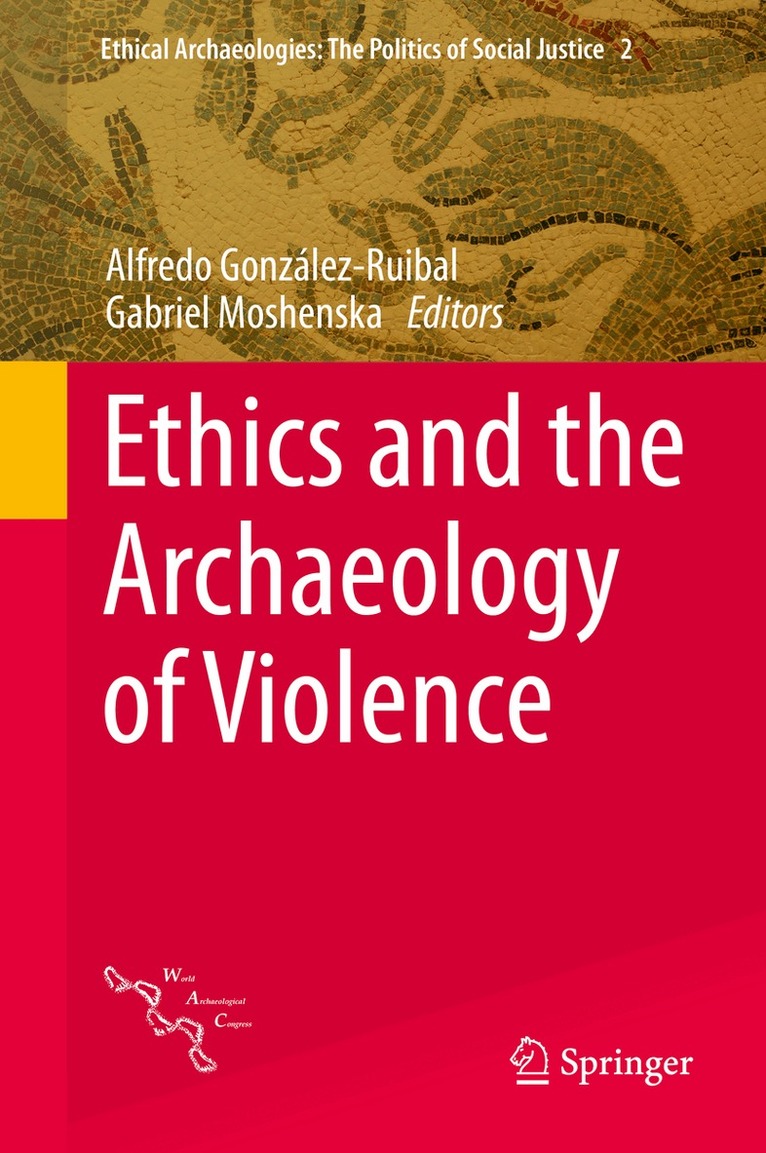
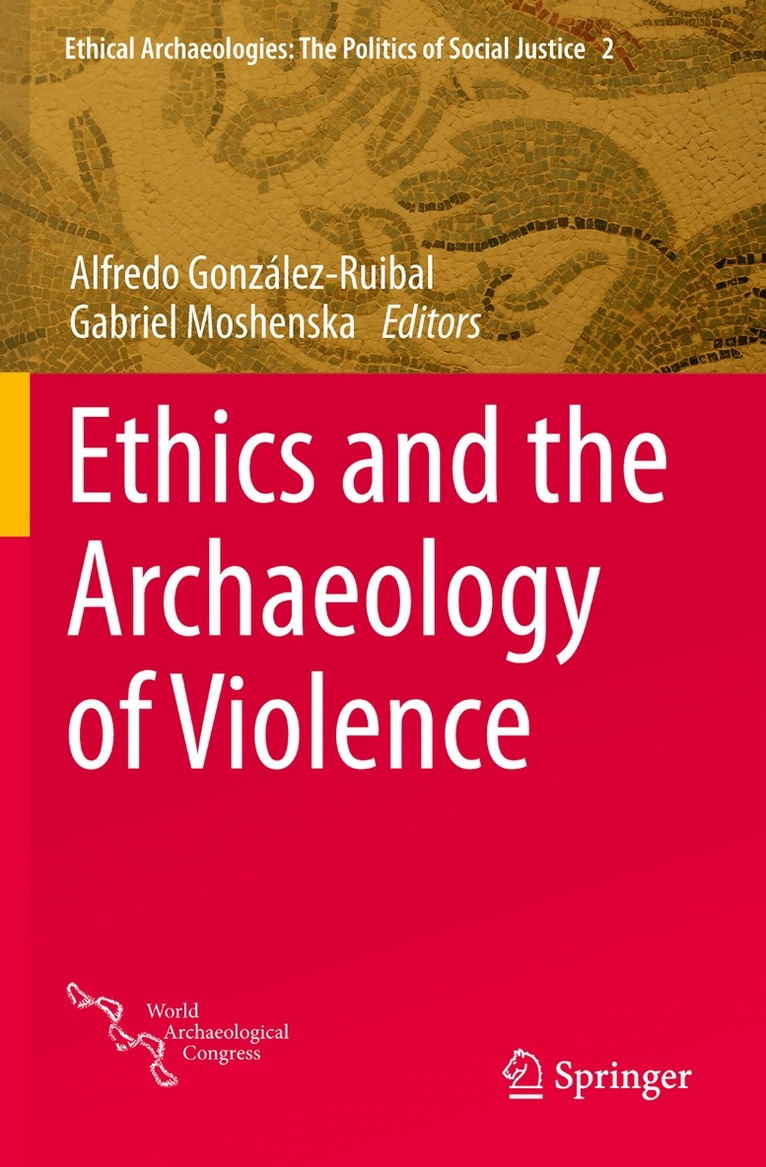
This volume examines the distinctive and highly problematic ethical questions surrounding conflict archaeology. By bringing together sophisticated analyses and pertinent case studies from around the world it aims to address the problems facing archaeologists working in areas of violent conflict, past and present. Of all the contentious issues within archaeology and heritage, the study of conflict and work within conflict zones are undoubtedly the most highly charged and hotly debated, both within and outside the discipline. Ranging across the conflict zones of the world past and present, this book attempts to raise the level of these often fractious debates by locating them within ethical frameworks. The issues and debates in this book range across a range of ethical models, including deontological, teleological and virtue ethics. The chapters address real-world ethical conundrums that confront archaeologists in a diversity of countries, including Israel/Palestine, Iran, Uruguay, Argentina, Rwanda, Germany and Spain. They all have in common recent, traumatic experiences of war and dictatorship. The chapters provide carefully argued, thought-provoking analyses and examples that will be of real practical use to archaeologists in formulating and addressing ethical dilemmas in a confident and constructive manner.
551 kr
Skickas inom 10-15 vardagar
700 kr
Kommande
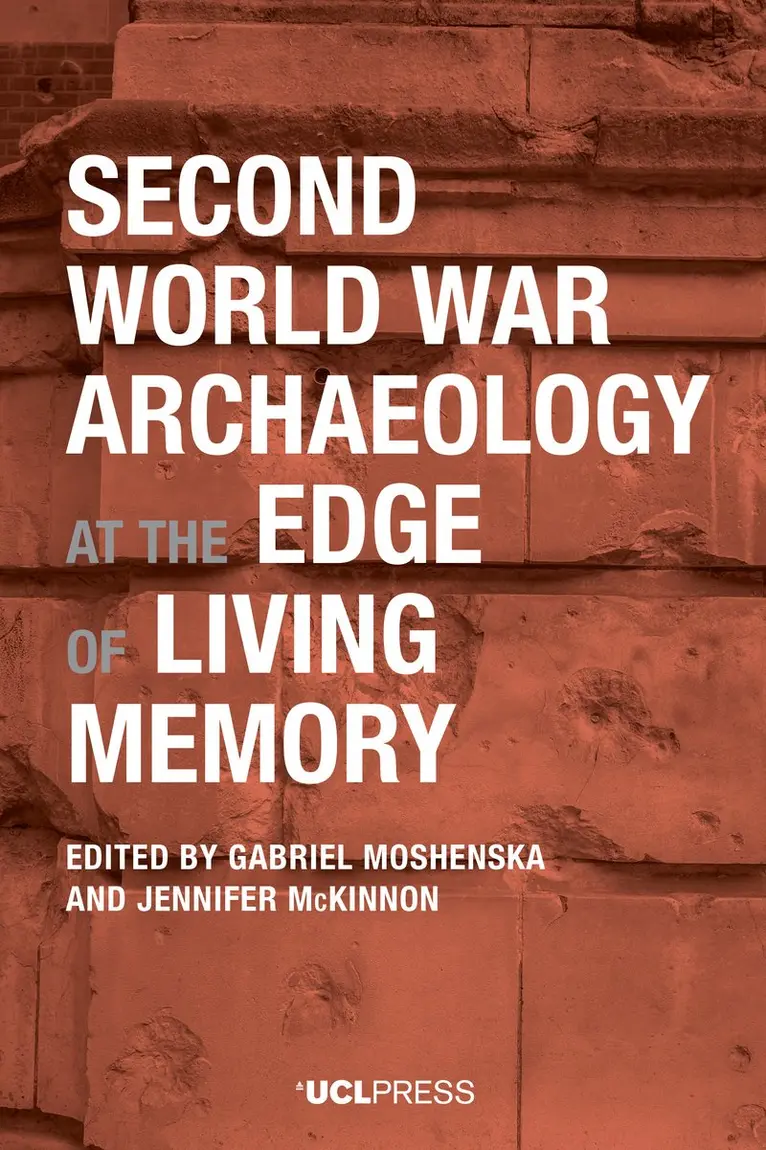
The archaeological heritage of the Second World War stretches from the forests of the Arctic to the waters of the Pacific, and continues to shape our understanding of this conflict and its legacies worldwide. Today the Second World War sits at the very edge of living memory, making this is an urgent, transformative moment for the study and management of the heritage of the conflict.
Second World War Archaeology at the Edge of Living Memory takes a global perspective on the challenges and opportunities of Second World War archaeology today. Drawing on international case studies from Finland, Indonesia, the US, Germany, the UK and elsewhere, it focuses on what remains of the war’s global footprint on land, at sea and in the air. The authors reflect on the history and future development of Second World War archaeology, working with different stakeholder communities, the use of memory sources in scholarship and practice, and the commemorative and educational values of conflict heritage. It includes studies of ‘home fronts’, internment camps, and the civilian experience of war as well as insights into combat zones, war graves, and efforts to recover the dead.
448 kr
Kommande
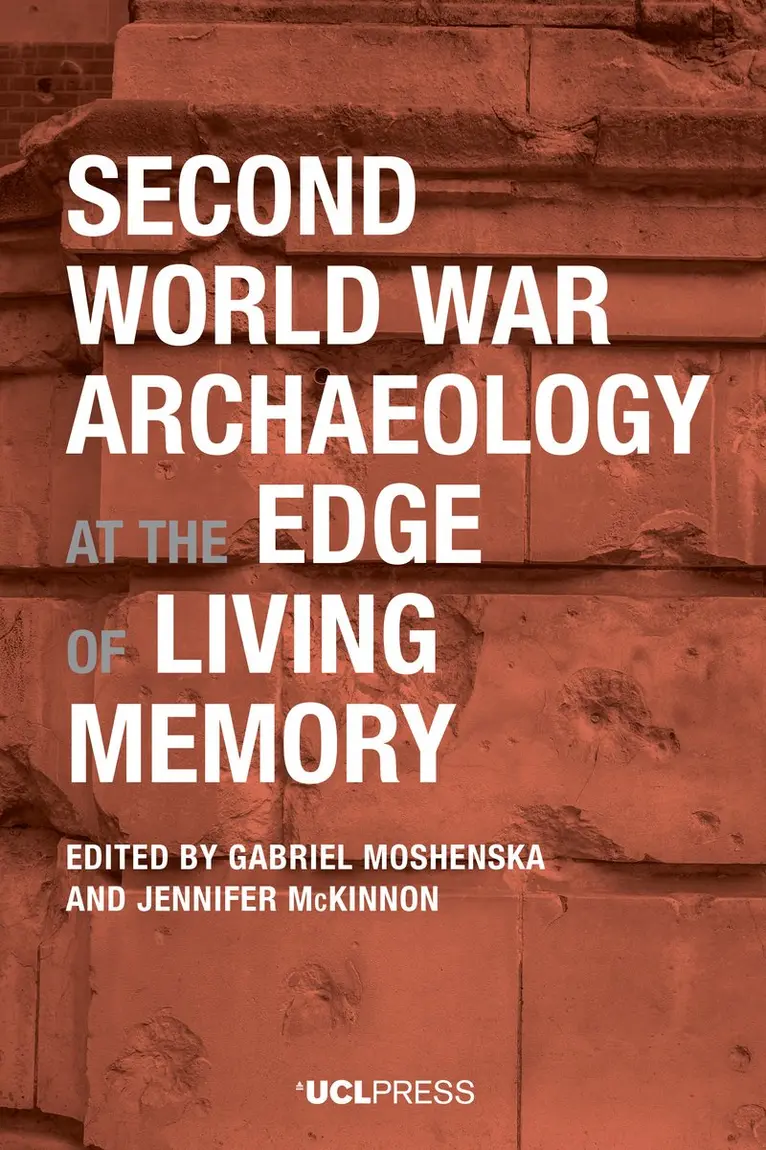
The archaeological heritage of the Second World War stretches from the forests of the Arctic to the waters of the Pacific, and continues to shape our understanding of this conflict and its legacies worldwide. Today the Second World War sits at the very edge of living memory, making this is an urgent, transformative moment for the study and management of the heritage of the conflict.
Second World War Archaeology at the Edge of Living Memory takes a global perspective on the challenges and opportunities of Second World War archaeology today. Drawing on international case studies from Finland, Indonesia, the US, Germany, the UK and elsewhere, it focuses on what remains of the war’s global footprint on land, at sea and in the air. The authors reflect on the history and future development of Second World War archaeology, working with different stakeholder communities, the use of memory sources in scholarship and practice, and the commemorative and educational values of conflict heritage. It includes studies of ‘home fronts’, internment camps, and the civilian experience of war as well as insights into combat zones, war graves, and efforts to recover the dead.
128 kr
Läs direkt efter köp
218 kr
Tillfälligt slut