1 296 kr
Skickas inom 5-8 vardagar
1 296 kr
Skickas inom 5-8 vardagar
1 320 kr
Läs direkt efter köp
1 311 kr
Läs direkt efter köp
2 174 kr
Skickas inom 10-15 vardagar
1 632 kr
Skickas inom 10-15 vardagar
1 740 kr
Skickas inom 10-15 vardagar
695 kr
Skickas inom 10-15 vardagar
2 526 kr
Skickas inom 10-15 vardagar
1 400 kr
Skickas inom 10-15 vardagar
744 kr
Läs direkt efter köp
This book includes a collection of studies focused on engagements of religious minorities with the European Court of Human Rights (ECtHR). Beginning with an introduction of the global importance of the ECtHR as a standard setter in the protection of religious minority rights, the subsequent five chapters entail critical assessments of some of the Court’s case law dealing with religious minority claims (exploring their clarity and consistency – or lack thereof – and controversiality). In the process these texts impart a nuanced perspective on the challenges the Court faces in striking the right balance between protecting individual freedoms and respecting state rights to manage ‘nationally’ and ‘culturally’ sensitive matters. The second set of contributions makes readers privy to the varied results of this balancing act on the ground. Specifically, it offers empirically-based insight into the impact of the Court’s religion-related case law on grassroots religious minority groups working to defend their individual and communal rights. The chapters taken together deepen our understanding of the ECtHR in its approach to and impact on religious minorities and offer a rare vantage point on the Court, from the messages its generates to the messages received by religious minorities at the grassroots level.
The chapters in this book were originally published in Religion, State & Society, the Journal of Muslim Minority Affairs and Democratization.
749 kr
Läs direkt efter köp
This book includes a collection of studies focused on engagements of religious minorities with the European Court of Human Rights (ECtHR). Beginning with an introduction of the global importance of the ECtHR as a standard setter in the protection of religious minority rights, the subsequent five chapters entail critical assessments of some of the Court’s case law dealing with religious minority claims (exploring their clarity and consistency – or lack thereof – and controversiality). In the process these texts impart a nuanced perspective on the challenges the Court faces in striking the right balance between protecting individual freedoms and respecting state rights to manage ‘nationally’ and ‘culturally’ sensitive matters. The second set of contributions makes readers privy to the varied results of this balancing act on the ground. Specifically, it offers empirically-based insight into the impact of the Court’s religion-related case law on grassroots religious minority groups working to defend their individual and communal rights. The chapters taken together deepen our understanding of the ECtHR in its approach to and impact on religious minorities and offer a rare vantage point on the Court, from the messages its generates to the messages received by religious minorities at the grassroots level.
The chapters in this book were originally published in Religion, State & Society, the Journal of Muslim Minority Affairs and Democratization.
969 kr
Skickas inom 10-15 vardagar
424 kr
Skickas inom 7-10 vardagar
308 kr
Skickas inom 7-10 vardagar
294 kr
Läs direkt efter köp
294 kr
Läs direkt efter köp
911 kr
Skickas inom 7-10 vardagar
905 kr
Skickas inom 7-10 vardagar
292 kr
Läs direkt efter köp
282 kr
Skickas
294 kr
Läs direkt efter köp
642 kr
Skickas inom 10-15 vardagar
939 kr
Läs direkt efter köp
963 kr
Läs direkt efter köp
746 kr
Läs direkt efter köp
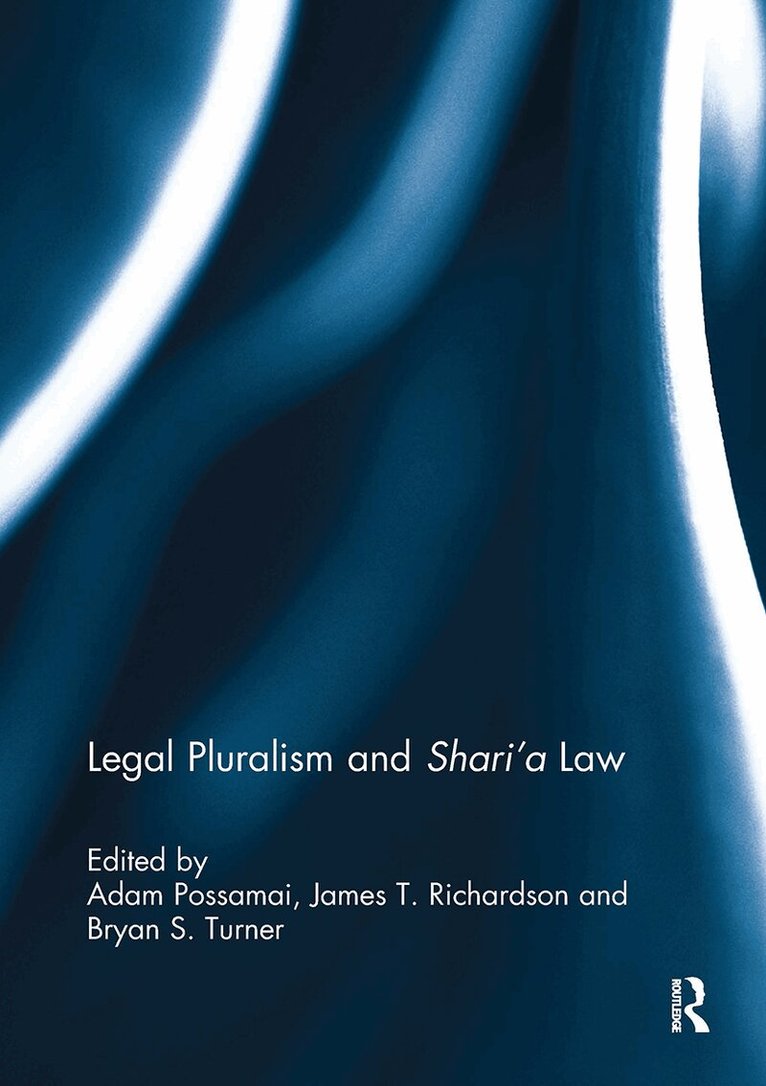
Legal pluralism has often been associated with post-colonial legal developments especially where common law survived alongside tribal and customary laws. Focusing on Sharī‘a, this book examines the legal policies and experiences of various societies with different traditions of citizenship, secularism and common law. Where large diasporic communities of migrants develop, there will be some demand for the institutionalization of Sharī‘a at least in the resolution of domestic disputes. This book tests the limits of multiculturalism by exploring the issue that any recognition of cultural differences might imply similar recognition of legal differences. It also explores the debate about post-secular societies specifically to the presentation and justification of beliefs and institutions by both religious and secular citizens.
This book was published as a special issue of Democracy and Security.
762 kr
Läs direkt efter köp
Legal pluralism has often been associated with post-colonial legal developments especially where common law survived alongside tribal and customary laws. Focusing on Sharī‘a, this book examines the legal policies and experiences of various societies with different traditions of citizenship, secularism and common law. Where large diasporic communities of migrants develop, there will be some demand for the institutionalization of Sharī‘a at least in the resolution of domestic disputes. This book tests the limits of multiculturalism by exploring the issue that any recognition of cultural differences might imply similar recognition of legal differences. It also explores the debate about post-secular societies specifically to the presentation and justification of beliefs and institutions by both religious and secular citizens.
This book was published as a special issue of Democracy and Security.
754 kr
Skickas inom 10-15 vardagar
827 kr
Skickas inom 10-15 vardagar
2 526 kr
Skickas inom 10-15 vardagar
815 kr
Skickas inom 10-15 vardagar