1 816 kr
Skickas inom 10-15 vardagar
1 816 kr
Skickas inom 10-15 vardagar
564 kr
Skickas inom 10-15 vardagar
710 kr
Skickas inom 10-15 vardagar
2 526 kr
Skickas inom 10-15 vardagar
658 kr
Läs direkt efter köp
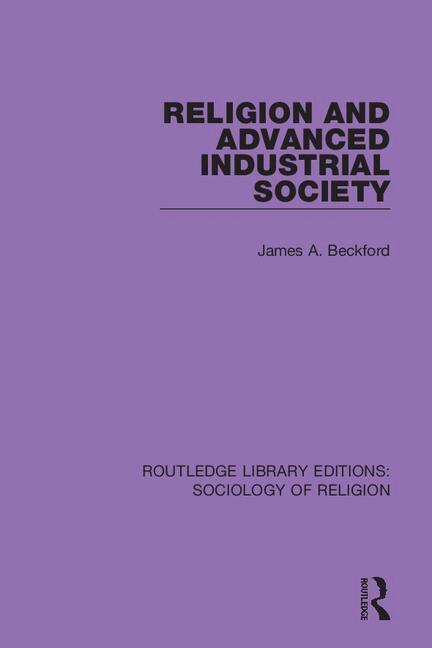
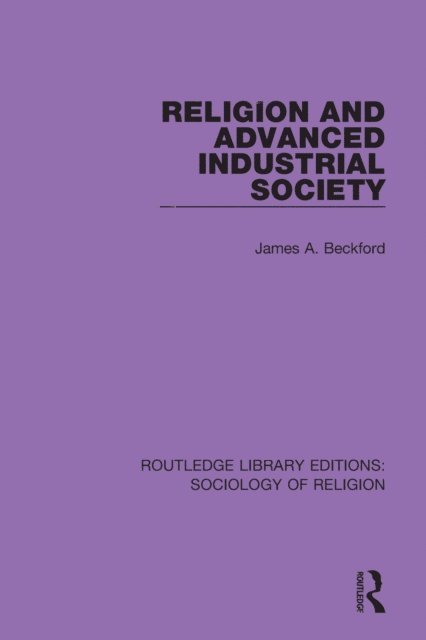
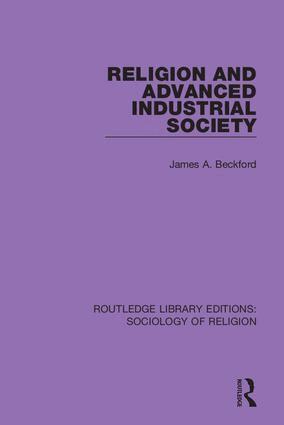
This book, first published in 1989, demonstrates that sociologists have much to gain from a strengthening of the connections between general theories about the changing character of modern western societies and specific studies of religion. It combines an exegesis of sociological classics in the study of religion, and a history of their influence upon the subject’s development; a criticism of Talcott Parson’s attempt to synthesise classical viewpoints into a single theory of modernity; a discussion of post-Parsonian theories of religion’s declining importance; and an argument that some quasi-Marxist thinkers may offer fresh insights into the place of religion in capitalist societies.
569 kr
Skickas inom 7-10 vardagar
1 529 kr
Skickas inom 7-10 vardagar
1 481 kr
Skickas inom 7-10 vardagar
711 kr
Skickas inom 7-10 vardagar
2 497 kr
Skickas inom 10-15 vardagar
707 kr
Skickas inom 10-15 vardagar
939 kr
Läs direkt efter köp
963 kr
Läs direkt efter köp
815 kr
Skickas inom 10-15 vardagar
826 kr
Läs direkt efter köp
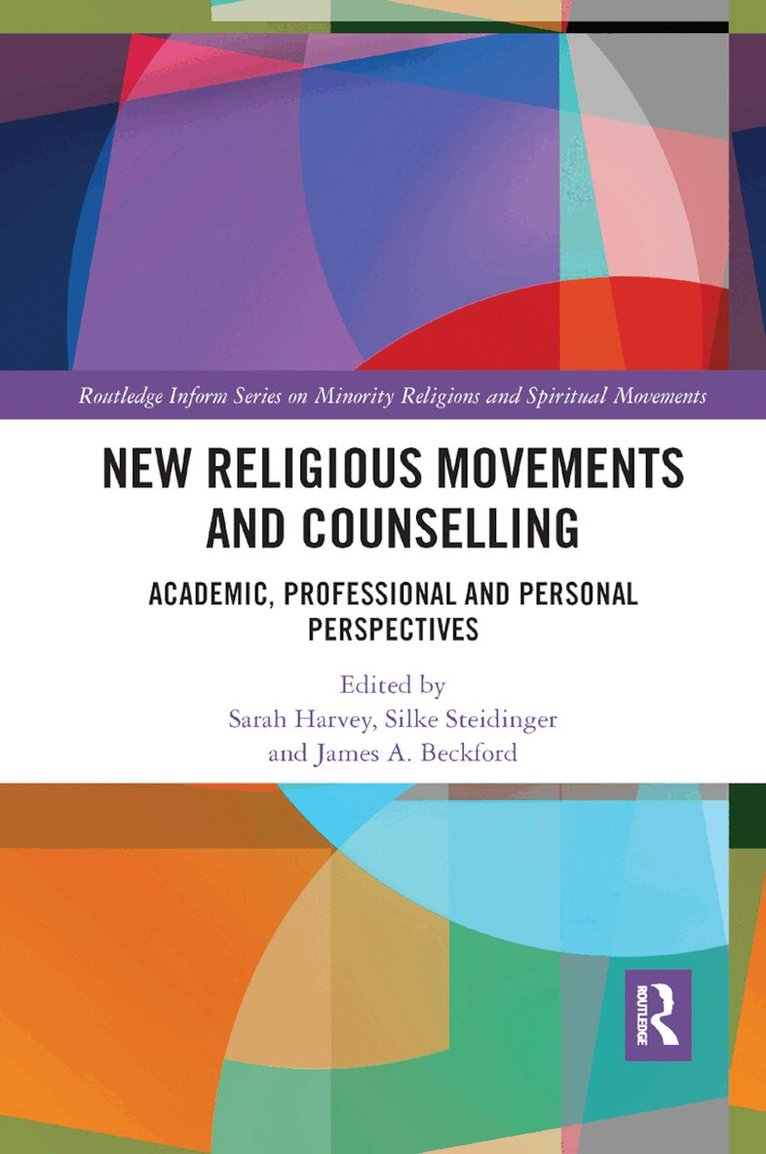
There are many different ways in which minority religions and counselling may interact. In some cases there can be antagonism between counselling services and minority religions, with each suspecting they are ideologically threatened by the other, but it can be argued that the most common relationship is one of ignorance – mental health professionals do not pay much attention to religion and often do not ask or consider their client’s religious affiliation. To date, the understanding of this relationship has focused on the ‘anti-cult movement’ and the perceived need for members of minority religions to undergo some form of ‘exit counselling’. In line with the series, this volume takes a non-judgemental approach and instead highlights the variety of issues, religious groups and counselling approaches that are relevant at the interface between minority religion and counselling.
The volume is divided into four parts: Part I offers perspectives on counselling from different professions; Part II offers chapters from the field leaders directly involved in counselling former members of minority religions; Part III offers unique personal accounts by members and former members of a number of different new religions; while Part IV offers chapters on some of the most pertinent current issues in the counselling/minority religions fields, written by new and established academics. In every section, the volume seeks to explore different permutations of the counsellor-client relationship when religious identities are taken into account. This includes not only ‘secular’ therapists counselling former members of religion, but the complexities of the former member turned counsellor, as well as counselling practised both within religious movements and by religious movements that offer counselling services to the ‘outside’ world.

831 kr
Läs direkt efter köp
There are many different ways in which minority religions and counselling may interact. In some cases there can be antagonism between counselling services and minority religions, with each suspecting they are ideologically threatened by the other, but it can be argued that the most common relationship is one of ignorance – mental health professionals do not pay much attention to religion and often do not ask or consider their client’s religious affiliation. To date, the understanding of this relationship has focused on the ‘anti-cult movement’ and the perceived need for members of minority religions to undergo some form of ‘exit counselling’. In line with the series, this volume takes a non-judgemental approach and instead highlights the variety of issues, religious groups and counselling approaches that are relevant at the interface between minority religion and counselling.
The volume is divided into four parts: Part I offers perspectives on counselling from different professions; Part II offers chapters from the field leaders directly involved in counselling former members of minority religions; Part III offers unique personal accounts by members and former members of a number of different new religions; while Part IV offers chapters on some of the most pertinent current issues in the counselling/minority religions fields, written by new and established academics. In every section, the volume seeks to explore different permutations of the counsellor-client relationship when religious identities are taken into account. This includes not only ‘secular’ therapists counselling former members of religion, but the complexities of the former member turned counsellor, as well as counselling practised both within religious movements and by religious movements that offer counselling services to the ‘outside’ world.
826 kr
Läs direkt efter köp
813 kr
Läs direkt efter köp
3 453 kr
Skickas inom 3-6 vardagar
2 502 kr
Skickas inom 10-15 vardagar
11 736 kr
Skickas inom 7-10 vardagar
1 693 kr
Skickas inom 7-10 vardagar