Providing a clear and accessible guide to using pre-modern English legal sources, Researching with English Court Records, 1200–1700 introduces readers to the legal archives of this transformational period and outlines how they might be used for various lines of historical research. By 1700, most English people lived within reach of a range of law courts and regularly found themselves embroiled in legal processes. The documents produced during these processes represent some of the most coherent and consistent primary sources available to historians. Yet even aside from its sheer volume, the paperwork remaining from any single part of England’s sprawling system of courts can pose significant challenges to researchers. This book offers a set of newly commissioned, expert guides to legal documents, with chapters divided into two sections. Part I, ‘Courts and their Records’, consists of chapters by scholars in law, history, and archives outlining the development and records of specific English jurisdictions between 1200 and 1700, including manor courts, church courts, common-law courts, and newer equity and admiralty jurisdictions. In Part II, ‘Approaches to Legal Records’, chapters explore the value and utility of legal documents for different histories: from the study of crime, punishment, and popular politics to the more recently developed histories of gender and marginalised peoples.The target audience is researchers new to this material: including, but not limited to, university students looking for primary source materials for dissertations; authors of trade histories seeking illustrative sources; and members of the public hoping to use legal archives for family history research.
Providing a clear and accessible guide to using pre-modern English legal sources, Researching with English Court Records, 1200–1700 introduces readers to the legal archives of this transformational period and outlines how they might be used for various lines of historical research. By 1700, most English people lived within reach of a range of law courts and regularly found themselves embroiled in legal processes. The documents produced during these processes represent some of the most coherent and consistent primary sources available to historians. Yet even aside from its sheer volume, the paperwork remaining from any single part of England’s sprawling system of courts can pose significant challenges to researchers. This book offers a set of newly commissioned, expert guides to legal documents, with chapters divided into two sections. Part I, ‘Courts and their Records’, consists of chapters by scholars in law, history, and archives outlining the development and records of specific English jurisdictions between 1200 and 1700, including manor courts, church courts, common-law courts, and newer equity and admiralty jurisdictions. In Part II, ‘Approaches to Legal Records’, chapters explore the value and utility of legal documents for different histories: from the study of crime, punishment, and popular politics to the more recently developed histories of gender and marginalised peoples.The target audience is researchers new to this material: including, but not limited to, university students looking for primary source materials for dissertations; authors of trade histories seeking illustrative sources; and members of the public hoping to use legal archives for family history research.
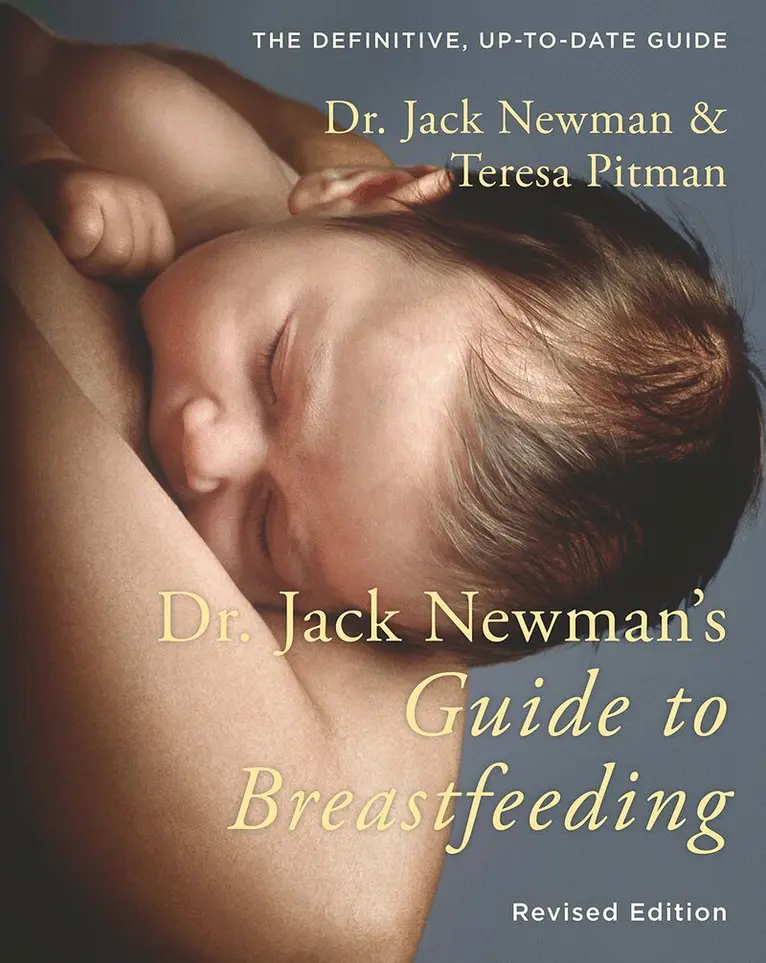
Breastfeeding is the natural and healthy way to nourish your baby, yet it's not always easy. New mothers need practical information about getting off to a good start and solving breastfeeding challenges. Health professionals need this information too, because it is rarely taught in medical school. Dr. Jack Newman's Guide to Breastfeeding covers the most common problems and questions that mothers encounter: - How do I help my baby to get a good latch - How can I know if my baby is getting enough milk - How can I help him get more? - Can I avoid sore nipples? - Will my medication affect my baby? - How do I fit breastfeeding into my life when I'm so busy? The answers are here. Dr. Jack Newman and Teresa Pitman are two of the world's foremost lactation experts and have helped tens of thousands of new mothers find solutions that work. In this comprehensive guide, they share the most current information about breastfeeding and provide new, effective strategies and solutions to make breastfeeding work for you.