1 097 kr
Läs direkt efter köp
1 097 kr
Läs direkt efter köp
1 097 kr
Läs direkt efter köp
1 581 kr
Skickas inom 5-8 vardagar
1 417 kr
Läs direkt efter köp
1 700 kr
Skickas inom 7-10 vardagar
2 497 kr
Skickas inom 10-15 vardagar
644 kr
Skickas inom 10-15 vardagar
738 kr
Läs direkt efter köp
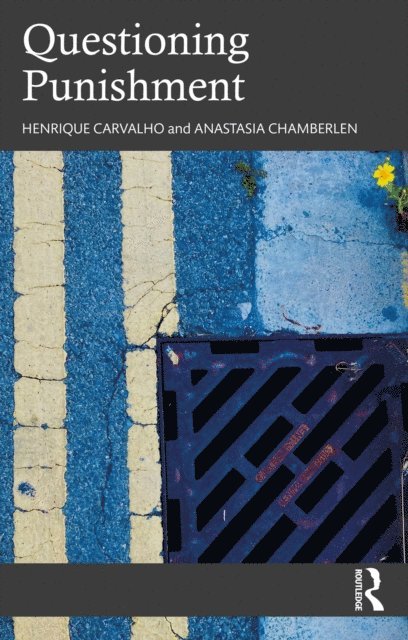
This book questions punishment as concept, social phenomenon and contemporary practice. It unpacks punishment’s nature and the assumptions that underpin it, examines its targets, objectives and implications, locates punishment and punitivity within their social contexts, and aims to unsettle the idea that there is something common-sensical, necessary and unavoidable about punitive justice.
Questioning Punishment develops its argument through an innovative structure organised around five central questions: what punishment is; who punishment’s targets and subjects are; how punishment is perpetuated and experienced; when and where punishment unfolds and why we punish. It ends by considering the implications of this enquiry to understandings of punishment and broader pursuits of justice.
This book is essential reading for all those engaged with the sociology of punishment and prisons, criminal justice and theoretical criminology.
746 kr
Läs direkt efter köp
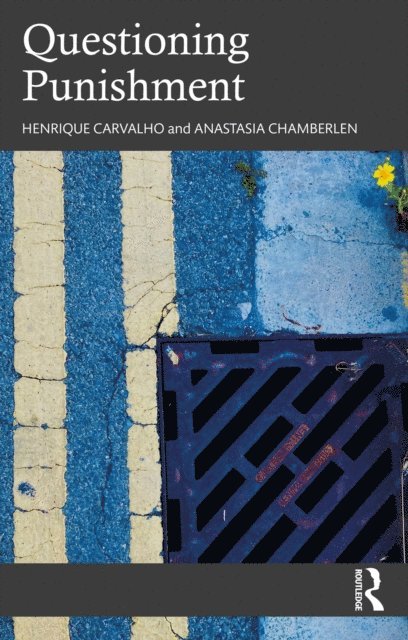
This book questions punishment as concept, social phenomenon and contemporary practice. It unpacks punishment’s nature and the assumptions that underpin it, examines its targets, objectives and implications, locates punishment and punitivity within their social contexts, and aims to unsettle the idea that there is something common-sensical, necessary and unavoidable about punitive justice.
Questioning Punishment develops its argument through an innovative structure organised around five central questions: what punishment is; who punishment’s targets and subjects are; how punishment is perpetuated and experienced; when and where punishment unfolds and why we punish. It ends by considering the implications of this enquiry to understandings of punishment and broader pursuits of justice.
This book is essential reading for all those engaged with the sociology of punishment and prisons, criminal justice and theoretical criminology.
2 324 kr
Skickas inom 10-15 vardagar
599 kr
Skickas inom 10-15 vardagar
671 kr
Läs direkt efter köp
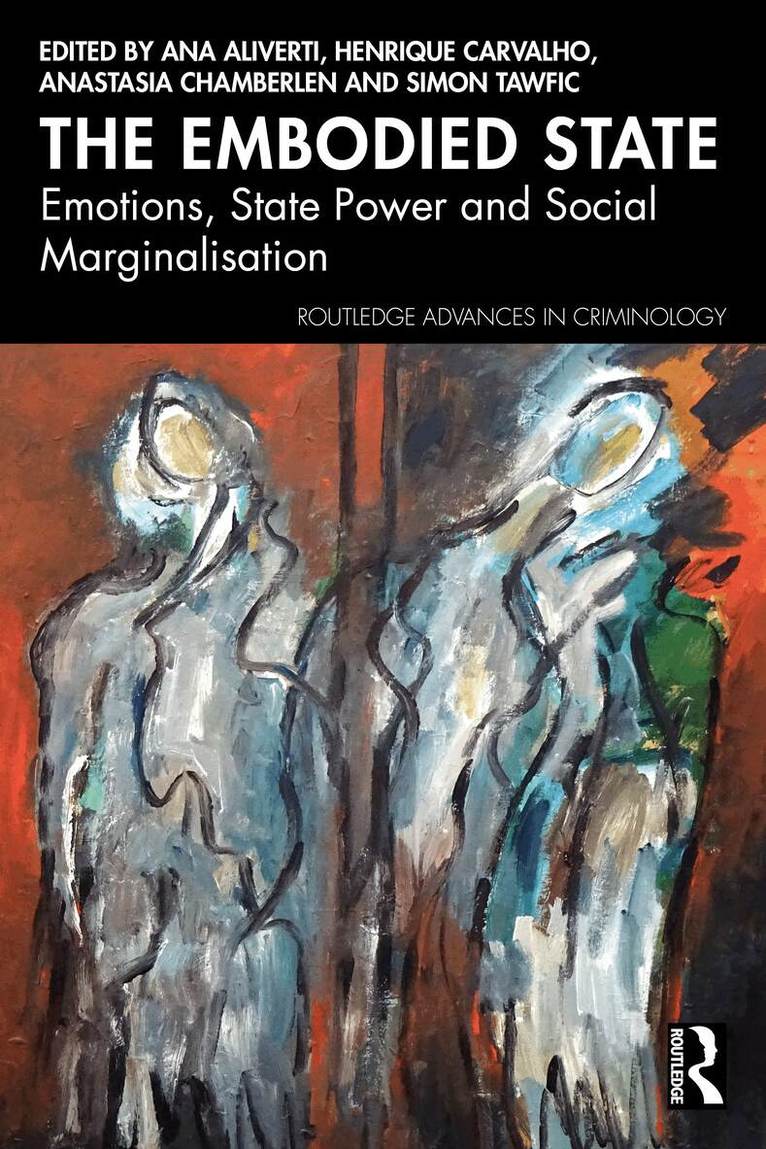
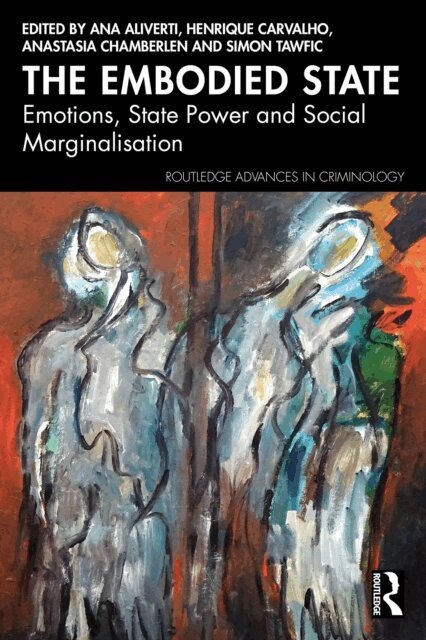
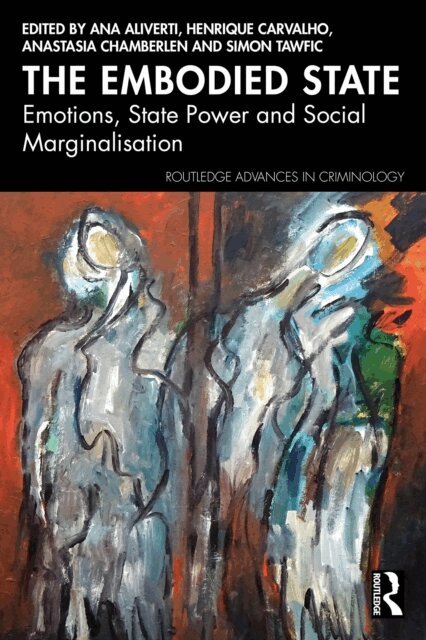
This edited collection advances a reconceptualisation of state power through emotions. Methodologically, it rethinks the study of the state from the bottom up, by seeking contributions that engage with performances and enactments of state power at the ground level, by frontline staff in direct contact with marginalised populations, and those that reflect on encounters with symbols and practices of state power. Conceptually, it advances a new theory of state power which places values and affects at the heart of its analysis.
In doing so, it seeks to make a crucial intellectual intervention in the study of the people, images and processes involved in the governance of social marginality in various institutional settings – criminal justice, immigration and asylum bureaucracies, the welfare system, the care sector, etc. – to explore how emotions are mobilised, how their expression in contemporary institutional settings of state power connects to broader moral and affective economies, the contradictions, and dilemmas they embody and reproduce, and the implications of these emotionalised forms of governance for state praxis and theory.
The Embodied State will therefore appeal to students and scholars of critical criminology, political sociology, anthropology, migration and border studies, and penology. It will also be of interest to policymakers and professionals involved in these fields.