1 299 kr
Läs direkt efter köp
1 299 kr
Läs direkt efter köp
1 299 kr
Läs direkt efter köp
1 581 kr
Skickas inom 5-8 vardagar
1 417 kr
Läs direkt efter köp
1 450 kr
Skickas inom 5-8 vardagar
2 311 kr
Skickas inom 10-15 vardagar
663 kr
Skickas inom 10-15 vardagar
2 324 kr
Skickas inom 10-15 vardagar
599 kr
Skickas inom 10-15 vardagar
671 kr
Läs direkt efter köp
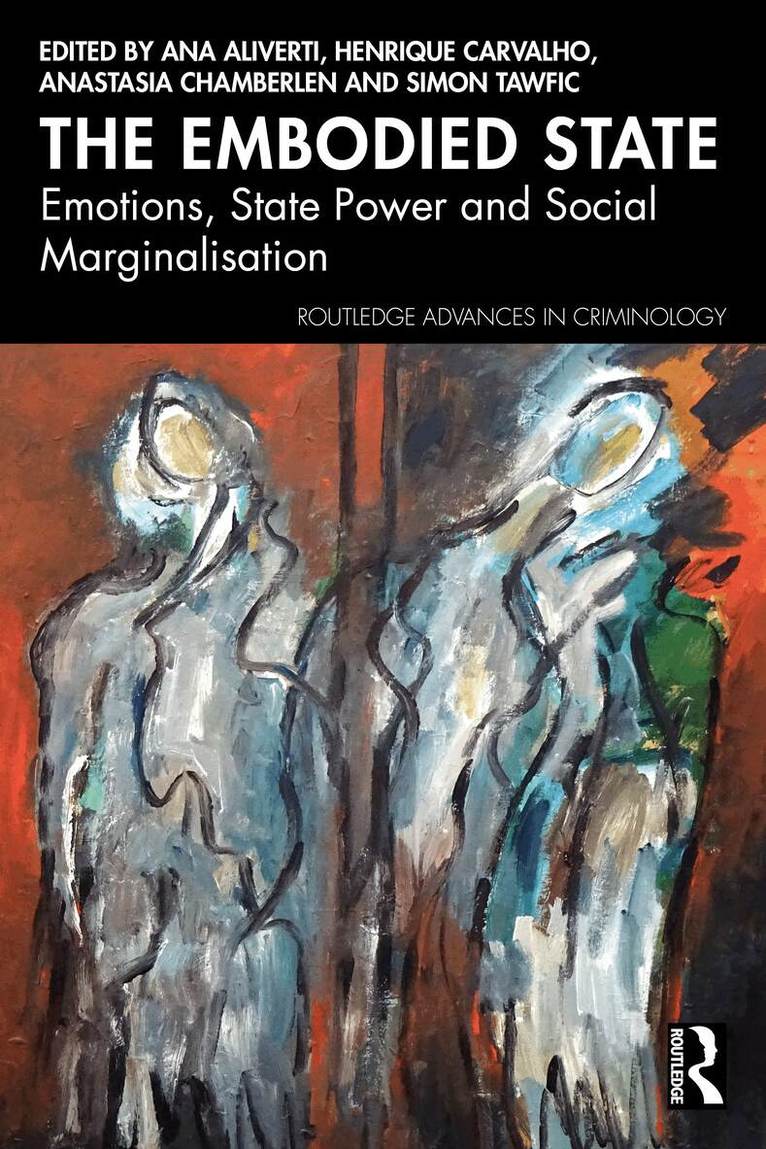
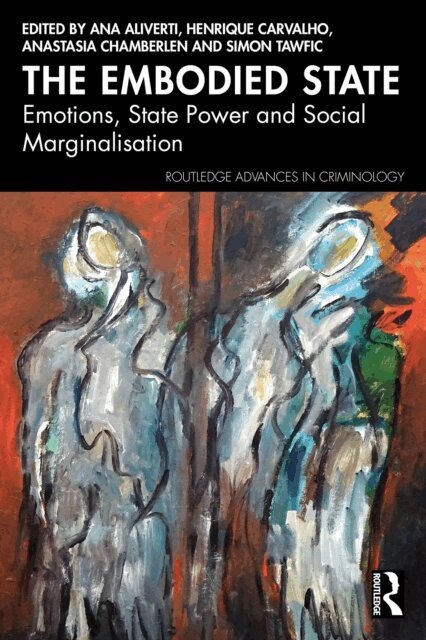
This edited collection advances a reconceptualisation of state power through emotions. Methodologically, it rethinks the study of the state from the bottom up, by seeking contributions that engage with performances and enactments of state power at the ground level, by frontline staff in direct contact with marginalised populations, and those that reflect on encounters with symbols and practices of state power. Conceptually, it advances a new theory of state power which places values and affects at the heart of its analysis.
In doing so, it seeks to make a crucial intellectual intervention in the study of the people, images and processes involved in the governance of social marginality in various institutional settings – criminal justice, immigration and asylum bureaucracies, the welfare system, the care sector, etc. – to explore how emotions are mobilised, how their expression in contemporary institutional settings of state power connects to broader moral and affective economies, the contradictions, and dilemmas they embody and reproduce, and the implications of these emotionalised forms of governance for state praxis and theory.
The Embodied State will therefore appeal to students and scholars of critical criminology, political sociology, anthropology, migration and border studies, and penology. It will also be of interest to policymakers and professionals involved in these fields.
775 kr
Läs direkt efter köp
Winner of the 2014 British Society of Criminology Book Prize
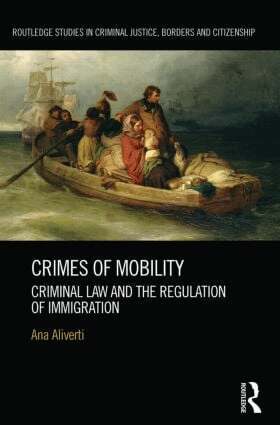
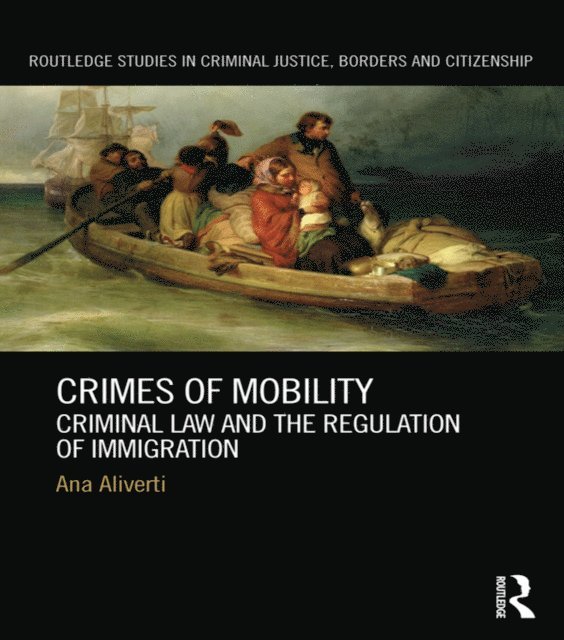
This book examines the role of criminal law in the enforcement of immigration controls over the last two decades in Britain. The criminalization of immigration status has historically served functions of exclusion and control against those who defy the state’s powers over its territory and population. In the last two decades, the powers to exclude and punish have been enhanced by the expansion of the catalogue of immigration offences and their more systematic enforcement.
This book is the first in-depth analysis on criminal offences in Britain, and presents original empirical material about the use of criminal powers against suspected immigration wrongdoers. Based on interviews with practitioners and staff at the UK Border Agency and data from court cases involving immigration defendants, it examines prosecution decision making and the proceedings before the criminal justice system. Crimes of Mobility critically analyses the criminalization of immigration status and, more generally, the functions of the criminal law in immigration enforcement, from a legal and normative perspective.
It will be of interest to academics and research students working on criminology, criminal law, criminal justice, socio-legal studies, migration and refugee studies, and human rights, as well as criminal law and immigration practitioners.
781 kr
Läs direkt efter köp
Winner of the 2014 British Society of Criminology Book Prize
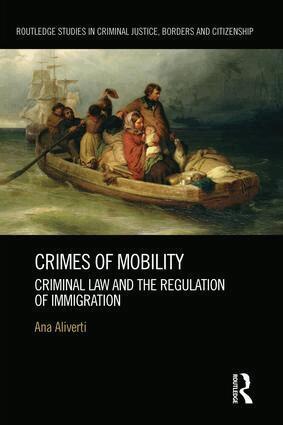
This book examines the role of criminal law in the enforcement of immigration controls over the last two decades in Britain. The criminalization of immigration status has historically served functions of exclusion and control against those who defy the state’s powers over its territory and population. In the last two decades, the powers to exclude and punish have been enhanced by the expansion of the catalogue of immigration offences and their more systematic enforcement.
This book is the first in-depth analysis on criminal offences in Britain, and presents original empirical material about the use of criminal powers against suspected immigration wrongdoers. Based on interviews with practitioners and staff at the UK Border Agency and data from court cases involving immigration defendants, it examines prosecution decision making and the proceedings before the criminal justice system. Crimes of Mobility critically analyses the criminalization of immigration status and, more generally, the functions of the criminal law in immigration enforcement, from a legal and normative perspective.
It will be of interest to academics and research students working on criminology, criminal law, criminal justice, socio-legal studies, migration and refugee studies, and human rights, as well as criminal law and immigration practitioners.
913 kr
Kommande