2 602 kr
Skickas inom 10-15 vardagar
2 602 kr
Skickas inom 10-15 vardagar
716 kr
Skickas inom 10-15 vardagar
2 602 kr
Skickas inom 10-15 vardagar
2 761 kr
Skickas inom 10-15 vardagar
798 kr
Skickas inom 10-15 vardagar
590 kr
Skickas inom 10-15 vardagar
410 kr
Läs direkt efter köp
482 kr
Läs direkt efter köp
478 kr
Läs direkt efter köp
852 kr
Skickas inom 10-15 vardagar
956 kr
Läs direkt efter köp
As the activities of individuals, organizations, and nations increasingly occur in cyberspace, the security of those activities is becoming a growing concern. Political, economic and military leaders must manage and reduce the level of risk associated with threats from hostile states, malevolent nonstate actors such as organized terrorist groups or individual hackers, and high-tech accidents. The impact of the information technology revolution on warfare, global stability, governance, and even the meaning of existing security constructs like deterrence is significant. These essays examine the ways in which the information technology revolution has affected the logic of deterrence and crisis management, definitions of peace and war, democratic constraints on conflict, the conduct of and military organization for war, and the growing role of the private sector in providing security. This book was previously published as a special issue of the journal Contemporary Security Policy.
963 kr
Läs direkt efter köp
As the activities of individuals, organizations, and nations increasingly occur in cyberspace, the security of those activities is becoming a growing concern. Political, economic and military leaders must manage and reduce the level of risk associated with threats from hostile states, malevolent nonstate actors such as organized terrorist groups or individual hackers, and high-tech accidents. The impact of the information technology revolution on warfare, global stability, governance, and even the meaning of existing security constructs like deterrence is significant. These essays examine the ways in which the information technology revolution has affected the logic of deterrence and crisis management, definitions of peace and war, democratic constraints on conflict, the conduct of and military organization for war, and the growing role of the private sector in providing security. This book was previously published as a special issue of the journal Contemporary Security Policy.
942 kr
Läs direkt efter köp
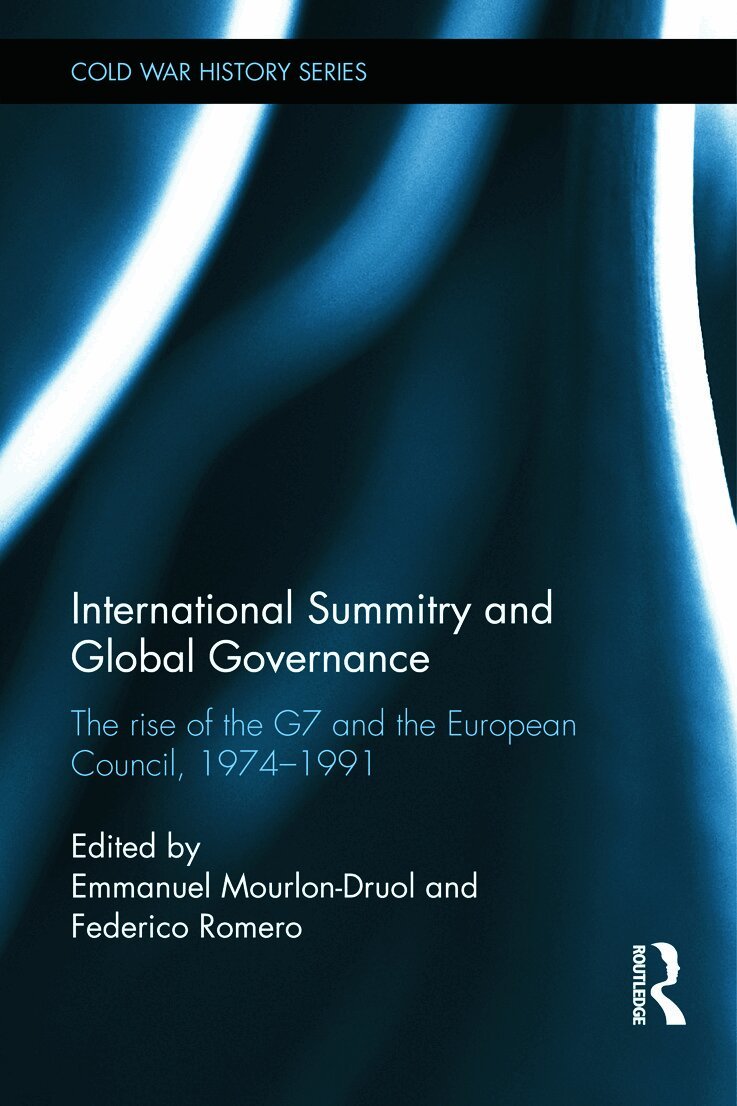
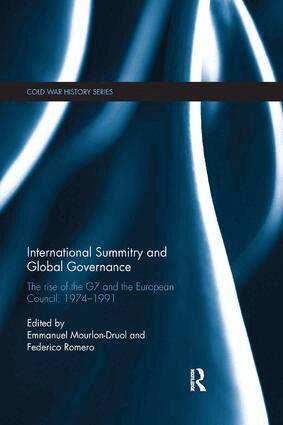
This volume is the first detailed study of the emergence of regular and frequent heads of government meetings (summits), covering the period from the mid-1970s to the early 1990s.
Summit meetings of heads of government have become ''banal'' in today''s world. Yet they are a relatively recent practice that took off only in the mid-1970s. The aim of the book is to explore the origins of this new feature of global governance in its historical context. Why did heads of Western governments decide to regularly meet up in the European Council and the G7? What were they aiming at? How were these meetings run and what consequences did they have? How did other actors of international relations – states as well as non-state and/or transnational actors - react to this transformation?
Based on newly released archival material, International Summitry and Global Governance investigates the rise of regular international summitry and its impact on international relations. The volume brings together the best specialists of this new field of historical enquiry in order to explore those features of global governance in their historical context, and open up an interdisciplinary dialogue with social scientists who have studied summits from their own disciplinary perspectives.
This book will be of much interest to students of international history, Cold War studies, global governance, foreign policy and IR in general.
949 kr
Läs direkt efter köp
This volume is the first detailed study of the emergence of regular and frequent heads of government meetings (summits), covering the period from the mid-1970s to the early 1990s.
Summit meetings of heads of government have become ''banal'' in today''s world. Yet they are a relatively recent practice that took off only in the mid-1970s. The aim of the book is to explore the origins of this new feature of global governance in its historical context. Why did heads of Western governments decide to regularly meet up in the European Council and the G7? What were they aiming at? How were these meetings run and what consequences did they have? How did other actors of international relations – states as well as non-state and/or transnational actors - react to this transformation?
Based on newly released archival material, International Summitry and Global Governance investigates the rise of regular international summitry and its impact on international relations. The volume brings together the best specialists of this new field of historical enquiry in order to explore those features of global governance in their historical context, and open up an interdisciplinary dialogue with social scientists who have studied summits from their own disciplinary perspectives.
This book will be of much interest to students of international history, Cold War studies, global governance, foreign policy and IR in general.
1 755 kr
Skickas inom 10-15 vardagar
530 kr
Läs direkt efter köp
518 kr
Läs direkt efter köp
488 kr
Skickas inom 10-15 vardagar
440 kr
Skickas inom 10-15 vardagar
785 kr
Läs direkt efter köp
785 kr
Läs direkt efter köp
2 056 kr
Skickas inom 10-15 vardagar
410 kr
Läs direkt efter köp