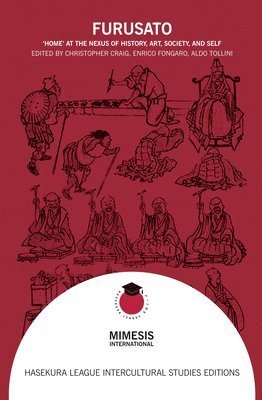
Furusato (home, hometown, and/or place of origin) is a revered and idealized concept in Japan. On an individual level, it plays a central role in personal identity; in a broader social and cultural milieu, it is constitutive of a sense of nostalgia for a romanticized and impossible past; and in the political and legal realms, it connects with ideas of Japaneseness and the construction of foreign others. While the specific forms it takes in context provide a Japanese veneer to the idea of furusato, it in fact finds close analogues in ideas of ‘home’ and ‘origin’ around the world. This volume collects essays exploring furusato and its cognates in other languages and regions. 14 scholars from Japan and Europe employ a diverse array of disciplinary tools, drawing from history, philosophy, literature, anthropology, religious studies, and art history, to map out the contours of home and elucidate the meanings contained within it.
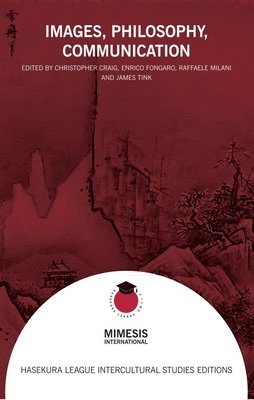
Images represent a fusion of creativity, imagination, and symbolism and are crucial to the human quest to discover, invent, and experiment with ever-new visions. Philosophy plays a vital role in interpreting change in an era of rapid and dramatic transformations and providesthe means to view the phenomenon of taste through the lenses of form, doing, and representing. Adopting a perspective that runs from antiquity to the future, the works in this volume analyze human work as expressed in the arts, poetics, and creative techniques in the light of a formative idea that cuts across cultures and epochs and within the framework of the history of Japanese, East Asian, and Western civilizations.
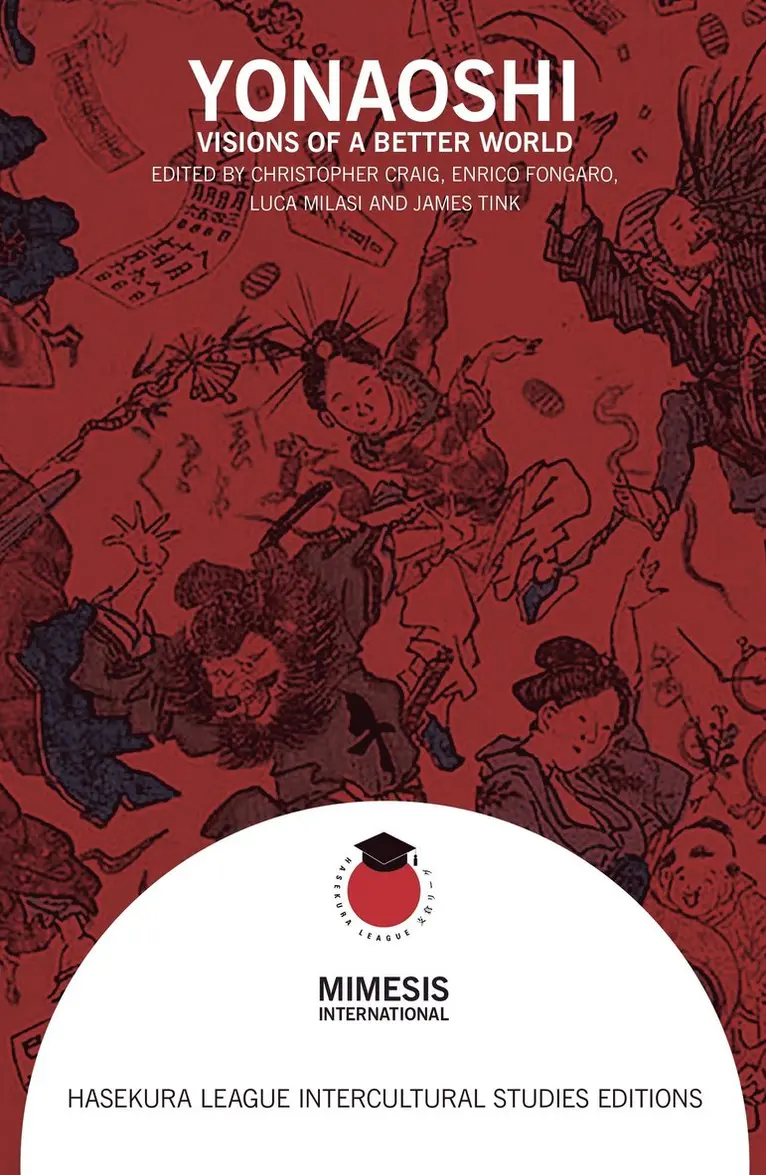
Yonaoshi (世直し、よなおし, world renewal/repair/remaking) is a Japanese term that first appeared in the context of peasant uprisings in the mid-nineteenthth century, signifying the restoration and/or recreation of the world in an ideal form. In the years since, it has been used to evoke a variety of ideas for fixing, redirecting, or recreating all human society in part or entirely. Although arising from a specifically Japanese context, the term nonetheless resonates with experiences and thought among settings around the world. This volume brings together scholars working in such diverse fields as anthropology, art history, literature, history and philosophy, focusing their research on regions across the world to discuss the concept of Yonaoshi in a diverse variety of contexts – temporal, spatial, disciplinary – and the global connections it reveals.