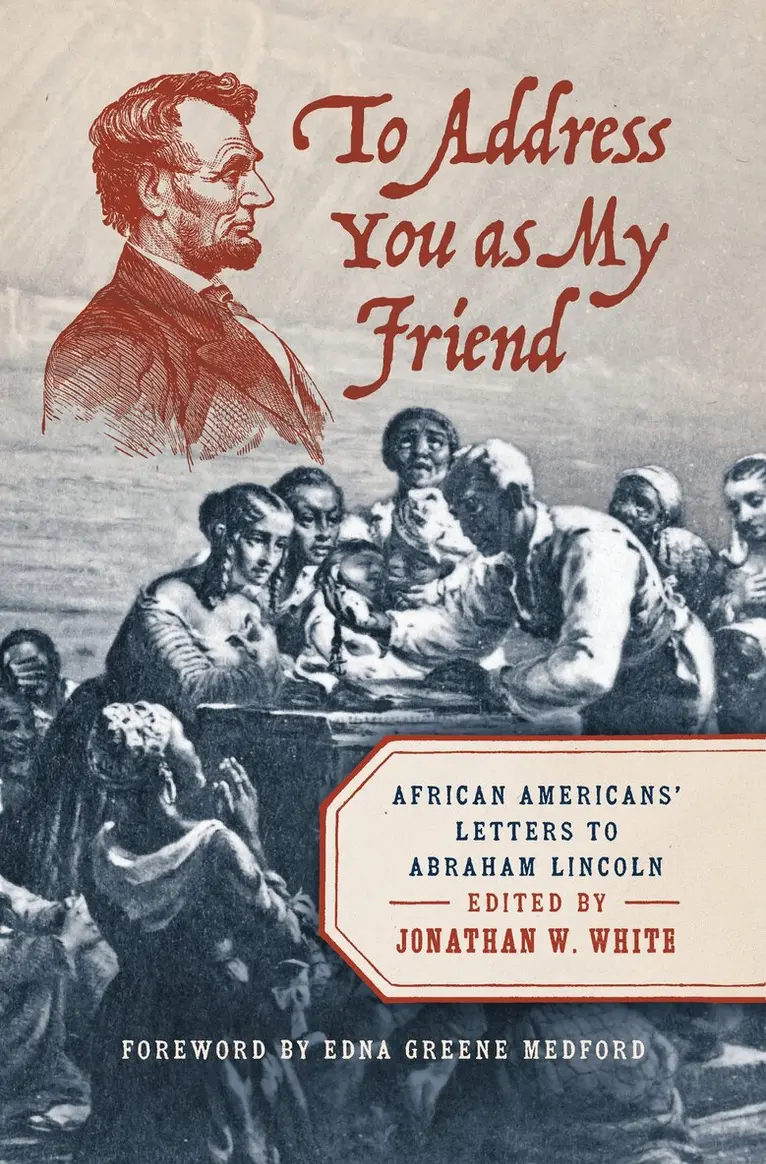
Many African Americans of the Civil War era felt a personal connection to Abraham Lincoln. For the first time in their lives, an occupant of the White House seemed concerned about the welfare of their race. Indeed, despite the tremendous injustice and discrimination that they faced, African Americans now had confidence to write to the president and to seek redress of their grievances. Their letters express the dilemmas, doubts, and dreams of both recently enslaved and free people in the throes of dramatic change. For many, writing Lincoln was a last resort. Yet their letters were often full of determination, making explicit claims to the rights of U.S. citizenship in a wide range of circumstances. This compelling collection presents more than 120 letters from African Americans to Lincoln, most of which have never before been published. They offer unflinching, intimate, and often heart-wrenching portraits of Black soldiers' and civilians' experiences in wartime. As readers continue to think critically about Lincoln's image as the "Great Emancipator," this book centers African Americans' own voices to explore how they felt about the president and how they understood the possibilities and limits of the power invested in the federal government.
Many African Americans of the Civil War era felt a personal connection to Abraham Lincoln. For the first time in their lives, an occupant of the White House seemed concerned about the welfare of their race. Indeed, despite the tremendous injustice and discrimination that they faced, African Americans now had confidence to write to the president and to seek redress of their grievances. Their letters express the dilemmas, doubts, and dreams of both recently enslaved and free people in the throes of dramatic change. For many, writing Lincoln was a last resort. Yet their letters were often full of determination, making explicit claims to the rights of U.S. citizenship in a wide range of circumstances. This compelling collection presents more than 120 letters from African Americans to Lincoln, most of which have never before been published. They offer unflinching, intimate, and often heart-wrenching portraits of Black soldiers' and civilians' experiences in wartime. As readers continue to think critically about Lincoln's image as the "Great Emancipator," this book centers African Americans' own voices to explore how they felt about the president and how they understood the possibilities and limits of the power vested in the federal government.
Accepting Kicks from Nobody follows multiple generations of a midwestern family from the closing decades of the eighteenth century well into the twentieth. Born enslaved immediately after the American Revolution, William Trail, the family patriarch, self-emancipated near the end of the War of 1812, escaping from western South Carolina to southeastern Indiana Territory. There, William helped to clear the land for settlement, established economic ties with his white neighbors, defended his freedom twice, married, raised seven sons, and provided a comfortable existence for his family through farming and carpentry.In Indiana, William and his freeborn wife managed to secure an education for their children, who, in turn, educated the next generation. Four of the Trail sons served in the Federal Army during the Civil War; two made the ultimate sacrifice. Trail's descendants continued the family quest by becoming leaders in their community who sought liberty and justice for all.For this broadly researched, multigenerational biography, historians Charles M. Hubbard and Edna Greene Medford mine archival sources such as personal correspondence and papers, official documents from state and national agencies, and oral histories of William Trail's early experiences collected and recorded by his sons. The saga of this rural family epitomizes the experiences of many "ordinary" Americans who have pursued life, liberty, and happiness—and whose stories are seldom told.