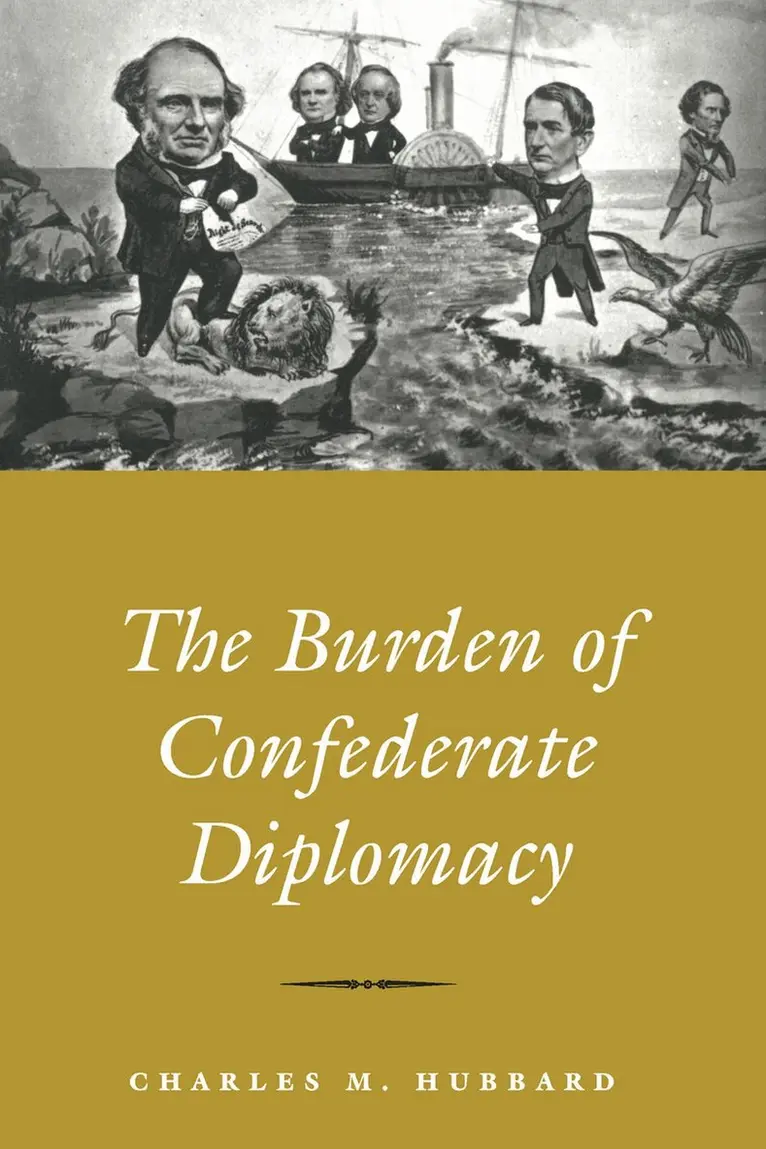
"Thoroughly researched . . . [Hubbard’s] interpretation is solid, well supported, and touches all of the major aspects of Confederate diplomacy."—American Historical Review"As the first examination of the topic since King Cotton Diplomacy (1931), this work deserves widespread attention. Hubbard offers a convincingly bleak portrayal of the limited skills and myopic vision of Rebel diplomacy at home and abroad."—Virginia Magazine of History and BiographyOf the many factors that contributed to the South’s loss of the Civil War, one of the most decisive was the failure of Southern diplomacy. In this penetrating work, Charles M. Hubbard reassesses the diplomatic efforts made by the Confederacy in its struggle to become an independent nation. Hubbard focuses both on the Confederacy’s attempts to negotiate a peaceful separation from the Union and Southern diplomats’ increasingly desperate pursuit of state recognition from the major European powers.Drawing on a large body of sources, Hubbard offers an important reinterpretation of the problems facing Confederate diplomats. He demonstrates how the strategies and objectives of the South’s diplomatic program—themselves often poorly conceived—were then placed in the hands of inexperienced envoys who were ill-equipped to succeed in their roles as negotiators.The Author: Charles M. Hubbard is associate professor of history at Lincoln Memorial University and executive director of the Abraham Lincoln Memorial Museum in Harrogate, Tennessee.
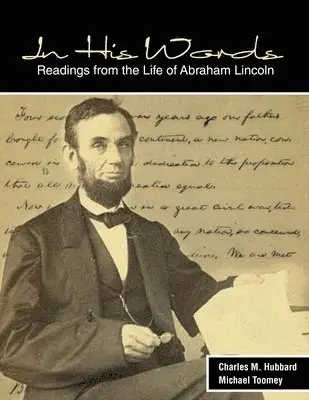
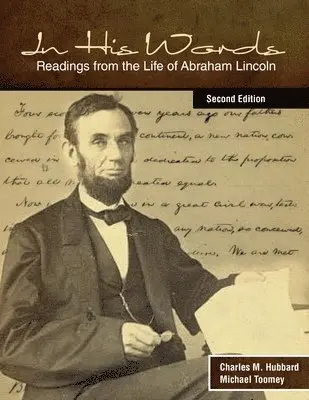
Provides readers with documentary evidence of the workings of Abraham Lincoln. While not designed as a documentary biography on Lincoln, the publication does include letters, speeches, fragmentary notes, and other writings in chronological order.
Accepting Kicks from Nobody follows multiple generations of a midwestern family from the closing decades of the eighteenth century well into the twentieth. Born enslaved immediately after the American Revolution, William Trail, the family patriarch, self-emancipated near the end of the War of 1812, escaping from western South Carolina to southeastern Indiana Territory. There, William helped to clear the land for settlement, established economic ties with his white neighbors, defended his freedom twice, married, raised seven sons, and provided a comfortable existence for his family through farming and carpentry.In Indiana, William and his freeborn wife managed to secure an education for their children, who, in turn, educated the next generation. Four of the Trail sons served in the Federal Army during the Civil War; two made the ultimate sacrifice. Trail's descendants continued the family quest by becoming leaders in their community who sought liberty and justice for all.For this broadly researched, multigenerational biography, historians Charles M. Hubbard and Edna Greene Medford mine archival sources such as personal correspondence and papers, official documents from state and national agencies, and oral histories of William Trail's early experiences collected and recorded by his sons. The saga of this rural family epitomizes the experiences of many "ordinary" Americans who have pursued life, liberty, and happiness—and whose stories are seldom told.
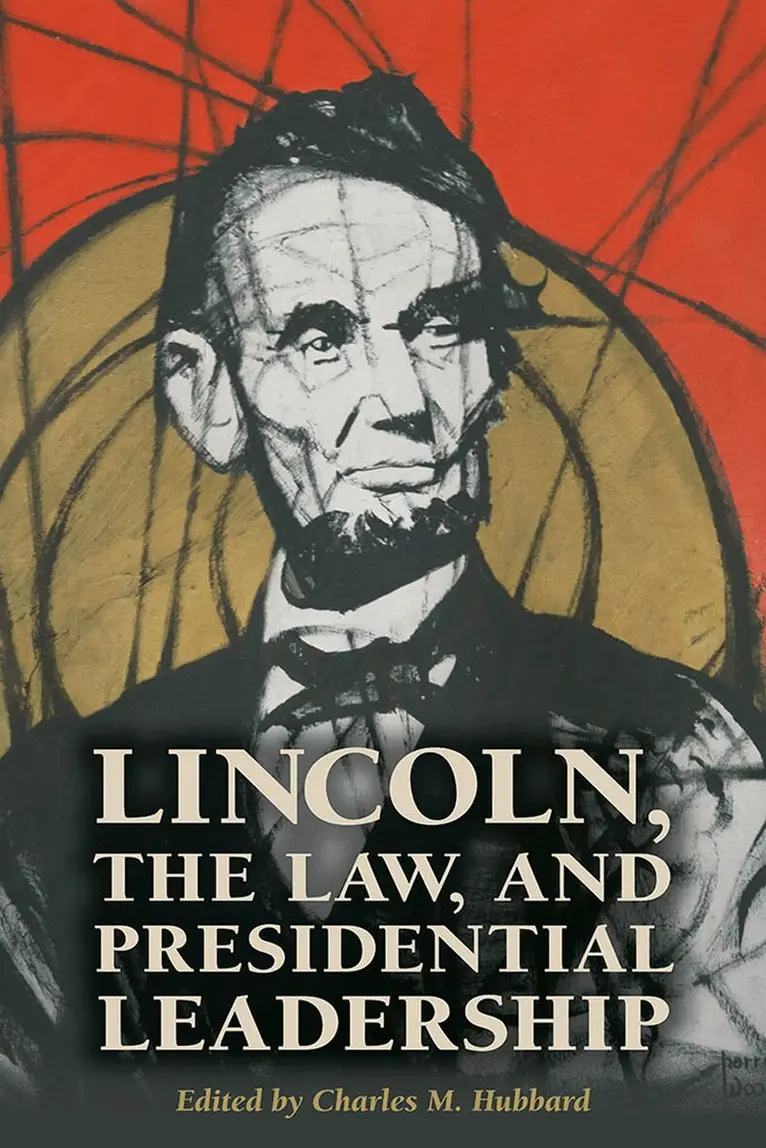
The influence of law on Lincoln’s presidencyFrom his early years as a smalltown lawyer through his rise to the presidency, Abraham Lincoln respected the rule of law. Secession and the Civil War, however, led him to expand presidential power in ways that often put him at odds with the Supreme Court and Congress. In this incisive essay collection, recognized scholars from a variety of academic disciplines—including history, political science, legal studies, and journalism—explore Lincoln’s actions as president and identify within his decisionmaking process his commitment to law and order and the principles of the Constitution. In so doing, they demonstrate how wartime pressures and problems required Lincoln to confront the constitutional limitations imposed on the chief executive and expose the difficulty and ambiguity associated with the protection of civil rights during the Civil War. Among the topics addressed are civil liberties during wartime; presidential pardons; the loyalty (or treason) of government employees; Lincoln’s political ideology and its influence on his approach to citizenship; Lincoln’s defense of the Constitution, the Union, and popular government; constitutional restraints on Lincoln as he dealt with slavery and emancipation; and how Lincoln’s image has been used in presidential rhetoric. Although varied in their strategies and methodologies, these essays expand our understanding of Lincoln’s vision for a united nation grounded on the Constitution. Together, they provide an illuminating examination of the law as Lincoln applied it, the expansion of presidential war powers, and the foundation for the transformation of American society.