754 kr
754 kr
766 kr
Läs direkt efter köp
1 237 kr
Skickas inom 7-10 vardagar
761 kr
Läs direkt efter köp
456 kr
Skickas inom 7-10 vardagar
651 kr
Skickas inom 10-15 vardagar
2 526 kr
Skickas inom 10-15 vardagar
2 515 kr
Skickas inom 10-15 vardagar
2 515 kr
Skickas inom 10-15 vardagar
1 428 kr
Skickas inom 3-6 vardagar
484 kr
Skickas inom 7-10 vardagar
779 kr
Läs direkt efter köp
779 kr
Läs direkt efter köp
470 kr
Läs direkt efter köp
470 kr
Läs direkt efter köp
762 kr
Läs direkt efter köp
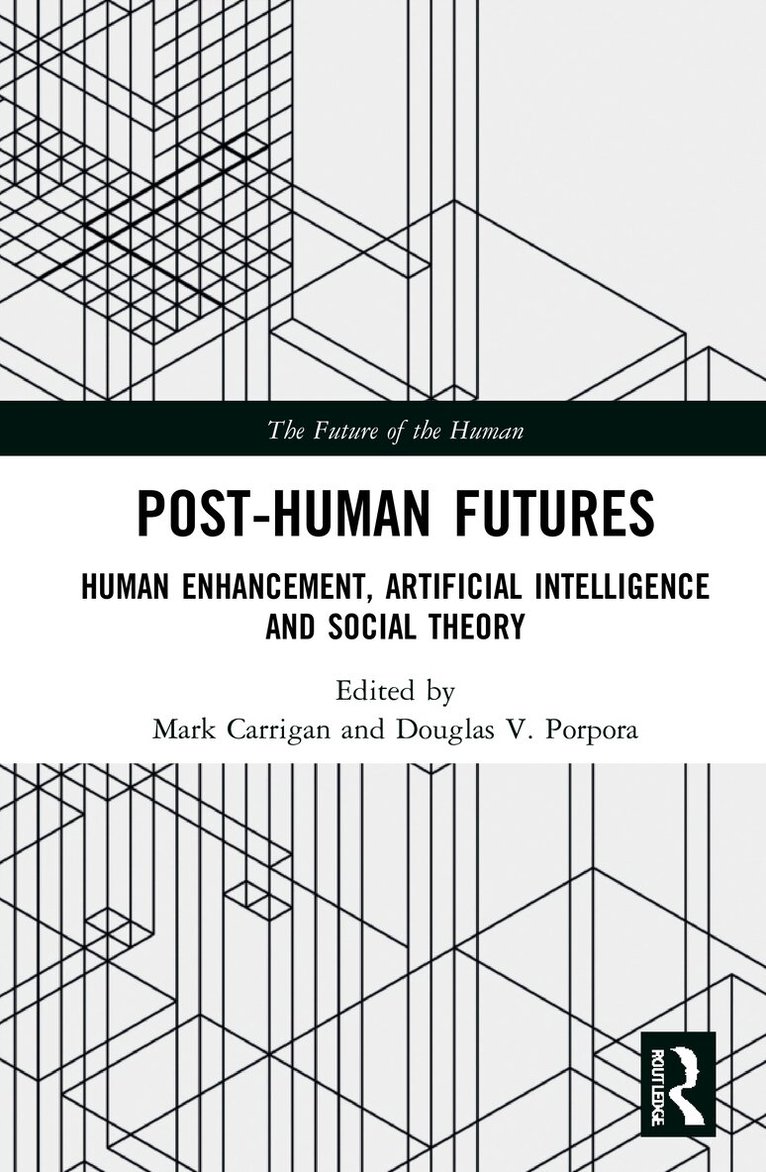
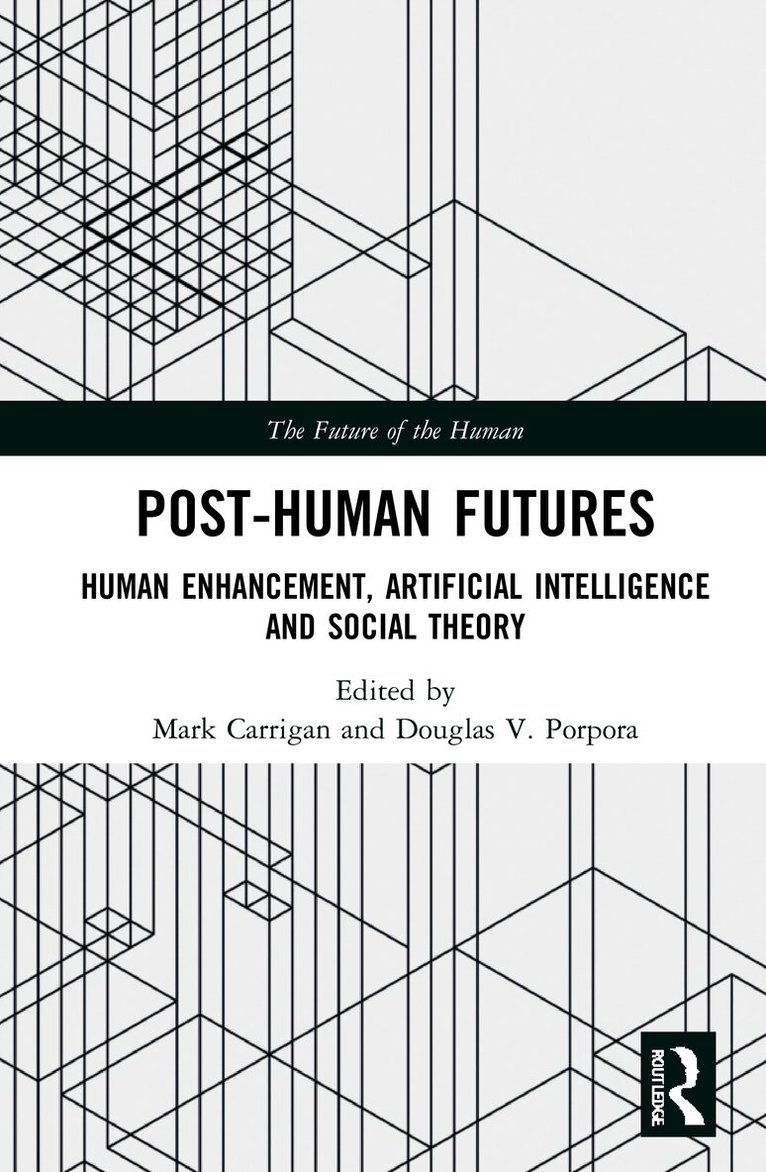
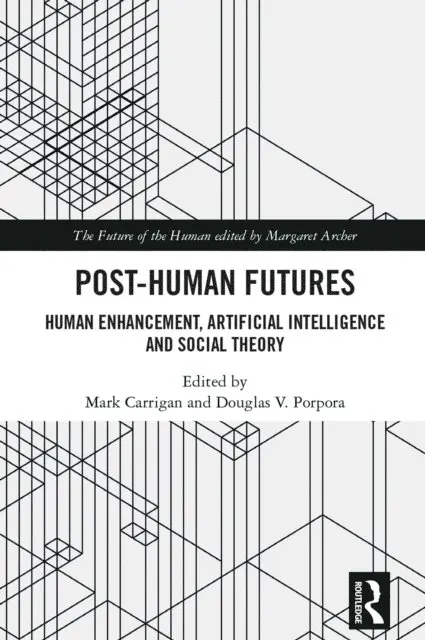
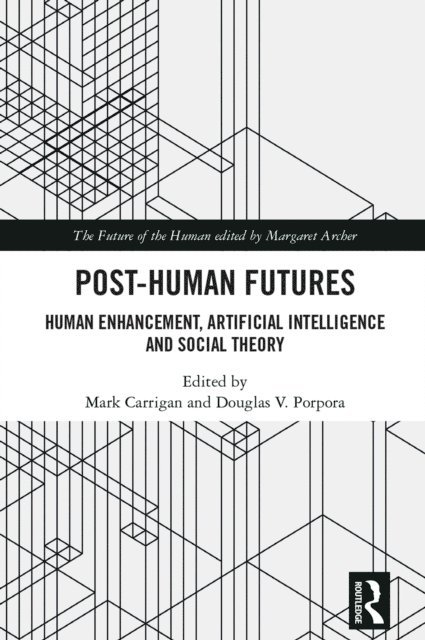
This volume engages with post-humanist and transhumanist approaches to present an original exploration of the question of how humankind will fare in the face of artificial intelligence. With emerging technologies now widely assumed to be calling into question assumptions about human beings and their place within the world, and computational innovations of machine learning leading some to claim we are coming ever closer to the long-sought artificial general intelligence, it defends humanity with the argument that technological ‘advances’ introduced artificially into some humans do not annul their fundamental human qualities. Against the challenge presented by the possibility that advanced artificial intelligence will be fully capable of original thinking, creative self-development and moral judgement and therefore have claims to legal rights, the authors advance a form of ‘essentialism’ that justifies providing a ‘decent minimum life’ for all persons. As such, while the future of the human is in question, the authors show how dispensing with either the category itself or the underlying reality is a less plausible solution than is often assumed.