813 kr
Skickas inom 7-10 vardagar
813 kr
Skickas inom 7-10 vardagar
808 kr
Skickas inom 7-10 vardagar
754 kr
1 066 kr
Läs direkt efter köp
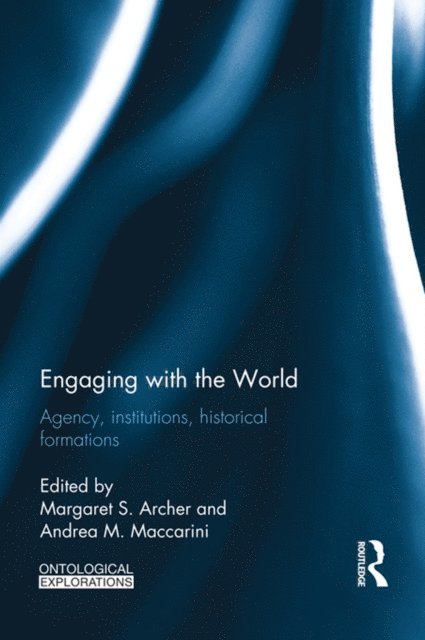
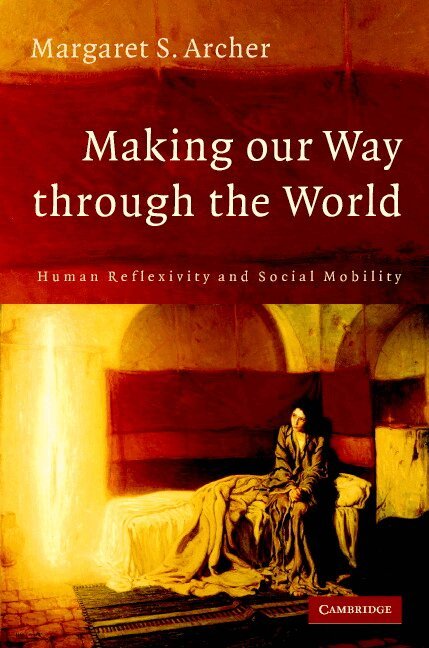
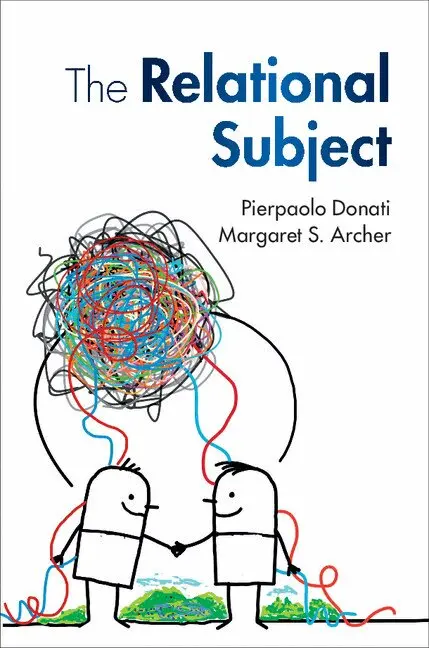
This title reflects the general theme of the 2010 IACR annual conference that was held in Padova, Italy, the aim of which was to provide a fresh view on some cultural and structural changes involving Western societies after the world economic crisis of 2008, from the point of view of Critical Realism.
Global society is often regarded as disrupting identities and blurring boundaries, one which entails giving up ideas of structure and fixity. Globalization supposedly introduces a "liquid" era of fluidity where everything is possible, and anything goes. Nevertheless, its current dynamics are developing into a harder reality: wars, economic crisis, the haunting risk of pandemics, the ever worsening food supply crisis, and the environmental challenge. These social facts call for a dramatic shift in the optimistic cosmopolitan mood and the thought that we can build and rebuild ourselves and our world as we please, at least for the most developed countries. The challenges we face produce new forms of social life and individual experience. They also require us to develop new frameworks to analyze emergent contexts, institutional complexes and morphogenetic fields, and new ways to understand human agency and the meaning of emancipation.
The book broadly falls into three parts:
The first, "Social Ontology and a New Historical Formation", deals with mainly social ontological issues, insofar as they are connected to social scientific and public issues in the emerging society of the XXI century.
The second, "Being human and the adventure of agency", is concerned with the way human beings adapts to the "new world" of "our times", and comes up with innovative models of agency and socialization.
The third, "The constitutionalization of the new world", explores critical realist perspectives, as compared to system-theoretical ones, on the issue of global order and justice.
In all of this, the challenge is to engage with this "new world" in a meaningful way, a task for which a realist mind set is badly needed. Critical realism provides a strong theoretical framework that can meet the challenge, and the book explores its contribution to making sense of, and coming to terms with, this historical formation.

2 526 kr
Skickas inom 10-15 vardagar
2 455 kr
Skickas inom 10-15 vardagar
695 kr
Skickas inom 10-15 vardagar
832 kr
Skickas inom 10-15 vardagar
2 526 kr
Skickas inom 10-15 vardagar
2 426 kr
Skickas inom 10-15 vardagar
2 526 kr
Skickas inom 10-15 vardagar
889 kr
Skickas inom 10-15 vardagar
1 552 kr
Skickas inom 7-10 vardagar
553 kr
Skickas inom 7-10 vardagar
667 kr
Skickas inom 7-10 vardagar
1 090 kr
Skickas inom 7-10 vardagar
471 kr
1 326 kr
Skickas inom 7-10 vardagar
814 kr
Läs direkt efter köp
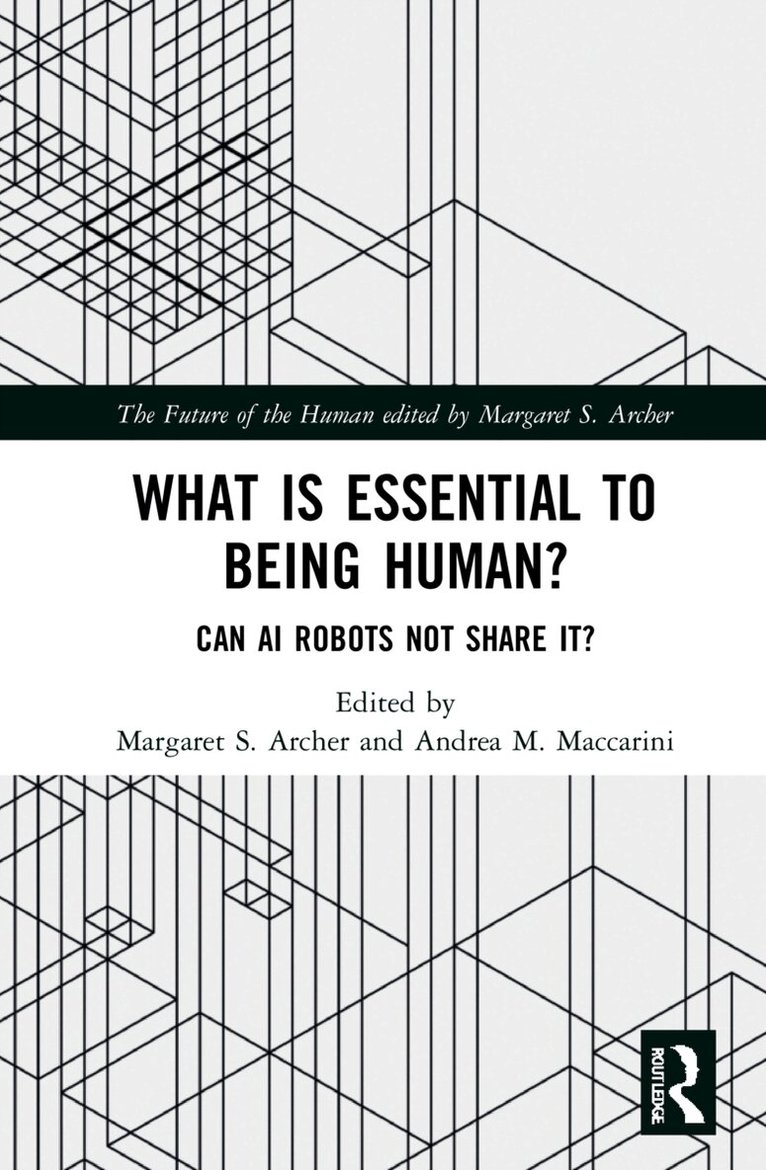
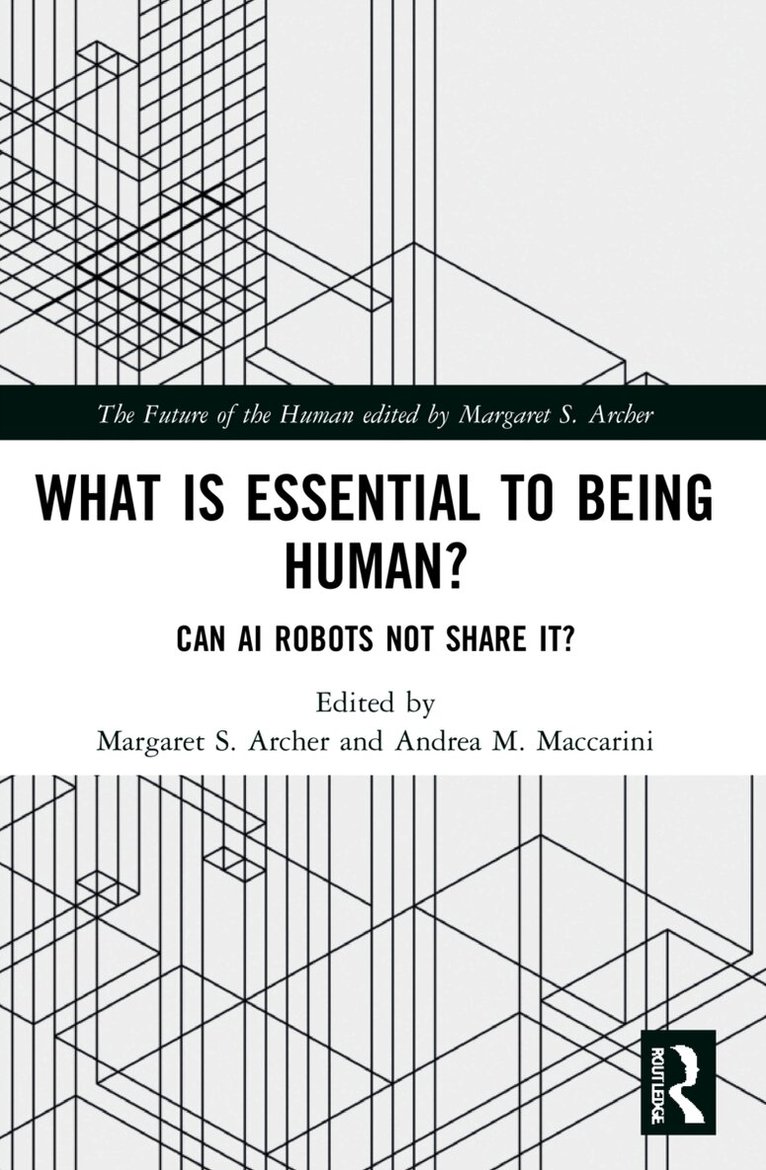
This book asks whether there exists an essence exclusive to human beings despite their continuous enhancement – a nature that can serve to distinguish humans from artificially intelligent robots, now and in the foreseeable future. Considering what might qualify as such an essence, this volume demonstrates that the abstract question of ‘essentialism’ underpins a range of social issues that are too often considered in isolation and usually justify ‘robophobia’, rather than ‘robophilia’, in terms of morality, social relations and legal rights. Any defence of human exceptionalism requires clarity about what property(ies) ground it and an explanation of why these cannot be envisaged as being acquired (eventually) by AI robots. As such, an examination of the conceptual clarity of human essentialism and the role it plays in our thinking about dignity, citizenship, civil rights and moral worth is undertaken in this volume. What is Essential to Being Human? will appeal to scholars of social theory and philosophy with interests in human nature, ethics and artificial intelligence.
808 kr
Läs direkt efter köp
This book asks whether there exists an essence exclusive to human beings despite their continuous enhancement – a nature that can serve to distinguish humans from artificially intelligent robots, now and in the foreseeable future. Considering what might qualify as such an essence, this volume demonstrates that the abstract question of ‘essentialism’ underpins a range of social issues that are too often considered in isolation and usually justify ‘robophobia’, rather than ‘robophilia’, in terms of morality, social relations and legal rights. Any defence of human exceptionalism requires clarity about what property(ies) ground it and an explanation of why these cannot be envisaged as being acquired (eventually) by AI robots. As such, an examination of the conceptual clarity of human essentialism and the role it plays in our thinking about dignity, citizenship, civil rights and moral worth is undertaken in this volume. What is Essential to Being Human? will appeal to scholars of social theory and philosophy with interests in human nature, ethics and artificial intelligence.
774 kr
Läs direkt efter köp
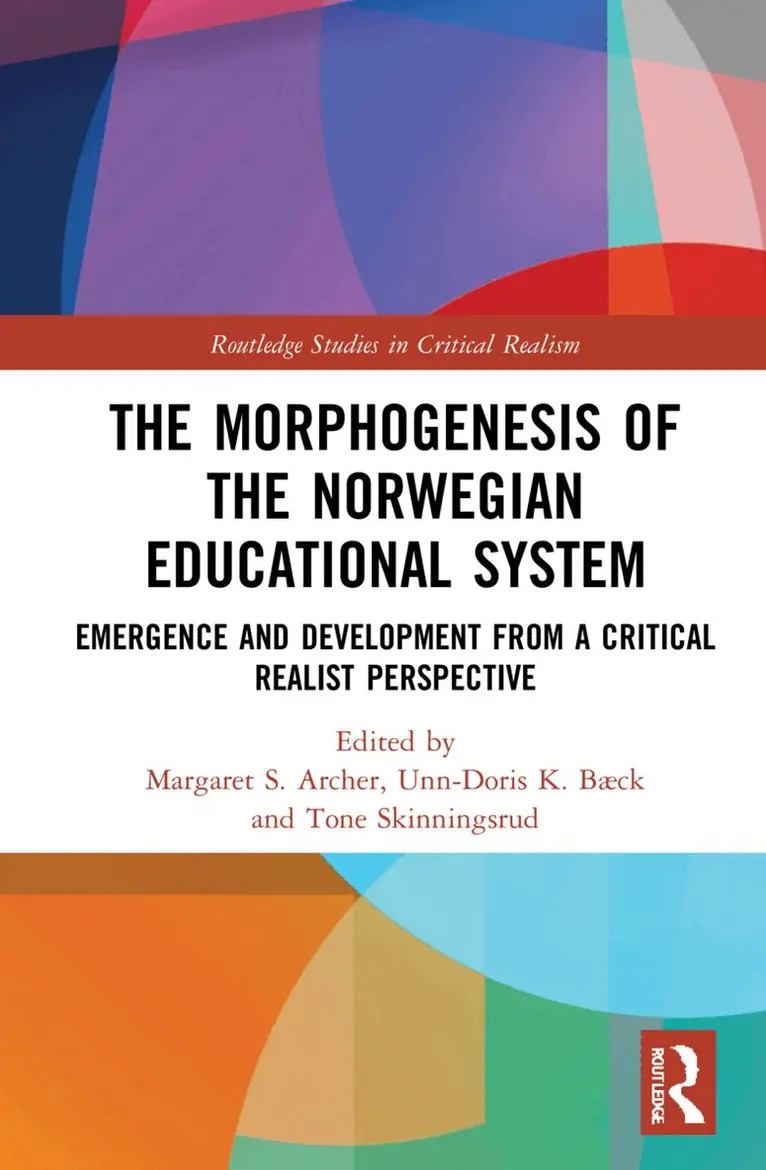
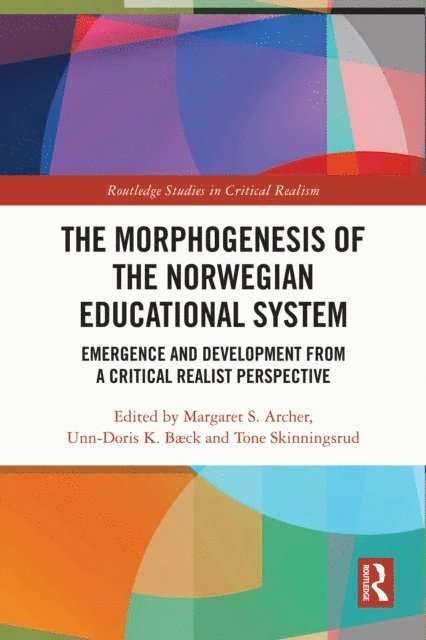
Based in the philosophy of critical realism, this book employs a range of Margaret Archer’s theoretical concepts to investigate temporal and spatial aspects of Norwegian education. Stemming from Archer’s engagement as visiting professor from 2017 to 2019 in the Department of Education at UiT The Arctic University of Norway, the book explores a new area for critical realist theorizing by asking how different spatial contexts affect the workings of the system. The various chapters employ diverse sets of Archer’s theoretical concepts; from morphogenetic cycles and the emergence of educational systems at the macro level, to the exercise of reflexivity among individual school leaders and students at the micro level. In contrast to the focus on educational homogeneity and similarity among Nordic and Scandinavian countries, and promotion of the conception of the ‘Nordic Model’, this book draws attention to differences between these nations as well as regional differences within Norway. As such, it will appeal to scholars with interests in education, sociology, critical realism, educational sciences and pedagogy, education history and political science as well those with a specific interest in the Nordic region.
1 455 kr
Skickas inom 7-10 vardagar
486 kr
Läs direkt efter köp
489 kr
Läs direkt efter köp
462 kr
Skickas
692 kr
Skickas inom 10-15 vardagar
1 270 kr
Skickas inom 7-10 vardagar
1 455 kr
Skickas inom 7-10 vardagar
569 kr
Skickas inom 7-10 vardagar