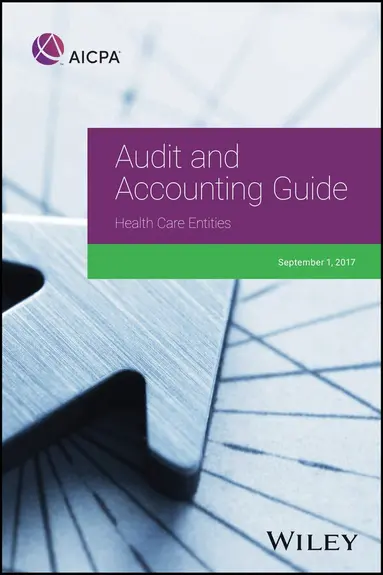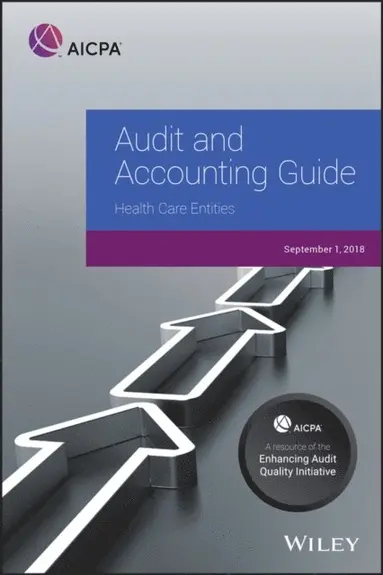
Audit and Accounting Guide: Health Care Entities, 2018
1 133 kr
Tillfälligt slut. Bevaka för att få ett mejl när produkten kan beställas.
Fler format och utgåvor
Beskrivning
Produktinformation
- Utgivningsdatum:2018-12-21
- Språk:Engelska
- ISBN:9781119577331
- Förlag:John Wiley & Sons Inc
- Serie:AICPA Audit and Accounting Guide
- Dimensioner:150 x 250 x 15 mm
Utforska kategorier
Mer om författaren
Founded in 1887, the American Institute of Certified Public Accountants (AICPA) represents the CPA and accounting profession nationally and globally regarding rule-making and standard-setting, and serves as an advocate before legislative bodies, public interest groups and other professional organizations. The AICPA develops standards for audits of private companies and other services by CPAs; provides educational guidance materials to its members; develops and grades the Uniform CPA Examination; and monitors and enforces compliance with the accounting profession’s technical and ethical standards.The AICPA's founding established accountancy as a profession distinguished by rigorous educational requirements, high professional standards, a strict code of professional ethics, a licensing status and a commitment to serving the public interest.
Innehållsförteckning
- 1 Overview and Unique Considerations of Health Care Entities 01-13Purpose 01Applicability 02-06Classification of Health Care Entities 07-08Regulatory Environment 09-13Health Care Reform 12-132 General Auditing Considerations 01-119Overview 01-02An Audit of Financial Statements 03-09Audit Risk 05-09Terms of Engagement 10-14Business Associate Agreements 14Audit Planning 15-18Group Audits 19-24Multi-Location Audits Versus Group Audits 23Complex Transactions 24Materiality 25-30Performance Materiality 29-30Qualitative Aspects of Materiality 31-32Use of Assertions in Assessment of Risks of Material Misstatement 33-34Risk Assessment Procedures 35-57Risk Assessment Procedures and Related Activities 37-43The Entity and Its Environment 44-57Additional Audit Considerations 58-99Analytical Procedures 58-59Accounting Estimates 60-62Transactions Processed by Service Organizations 63-66Compliance With Laws and Regulations 67-77Going-Concern Considerations 78-92Written Representations 93-99Independent Auditor’s Reports 100-102Single Audit Act and Related Audit Considerations 103-109Statutory Reporting Considerations for Health Plans 110-119Risk-Based Capital Requirements 114-115Deficiencies in Internal Control 116Communicating Internal Control Matters in an Audit 117Communications With Regulators 118-1193 Unique Financial Statement Considerations for Not-for-Profit Business-Oriented Health Care Entities 01-43Complete Set of Financial Statements 02-05Balance Sheet 06-08Statement of Operations 09-28Performance Indicator 12-17Other Intermediate Subtotals 18-20Discontinued Operations and Accounting Changes 21-22Revenues 23-25Expenses 26-28Statement of Changes in Net Assets (or Equity) 29-32Statement of Cash Flows 33-37Notes to the Financial Statements 38Subsequent Events 39-41Example Financial Statements 42-434 Cash, Cash Equivalents, and Investments 01-75Cash and Cash Equivalents 01-11Centralized Cash Management Arrangements 03-06Cash From Restricted Donations 07Other Restricted or Designated Cash Amounts 08-11Investments 12-73Fair Value Option 17-22Investments in Debt Securities and Certain Equity Securities With a Readily Determinable Fair Value That Are Not Recorded Under the Fair Value Option 23-35Investments in Certain Other Financial Instruments Without a Readily Determinable Fair Value That Are Not Recorded Under the Fair Value Option 36-38Investment Pools 39-47Fair Value Measurements 48Impairment of Investments 49-59Securities Lending Activities 60Transfers of Assets to an NFP or Charitable Trust for Investment 61-63Regulation 64Other Financial Statement Presentation Matters 65-73Auditing 74-755 Derivatives 01-44Introduction 01-05General Guidance 06-07Accounting for Changes in Fair Value of Derivative Instruments 08-12Fair Value Hedges 09Cash Flow Hedges 10-11Derivatives Not Designated as a Hedging Instrument 12Hedge Accounting Requirements 13-28Shortcut Method 20-28Hybrid Instruments, Host Contracts, and Embedded Derivatives 29-37Calls and Puts in Debt 33-34Derivatives Embedded in Split-Interest Agreements 35-37Other Matters 38-43Changes in Fair Value of Hedged Item 38Termination of Cash Flow Hedge by Debt Extinguishment 39Additional Presentation and Disclosure Requirements for NFP Business-Oriented Health Care Entities 40-43Auditing 446 Property and Equipment and Other Assets 01-53Overview 01-05Capitalized Interest 06-11Supplies, Rebates, and Discounts 12-13Lessee Involvement in Fixed Asset Construction14-17Asset Retirement and Environmental Remediation Obligations 18-20Impairment or Disposal 21-31Discontinued Operations 28-31Nonreciprocal Transfers 32-34Other Long-Lived Assets 35-43Financial Statement Presentation 44-47Auditing 48-537 Municipal Bond Financing 01-124Introduction 01-13Conduit Bonds That Trade in Public Markets 06-08Credit Enhancement 09-11Issuance of Municipal Bonds 12-13Extinguishment and Modification Transactions 14-17Calls and Mode Conversions 18-39Defeasance 20-26Modifications 27-31Gain or Loss on Debt Extinguishment 32-33Debt Issuance Costs Incurred in Connection With an Exchange or Modification of Debt Instruments 34-36Puts or Tender Options 37-39IRS Considerations 40-44Financial Statement Presentation and Disclosure 45-72Balance Sheet 45-63Statement of Operations 64-65Disclosures 66-72Obligated Group Reporting 73-74Interim Financial Reporting 75-76Auditing 77-123General 77-85Auditor Involvement With Municipal Securities Filings 86-112Letters for Underwriters and Other Requesting Parties 113-119Reference to the Auditor as an "Expert" 120Attestation Engagements Related to Municipal Securities Issuance 121-123Appendix — Municipal Securities Regulation 1248 Contingencies and Other Liabilities 01-129Contingencies and Commitments 02-61The Essentials of Recognition, Measurement, and Disclosure for Contingencies 03-09Managing Risk of Loss 10-12Medical Malpractice 13-47Disclosures for Medical Malpractice 48-53Physician Guarantees and Other Agreements With Physicians 54-61Other Liabilities 62-86Asset Retirement Obligations 62-64Compensation and Related Benefits 65-76Joint and Several Liability Arrangements 77-82Agency Funds 83-84Fees Paid to the Federal Government by Health Insurers 85-86Tax Considerations for NFP Health Care Entities 87-101Private Inurement and Intermediate Sanctions 94-95Unrelated Business Income 96State and Local Taxes 97Tax Positions 98-99Medicaid Voluntary Contribution or Taxation Programs 100-101Risks and Uncertainties 102-108Auditing Contingencies and Other Liabilities 109-127Auditing Medical Malpractice Loss Contingencies 110-113Auditing Accounting Estimates 114-119Use of Actuaries and Actuarial Methods120-123Evaluating Lawyers’ Responses 124-127Income Taxes 128Auditing Considerations 1299 Net Assets (Equity) 01-38Investor-Owned Health Care Entities 01Not-for-Profit Entities 02-25Net Asset Classes 05-18Reclassifications 19-25Classification of Donor-Restricted Endowment Funds 26-32Disclosure 33-37Auditing 3810 Health Care Service Revenue and Related Receivables 01-61Overview of the Health Care Environment 01-15Rate Setting With Third-Party Payors 05-10The Government Payor Environment 11-14Charity Care 15Types of Health Care Revenue 16Types of Payment Methodologies 17Patient (or Resident) Service Revenue 18-36Revenue Recognition 18-29Accounting and Financial Reporting Requirements 30-36Premium and Capitation Revenues 37-40Patient Receivables 41-45Estimated Final Settlements 46-54Auditing 55-60Accounts Receivable Confirmations 58-60Appendix — Implementation Guidance for Accounting Standards Update (ASU) No 2014-09, Revenue from Contracts with Customers (Topic 606) 6111 Contributions Received and Made 01-66Distinguishing Contributions From Other Transactions 03-08Contributions Received 09-32Expiration of Donor-Imposed Restrictions 12-14Promises to Give in Future Periods (Pledges) 15-24Contributions of Long-Lived Assets, the Use of Long-Lived Assets, or Resources to Acquire Them 25-27Contributed Services 28-32Reporting the Cost of Special Events and Other Fund-Raising Activities 33-40Naming Opportunities 36-39Investments Gain or Loss Related to Donor-Restricted Contributions 40Transfers of Assets to an NFP or Charitable Trust That Raises or Holds Contributions for Others 41-48Contributions Made 49Other Considerations 50-58Auditing 59-65Appendix — Q&A Section 6400, Health Care Entities 6612 The Reporting Entity and Related Entities 01-119Overview 01-02Reporting by NFP Health Care Entities 03-59Relationships With Another NFP 06-25Relationships With a For-Profit Entity 26-49Special Entities 50-59Reporting by Investor-Owned Health Care Entities 60-63Presentation of Consolidated and Combined Financial Statements 64-74Accounting for Transfers Between Related Entities 75-88Equity Transfers 76-79Equity Transactions 80-83Other Transfers 84-88Disclosure 89-90Mergers and Acquisitions 91-117Merger of NFPs 97-98Acquisition by an NFP 99-111Acquisition by an Investor-Owned Entity, Including a For-Profit Subsidiary of an NFP Health Care Entity 112-115Disclosures 116Acquired Entities 117Auditing 118Supplement — Flowcharts 11913 Financial Accounting and Reporting for Managed Care Services 01-30Overview 01-02Recognition and Classification of Revenue 03-12Capitation Arrangements 07Accounting for Health Care Costs 08-12Accounting for Loss Contracts 13-17Consideration of Anticipated Investment Income 17Accounting for Stop-Loss Insurance 18-19General and Administrative Expenses 20Acquisition Costs 21-22Financial Statement Display Considerations 23-29Balance Sheet 23-24Income and Cash Flow Statement 25-29Disclosures 3014 Financial Accounting and Reporting by Continuing Care Retirement Communities 01-52Overview 01-05Types of Contracts 06-10Advance Fees 08Periodic Fees 09Use Fees 10Types of Living Accommodations 11-12Fees and Payment Methods 13-15Accounting for Refundable Advance Fees 16-20Accounting for Fees Refundable to Residents Only From Reoccupancy Proceeds of a Contract Holder’s Unit 21-23Accounting for Nonrefundable Advance Fees 24-25Classification of Refundable Advance Fees 26-30Accounting for the Obligation to Provide Future Services and the Use of Facilities to Current Residents 31-35Accounting for the Costs of Acquiring Initial Continuing-Care Contracts 36Financial Statements 37-43Auditing 44-5215 Unique Considerations of State and Local Government Health Care Entities 01-217Introduction 01-02Applicability of This Chapter 03-04GAAP Hierarchy for Governmental Health Care Entities 05-11Applicability of FASB and AICPA Pronouncements 09-11Basic Financial Statements 12-33Statement of Net Position 13-18Statement of Revenues, Expenses, and Changes in Net Position 19-26Statement of Cash Flows 27Segment Reporting 28-29RSI, Including MD&A 30-33Measurement Attributes 34-35Cash, Cash Equivalents, and Investments 36-58Cash and Cash Equivalents 36-38Investments and Certain Equity Interests 39-58Derivatives 59-65Property and Equipment and Other Assets 66-85Capital Assets General 67-70Capital Asset Impairment 71-73Intangible Assets 74-76Leased Assets 80Service Concession Arrangements 81-84Disclosures 85Municipal Bond Financing and Other Long-Term Debt 86-94Debt Defeasance and Extinguishment 89-92Debt Issuance Costs 93Disclosures 94Contingencies and Other Liabilities 95-130Insurance-Related Contingencies 95-101Nonexchange Financial Guarantees 102-104Asset Retirement and Pollution Remediation Obligations 105-106Other Contingencies 107Compensation and Related Benefits 108-126Tax Considerations 127-128Disclosures 129-130Net Position 131-140Financial Reporting of Net Position 139-140Health Care Service Revenue and Receivables 141-144Contributions and Other Nonexchange Transactions 145-155The Reporting Entity and Related Entities 156-198Identifying Component Units 158-162Presentation of Component Units 163-170Equity Interests 171-177Institutionally-Related Foundations 178-183Government Combinations 184-198General Auditing Considerations for Governmental Health Care Entities 199-217Independent Auditor’s Reports 206-207Supplementary Information and Supporting Information,Including RSI 208-217Supplement A—Statement of Position 00-1, Auditing Health Care Third-Party Revenues and Related ReceivablesAppendixA Overview of Statements on Quality Control StandardsB References to Technical Questions and AnswersC The New Revenue Recognition Standard: FASB ASC 606D Accounting for Financial InstrumentsE Information SourcesF Category B GuidanceG The New Leases Standard: FASB ASC 842H The New Not-for-Profit Financial Reporting Model Standards: FASB ASU No 2016-14I Schedule of Changes Made to the Text From the Previous EditionGlossaryIndex of Pronouncements and Other Technical GuidanceSubject Index
Mer från samma författare
Alert: Developments in Preparation, Compilation, and Review Engagements, 2017/18
AICPA
624 kr