1 537 kr
Skickas inom 3-6 vardagar
1 537 kr
Skickas inom 3-6 vardagar
349 kr
Skickas inom 3-6 vardagar
1 552 kr
Skickas inom 7-10 vardagar
602 kr
Skickas inom 3-6 vardagar
1 515 kr
Skickas inom 3-6 vardagar
537 kr
Skickas inom 3-6 vardagar
1 515 kr
Skickas inom 3-6 vardagar
537 kr
Skickas inom 3-6 vardagar
1 537 kr
Skickas inom 3-6 vardagar
530 kr
Skickas inom 3-6 vardagar
1 537 kr
Skickas inom 3-6 vardagar
537 kr
Skickas inom 3-6 vardagar
1 901 kr
Skickas inom 3-6 vardagar
530 kr
Skickas inom 3-6 vardagar
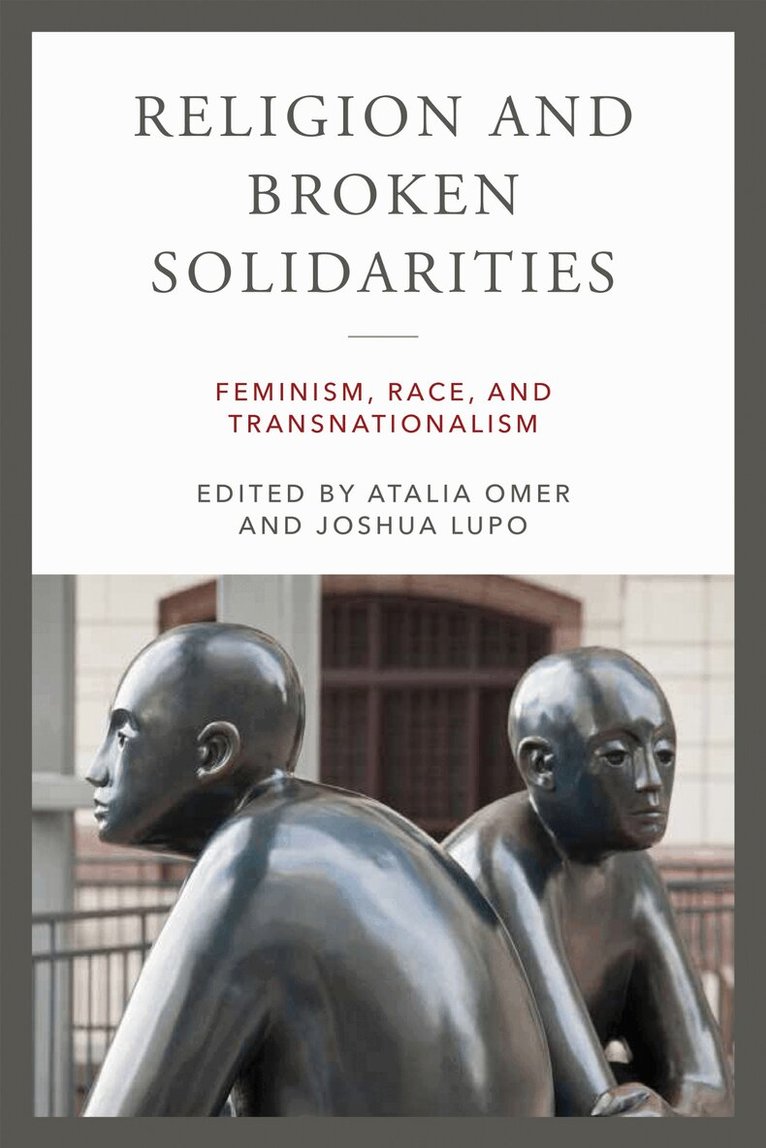
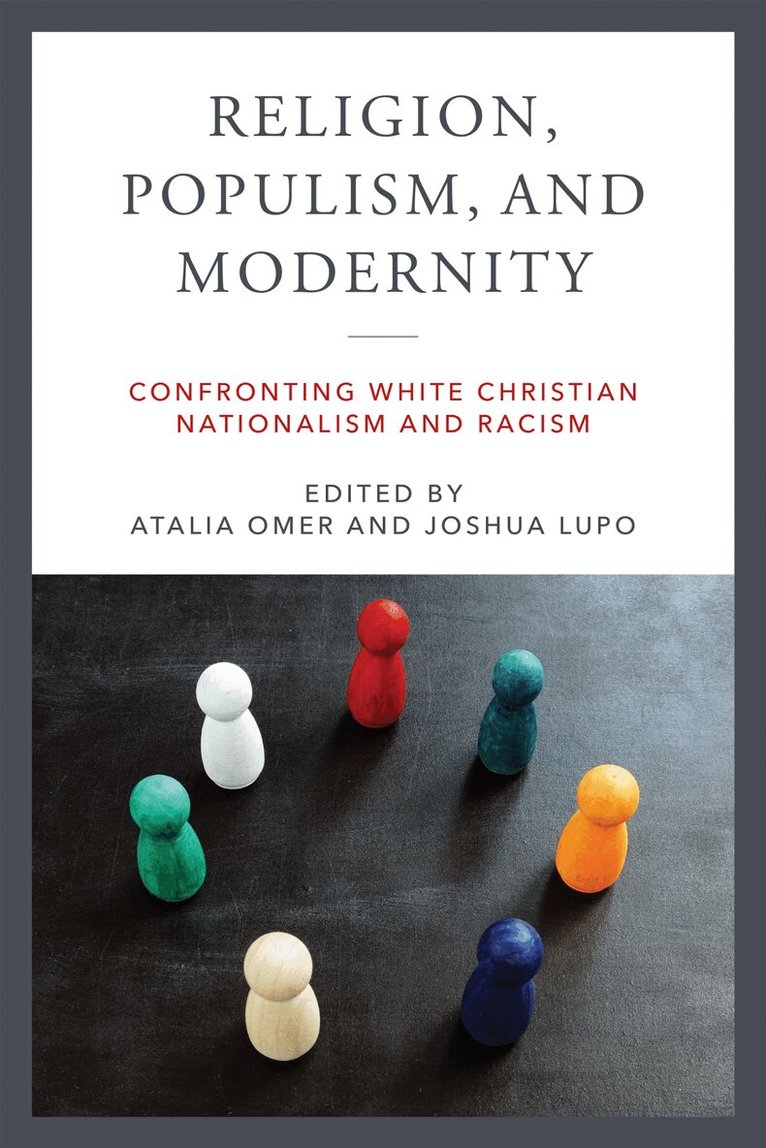
In this timely book, an interdisciplinary group of scholars investigates the recent resurfacing of White Christian nationalism and racism in populist movements across the globe.
Religion, Populism, and Modernity examines the recent rise of White Christian nationalism in Europe and the United States, focusing on how right-wing populist leaders and groups have mobilized racist and xenophobic rhetoric in their bids for political power. As the contributors to this volume show, this mobilization is deeply rooted in the broader structures of western modernity and as such requires an intersectional analysis that considers race, gender, ethnicity, nationalism, and religion together. The contributors explore a number of case studies, including White nationalism in the United States among both evangelicals and Catholics, anti- and philosemitism in Poland, the Far Right party Alternative for Germany, Islamophobia in Norway and France, and the entanglement of climate change opposition in right-wing parties throughout Europe. By extending the scope of these essays beyond Trump and Brexit, the contributors remind us that these two events are not exceptions to the rule of the normal functioning of liberal democracies. Rather, they are in fact but recent examples of long-standing trends in Europe and the United States. As the editors to the volume contend, confronting these issues requires that we not only unearth their historical precedents but also imagine futures that point to new ways of being beyond them.
Contributors: Atalia Omer, Joshua Lupo, Philip Gorski, Jason A. Springs, R. Scott Appleby, Richard Amesbury, Geneviève Zubrzycki, Yolande Jansen, Jasmijn Leeuwenkamp, Sindre Bangstad, and Ebrahim Moosa.

1 901 kr
Skickas inom 3-6 vardagar
530 kr
Skickas inom 3-6 vardagar
Youth, Education, and Islamic Radicalism offers groundbreaking analysis of religious intolerance and radicalization among high school and university students in modern-day Indonesia.
Indonesia is one of the most diverse countries in the world in terms of religion, ethnicity, and socioeconomic status, but also in the complexity of its education system. Youth, Education, and Islamic Radicalism examines the roots of religious intolerance among young Indonesians and explores the various ways in which educated youth navigate radical ideologies amid growing religious conservatism.
The book presents nuanced explanations as to why one person becomes radicalized while another does not, calling into question the common assumption that religious radicalism is directly connected to terrorism. It problematizes the notion that the university is a significant hub, trigger, or birthplace of radicalization by asking: What makes education attractive for extremist recruitment? What shapes students' views? Under what circumstances do radicalization and deradicalization processes of educated youth take place? Youth, Education, and Islamic Radicalism identifies a constellation of factors that shape young people's views of religious diversity in Indonesia, demonstrating the ways in which they become radicalized in the first place, and how, in some cases, they deradicalize themselves.
1 515 kr
Skickas inom 3-6 vardagar
537 kr
Skickas inom 3-6 vardagar
1 537 kr
Skickas inom 3-6 vardagar
378 kr
Skickas
2 265 kr
Skickas inom 3-6 vardagar
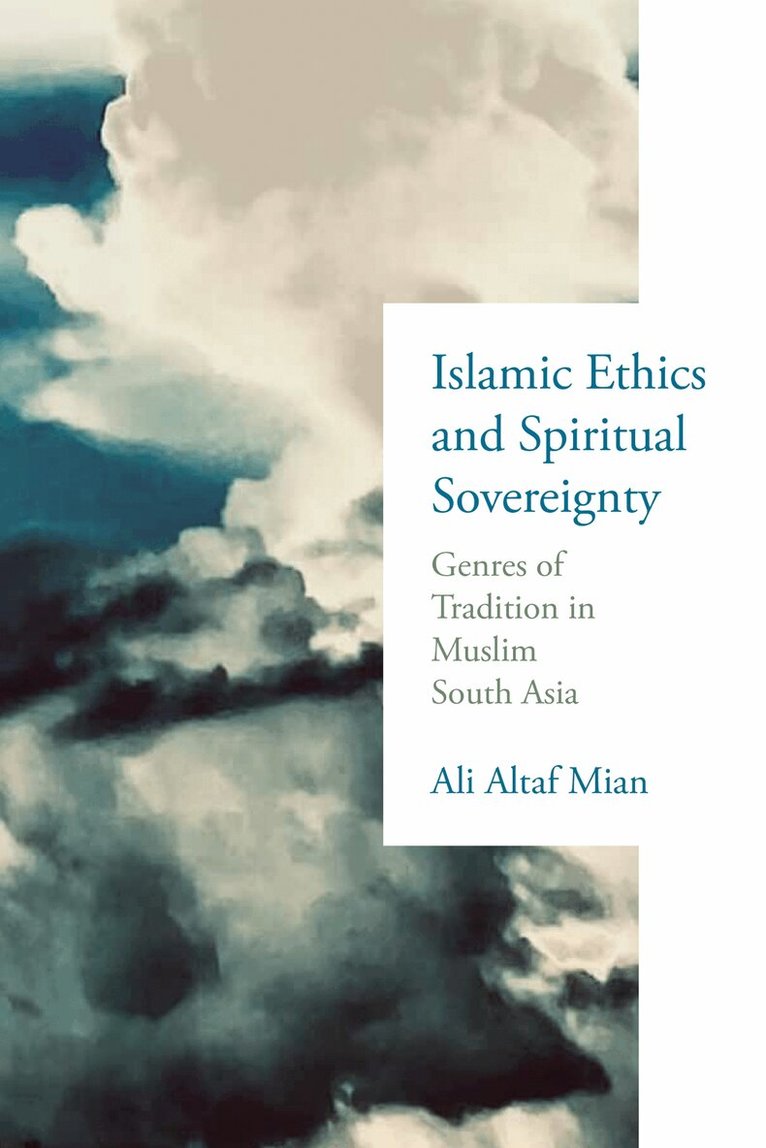
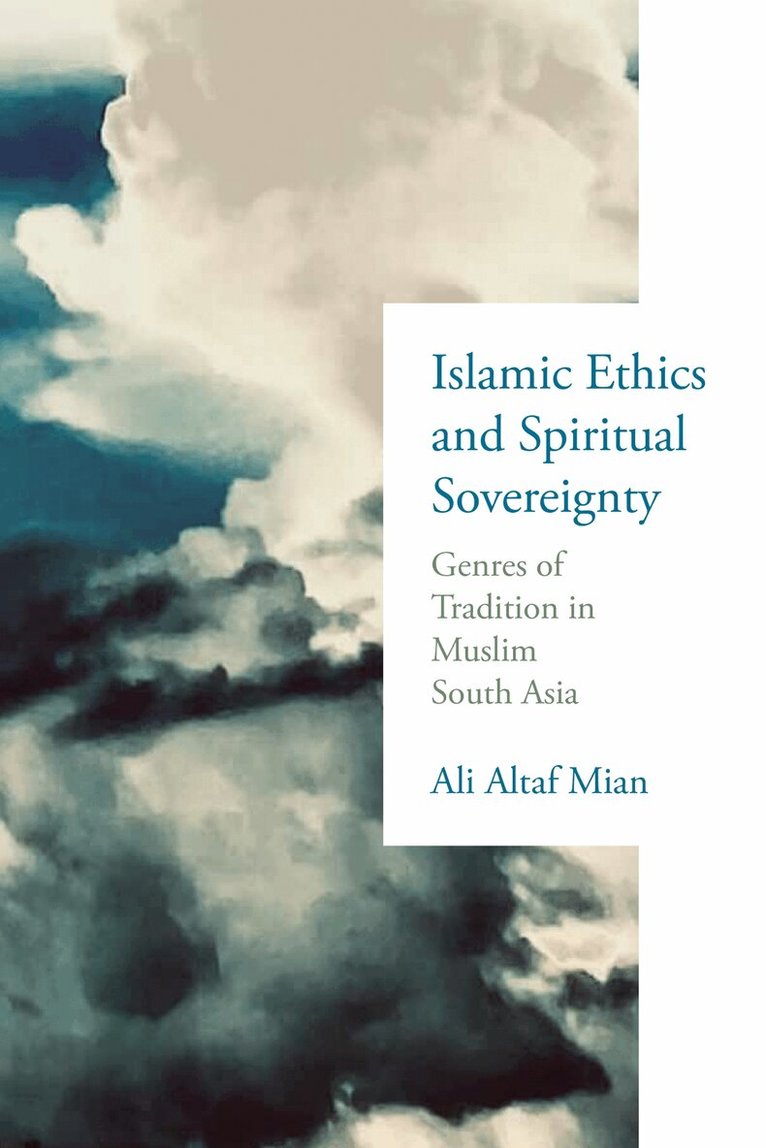
Ali Altaf Mian demonstrates how attention to genre and embodiment illuminates the concepts and practices of the Islamic tradition—and how theologians, Sufi mystics, and ordinary Muslims respond to the incapacitating tribulations of creaturely existence in modernity.
Islamic Ethics and Spiritual Sovereignty is grounded in the vast textual archive of one of modern South Asia's foremost Muslim theologians and Sufis: Maulānā Ashraf ʿAlī Thānavī (1863–1943). Through a close examination of Maulānā Thānavī's corpus of writings, Ali Altaf Mian offers new insights into tradition as a discursive and affective crucible of ethical transformation and spiritual sovereignty.
Philologically attuned and philosophically oriented, Islamic Ethics and Spiritual Sovereignty elucidates connections between traditions' forms of life and forms of language. Mian shows how intended and unconscious movements between genres in the life of tradition attend to the felt and perceived needs of the ensouled body at the dual scales of singularity and collectivity. Through a novel attention to textuality and psychic life, Mian elaborates a trans-genre reading practice to appreciate ritual law and ethical agency in the modern world. Insofar as modernity has been about individualism, the rise of literalism, and the disciplining of desire, religious traditions' capacity to respond to these hardships depends on renewing community, engaging textuality and the play of genres, and bracing the unknowability of desire.
537 kr
Skickas inom 3-6 vardagar
Ali Altaf Mian demonstrates how attention to genre and embodiment illuminates the concepts and practices of the Islamic tradition—and how theologians, Sufi mystics, and ordinary Muslims respond to the incapacitating tribulations of creaturely existence in modernity.
Islamic Ethics and Spiritual Sovereignty is grounded in the vast textual archive of one of modern South Asia's foremost Muslim theologians and Sufis: Maulānā Ashraf ʿAlī Thānavī (1863–1943). Through a close examination of Maulānā Thānavī's corpus of writings, Ali Altaf Mian offers new insights into tradition as a discursive and affective crucible of ethical transformation and spiritual sovereignty.
Philologically attuned and philosophically oriented, Islamic Ethics and Spiritual Sovereignty elucidates connections between traditions' forms of life and forms of language. Mian shows how intended and unconscious movements between genres in the life of tradition attend to the felt and perceived needs of the ensouled body at the dual scales of singularity and collectivity. Through a novel attention to textuality and psychic life, Mian elaborates a trans-genre reading practice to appreciate ritual law and ethical agency in the modern world. Insofar as modernity has been about individualism, the rise of literalism, and the disciplining of desire, religious traditions' capacity to respond to these hardships depends on renewing community, engaging textuality and the play of genres, and bracing the unknowability of desire.
1 901 kr
Skickas inom 3-6 vardagar
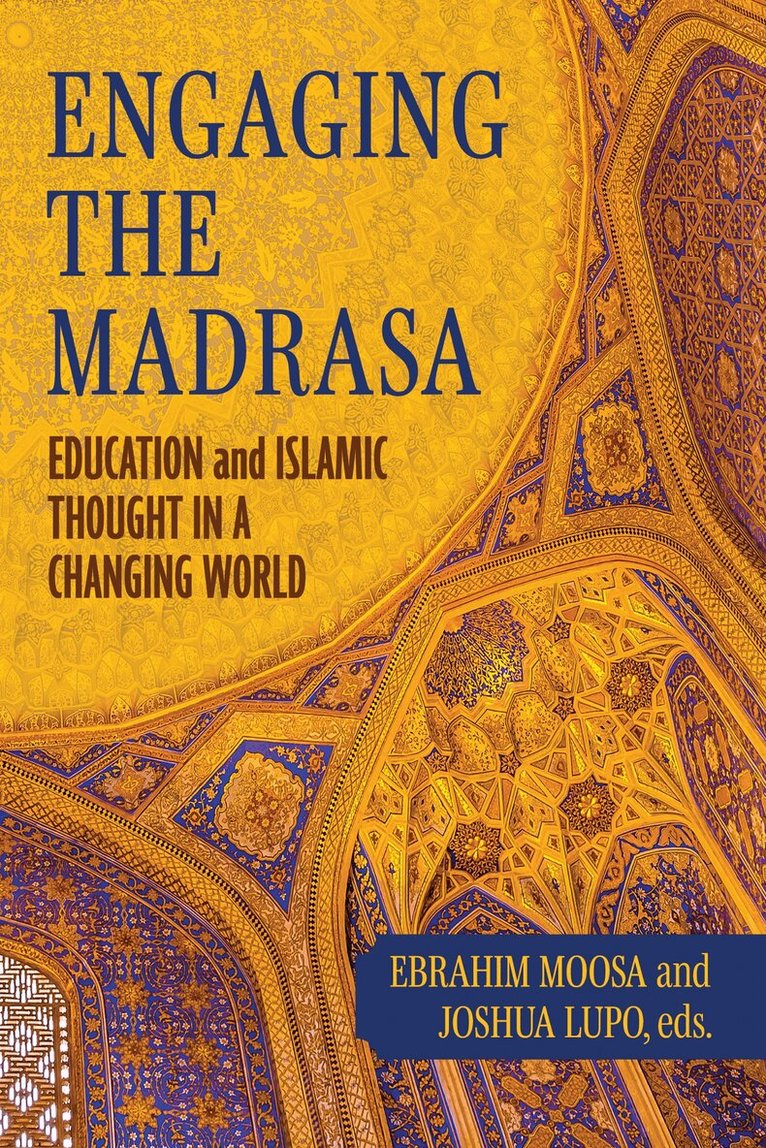
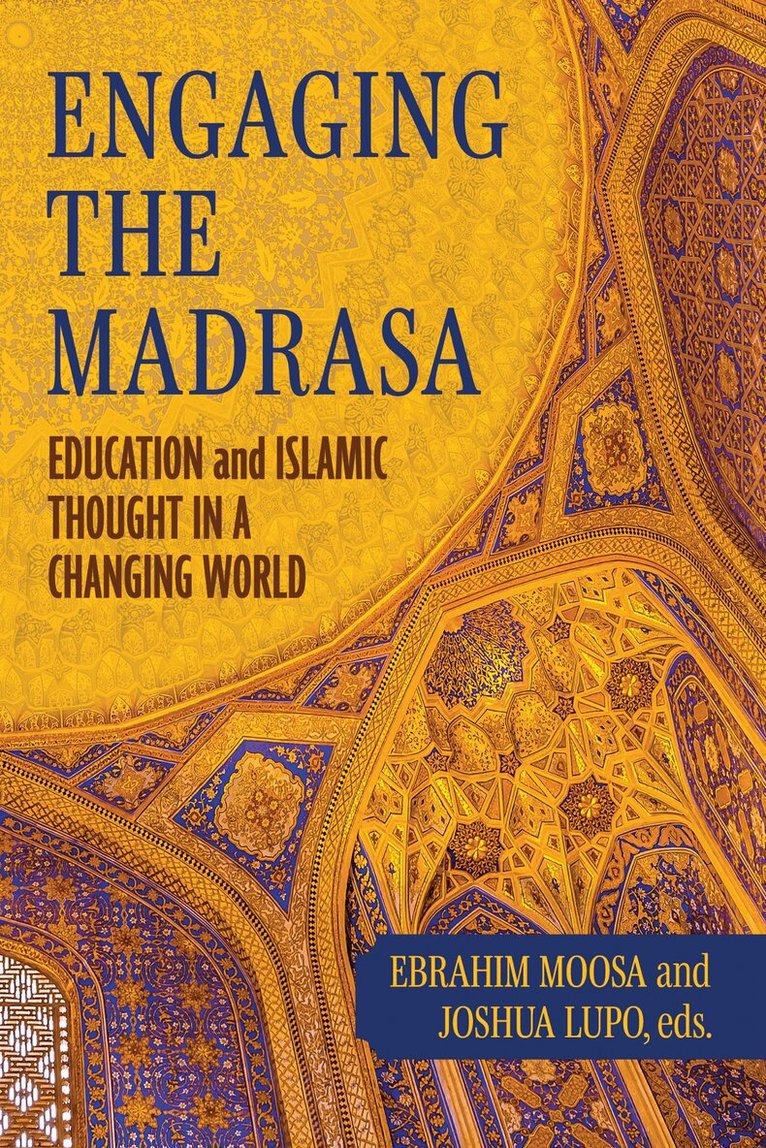
Engaging the Madrasa delves into the intellectual and political challenges that the Muslim scholarly community faces across the globe.
The rapid developments of the modern age have given rise to complex theological and philosophical challenges for Muslim scholarly communities. To confront these questions, editors Ebrahim Moosa and Joshua Lupo have curated a collection of essays offering balanced and nuanced perspectives that amplify the richness of the Islamic traditions while avoiding both conservative nostalgia or progressive amnesia.
Engaging the Madrasa grapples with the loss and reimagining of tradition in the modern world, bringing together madrasa scholars from India, Pakistan, and the United States to confront themes such as gender equality, the nation-state, colonial legacies, the role of technology, and more. In doing so, the contributors use both modern science and Islamic theological discourse to chart new pathways on which Muslim scholars and theologians around the globe can draw.
357 kr
Skickas
Engaging the Madrasa delves into the intellectual and political challenges that the Muslim scholarly community faces across the globe.
The rapid developments of the modern age have given rise to complex theological and philosophical challenges for Muslim scholarly communities. To confront these questions, editors Ebrahim Moosa and Joshua Lupo have curated a collection of essays offering balanced and nuanced perspectives that amplify the richness of the Islamic traditions while avoiding both conservative nostalgia or progressive amnesia.
Engaging the Madrasa grapples with the loss and reimagining of tradition in the modern world, bringing together madrasa scholars from India, Pakistan, and the United States to confront themes such as gender equality, the nation-state, colonial legacies, the role of technology, and more. In doing so, the contributors use both modern science and Islamic theological discourse to chart new pathways on which Muslim scholars and theologians around the globe can draw.
749 kr
Kommande