906 kr
Skickas inom 10-15 vardagar
906 kr
Skickas inom 10-15 vardagar
227 kr
Skickas
953 kr
Skickas inom 7-10 vardagar
383 kr
Skickas inom 7-10 vardagar
101 kr
Läs direkt efter köp
327 kr
Skickas inom 7-10 vardagar
1 552 kr
Skickas inom 7-10 vardagar
602 kr
Skickas inom 3-6 vardagar
2 526 kr
Skickas inom 10-15 vardagar
776 kr
Skickas inom 10-15 vardagar
291 kr
Skickas inom 7-10 vardagar
341 kr
Skickas
503 kr
Läs direkt efter köp
461 kr
Läs direkt efter köp
3 076 kr
Skickas inom 11-20 vardagar
925 kr
Skickas inom 7-10 vardagar
468 kr
Skickas inom 7-10 vardagar
451 kr
Skickas inom 7-10 vardagar
780 kr
Skickas inom 7-10 vardagar
713 kr
Läs direkt efter köp
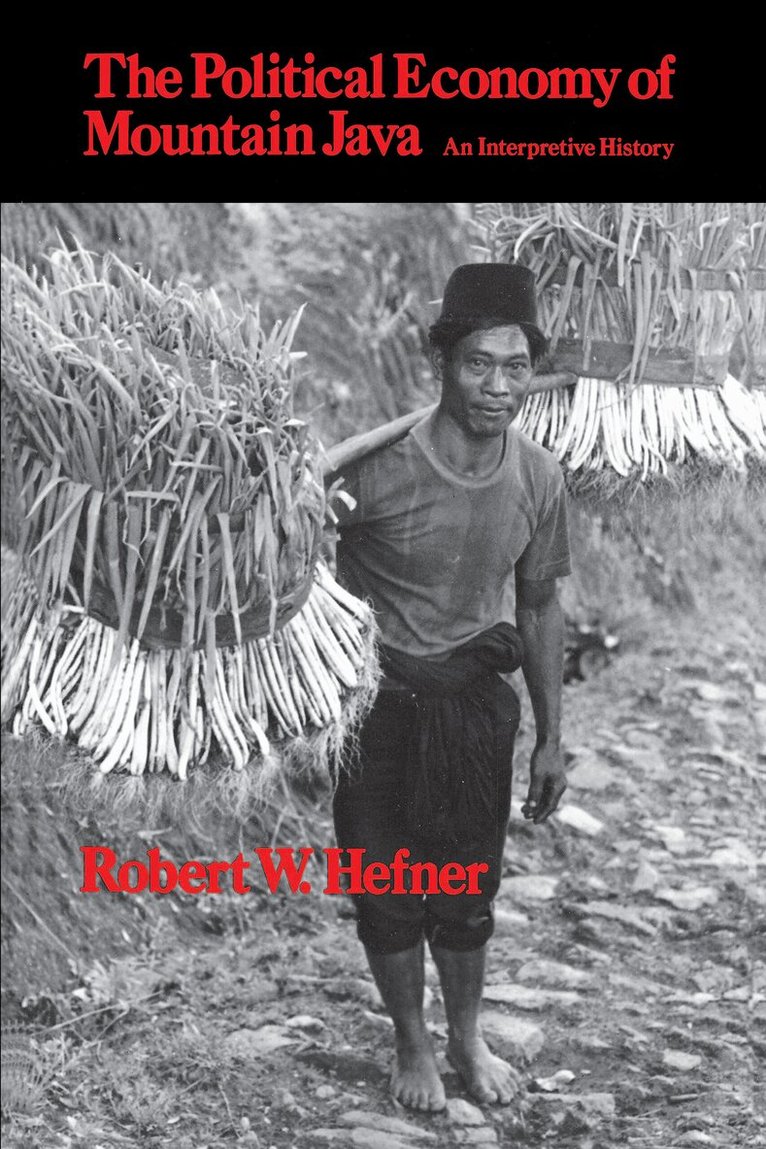
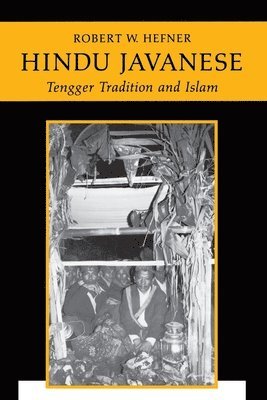
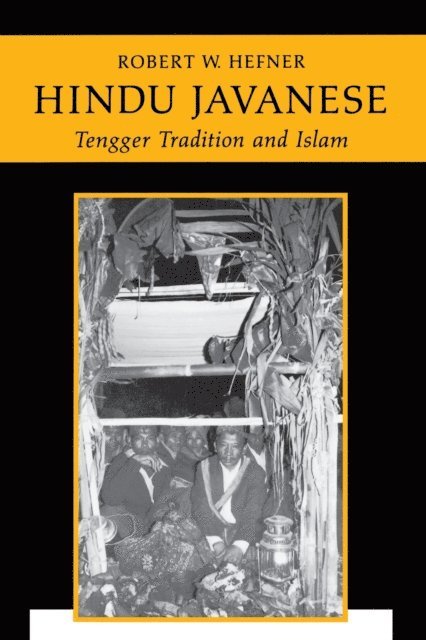
An illuminating account of cultural resilience in JavaFive centuries after the fall of its last Hindu Buddhist kingdom, Java retains only one small population that preserves a non-Islamic priestly tradition descended from early Hindu clergy. Known as the Tengger, these mountain Javanese lack the courts, castes, and religious scholars that transmit Hindu tradition in nearby Bali, the only other area in Indonesia to have kept a Hindu faith. What explains the cultural resilience of the Tengger? Robert Hefner blends historical and ethnographic research to explain the enduring strength of a religion in the face of a revitalized Indonesian Islam. He provides insight into Java’s earlier Hindu traditions and the process of Islamization that swept them aside and shows how the Tengger example speaks not only to cultural change in a corner of Java but to the dissolution of traditional religions amid the advance of world faiths.Exploring how meaning is derived from public symbolism, Hindu Javanese emphasizes the centrality of tacit knowledge in religious practice and the role of history and community in continually shaping and renewing spiritual experience.
926 kr
Skickas inom 10-15 vardagar
245 kr
Skickas inom 7-10 vardagar
249 kr
Skickas inom 10-15 vardagar
727 kr
Läs direkt efter köp
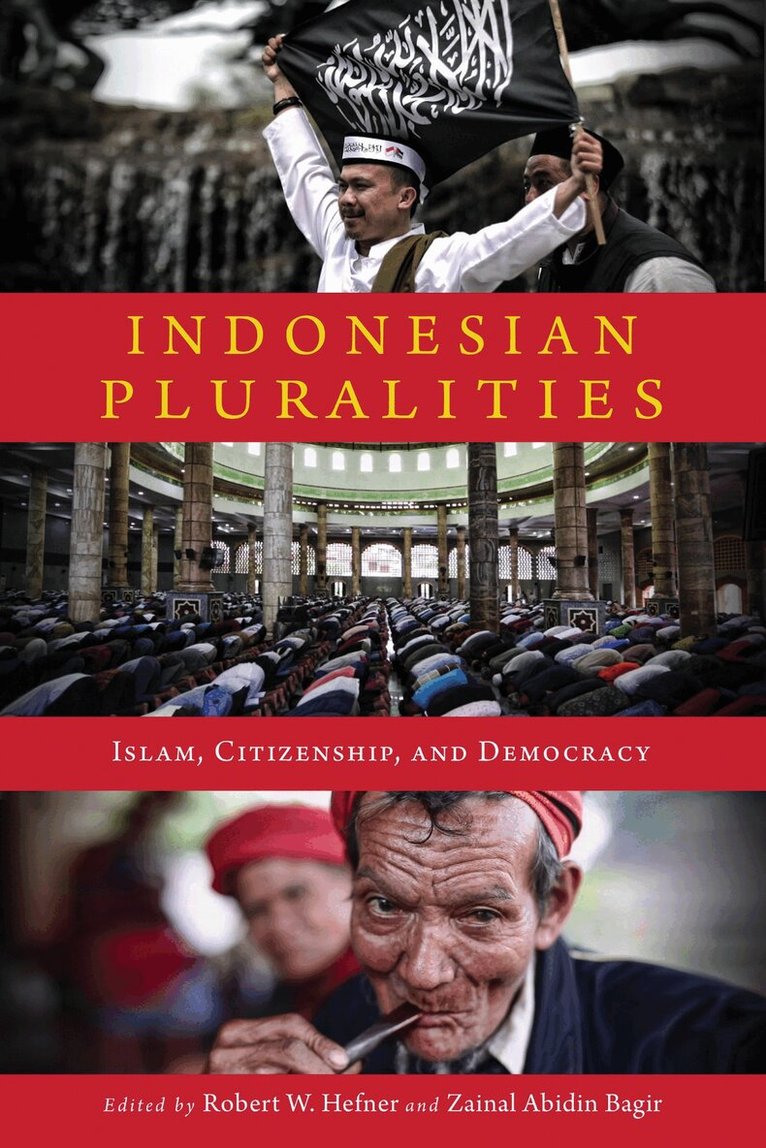
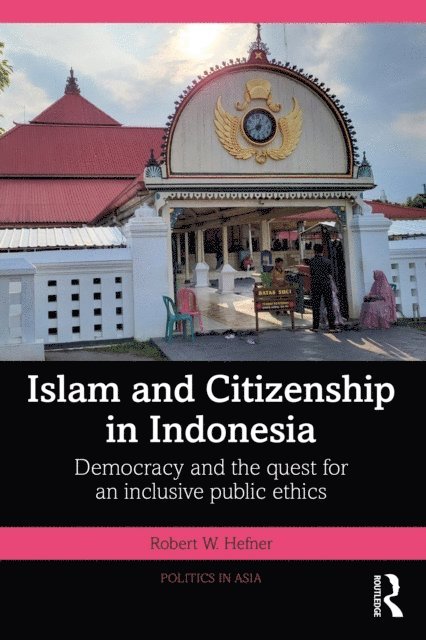
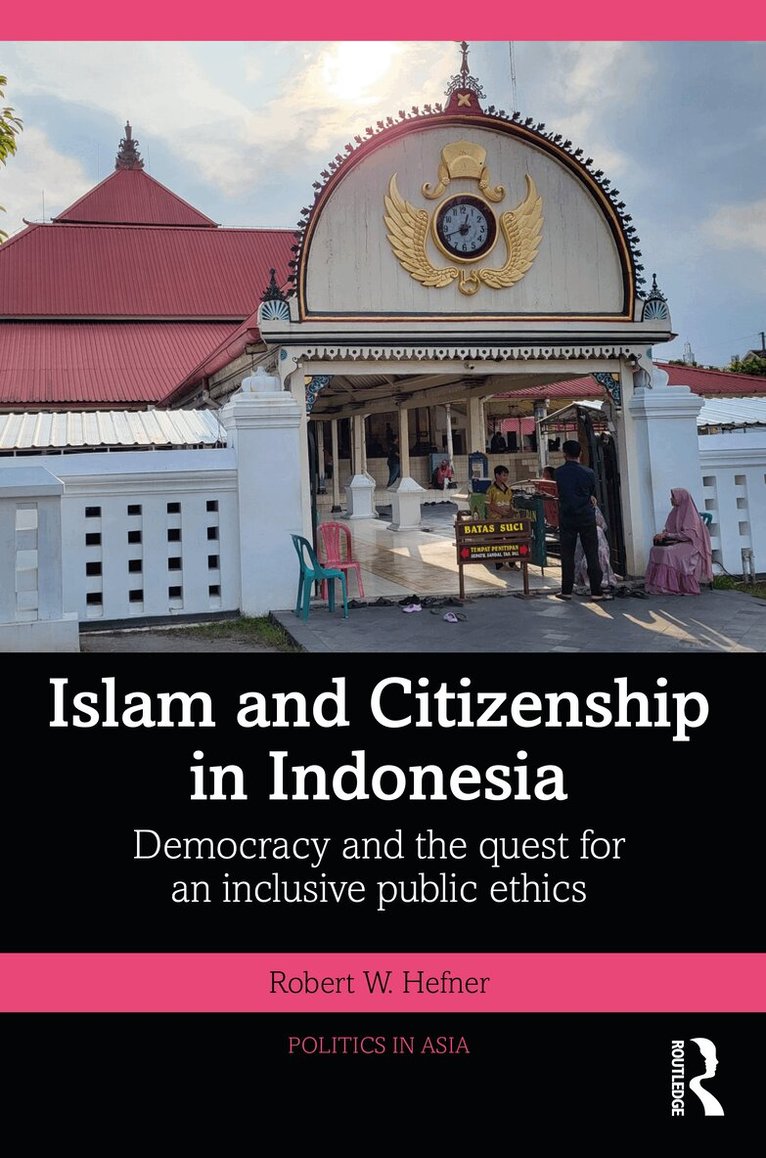
Islam and Citizenship in Indonesia examines the conditions facilitating democracy, women’s rights, and inclusive citizenship in Indonesia, the most populous Muslim-majority country and the third largest democracy in the world. The book shows that Muslim understandings of Islamic traditions and ethics have coevolved with the understanding and practice of democracy and citizen belonging.
Following thirty-two years of authoritarian rule, in 1998 this sprawling Southeast Asian country returned to electoral democracy. The achievement brought with it, however, an upsurge in both the numbers and assertiveness of Islamist militias, as well as a sharp increase in violence against religious minorities. The resulting mobilizations have pitted the Muslim supporters of an Indonesian variety of inclusive citizenship against populist proponents of Islamist majoritarianism. Seen from this historical example, the book demonstrates that Muslim actors come to know and practice Islam in a manner not determined in an unchanging way by scriptural commands but in coevolution with broader currents in politics, society, and citizen belonging. By exploring these questions in both an Indonesian and comparative context, this book offers important lessons on the challenge of democracy and inclusive citizenship in the Muslim-majority world.
Well-written and informative, this book will be suitable for adoption in university courses on Islam, Southeast Asian Politics, Indonesian and Asian studies, as well as courses dealing with religion, democracy, and citizen belonging in multicultural societies around the world. The book will be of interest to the general reader with an interest in Islam, citizenship, and democracy.

727 kr
Läs direkt efter köp
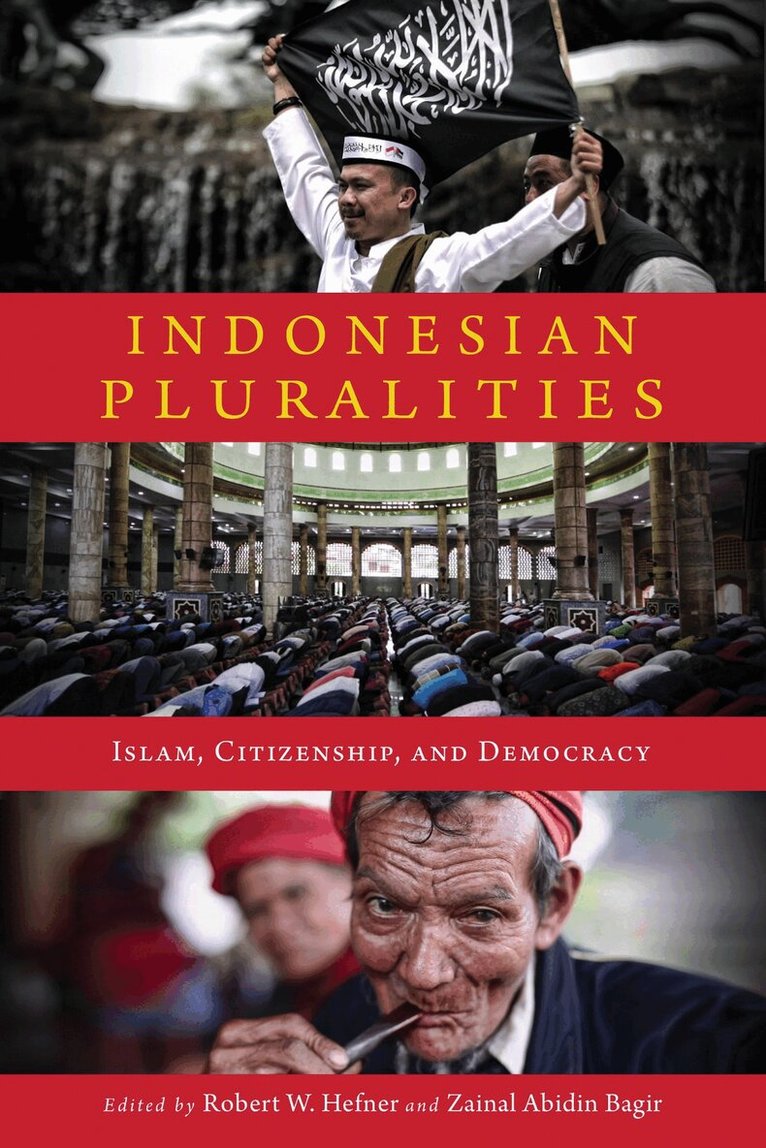
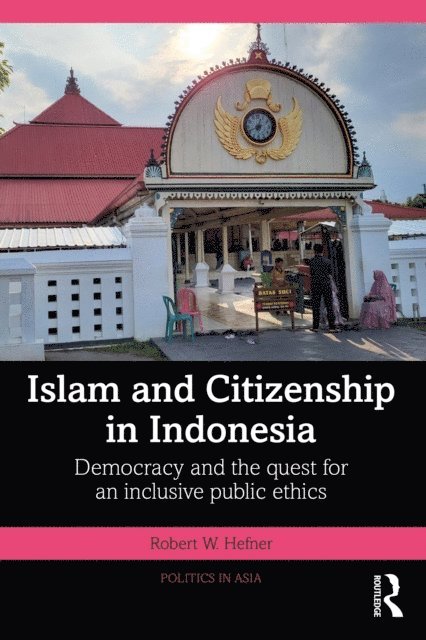
Islam and Citizenship in Indonesia examines the conditions facilitating democracy, women’s rights, and inclusive citizenship in Indonesia, the most populous Muslim-majority country and the third largest democracy in the world. The book shows that Muslim understandings of Islamic traditions and ethics have coevolved with the understanding and practice of democracy and citizen belonging.
Following thirty-two years of authoritarian rule, in 1998 this sprawling Southeast Asian country returned to electoral democracy. The achievement brought with it, however, an upsurge in both the numbers and assertiveness of Islamist militias, as well as a sharp increase in violence against religious minorities. The resulting mobilizations have pitted the Muslim supporters of an Indonesian variety of inclusive citizenship against populist proponents of Islamist majoritarianism. Seen from this historical example, the book demonstrates that Muslim actors come to know and practice Islam in a manner not determined in an unchanging way by scriptural commands but in coevolution with broader currents in politics, society, and citizen belonging. By exploring these questions in both an Indonesian and comparative context, this book offers important lessons on the challenge of democracy and inclusive citizenship in the Muslim-majority world.
Well-written and informative, this book will be suitable for adoption in university courses on Islam, Southeast Asian Politics, Indonesian and Asian studies, as well as courses dealing with religion, democracy, and citizen belonging in multicultural societies around the world. The book will be of interest to the general reader with an interest in Islam, citizenship, and democracy.

622 kr
Skickas inom 10-15 vardagar
2 526 kr
Skickas inom 10-15 vardagar
2 479 kr
Kommande
482 kr
Skickas inom 7-10 vardagar
537 kr
Läs direkt efter köp