
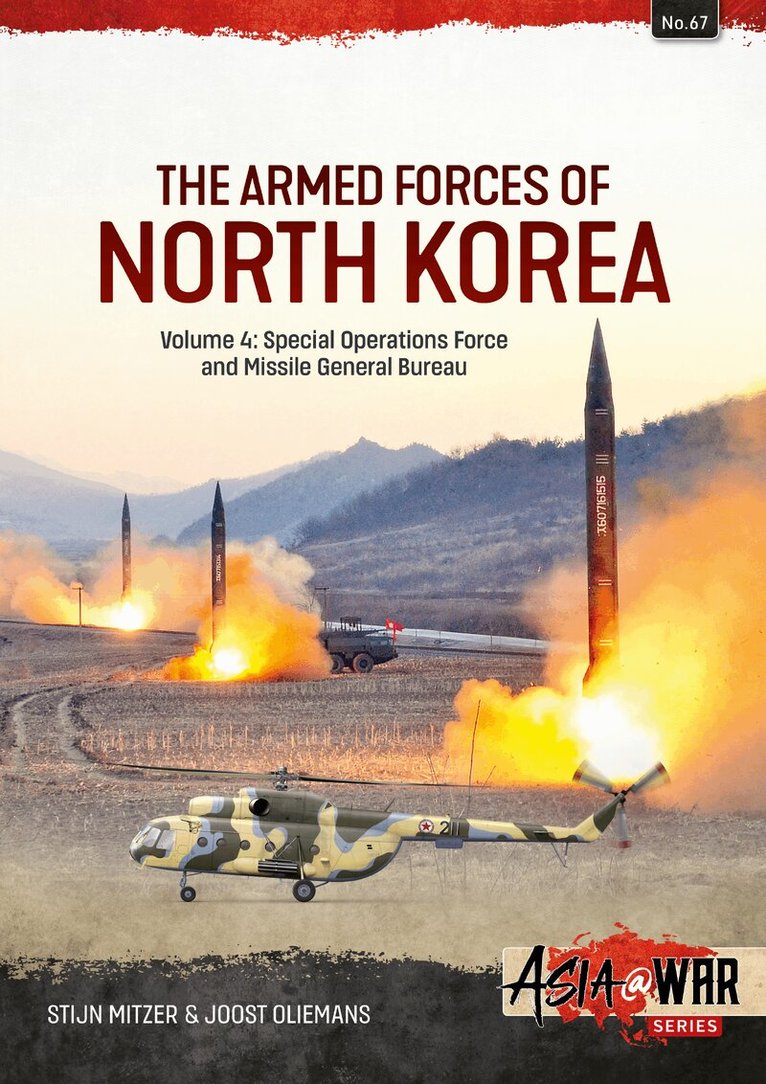
Del 67 - Asia@War
Armed Forces of North Korea Volume 4
Special Operations Force and Missile General Bureau
Häftad, Engelska, 2026
274 kr
Skickas
Special Operations Force and Missile General Bureau
274 kr
Skickas
225 kr
Skickas
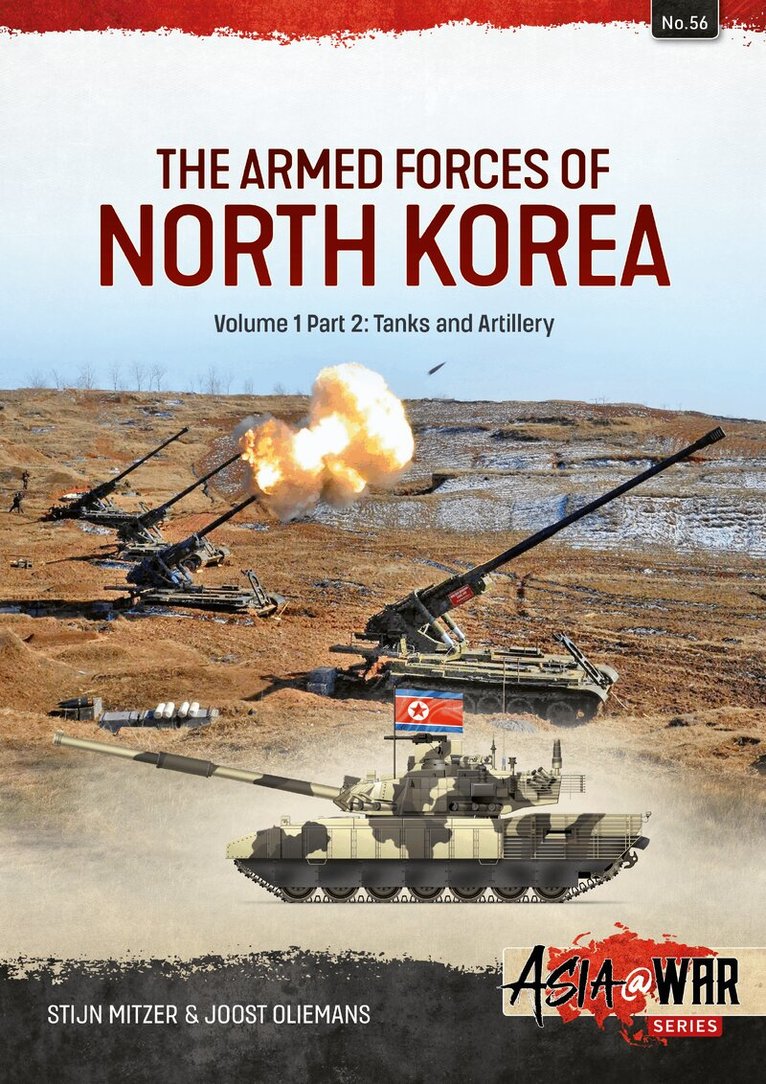
Tanks, Artillery, Military Engineering and Mobile Air Defence Systems
225 kr
Skickas
For much of its existence, North Korea and its armed forces have been shrouded in mystery. Separating fact from fiction was all but impossible, and for lack of better information, the DPRK's military was often trivialised as little more than a clone of the Soviet model. The Armed Forces of North Korea sets out to lift the veil of secrecy and con
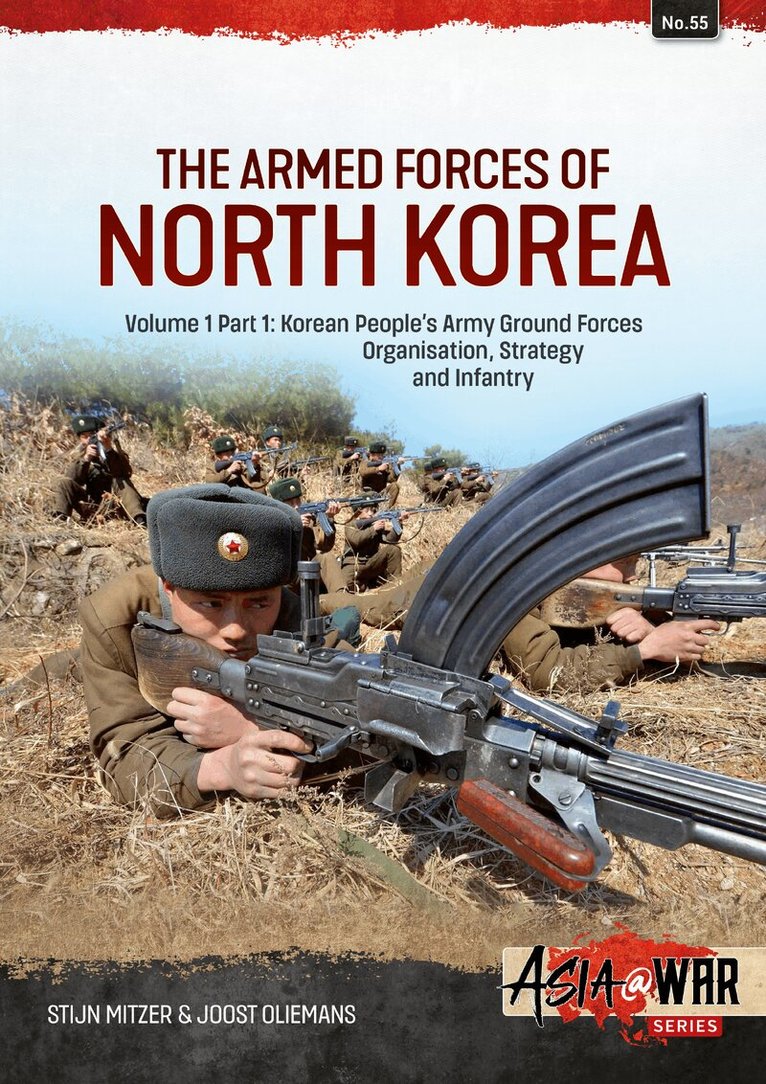
Korean People's Army Ground Forces Organisation, Strategy and Infantry
225 kr
Skickas
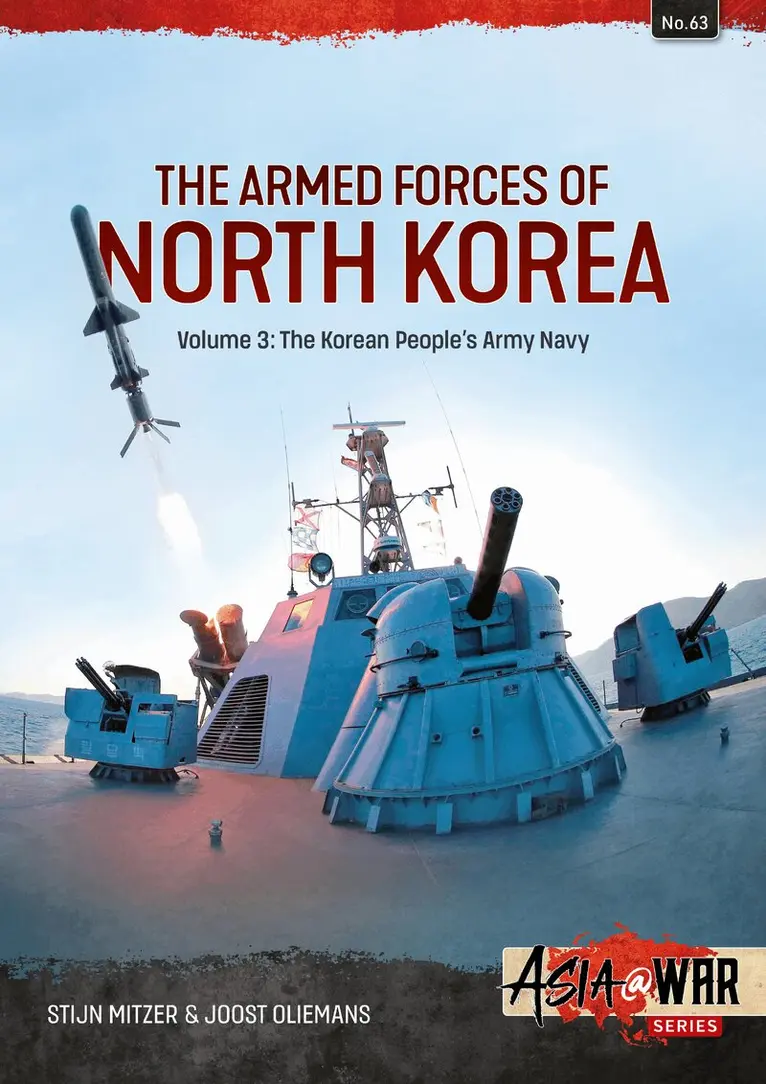
Korean People's Army Navy
225 kr
Skickas
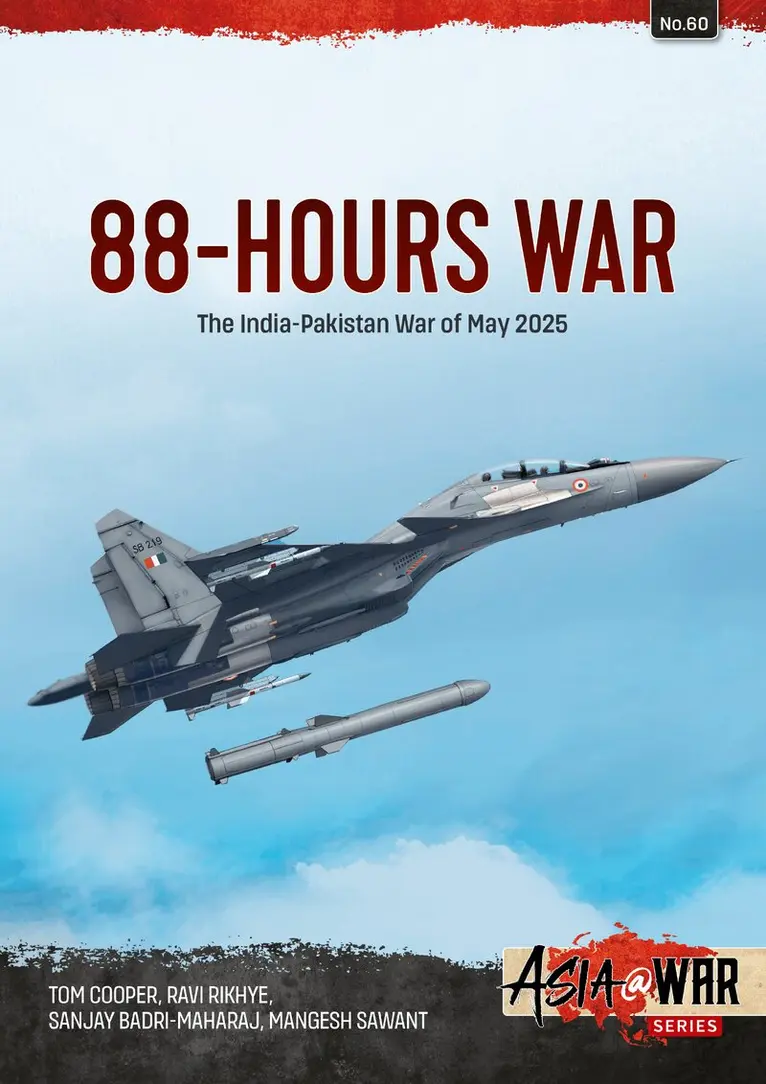
India-Pakistan War of May 2025
223 kr
Skickas
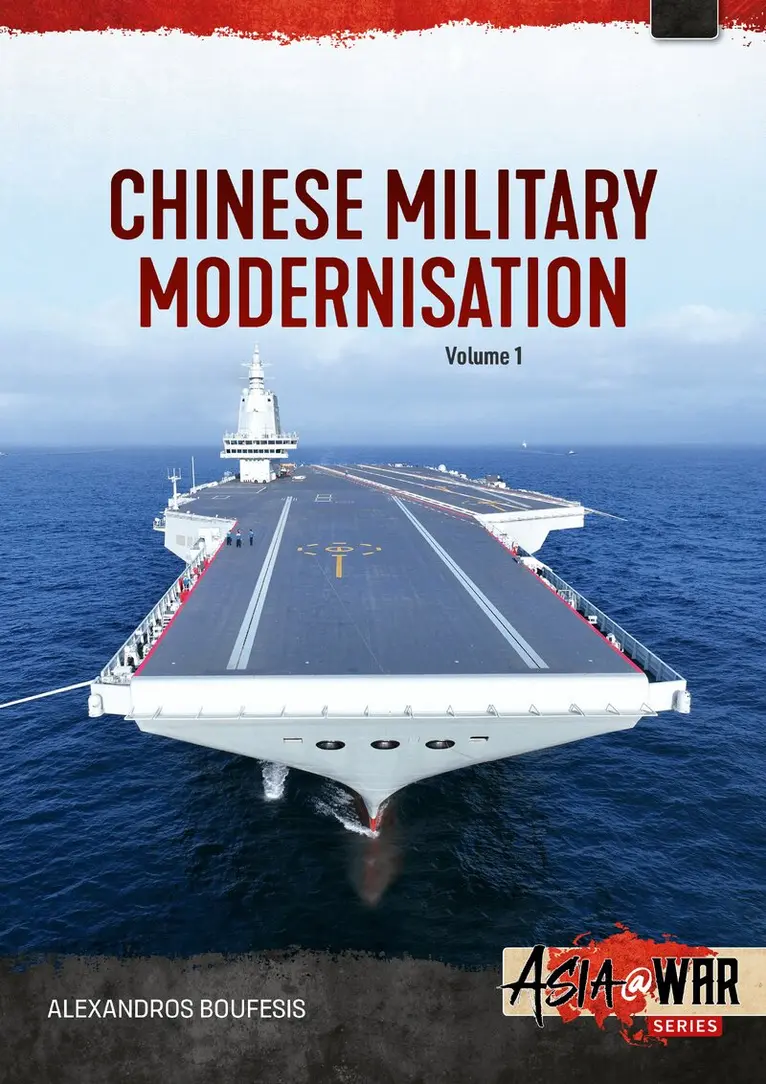
223 kr
Kommande
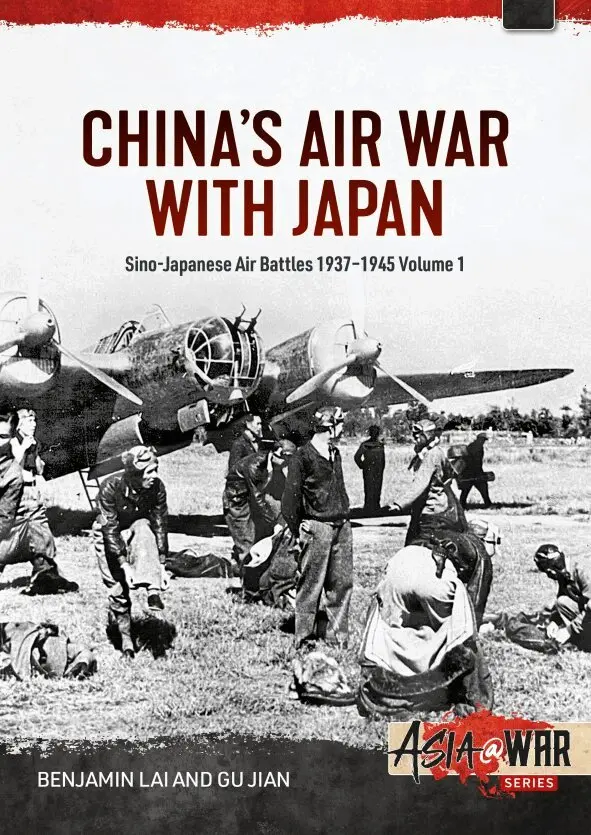
225 kr
Kommande
223 kr
Kommande

Chinese Eyewitness Accounts of the Sino-Soviet Border Battles, 1969
225 kr
Skickas
223 kr
Skickas
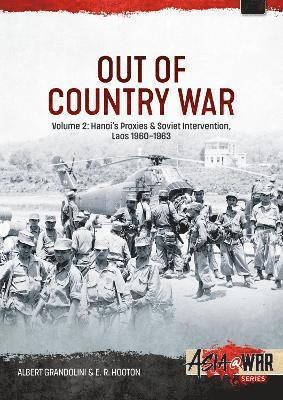
Out-Country War Volume 2 continues the story of the conflict that ultimately decided the fate of South Vietnam beyond its borders.
As the crisis in Laos deepened, the struggle escalated from covert manoeuvre into open confrontation. This volume examines how North Vietnam consolidated its position inside Laos, transforming the country into both a battlefield and a strategic rear area vital to the expansion of the Ho Chi Minh Trail. It charts the collapse of Laotian government forces, the increasing intervention of North Vietnamese regular units, and the growing alarm in Washington, Bangkok, and other SEATO capitals as the conflict threatened to spill across the Mekong.
The book explores in detail the widening proxy war fought through CIA-backed guerrillas, Hmong forces, and clandestine air operations, alongside the deployment of American, Thai, Australian, British, and French forces to defend Thailand and deter further Communist expansion. It also analyses the political dimension of the conflict, including the Kennedy administration’s reluctant drift toward militarisation, the second Geneva Conference of 1961–62, and the fatal illusion that a neutral Laos could be preserved while war continued on the ground.
Drawing extensively on Western, regional, and local sources — many rarely used or previously inaccessible — Out-Country War Volume 2 provides a comprehensive account of the military, air, and political struggle in Laos during its most critical years. Fully illustrated with rare photographs, detailed maps, and specially commissioned colour profiles, this volume reveals how the war beyond Vietnam’s borders intensified — and why the fate of Laos was inseparable from the wider Indochina conflict.

357 kr
Kommande
225 kr
Kommande
357 kr
Kommande
225 kr
Skickas
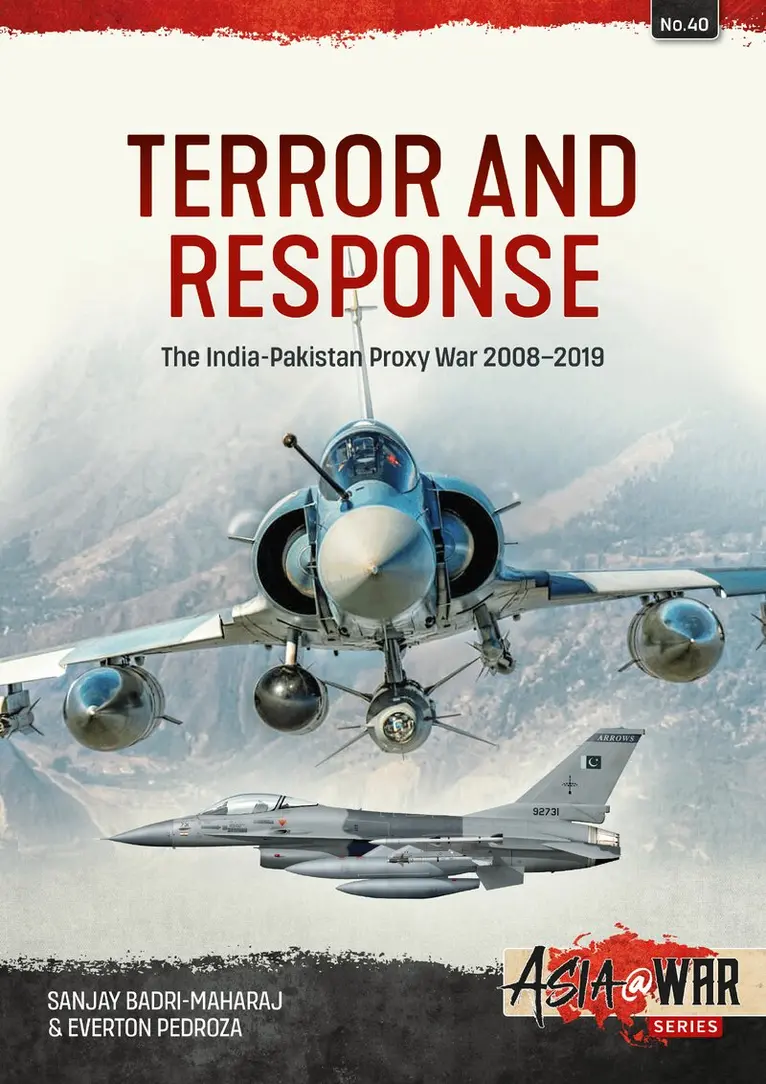
The India-Pakistan Proxy War 2008-2019
223 kr
Skickas
In February 2019, the Indian Air Force struck at targets in Pakistan in retaliation for a terrorist attack on a convoy of the Indian Central Reserve Police Force in Kashmir. The next day, Pakistan retaliated in an inconclusive air battle. These were the most recent actions in a conflict between the two nuclear powers. Terror and Response examines the genesis of this conflict, going back to the partition of the Indian subcontinent and the subsequent violence and examines the conflict over Kashmir since it flared up in earnest in 1987 after rigged elections. Pakistan’s jihadi groups are examined, as is their role and the support provided by the ISI and the de facto protection conferred by the United States.
The turning point for India’s response started with the Mumbai attacks of 2008. This attack is detailed with its attendant rage within India, the capture of a Pakistani national and the subsequent failure of Pakistan to apprehend or in any way assist in reigning in its proxies. The increasing push for a harsher line against Pakistan and its support for these groups is examined. Terror and Response explores the attempts at reconciliation between 2011 and 2017 and explores how each of these events has been stymied by terror attacks. The attacks on Uri and Pathankot finally spurring an Indian military response. The surgical strikes that followed Uri are examined in detail with Pakistan’s move to hide results by clever control of the media and its selective approach to revealing information. This approach was magnified many times over following the Pulwama attack of 2019 and the Indian retaliation thereafter.
Terror and Response examines the evidence for each side’s claims and presents analysis thereof. Finally, Terror and Response explores India’s complete alteration of the legal status quo by its actions to neutralise the effects of Article 370 of the Indian constitution which has now fully integrated the erstwhile states of Jammu and Kashmir into India and created two new Union Territories.
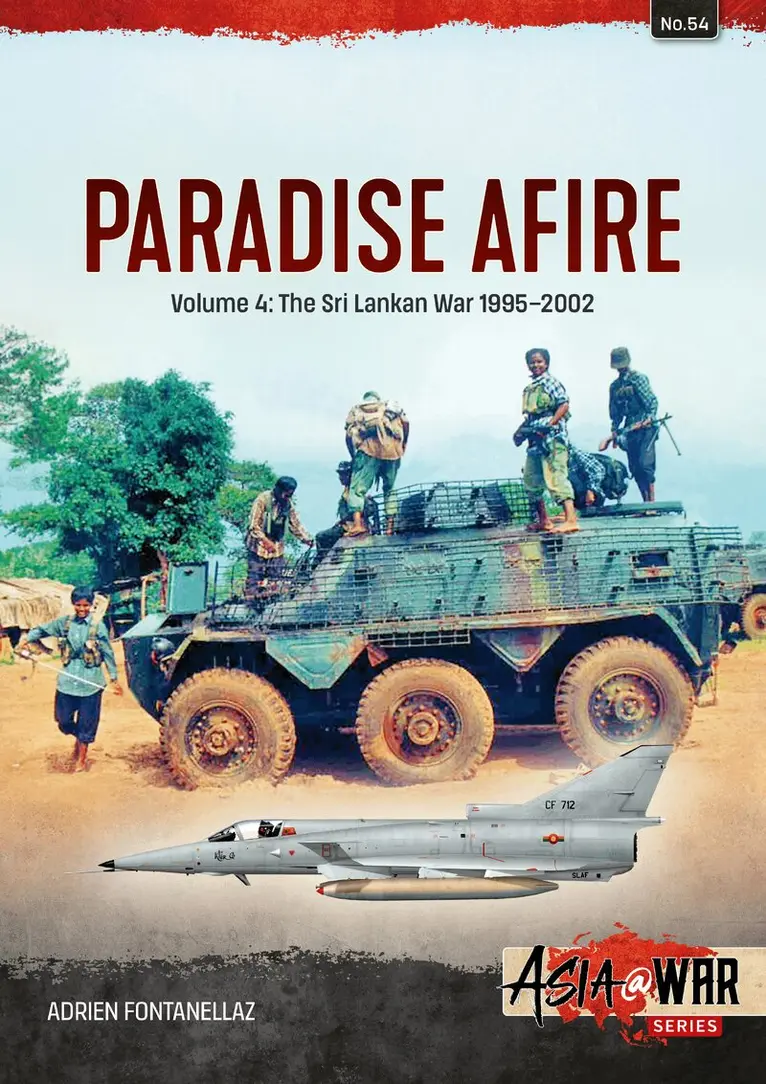
Volume 4 - 1995-2002
218 kr
Skickas

223 kr
Skickas
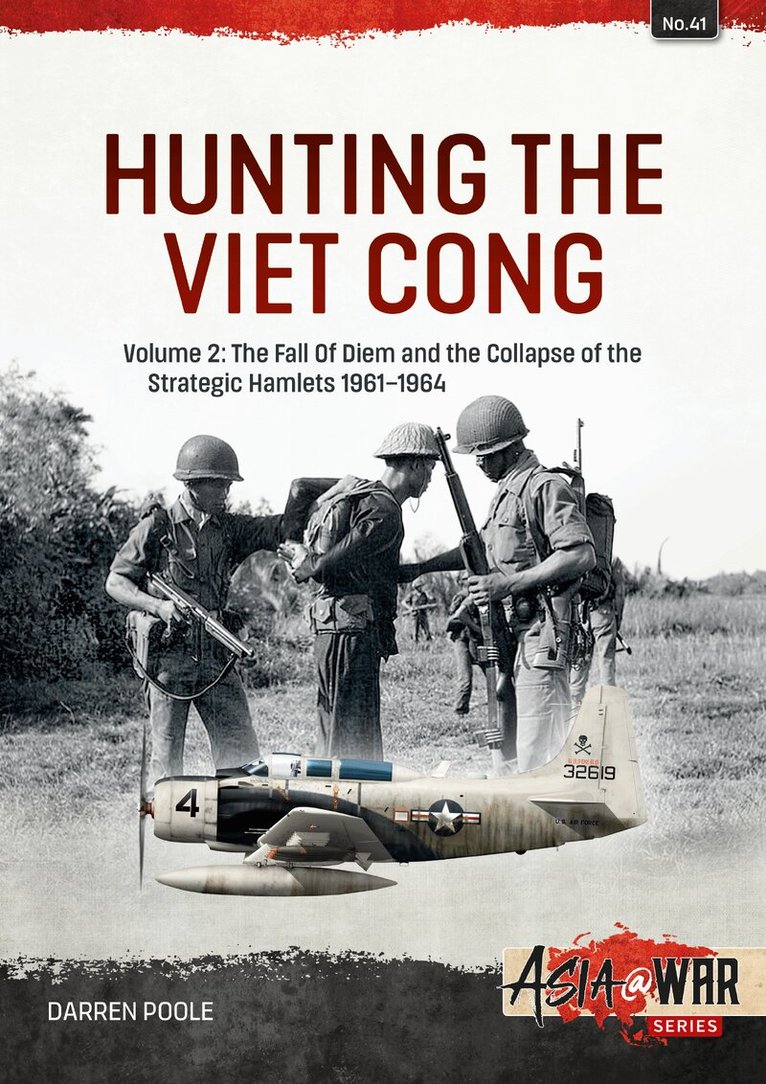
The Fall of Diem and the Collapse of the Strategic Hamlets 1961-1964
220 kr
Skickas
In the early 1960s, the American-backed South Vietnamese government began an aggressive counterinsurgency programme aimed at eliminating the Viet Cong. The policy – known as the Strategic Hamlet Programme – seriously hurt and ‘cut up’ the VC.
The second volume in this series, Hunting the Viet Cong: The Fall of Diem and the Collapse of the Strategic Hamlets, 1961–64 looks at why the strategy ultimately failed. Focussing on events in South Vietnam, the book exposes Viet Cong atrocities, South Vietnamese corruption and American military and political negligence. The book reveals just how violent and aggressive the Viet Cong were towards their own people. Fear was a weapon of choice: beheading civilians, mutilating children and destroying schools and hospitals were all legitimate tactics in the VC toolbox. The book also explains how a strategy designed to protect Vietnamese villagers made them easy targets for violent guerrillas. Finally, it reveals that there were many decent Americans in South Vietnam who understood the nation and its people but who were constantly ignored by those in power.
Using the Viet Cong’s own written documentation, in-field reports from American advisors and the testimony of the South Vietnamese themselves, the second volume in the Hunting the Viet Cong series shines a light on multiple failures in South Vietnam: terror, corruption, ineptitude and arrogance caused the Strategic Hamlet Programme to fail. The book covers the collapse of the Strategic Hamlet Programme, the rise of the insurgency and the overthrow of President Diem.
Volume 1 of Hunting the Viet Cong: The Counterinsurgency Campaign in South Vietnam, 1961-63. The Strategic Hamlet Programme revealed how close the South Vietnamese Government came to eliminating the insurgency. Volume 2 shows why things began to go wrong. The book changes large parts of the Historical narrative, explains why America and its allies failed, and sets the scene for the tragedy that was to follow.
223 kr
Skickas
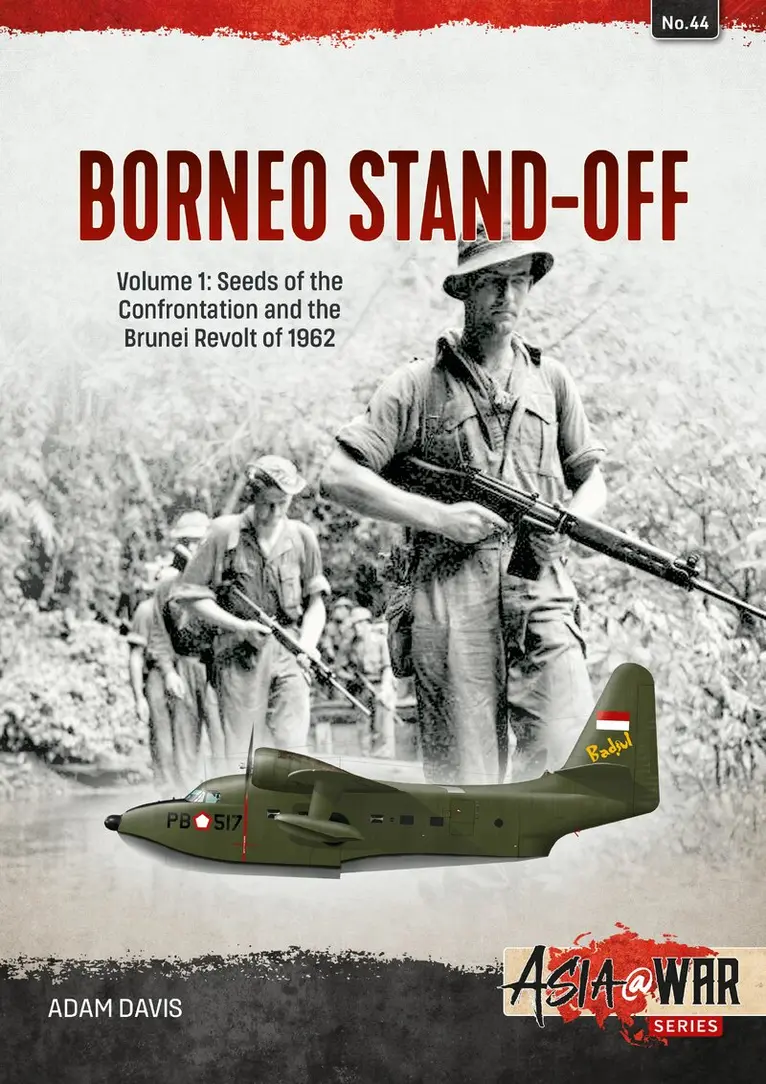
The aftermath of the Second World War saw many colonial empires in a state of upheaval. In South East Asia, what had been armed resistance against the Japanese invaders and occupiers was now often turned into national liberation movements seeking independence from the European empires. The Second World War may have ended but this was anything other than an era of peace. This was an era in which Britain moved between successive crises in Palestine, Kenya, Cyprus, Suez and the wider Middle East, in addition to fighting a conventional war in Korea, maintaining a significant peacetime army in West Germany and Berlin, and honouring commitments to the South East Asia Treaty Organization.
Volume 1 of Borneo Stand-off examines the background, context and origins of Britain’s military experience in post-Second World War South East Asia as Malaya transitioned from colony to the independent state of Malaysia, up to and including the Brunei Revolt of 1962, and sets the scene for the coming Confrontation – or Konfrontasi – with the Indonesia of Sukarno, buoyed by his recent successes against the Netherlands in the former Dutch East Indies.
Borneo Stand-off Volume 1: Seeds of the Confrontation and the Brunei Revolt of 1962 is illustrated throughout with photographs, and includes colour artworks of the men, vehicles and aircraft of the era of Confrontation.
220 kr
Skickas
The Royal Lao Armed Forces 1961-1974
225 kr
Skickas
280 kr
Skickas
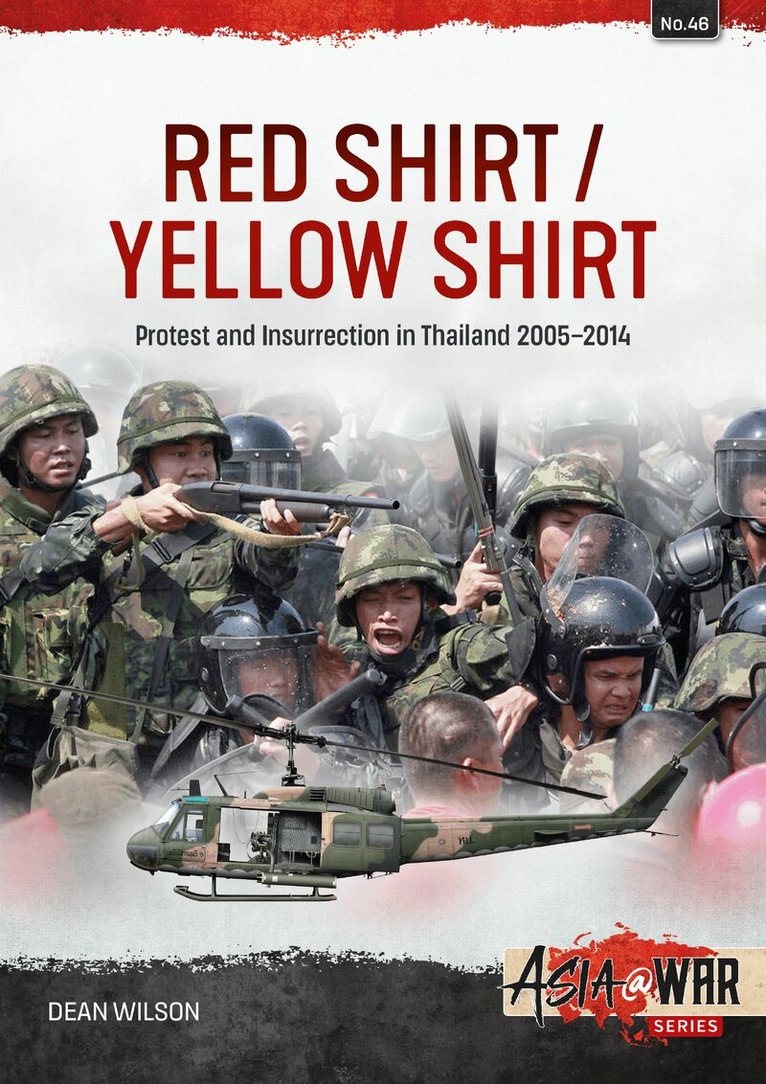
Protest and Insurrection in Thailand 2005-2014
225 kr
Skickas
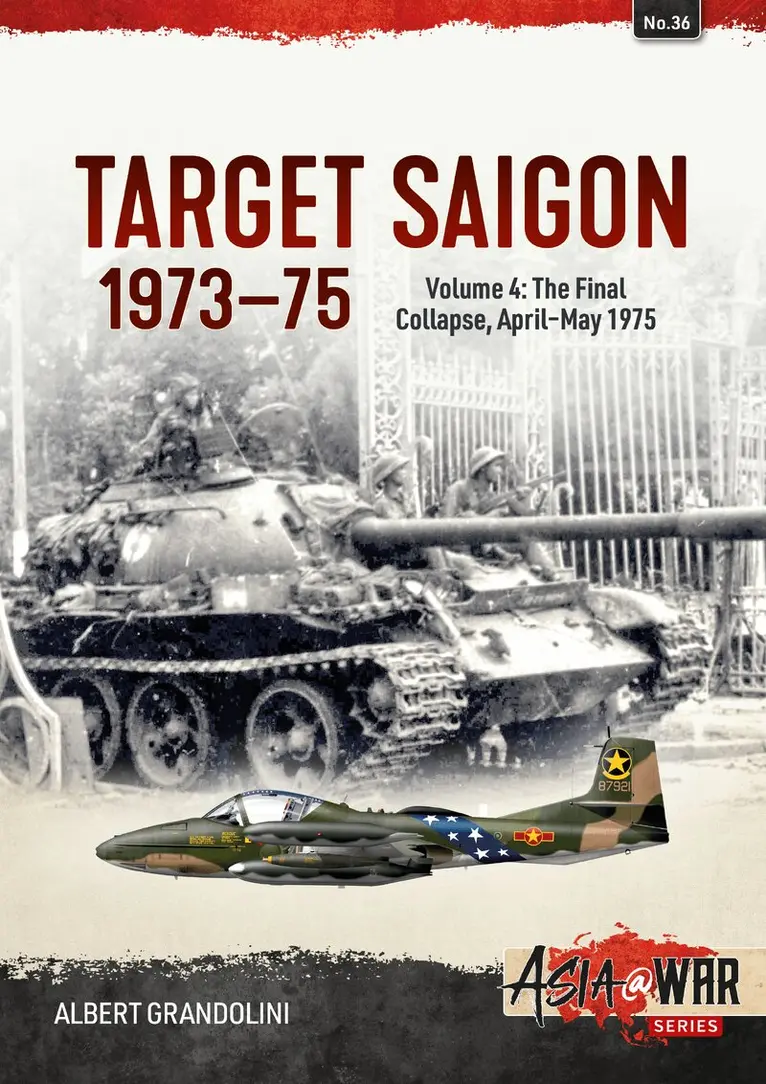
Volume 4 - The Final Collapse, April-May 1975
225 kr
Skickas
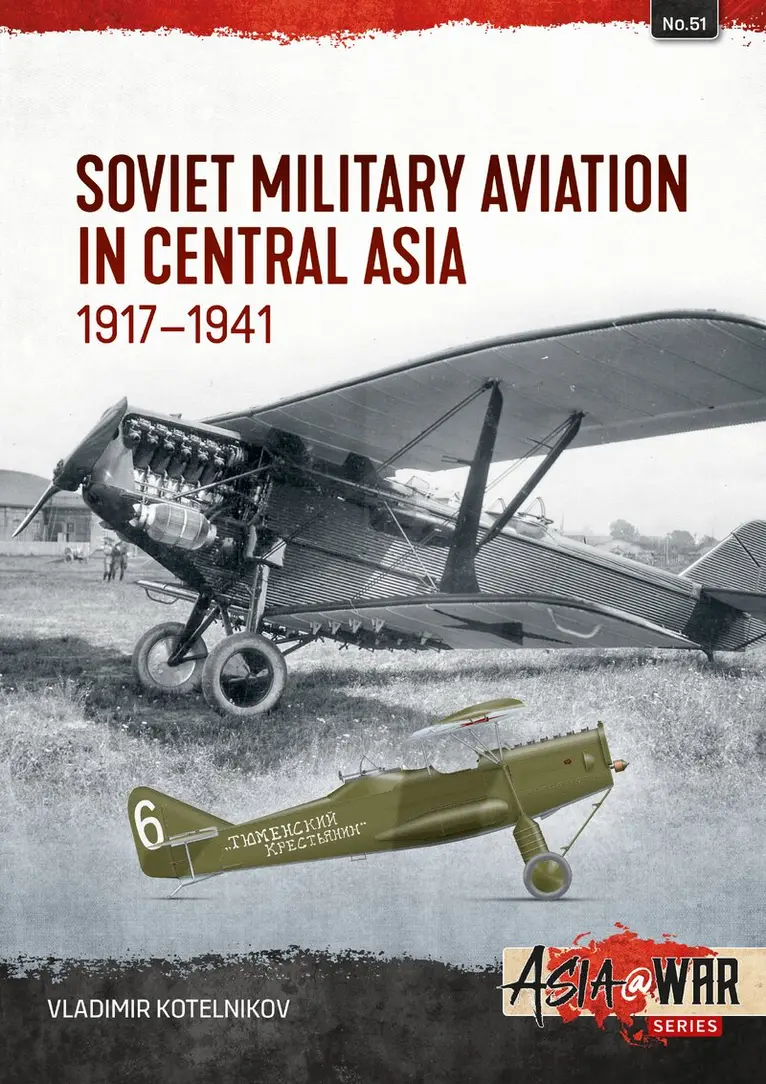
223 kr
Skickas

218 kr
Skickas
For much of the twentieth century, the uniforms of Japan’s armed forces were poorly understood outside Japan, often reduced to stereotypes or treated as a marginal subject within military history. Japanese Military Uniforms 1930–1945 decisively corrects that imbalance. This volume offers the most comprehensive, accurate, and visually precise study of Imperial Japanese Army and Navy uniforms ever published in English.
Covering the critical period from the early Showa era through to Japan’s defeat in 1945, the book documents in extraordinary detail the full range of uniforms worn by officers, non-commissioned officers, and enlisted men. Every major branch is examined: infantry, cavalry, armoured troops, artillery, engineers, military police, airborne and special forces, as well as the Imperial Guard. The
Imperial Japanese Navy is treated with equal thoroughness, including aviation personnel, naval landing forces, specialist branches, and training establishments. Seasonal dress, tropical and winter uniforms, work dress, ceremonial dress, and specialist clothing for extreme environments are all fully illustrated and explained.
What sets this edition apart is not only its visual authority, but also its textual completeness. While previous bilingual editions published in Japan provided only partial English translations—omitting many detailed explanatory passages and leaving a significant number of image captions untranslated—this Helion edition presents, for the first time, a complete and faithful translation of the entire Japanese text, including all technical descriptions and captions. Readers now have full access to the author’s analysis, terminology, and explanatory depth exactly as intended.
Rather than relying primarily on photographs, the author—one of Japan’s foremost historical illustrators—uses meticulously researched colour illustrations to reconstruct uniforms with unrivalled clarity. Cut, fabric, insignia, equipment, methods of wear, and even rear and side views are rendered with a precision that photography alone cannot provide. Subtle but critical distinctions between models, ranks, branches, and periods are clearly visible, making this an indispensable reference for historians, collectors, modellers, curators, and serious enthusiasts alike.
Originally published in Japan in 1991 and later revised, this English-language edition preserves the intellectual rigour and artistic discipline that made the original a landmark publication, while finally making its full content accessible to an international readership. Rank structures, insignia systems, and terminology are carefully explained, allowing readers unfamiliar with Japanese military conventions to navigate the subject with confidence.
Far more than a catalogue of uniforms, Japanese Military Uniforms 1930–1945 places military dress within its broader institutional, social, and cultural context. As part of Helion’s acclaimed Asia@War series, this volume stands as the definitive visual and textual reference—one unlikely to be surpassed—for understanding the appearance and organisation of Japan’s armed forces during the Second World War.
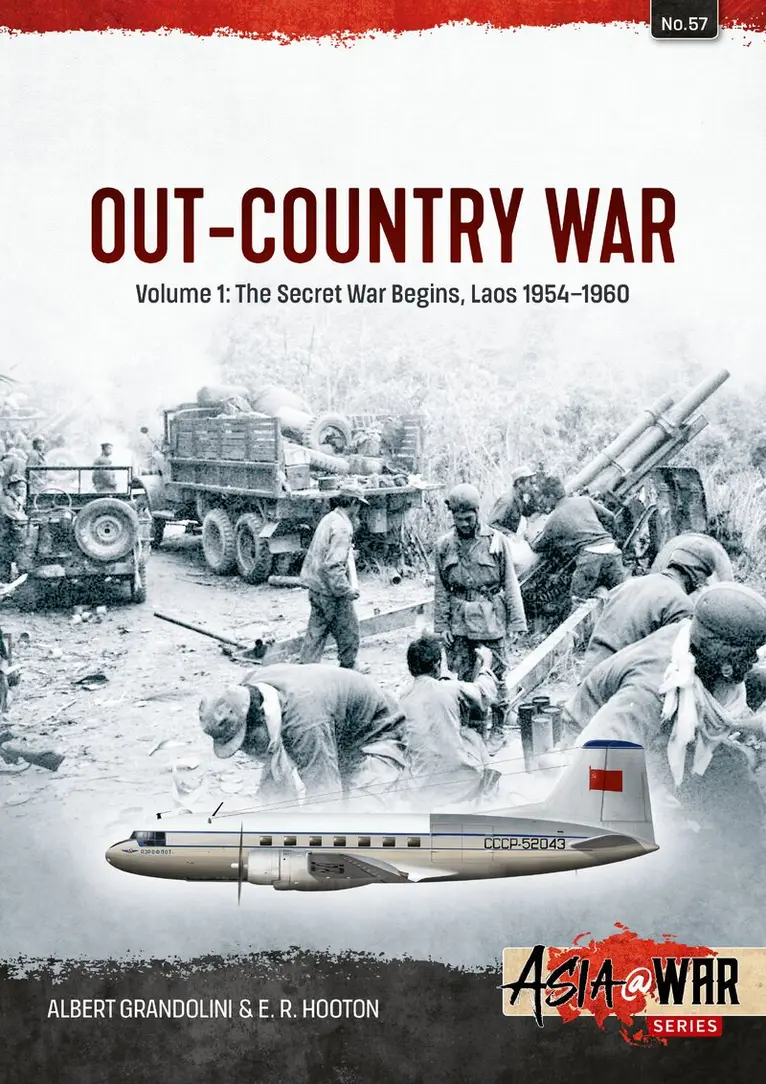
The Secret War Begins, Laos 1954-1960
218 kr
Skickas
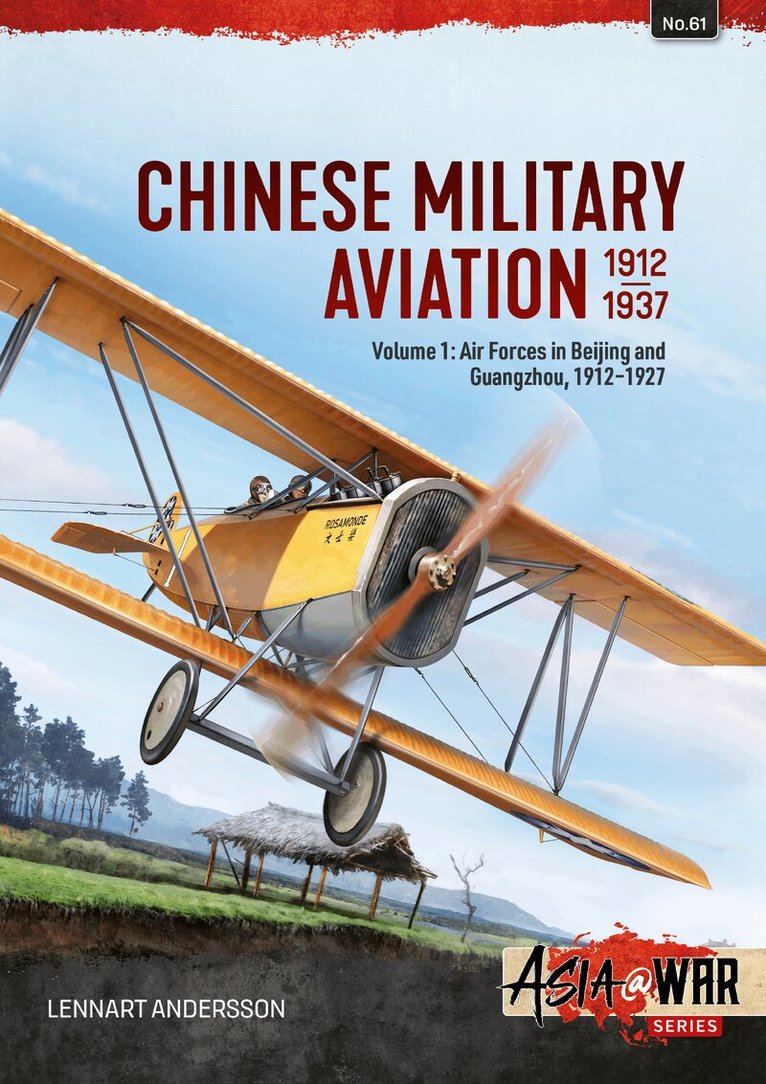
Air Forces in Beijing and Guangzhou, 1911-1927
225 kr
Skickas
This volume offers the first comprehensive study of China’s earliest military air forces, tracing their development in Beijing and Guangzhou between 1911 and 1927. Drawing on multilingual archival sources and rare Chinese aviation publications, it examines the establishment of flying schools, aircraft imports, combat operations, and early attemp

225 kr
Skickas