
Del 8 - A Time of Knights 400 CE to 1453 CE
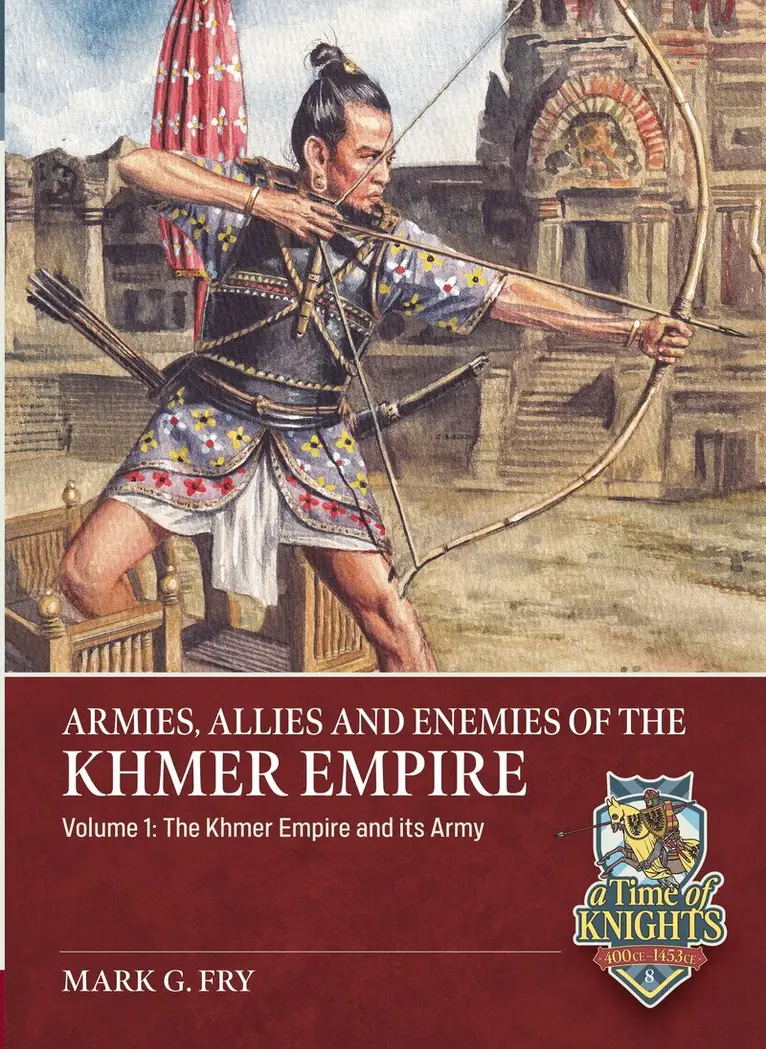
Armies, Allies and Enemies of The Khmer Empire Volume 1
The Khmer Empire and its Army
Häftad, Engelska, 2026
533 kr
Skickas
The Khmer Empire and its Army
533 kr
Skickas
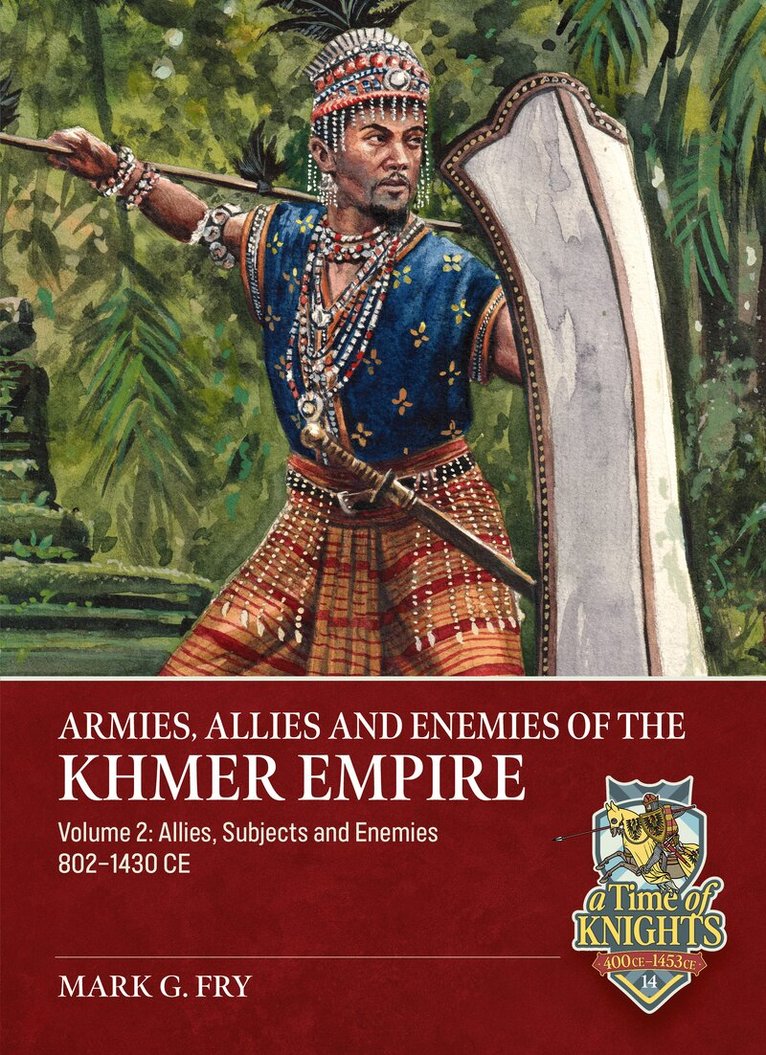
Allies, Subjects and Enemies of the Khmer Empire
533 kr
Skickas inom 3-6 vardagar
Using extensive and previously unpublished photographic reference material drawn from the great Khmer temple complexes of Angkor Wat, Bayon and Banteay Chhmar, Armies, Allies and Enemies of the Khmer Empire offers the first detailed visual and organisational study of the military world of the Khmer Empire (802–1430 CE).
Presented across two comprehensive volumes, the series examines the armies of the Khmer "God-Kings" through a systematic analysis of hundreds of eleventh- and twelfth-century carved military images preserved on the temple walls of Angkor in modern-day Cambodia.
While Volume 1 reconstructs the organisation, equipment, tactics and military culture of the Khmer armed forces themselves, Volume 2 widens the perspective to examine the many allies, tributaries, subject peoples, rivals and enemies who shaped the history of the empire. Drawing on archaeological evidence, inscriptions, contemporary written accounts and comparative visual sources from across Southeast Asia, it reconstructs the military forces of Champa, Đại Việt, the Siamese kingdoms, Burma, the Lao principalities, the Malay and Indonesian states, Nanzhao and Dali, the Mongols and Yuan China, placing the Khmer Empire within its wider regional military context.
The volume explores the constantly shifting relationships of warfare, diplomacy, alliance and conquest that characterised medieval Southeast Asia, examining how the Khmer Empire projected and sustained its power across a territory comparable in scale to that of the contemporary Byzantine Empire while confronting some of the region's most formidable military powers.
Richly illustrated throughout, Armies, Allies and Enemies of the Khmer Empire combines archaeological evidence, military analysis and visual reconstruction to provide the most comprehensive study yet published of Khmer warfare and military society.
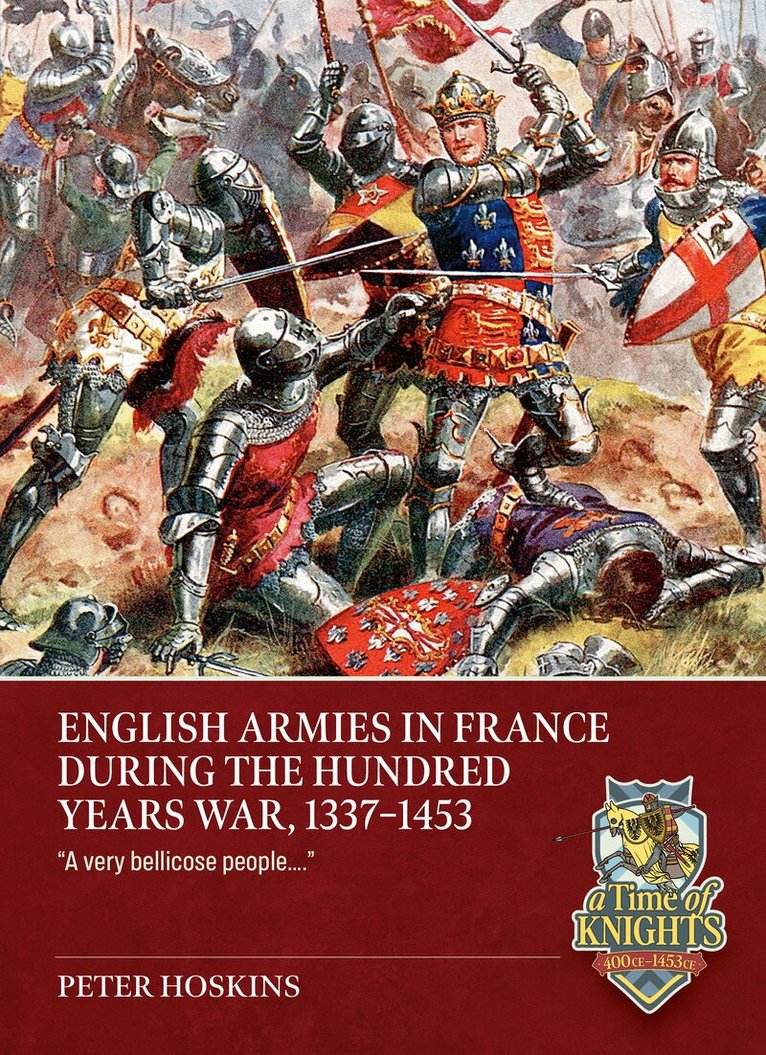
“A very bellicose people….”
333 kr
Skickas
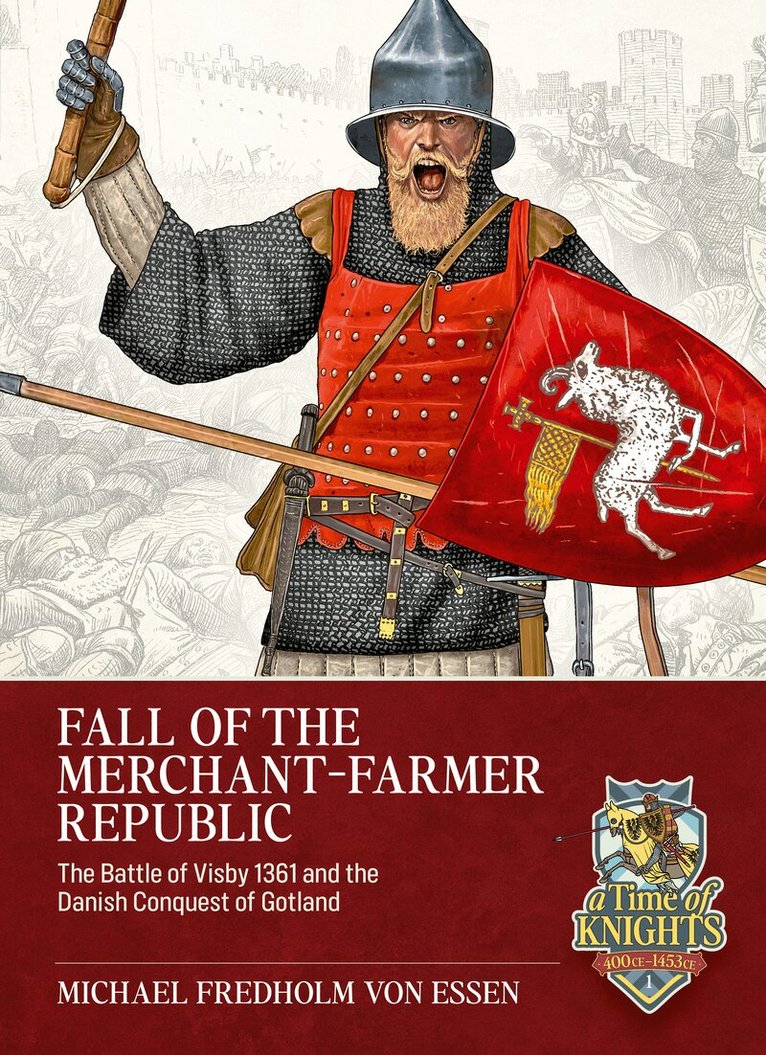
The Battle of Visby 1361 and the Danish Conquest of Gotland
372 kr
Skickas
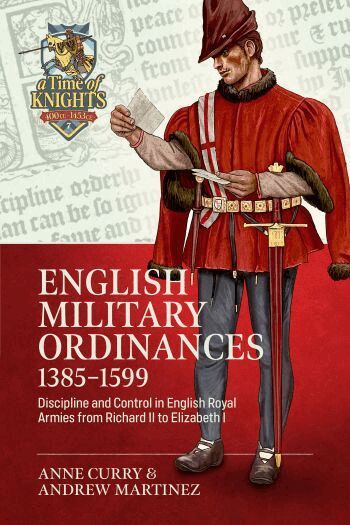
Discipline and Control in English Royal Armies from Richard II to Elizabeth I
388 kr
Skickas
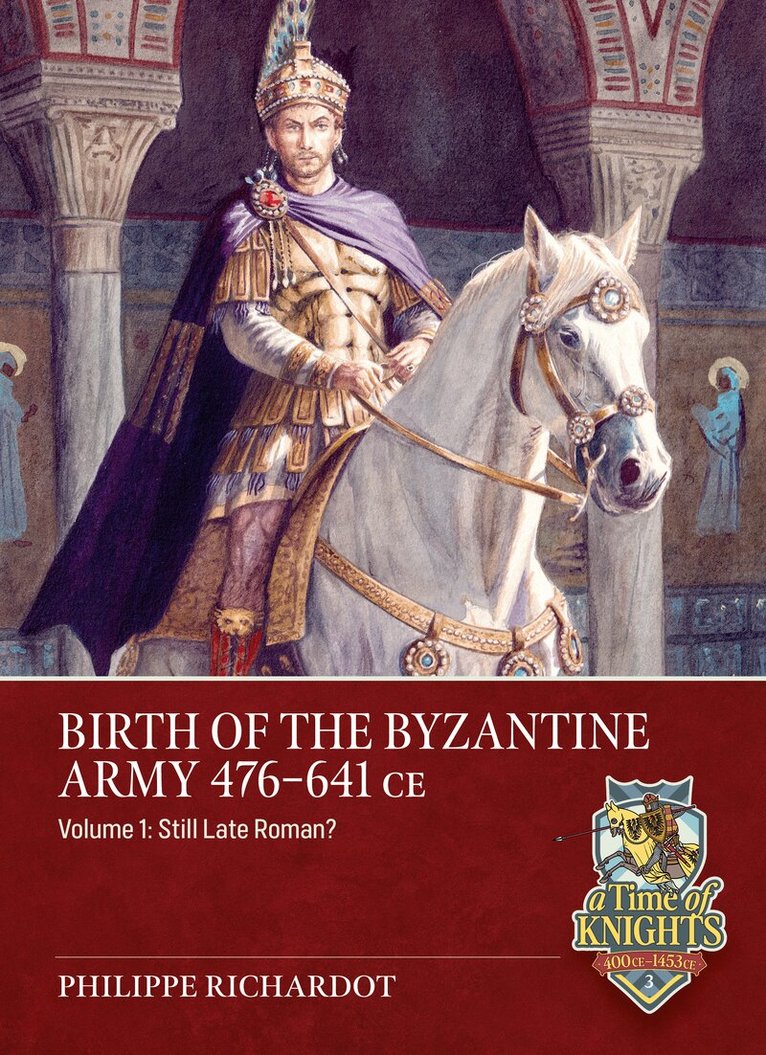
Still Late Roman?
579 kr
Skickas inom 3-6 vardagar
Birth of the Byzantine Army challenges the long-standing historiographical tendency to focus exclusively on the Romano-Byzantine army during Justinian’s reign (527–565 CE), overlooking the Eastern emperors who preceded him after the fall of the Western Empire in 476. This study extends the scope to the end of Heraclius’ reign in 641—the last soldier-emperor of the Late Roman tradition. By then, the Slavs had overrun the Latin-speaking lands of the Balkans, while Muslim forces had taken Syria and Egypt. These new powers ushered in a transformed geopolitical order, depriving the imperial army of vital resources. Constantinople had by then become unmistakably Byzantine, and the Late Roman military system could no longer be sustained.
Over these 165 years, the Romano-Byzantine army inevitably evolved. In addition to traditional adversaries such as the Persians and steppe nomads, it confronted fresh challenges: campaigns in North Africa and wars against the Vandals and Ostrogoths. Once those territories were conquered, the army was forced to defend them against the Moors in Africa and the Lombards in Italy. Along the Danube frontier, it also faced the Slavs and Avars, whose siege warfare threatened Byzantium itself. These pressures demanded new organization and tactics. Should we still call it a Late Roman army—or was it already a new, distinctly Byzantine one? That is the central question.
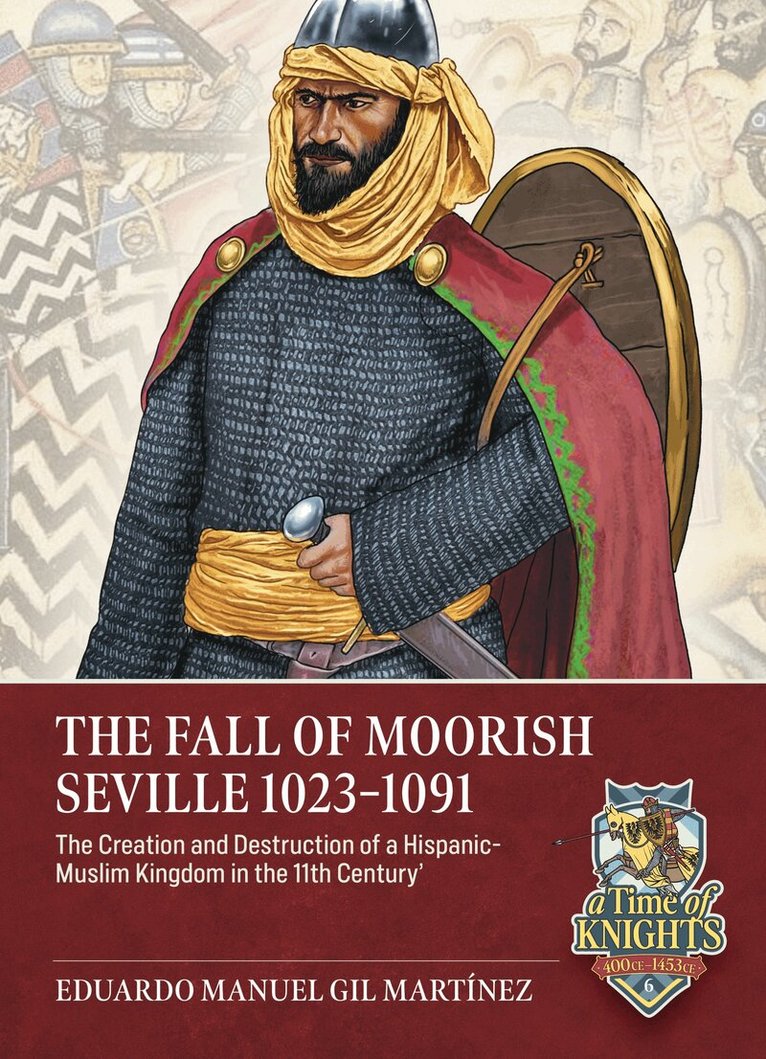
The Creation and Destruction of a Hispanic-Muslim Kingdom in the 11th Century
333 kr
Skickas
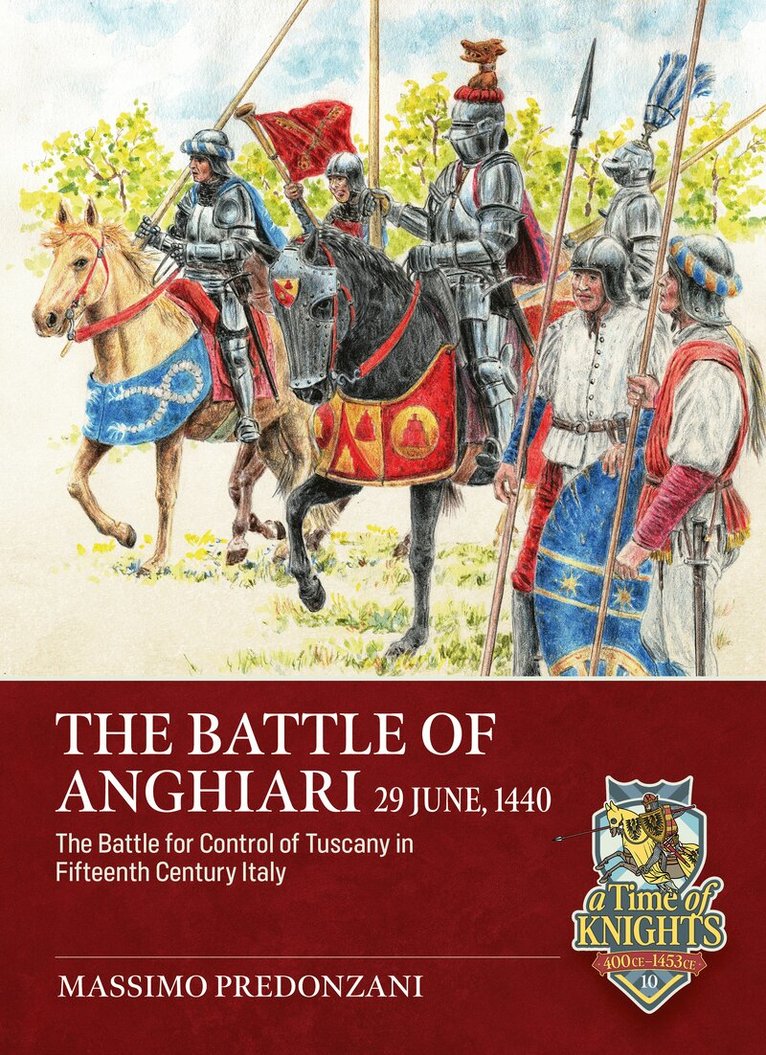
The Battle for the Control of Tuscany in Fifteenth Century Italy
331 kr
Tillfälligt slut
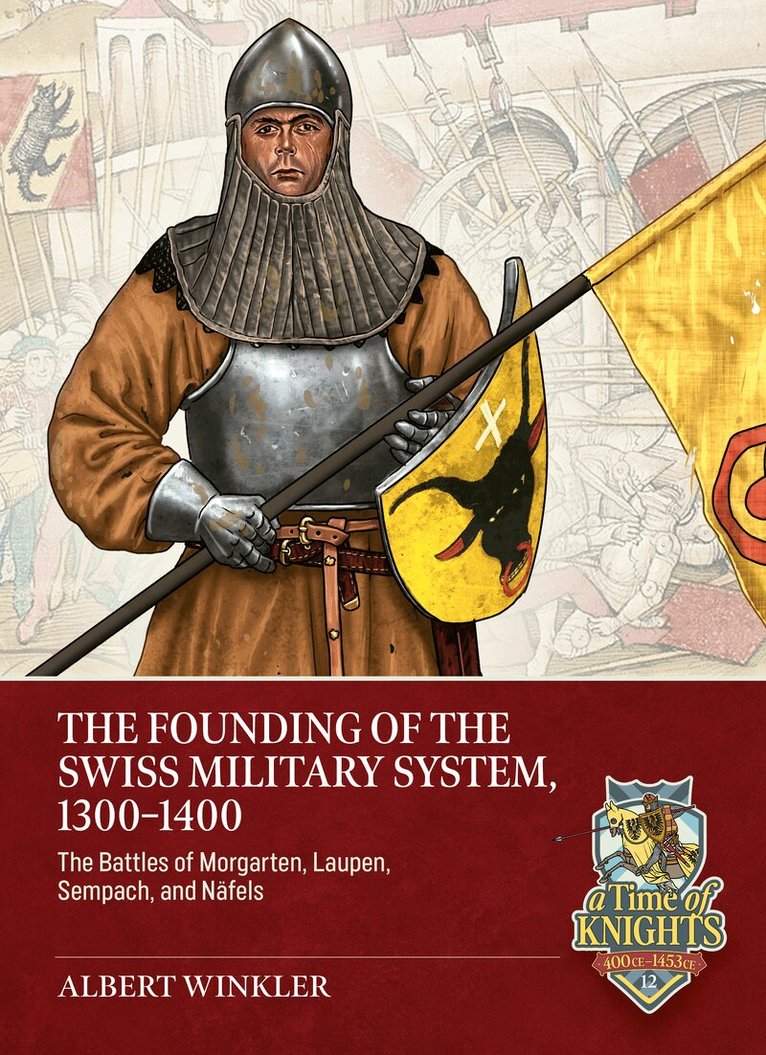
The Battles of Morgarten, Laupen, Sempach, and Näfels
280 kr
Tillfälligt slut
The Founding of the Swiss Military System, 1300–1400 examines how four key fourteenth-century battles helped shape the military and political foundations of the Swiss Confederation. It focuses on the rise of Swiss infantry tactics, the military role of free peasants, and the defeat of feudal forces. The book also traces the early development of one of Europe’s most respected military traditions, a subject that remains little known among English-speaking scholars.
Drawing extensively on often-overlooked medieval sources—including chronicles, histories, reports, historical poems, and legal charters—the study explains how the Swiss challenged and ultimately overcame the dominance of the mounted knight, a decisive force in warfare that had controlled the battlefield for centuries. In doing so, they helped initiate a tactical revolution in military history.
Combining detailed battle analysis with extensive use of contemporary medieval sources, this book shows how the Swiss developed an increasingly sophisticated military system that secured their independence and helped transform the practice of warfare in late medieval Europe.
386 kr
Kommande
333 kr
Kommande
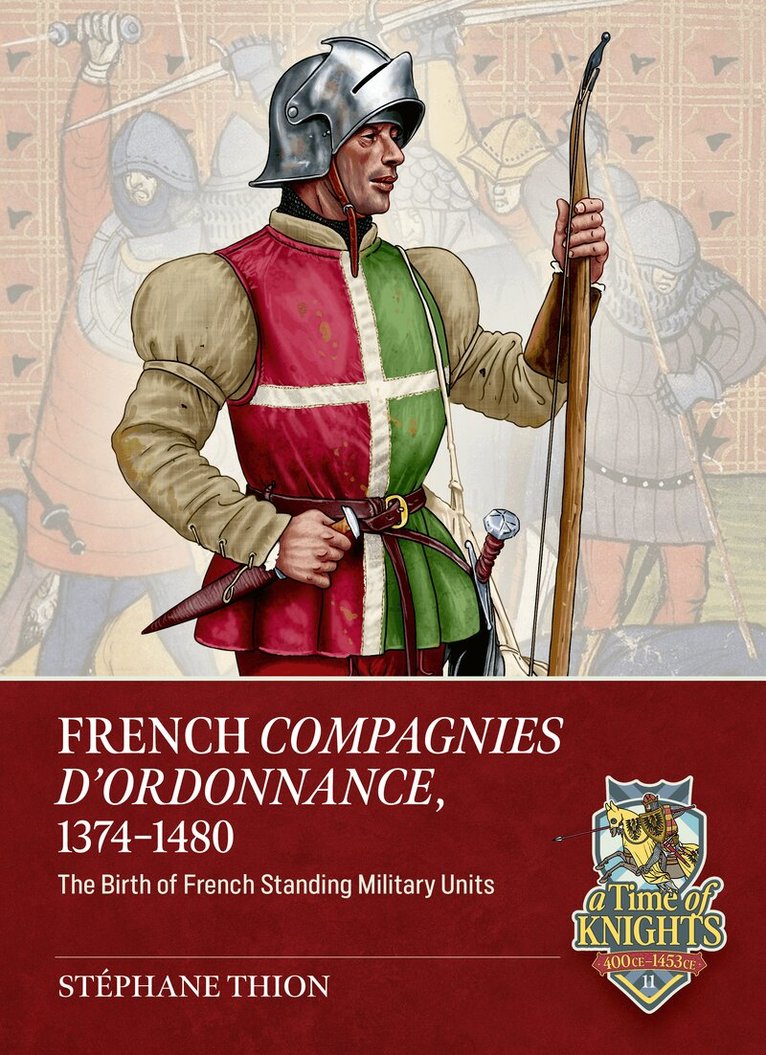
The birth of French standing military units
533 kr
Skickas inom 3-6 vardagar
At the close of the Middle Ages, the French monarchy entered a period of profound political and institutional reconfiguration, for which the Hundred Years’ War provided both the historical context and the principal catalyst. The defeats suffered by French chivalry, the irregular and often inadequate nature of feudal service, the slowness of recruitment, and the emergence of new forms of warfare — including chevauchées, prolonged sieges, and the growing importance of artillery — all exposed the structural limitations of a military system still largely founded upon personal prowess, aristocratic obligation, and vassalic ties.
It was within this broader context that Charles VII initiated the process that led to the formation of a standing army, most commonly associated with the establishment of the compagnies d’ordonnance in 1445, the creation of the francs-archers in 1448, and the consolidation of a more structured royal artillery. Yet such a transformation did not arise ex nihilo. The creation of a permanent military institution, especially in the face of considerable political and social resistance, must be understood as part of a longer evolutionary process, during which the essential administrative, fiscal, and military foundations were gradually laid. Indeed, Charles VII’s military reforms should be seen as the culmination of a long process of professionalisation and centralisation.
The central question addressed in this book concerns the origins and explanatory factors behind this transformation: how and why did the French monarchy come to replace the feudal model of the host and the arrière-ban with a more stable, paid, regulated, and centrally controlled military system, permanently attached to the crown?
Consequently, this book examines the organisation, development, command structures, and military equipment of the French compagnies d’ordonnance, francs-archers and artillery up to 1480. The study is complemented by numerous plates and illustrations.
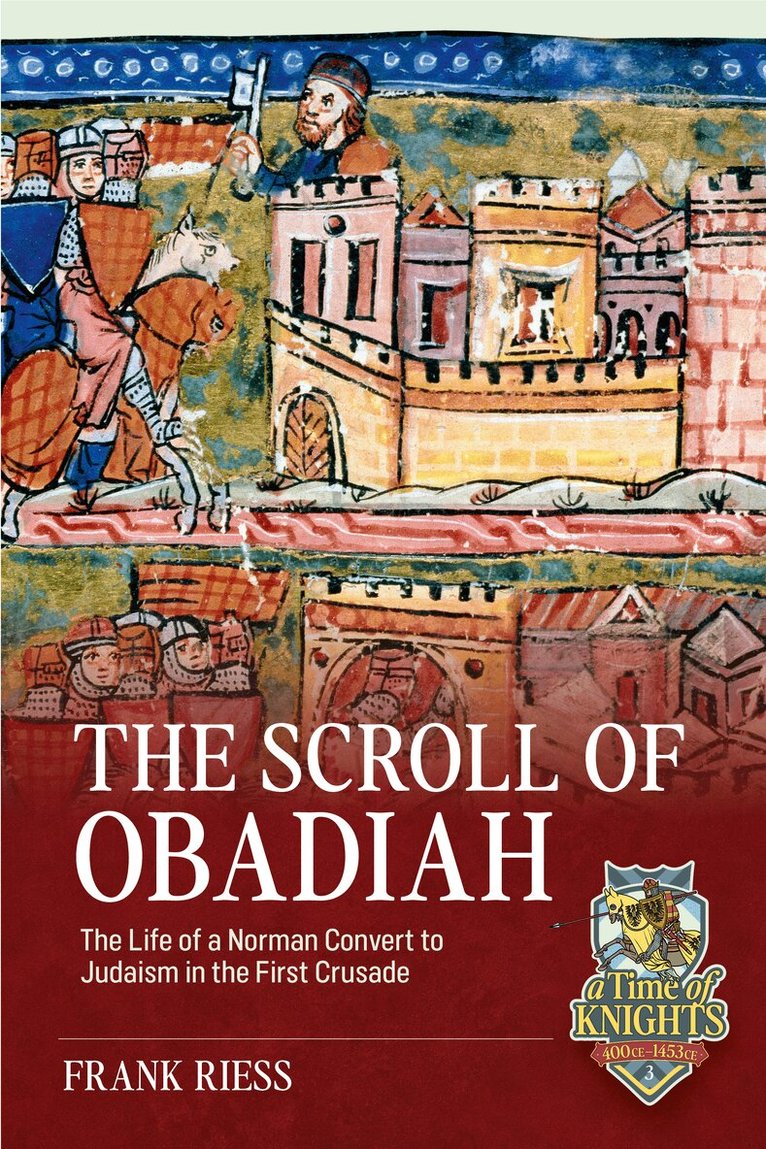
The Life of a Norman Convert to Judaism in the First Crusade
280 kr
Skickas
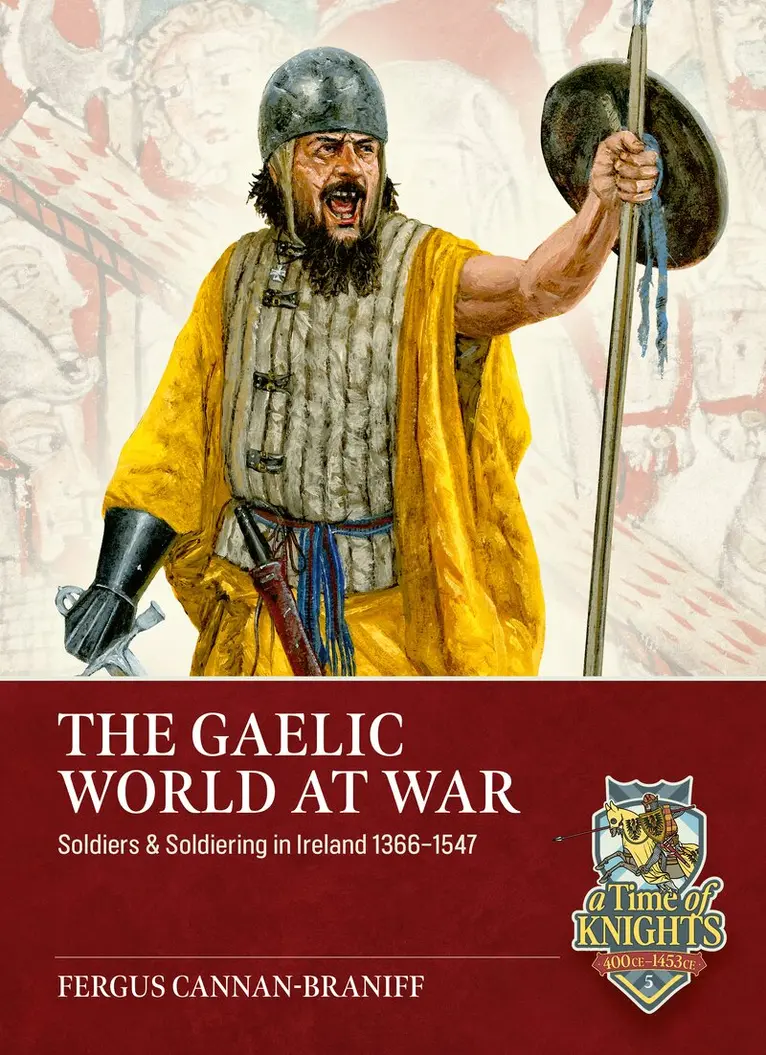
Soldiers & Soldiering in Ireland 1366-1547
443 kr
Skickas inom 3-6 vardagar
It has long been customary for historians to dismiss medieval Irish and Scottish soldiers as outmoded and poorly equipped. From the time of the Statutes of Kilkenny down to the death of Henry VIII, The Gaelic World at War challenges those assumptions head-on by examining the methods of military organisation, training, armament, and tactics followed by late medieval Irish leaders.
Gaelic military leaders were not as isolated from the European mainstream as has often been believed. Irish and Scottish soldiers may have been better trained, selected, and equipped than previously thought. Gaelic armies embraced many of the trends occurring in Western Europe. Rather than being backward and isolated, Gaelic armies recognised that the world was changing around them and that they needed to keep pace with those changes.
Drawing on a broad range of sources, The Gaelic World at War will appeal to reenactors, model-makers, and scholars, providing a fresh perspective on the soldiers of late medieval Ireland.
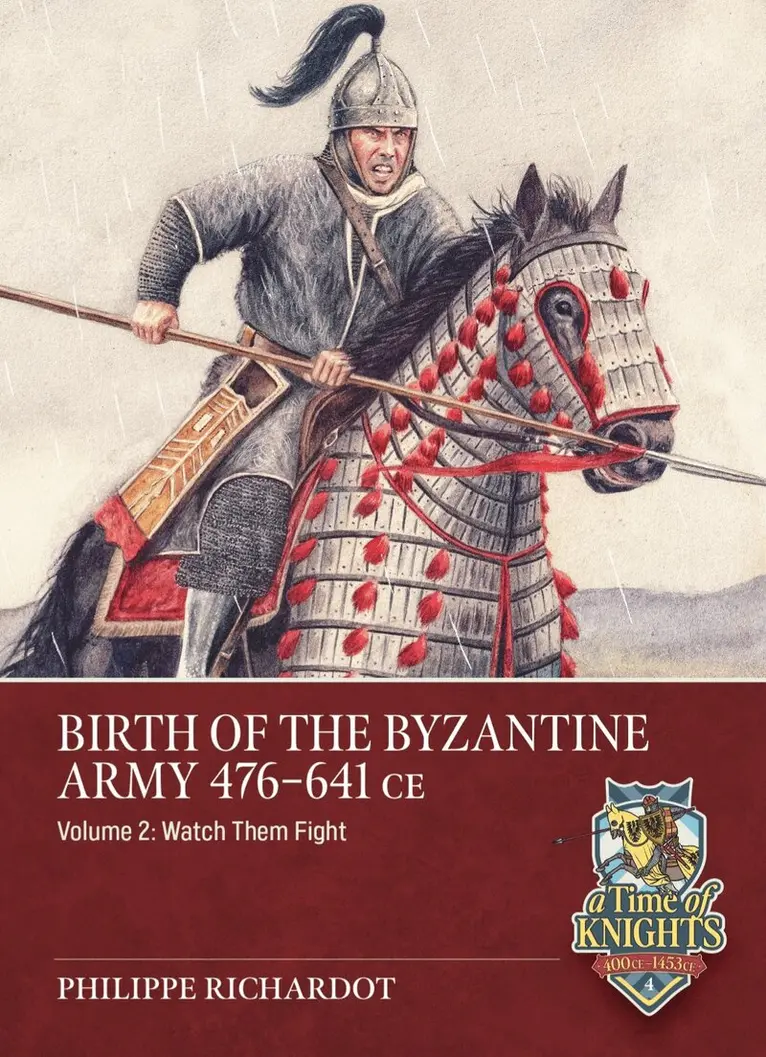
Watch then Fight!
534 kr
Skickas inom 3-6 vardagar
Birth of the Byzantine Army breaks with the historiographical habit of examining the Romano-Byzantine Army solely during Justinian’s reign (527–565 CE), while neglecting the Eastern Emperors who preceded him after the fall of the Western Empire in 476. This comprehensive study extends to the end of Heraclius’ reign in 641 —the last soldier-emperor of the Late Roman tradition. By that time, the Slavs had seized the Latin-speaking lands of the Balkans, and the Muslims had conquered Syria and Egypt. These two rising powers ushered in a new geopolitical era, depriving the Imperial Army of vast resources. Constantinople had, by then, become fully Byzantium, and the Late Roman military tradition could no longer be sustained.
Over the course of these 165 years the Romano-Byzantine Army underwent significant transformation. In addition to traditional enemies such as the Persians and Steppe horsemen, it faced new challenges: campaigns in North Africa and wars against the Vandals and the Ostrogoths. Drawn into these conquests, the Imperial Army found itself defending new territories against the Moors in Africa and the Lombards in Italy. Along the Danube frontier, it had to contain the Slavs and Avars, whose siege warfare posed a direct threat to Byzantium itself. New forms of organisation and tactics became essential.
Was this still a Late Roman Army—or had a distinctly Byzantine one been born? That is the question.
333 kr
Kommande
326 kr
Kommande
331 kr
Kommande
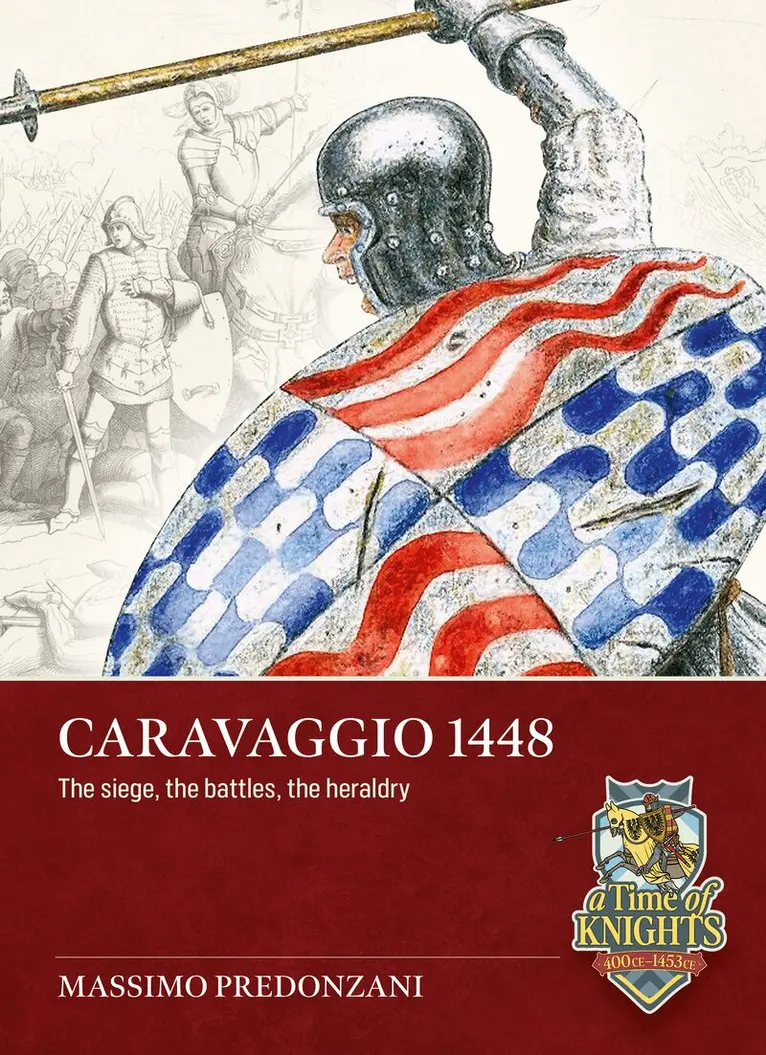
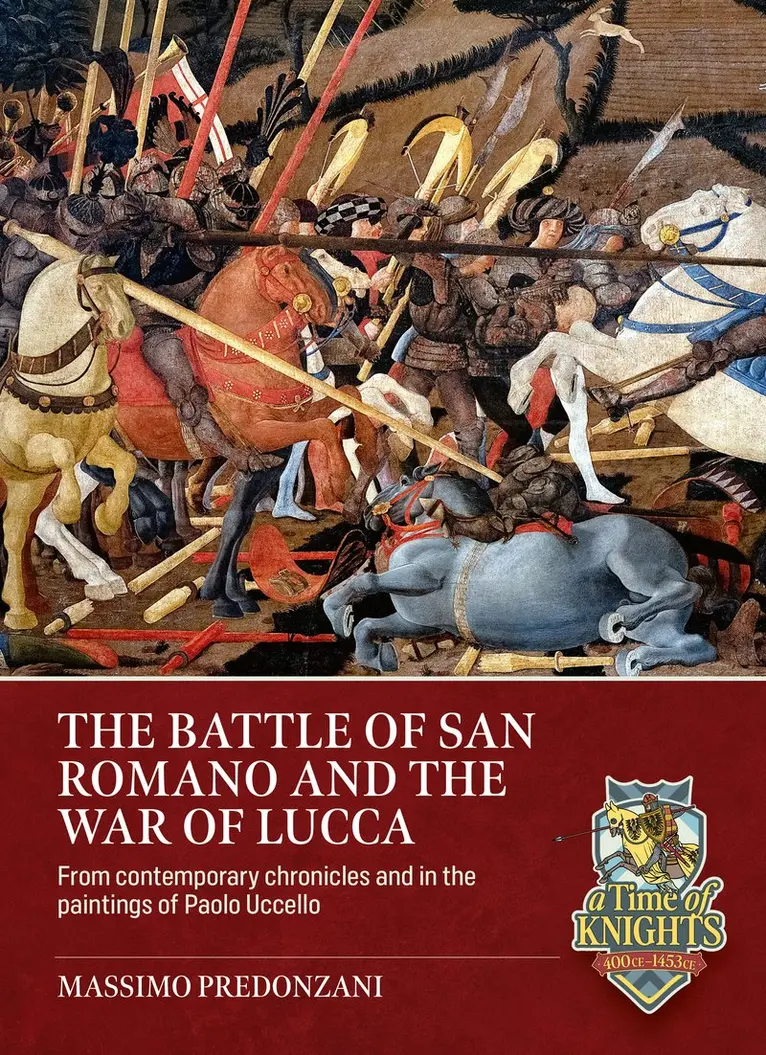
Towards the end of 1429, Florence, intent on expanding its territory, turned its attention to the city of Lucca. Florentine forces occupied the surrounding countryside and laid siege to the city, beginning what became known as the War of Lucca (1429–1433). The Republic of Siena and Filippo Maria Visconti, Duke of Milan, intervened in support of Lucca, while Venice later entered the conflict on the side of Florence and Genoa joined the opposing alliance.
Among the most important engagements of the war were the Battle of the Serchio in December 1430, where the forces of Lucca, led by Niccolò Piccinino, defeated the Florentines, and the Battle of San Romano in June 1432, which resulted in a Florentine victory. San Romano was one of Florence’s few major successes during the conflict and was later immortalised in three celebrated paintings by Paolo Uccello, produced around 1440 to commemorate the victory.
Today housed in major museums in Florence, Paris and London, Uccello’s three paintings provide an important visual record of fifteenth-century warfare, particularly the weapons, armour and military heraldry of the period. Italian armies at the time were composed largely of mercenary troops, with individual companies displaying distinctive colours and symbols on their clothing, standards and equipment. These identifying devices were known as divise, or liveries.
Uccello depicted these divise in remarkable detail. By comparing the paintings with contemporary documentary evidence, the author has been able to identify previously unrecognised figures and shed new light on the men who fought at San Romano. Drawing upon original documents and contrasting accounts of the battle, including important evidence from the Sienese side, this book offers a fresh examination of the battle, its participants and the military culture of fifteenth-century Italy.