
Del 4 - From Alexander to Adrianople 3000 BCE-400 CE
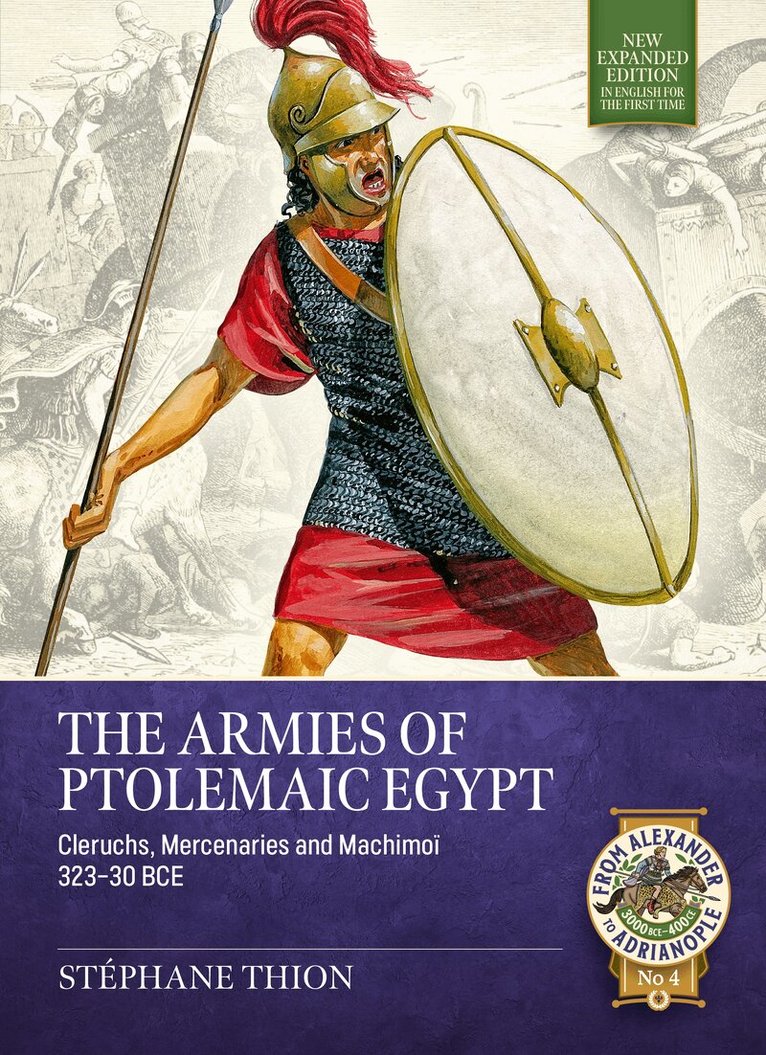
The Armies of Ptolemaic Egypt
Cleruchs, mercenaries and machimoï 323-30 BCE
Häftad, Engelska, 2026
278 kr
Skickas
Cleruchs, mercenaries and machimoï 323-30 BCE
278 kr
Skickas

Enghien and Turenne at War
280 kr
Skickas
The birth of French standing military units
533 kr
Skickas inom 3-6 vardagar
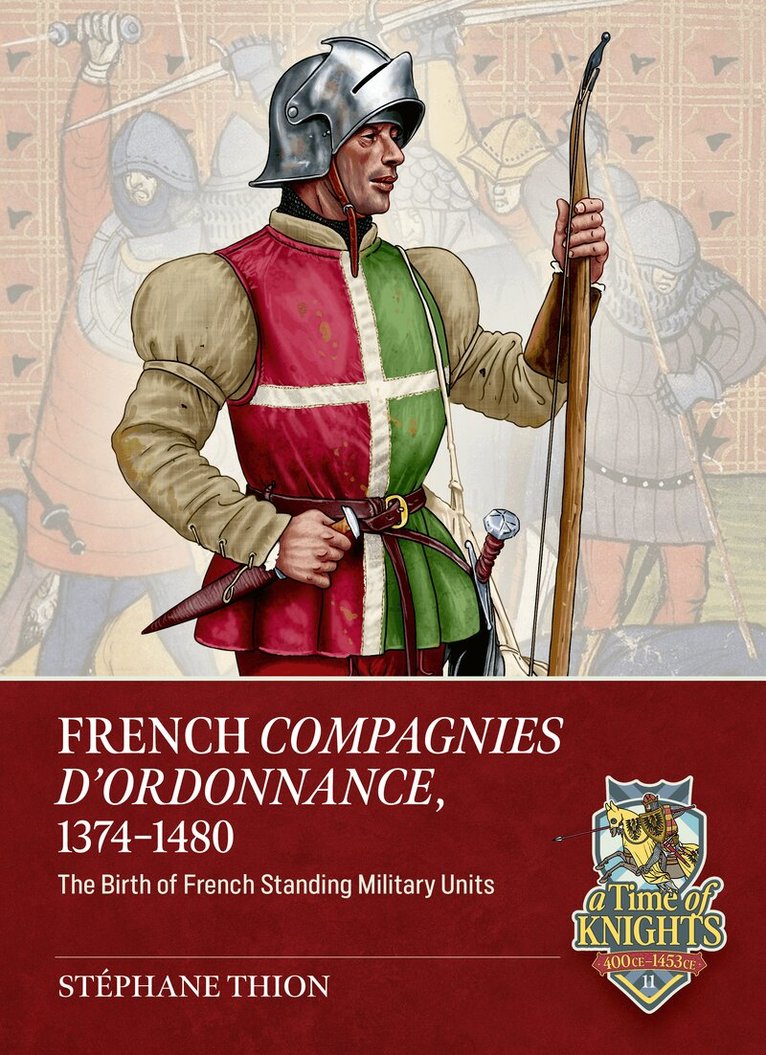
At the close of the Middle Ages, the French monarchy entered a period of profound political and institutional reconfiguration, for which the Hundred Years’ War provided both the historical context and the principal catalyst. The defeats suffered by French chivalry, the irregular and often inadequate nature of feudal service, the slowness of recruitment, and the emergence of new forms of warfare — including chevauchées, prolonged sieges, and the growing importance of artillery — all exposed the structural limitations of a military system still largely founded upon personal prowess, aristocratic obligation, and vassalic ties.
It was within this broader context that Charles VII initiated the process that led to the formation of a standing army, most commonly associated with the establishment of the compagnies d’ordonnance in 1445, the creation of the francs-archers in 1448, and the consolidation of a more structured royal artillery. Yet such a transformation did not arise ex nihilo. The creation of a permanent military institution, especially in the face of considerable political and social resistance, must be understood as part of a longer evolutionary process, during which the essential administrative, fiscal, and military foundations were gradually laid. Indeed, Charles VII’s military reforms should be seen as the culmination of a long process of professionalisation and centralisation.
The central question addressed in this book concerns the origins and explanatory factors behind this transformation: how and why did the French monarchy come to replace the feudal model of the host and the arrière-ban with a more stable, paid, regulated, and centrally controlled military system, permanently attached to the crown?
Consequently, this book examines the organisation, development, command structures, and military equipment of the French compagnies d’ordonnance, francs-archers and artillery up to 1480. The study is complemented by numerous plates and illustrations.
331 kr
Kommande
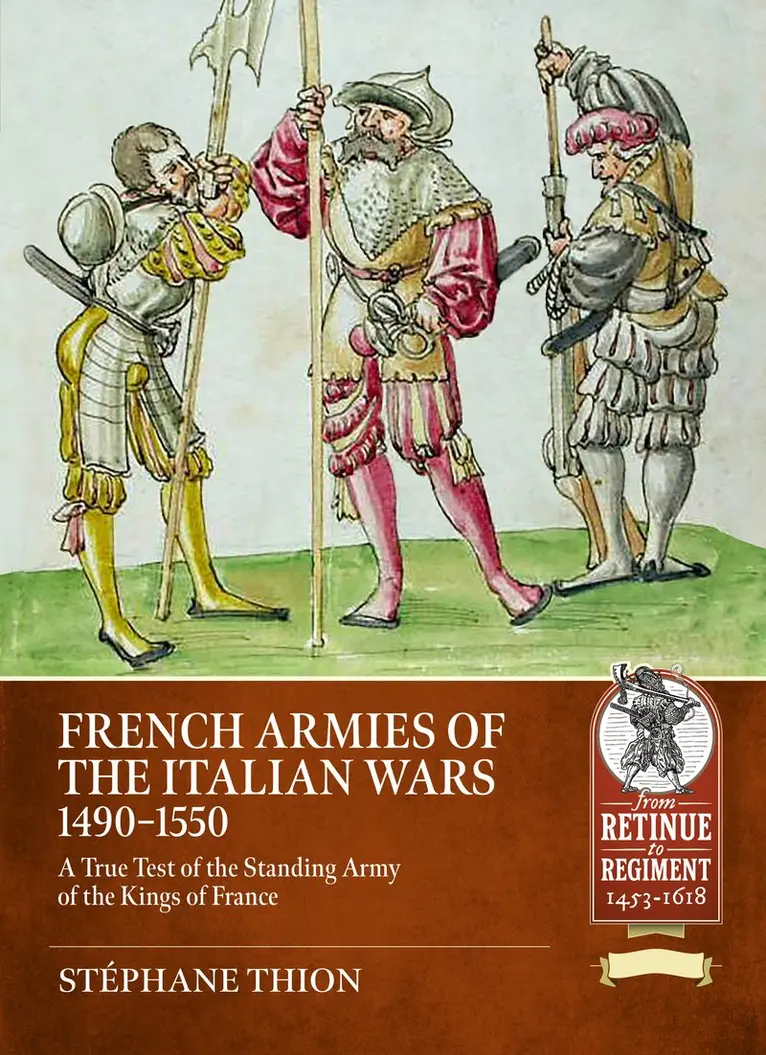
The furia francese (‘French fury’) and the exploits of Bayard, the celebrated ‘knight without fear or reproach’, are firmly rooted in the achievements of the French armies that fought in the Italian Wars. The reigns of Charles VIII (1483–1498), Louis XII (1498–1515) and Francis I (1515–1547) encompassed the first five Italian Wars, during which French forces confronted a diverse range of opponents, including the Italian states, the Habsburg Empire, Spain and the Swiss. These conflicts therefore provide an ideal setting in which to examine the development and conduct of the French standing army beyond the final stages of the Hundred Years’ War and the conflicts of Louis XI’s reign.
Based on contemporary first-hand sources, including chronicles, ordinances and other material largely unpublished in English, French Armies of the Italian Wars, 1490–1550 forms a natural sequel to French Companies d’Ordonnance, 1374–1480, published in Helion & Company’s A Time of Knights, 400 CE to 1453 CE series. This volume examines the organisation, composition and recruitment of the French standing army during the first half of the sixteenth century, as well as its weapons and equipment, tactics and performance on the battlefield. In doing so, it provides a detailed account of the forces that fought for the French Crown during one of the most important and transformative periods in European warfare.