3 134 kr
Läs direkt efter köp
3 134 kr
Läs direkt efter köp
1 551 kr
Läs direkt efter köp
1 052 kr
Läs direkt efter köp
This reference book provides a comprehensive overview of models and therapeutic approaches against neurodegenerative diseases, including Parkinson’s disease, Alzheimer’s disease, Huntington’s disease, and amyotrophic lateral sclerosis. It explores models based on the chemical, induced, cellular, genetic, transgenic, and 3D organoid approaches in neurodegenerative diseases. The book also reviews advantages and limitations of these models in designing the treatment strategies. Additionally, the book covers the emerging field of bioinformatics and its application in modeling various neurodegenerative diseases. Towards the end, the book highlights the role of holistic management, precision medicine, OMICS, and gene therapy against neurodegenerative disorders. It examines the implications and significance of stem cells therapy in translational models of neurodegenerative diseases. This book is an invaluable resource for researchers, neuroscientists, and neurosurgeons for getting in-depth information on the neurodegenerative models and therapeutic approaches.
Key Features:
Provides a comprehensive overview of neurodegenerative diseases and their models Examines the limitations associated with modeling neurodegenerative diseases Presents novel treatment strategies for Alzheimer''s disease using cellular models Reviews importance of 3D organoid models for therapeutic approaches in Parkinson''s disease Covers modeling techniques in understanding prion diseases Explores the role of genetic models in understanding Huntington''s disease1 030 kr
Läs direkt efter köp
This reference book provides a comprehensive overview of models and therapeutic approaches against neurodegenerative diseases, including Parkinson’s disease, Alzheimer’s disease, Huntington’s disease, and amyotrophic lateral sclerosis. It explores models based on the chemical, induced, cellular, genetic, transgenic, and 3D organoid approaches in neurodegenerative diseases. The book also reviews advantages and limitations of these models in designing the treatment strategies. Additionally, the book covers the emerging field of bioinformatics and its application in modeling various neurodegenerative diseases. Towards the end, the book highlights the role of holistic management, precision medicine, OMICS, and gene therapy against neurodegenerative disorders. It examines the implications and significance of stem cells therapy in translational models of neurodegenerative diseases. This book is an invaluable resource for researchers, neuroscientists, and neurosurgeons for getting in-depth information on the neurodegenerative models and therapeutic approaches.
Key Features:
Provides a comprehensive overview of neurodegenerative diseases and their models Examines the limitations associated with modeling neurodegenerative diseases Presents novel treatment strategies for Alzheimer''s disease using cellular models Reviews importance of 3D organoid models for therapeutic approaches in Parkinson''s disease Covers modeling techniques in understanding prion diseases Explores the role of genetic models in understanding Huntington''s disease1 231 kr
Läs direkt efter köp
4 449 kr
Läs direkt efter köp
7 311 kr
Läs direkt efter köp
1 222 kr
Läs direkt efter köp
3 531 kr
Läs direkt efter köp
1 257 kr
Läs direkt efter köp
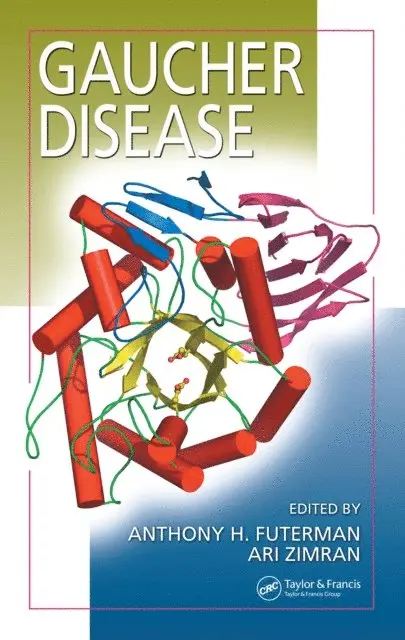
In September of 2007 Gaucher Disease received a commendation in the Haematology category of the 2007 British Medical Association Medical Book Competition!Although rare in the general population, Gaucher disease is the most prevalent of the lysosomal storage disorders, making research into this particular orphan disorder an invaluable proto
1 222 kr
Läs direkt efter köp
9 119 kr
Läs direkt efter köp
3 531 kr
Läs direkt efter köp
8 984 kr
Läs direkt efter köp
3 531 kr
Läs direkt efter köp
4 710 kr
Läs direkt efter köp
4 814 kr
Läs direkt efter köp
1 195 kr
Läs direkt efter köp
Nanomedicine represents a paradigm shift in cancer therapeutics, offering targeted drug delivery, reduced systemic toxicity, and enhanced efficacy. This book provides a detailed and systematic overview of nanomedicine formulations and their diverse applications across the cancer treatment landscape.
Beginning with fundamental principles of nanoparticle synthesis, characterization, and application in medicine, the text progresses to explore key nanoparticle platforms. Polymer-based nanoparticles are examined with respect to material properties, production methodologies, and their role in developing tailored cancer therapies. A dedicated section addresses lipid-based nanoparticles, focusing on the complexities of biological delivery, clinical successes, and essential considerations for stability and storage. Self-generating nanoemulsions (SGNEs) are introduced as a strategy to enhance drug bioavailability and overcome resistance, with attention given to regulatory pathways for clinical translation.
This book further elucidates site-specific drug delivery, detailing passive and active targeting mechanisms through various ligands. Diagnostic applications of nanomedicine are also presented, with a focus on fluorescent nanoparticles, their characterization, biomedical uses, clinical trial status, and limitations in comparison to alternative diagnostic modalities.
Critical areas such as cancer immunotherapy, including preventive and therapeutic vaccines and oncolytic viruses, and the burgeoning field of RNA-based therapeutics, highlighting the role of nanotechnology in their stabilization and targeted delivery, are thoroughly discussed. The text culminates with an overview of CAR-T cell therapy, associated challenges, innovative engineering strategies like CRISPR/Cas9, nanoparticle-mediated gene delivery, and relevant clinical advancements. Finally, this book addresses the multifaceted hurdles hindering the clinical translation of cancer-targeting nanomedicines, proposing potential solutions and design considerations to optimize clinical outcomes.
Key Features
In-Depth Coverage of Nanomedicine in Oncology: A comprehensive guide covering fundamental principles to advanced diagnostic and therapeutic strategies in cancer care. Focus on Targeted Drug Delivery and Imaging: Highlights nanoparticle formulations (polymer, lipid, nano-emulsions) for precise drug delivery and advanced imaging techniques for early diagnosis. Exploration of Cutting-Edge Therapeutic Modalities: Covers breakthroughs in nanoparticle-enhanced immunotherapy, RNA therapeutics, and nanotechnology''s role in CAR-T cell therapy. Clinical Translation Focus: Bridges research and clinical application, addressing challenges and opportunities in bringing nanomedicines to patients.1 195 kr
Läs direkt efter köp
Nanomedicine represents a paradigm shift in cancer therapeutics, offering targeted drug delivery, reduced systemic toxicity, and enhanced efficacy. This book provides a detailed and systematic overview of nanomedicine formulations and their diverse applications across the cancer treatment landscape.
Beginning with fundamental principles of nanoparticle synthesis, characterization, and application in medicine, the text progresses to explore key nanoparticle platforms. Polymer-based nanoparticles are examined with respect to material properties, production methodologies, and their role in developing tailored cancer therapies. A dedicated section addresses lipid-based nanoparticles, focusing on the complexities of biological delivery, clinical successes, and essential considerations for stability and storage. Self-generating nanoemulsions (SGNEs) are introduced as a strategy to enhance drug bioavailability and overcome resistance, with attention given to regulatory pathways for clinical translation.
This book further elucidates site-specific drug delivery, detailing passive and active targeting mechanisms through various ligands. Diagnostic applications of nanomedicine are also presented, with a focus on fluorescent nanoparticles, their characterization, biomedical uses, clinical trial status, and limitations in comparison to alternative diagnostic modalities.
Critical areas such as cancer immunotherapy, including preventive and therapeutic vaccines and oncolytic viruses, and the burgeoning field of RNA-based therapeutics, highlighting the role of nanotechnology in their stabilization and targeted delivery, are thoroughly discussed. The text culminates with an overview of CAR-T cell therapy, associated challenges, innovative engineering strategies like CRISPR/Cas9, nanoparticle-mediated gene delivery, and relevant clinical advancements. Finally, this book addresses the multifaceted hurdles hindering the clinical translation of cancer-targeting nanomedicines, proposing potential solutions and design considerations to optimize clinical outcomes.
Key Features
In-Depth Coverage of Nanomedicine in Oncology: A comprehensive guide covering fundamental principles to advanced diagnostic and therapeutic strategies in cancer care. Focus on Targeted Drug Delivery and Imaging: Highlights nanoparticle formulations (polymer, lipid, nano-emulsions) for precise drug delivery and advanced imaging techniques for early diagnosis. Exploration of Cutting-Edge Therapeutic Modalities: Covers breakthroughs in nanoparticle-enhanced immunotherapy, RNA therapeutics, and nanotechnology''s role in CAR-T cell therapy. Clinical Translation Focus: Bridges research and clinical application, addressing challenges and opportunities in bringing nanomedicines to patients.3 807 kr
Läs direkt efter köp
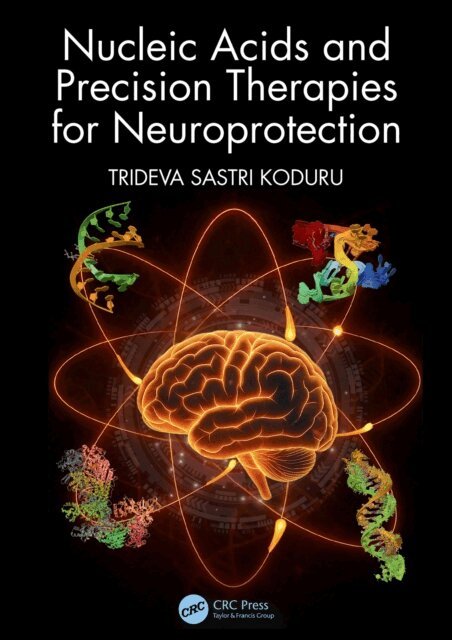
Neurodegenerative disorders are rising worldwide, yet most approved drugs merely temper symptoms. Nucleic Acids and Precision Therapies for Neuroprotection addresses this therapeutic shortfall directly, tracing how antisense oligonucleotides, RNA interference agents, mRNA platforms, aptamers, and CRISPR-class editors are redefining what "treatable" means for Alzheimer’s, Parkinson’s, ALS, Huntington’s disease, and Multiple Sclerosis.
Rather than cataloguing modalities in isolation, the book lays out an end-to-end translational roadmap from target identification and sequence optimisation to blood–brain barrier traversal, immunogenicity management, scalable manufacturing, and ethical oversight. Delivery science (including viral, nanoparticle, and hybrid vectors), AI-enabled biomarker discovery, adaptive trial architectures, and shifting global regulatory frameworks are viewed as interlocking elements of a single development pathway.
By aligning disparate scientific "dialects" into a shared, practice-oriented language, Nucleic Acids and Precision Therapies for Neuroprotection offers what the field currently lacks: a cohesive guide for moving nucleic acid therapeutics from concept to clinic with precision. Researchers, clinicians, regulators, and industry teams will find pragmatic frameworks, comparative tables, and decision points that shorten the path between mechanistic insight and patient impact without sacrificing rigour or transparency.
KEY FEATURES:
Integrates molecular design, delivery engineering, clinical trial strategy, and regulatory science into one end-to-end translational workflow for nucleic acid therapeutics in neurology Delivers disease-specific playbooks (AD, PD, ALS, HD, MS) that map genotype/phenotype data to actionable targets, modality selection, and delivery routes Embeds AI/ML-driven biomarker discovery, patient stratification, and manufacturability analytics alongside ethical, access, and cost considerations3 807 kr
Läs direkt efter köp
Neurodegenerative disorders are rising worldwide, yet most approved drugs merely temper symptoms. Nucleic Acids and Precision Therapies for Neuroprotection addresses this therapeutic shortfall directly, tracing how antisense oligonucleotides, RNA interference agents, mRNA platforms, aptamers, and CRISPR-class editors are redefining what "treatable" means for Alzheimer’s, Parkinson’s, ALS, Huntington’s disease, and Multiple Sclerosis.
Rather than cataloguing modalities in isolation, the book lays out an end-to-end translational roadmap from target identification and sequence optimisation to blood–brain barrier traversal, immunogenicity management, scalable manufacturing, and ethical oversight. Delivery science (including viral, nanoparticle, and hybrid vectors), AI-enabled biomarker discovery, adaptive trial architectures, and shifting global regulatory frameworks are viewed as interlocking elements of a single development pathway.
By aligning disparate scientific "dialects" into a shared, practice-oriented language, Nucleic Acids and Precision Therapies for Neuroprotection offers what the field currently lacks: a cohesive guide for moving nucleic acid therapeutics from concept to clinic with precision. Researchers, clinicians, regulators, and industry teams will find pragmatic frameworks, comparative tables, and decision points that shorten the path between mechanistic insight and patient impact without sacrificing rigour or transparency.
KEY FEATURES:
Integrates molecular design, delivery engineering, clinical trial strategy, and regulatory science into one end-to-end translational workflow for nucleic acid therapeutics in neurology Delivers disease-specific playbooks (AD, PD, ALS, HD, MS) that map genotype/phenotype data to actionable targets, modality selection, and delivery routes Embeds AI/ML-driven biomarker discovery, patient stratification, and manufacturability analytics alongside ethical, access, and cost considerationsMethods and Protocols
1 820 kr
Skickas inom 10-15 vardagar
From siRNA to mRNA Innovations
2 047 kr
Skickas inom 10-15 vardagar
1 989 kr
Skickas inom 11-20 vardagar
2 231 kr
Läs direkt efter köp
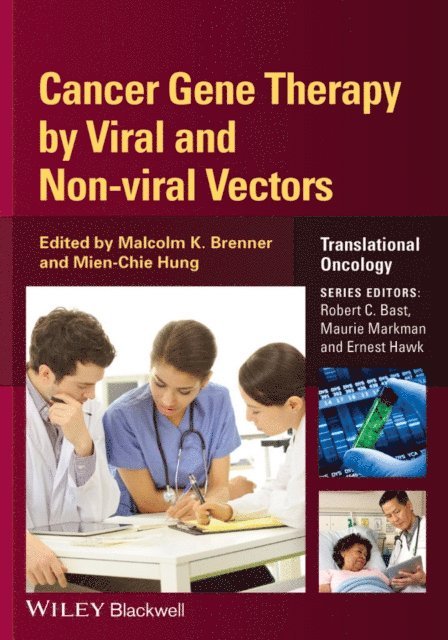
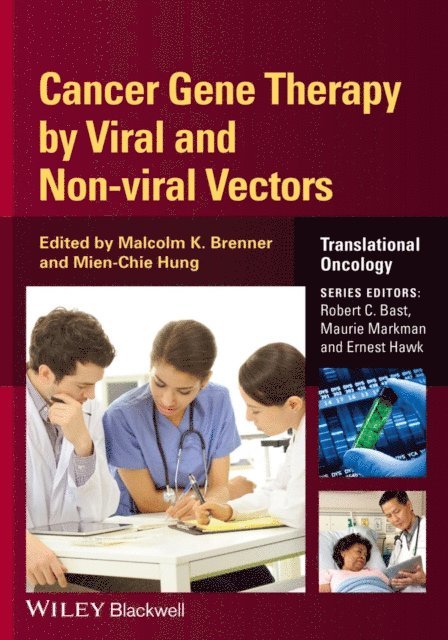
Provides expert, state-of-the-art insight into the current progress of viral and non-viral gene therapy Translational medicine has opened the gateway to the era of personalized or precision medicine. No longer a one-size-fits-all approach, the treatment of cancer is now based on an understanding of underlying biologic mechanisms and is increasingly being tailored to the molecular specificity of a tumor. This book provides a comprehensive overview of the pertinent molecular discoveries in the cancer field and explains how these are being used for gene-based cancer therapies. Designed as a volume in the Translational Oncology book series, Cancer Gene Therapy by Viral and Non-viral Vectors deals with the practice of gene-therapy, with reference to vectors for gene expression and gene transfer, as well as viral therapy. It covers the history and current and future applications of gene transfer in cancer, and provides expert insight on the progress of viral and non-viral gene therapy with regard to delivery system, vector design, potential therapeutic genes, and principles and regulations for cancer gene therapy. Presented in three parts, Cancer Gene Therapy by Viral and Non-viral Vectors covers: Delivery Systems • Translational Cancer Research: Gene Therapy by Viral and Non-viral Vectors • Retroviruses for Cancer Therapy • DNA Plasmids for Non-viral Gene Therapy of Cancer • Cancer Therapy with RNAi delivered by Non-viral Membrane/Core Nanoparticles Targeted Expression • Cancer Gene Therapy by Tissue-specific and Cancer-targeting Promptors • MicroRNAs as Drugs and Drug Targets in Cancer
Principles of Clinical Trials in Gene Therapy • Regulatory issues for Manufacturers of Viral Vectors and Vector-transduced Cells for Phase I/II Trials • US Regulations Governing Clinical Trials in Gene Therapy • Remaining Obstacles to the Success of Cancer Gene Therapy
Focusing on speeding the process in clinical cancer care by bringing therapies as quickly as possible from bench to bedside, Cancer Gene Therapy by Viral and Non-viral Vectors is an absolutely vital book for physicians, clinicians, researchers, and students involved in this area of medicine.
3 719 kr
Läs direkt efter köp
Animal Cell Technology: from Biopharmaceuticals to Gene Therapy provides a comprehensive insight into biological and engineering concepts related to mammalian and insect cell technology, as well as an overview of the applications of animal cell technology. Part 1 of the book covers the Fundamentals upon which this technology is based and covers the science underpinning the technology. Part 2 covers the Applications from the production of therapeutic proteins to gene therapy. The authors of the chapters are internationally-recognized in the field of animal cell culture research and have extensive experience in the areas covered in their respective chapters.
3 745 kr
Läs direkt efter köp
Animal Cell Technology: from Biopharmaceuticals to Gene Therapy provides a comprehensive insight into biological and engineering concepts related to mammalian and insect cell technology, as well as an overview of the applications of animal cell technology. Part 1 of the book covers the Fundamentals upon which this technology is based and covers the science underpinning the technology. Part 2 covers the Applications from the production of therapeutic proteins to gene therapy. The authors of the chapters are internationally-recognized in the field of animal cell culture research and have extensive experience in the areas covered in their respective chapters.
4 449 kr
Läs direkt efter köp
886 kr
Läs direkt efter köp