2 829 kr
Skickas inom 11-20 vardagar
2 829 kr
Skickas inom 11-20 vardagar
3 504 kr
Läs direkt efter köp
2 566 kr
Skickas inom 11-20 vardagar
3 109 kr
Läs direkt efter köp
1 871 kr
Skickas inom 11-20 vardagar
2 233 kr
Läs direkt efter köp
2 209 kr
Skickas inom 10-15 vardagar
1 884 kr
Skickas inom 10-15 vardagar
1 884 kr
Skickas inom 10-15 vardagar
1 052 kr
Läs direkt efter köp
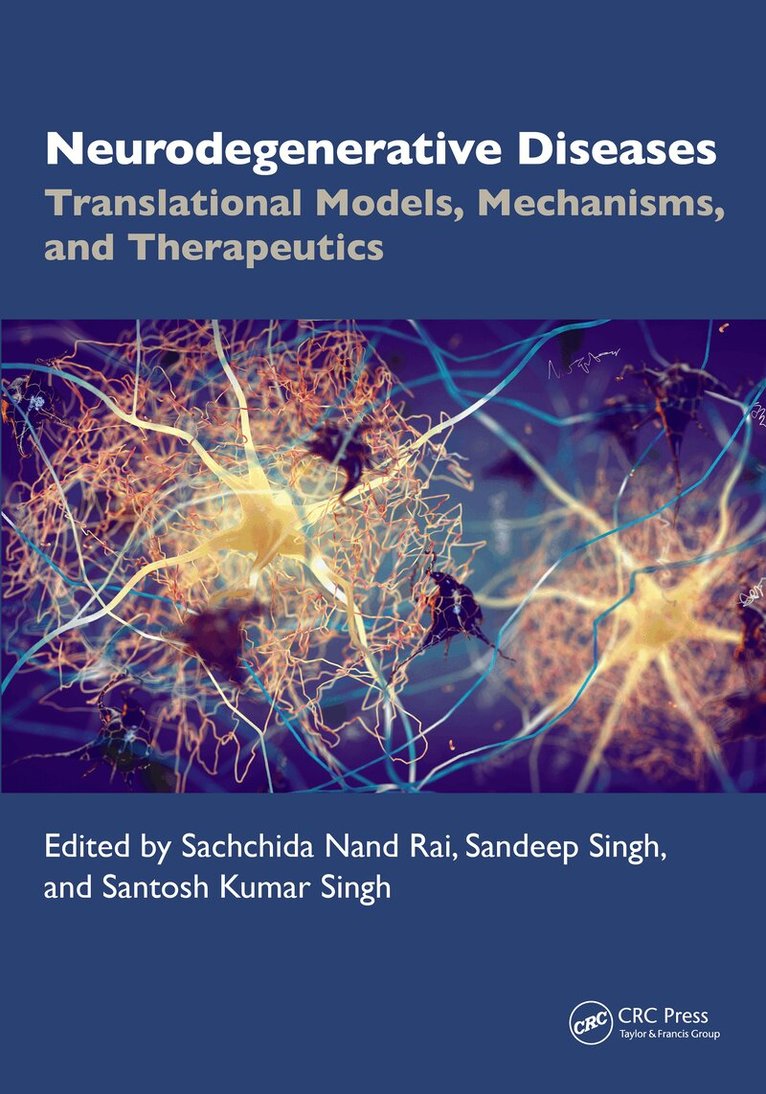
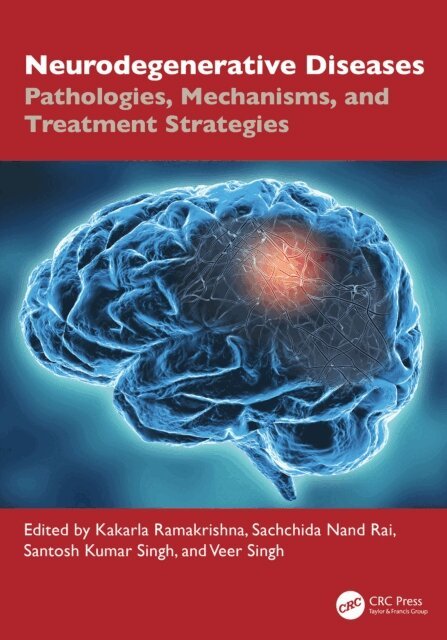
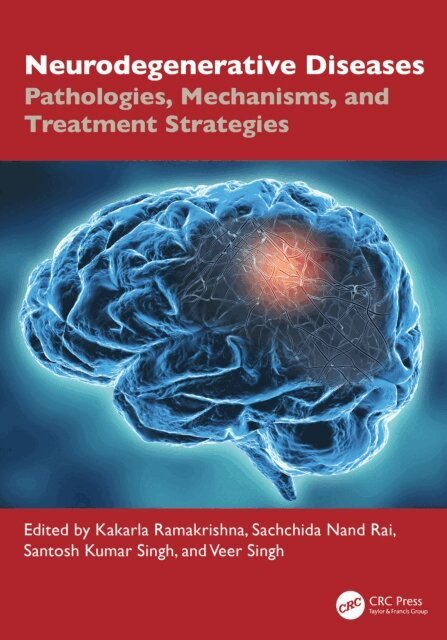
This reference book provides a comprehensive overview of models and therapeutic approaches against neurodegenerative diseases, including Parkinson’s disease, Alzheimer’s disease, Huntington’s disease, and amyotrophic lateral sclerosis. It explores models based on the chemical, induced, cellular, genetic, transgenic, and 3D organoid approaches in neurodegenerative diseases. The book also reviews advantages and limitations of these models in designing the treatment strategies. Additionally, the book covers the emerging field of bioinformatics and its application in modeling various neurodegenerative diseases. Towards the end, the book highlights the role of holistic management, precision medicine, OMICS, and gene therapy against neurodegenerative disorders. It examines the implications and significance of stem cells therapy in translational models of neurodegenerative diseases. This book is an invaluable resource for researchers, neuroscientists, and neurosurgeons for getting in-depth information on the neurodegenerative models and therapeutic approaches.
Key Features:
Provides a comprehensive overview of neurodegenerative diseases and their models Examines the limitations associated with modeling neurodegenerative diseases Presents novel treatment strategies for Alzheimer''s disease using cellular models Reviews importance of 3D organoid models for therapeutic approaches in Parkinson''s disease Covers modeling techniques in understanding prion diseases Explores the role of genetic models in understanding Huntington''s disease1 030 kr
Läs direkt efter köp
This reference book provides a comprehensive overview of models and therapeutic approaches against neurodegenerative diseases, including Parkinson’s disease, Alzheimer’s disease, Huntington’s disease, and amyotrophic lateral sclerosis. It explores models based on the chemical, induced, cellular, genetic, transgenic, and 3D organoid approaches in neurodegenerative diseases. The book also reviews advantages and limitations of these models in designing the treatment strategies. Additionally, the book covers the emerging field of bioinformatics and its application in modeling various neurodegenerative diseases. Towards the end, the book highlights the role of holistic management, precision medicine, OMICS, and gene therapy against neurodegenerative disorders. It examines the implications and significance of stem cells therapy in translational models of neurodegenerative diseases. This book is an invaluable resource for researchers, neuroscientists, and neurosurgeons for getting in-depth information on the neurodegenerative models and therapeutic approaches.
Key Features:
Provides a comprehensive overview of neurodegenerative diseases and their models Examines the limitations associated with modeling neurodegenerative diseases Presents novel treatment strategies for Alzheimer''s disease using cellular models Reviews importance of 3D organoid models for therapeutic approaches in Parkinson''s disease Covers modeling techniques in understanding prion diseases Explores the role of genetic models in understanding Huntington''s disease1 052 kr
Läs direkt efter köp
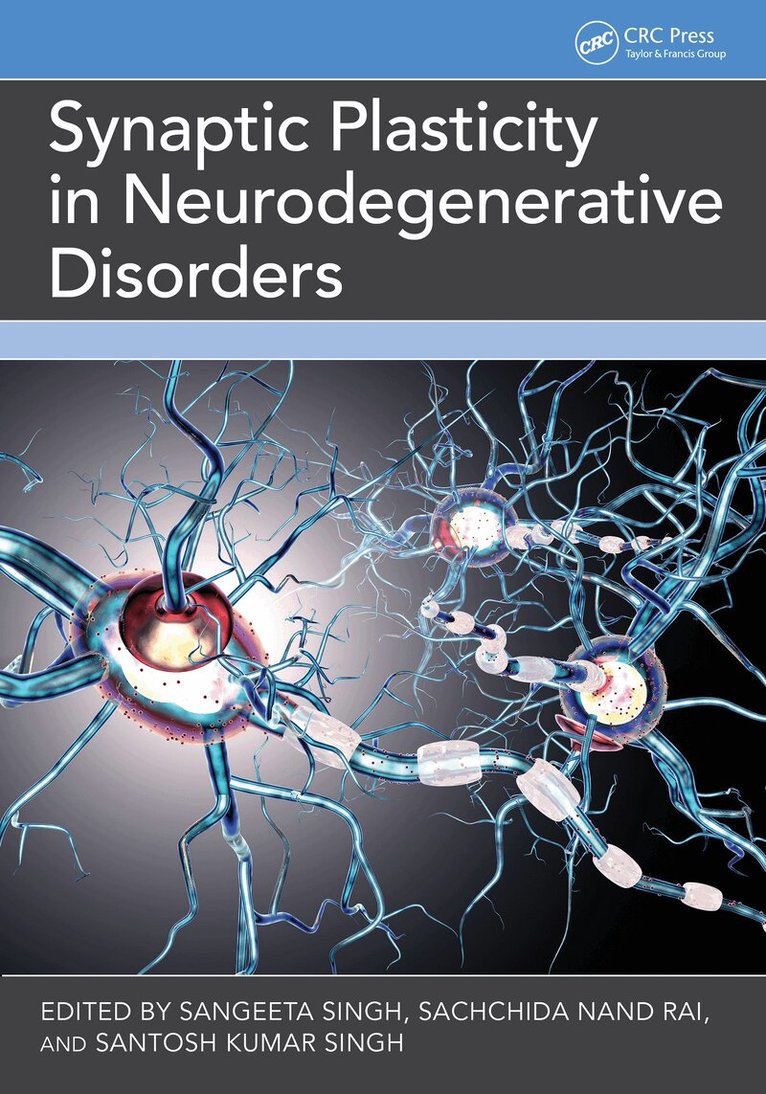
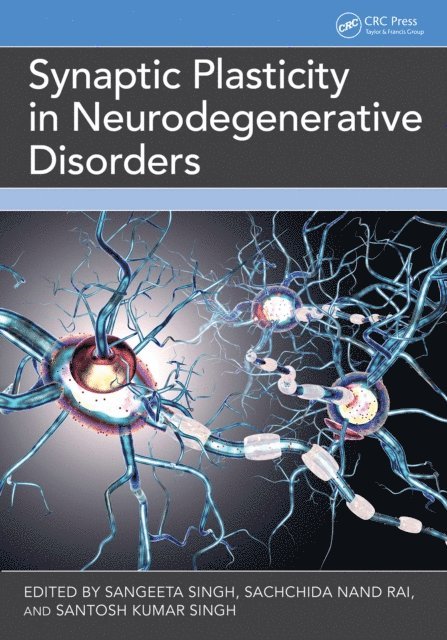
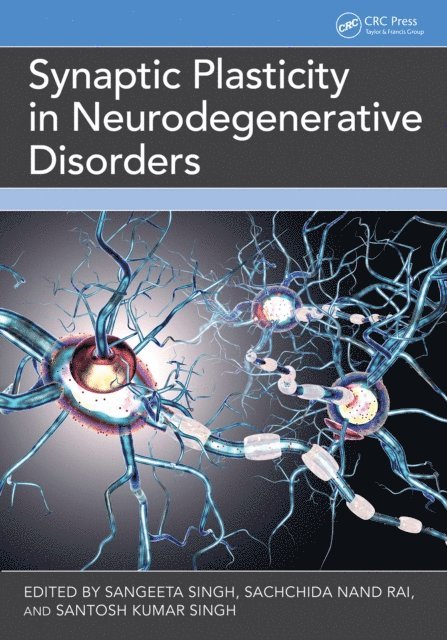
This book explores the pivotal role of synaptic plasticity in the pathogenesis, progression, and potential treatment of neurodegenerative disorders. The initial chapter provides an in-depth understanding of the complexity and impact of neurodegenerative conditions. It discusses the association of mitochondrial dysfunction, epigenetic influences, and neuroinflammation with synaptic plasticity in neurodegenerative diseases. The following chapters review the dynamic changes that occur at the cellular and synaptic levels in Parkinson''s disease, Alzheimer''s disease, and Huntington''s disease, paving the way for innovative therapeutic strategies. Furthermore, the book presents various computational tools and methodologies essential for enhancing our understanding of synaptic plasticity. It examines the transformative role of artificial intelligence tools in addressing synaptic impairment across various neurodegenerative diseases.
Discusses the role of synaptic plasticity in neurodegenerative diseases, shedding light on how dynamic changes occur at the cellular and synaptic levels Explores the transformative role of artificial intelligence tools in addressing synaptic impairment across various neurodegenerative diseases Provides a comprehensive overview of neurodegenerative disorders, including pathogenesis, etiology, and treatment strategies Presents tools and techniques used to simulate the complex system biology of synaptic plasticity Examines the role of computational neuroscience in understanding and potentially treating conditions such as multiple sclerosis and amyotrophic lateral sclerosisToward the end, the book explores the role of synaptic impairment and computational neuroscience in understanding and potentially treating conditions such as multiple sclerosis and amyotrophic lateral sclerosis. With its multifaceted approach, this book serves as a useful resource for researchers, clinicians, and students in the fields of neuroscience, computational biology, and neurology.
1 052 kr
Läs direkt efter köp
This book explores the pivotal role of synaptic plasticity in the pathogenesis, progression, and potential treatment of neurodegenerative disorders. The initial chapter provides an in-depth understanding of the complexity and impact of neurodegenerative conditions. It discusses the association of mitochondrial dysfunction, epigenetic influences, and neuroinflammation with synaptic plasticity in neurodegenerative diseases. The following chapters review the dynamic changes that occur at the cellular and synaptic levels in Parkinson''s disease, Alzheimer''s disease, and Huntington''s disease, paving the way for innovative therapeutic strategies. Furthermore, the book presents various computational tools and methodologies essential for enhancing our understanding of synaptic plasticity. It examines the transformative role of artificial intelligence tools in addressing synaptic impairment across various neurodegenerative diseases.
Discusses the role of synaptic plasticity in neurodegenerative diseases, shedding light on how dynamic changes occur at the cellular and synaptic levels Explores the transformative role of artificial intelligence tools in addressing synaptic impairment across various neurodegenerative diseases Provides a comprehensive overview of neurodegenerative disorders, including pathogenesis, etiology, and treatment strategies Presents tools and techniques used to simulate the complex system biology of synaptic plasticity Examines the role of computational neuroscience in understanding and potentially treating conditions such as multiple sclerosis and amyotrophic lateral sclerosisToward the end, the book explores the role of synaptic impairment and computational neuroscience in understanding and potentially treating conditions such as multiple sclerosis and amyotrophic lateral sclerosis. With its multifaceted approach, this book serves as a useful resource for researchers, clinicians, and students in the fields of neuroscience, computational biology, and neurology.
2 140 kr
Läs direkt efter köp
2 094 kr
Läs direkt efter köp
1 749 kr
Kommande
1 957 kr
Skickas inom 10-15 vardagar
2 619 kr
Läs direkt efter köp
1 957 kr
Skickas inom 10-15 vardagar
838 kr
Skickas inom 7-10 vardagar
838 kr
Skickas inom 7-10 vardagar
856 kr
Skickas inom 7-10 vardagar
850 kr
Skickas inom 7-10 vardagar
838 kr
Skickas inom 7-10 vardagar
2 014 kr
Skickas inom 7-10 vardagar
2 677 kr
Läs direkt efter köp
3 650 kr
Skickas inom 7-10 vardagar
138 kr
Skickas inom 7-10 vardagar
138 kr
Skickas inom 7-10 vardagar
147 kr
Skickas inom 7-10 vardagar