227 kr
Skickas inom 3-6 vardagar
227 kr
Skickas inom 3-6 vardagar
137 kr
Skickas
307 kr
Skickas inom 11-20 vardagar
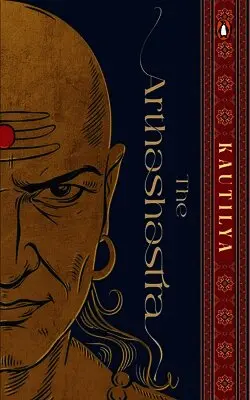
The Arthashastra is an extraordinarily detailed manual on statecraft, governance, and the art of living, written by one of classical India’s greatest thinkers, Kautilya—also known as Chanakya or Vishnugupta. Composed no later than around 150 CE (though its precise date remains debated), the Arthashastra stands as the most comprehensive treatise on statecraft from the ancient world.
Tradition holds that Kautilya was either a Brahmin from Kerala or from northern India. What is certain is his pivotal role in history: he was the strategist who overthrew the Nanda dynasty and installed Chandragupta Maurya as king of Magadha. A master of political strategy and deeply learned in the Vedas, Kautilya’s brilliance is fully reflected in this monumental work.
The Arthashastra consists of fifteen books, covering a vast range of subjects including kingship, law, administration, foreign policy, espionage, economic management, and secret and occult practices. Written primarily in prose, the text also incorporates 380 shlokas (verses).
Artha, meaning wealth, is one of the four supreme aims of life in Hindu tradition, but in the Arthashastra it carries a broader significance. Kautilya argues that the state has a central responsibility in safeguarding the material well-being of both the nation and its people. As a result, large sections of the text focus on economics, public finance, and resource management. When addressing politics, the Arthashastra presents a wide-ranging vision of governance, encompassing the maintenance of law and order and the creation of an efficient administrative system.
Both a political manual and a philosophical work, the Arthashastra remains a foundational text for understanding ancient Indian thought on power, economics, and government.

78 kr
Skickas
197 kr
Skickas
212 kr
Skickas
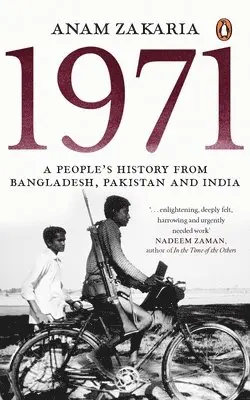
The year 1971 exists everywhere in Bangladesh-on its roads, in sculptures, in its museums and oral history projects, in its curriculum, in people's homes and their stories, and in political discourse. It marks the birth of the nation, its liberation. More than 1000 miles away, in Pakistan too, 1971 marks a watershed moment, its memories sitting uncomfortably in public imagination. It is remembered as the 'Fall of Dacca', the dismemberment of Pakistan or the third Indo-Pak war. In India, 1971 represents something else-the story of humanitarian intervention, of triumph and valour that paved the way for India's rise as a military power, the beginning of its journey to becoming a regional superpower. Navigating the widely varied terrain that is 1971 across Pakistan, Bangladesh and India, Anam Zakaria sifts through three distinct state narratives, and studies the institutionalization of the memory of the year and its events. Through a personal journey, she juxtaposes state narratives with people's history on the ground, bringing forth the nuanced experiences of those who lived through the war. Using intergenerational interviews, textbook analyses, visits to schools and travels to museums and sites commemorating 1971, Zakaria explores the ways in which the year is remembered and forgotten across countries, generations and communities.
293 kr
Skickas
333 kr
Skickas
201 kr
Tillfälligt slut
Penguin Random House India
619 kr
Kommande
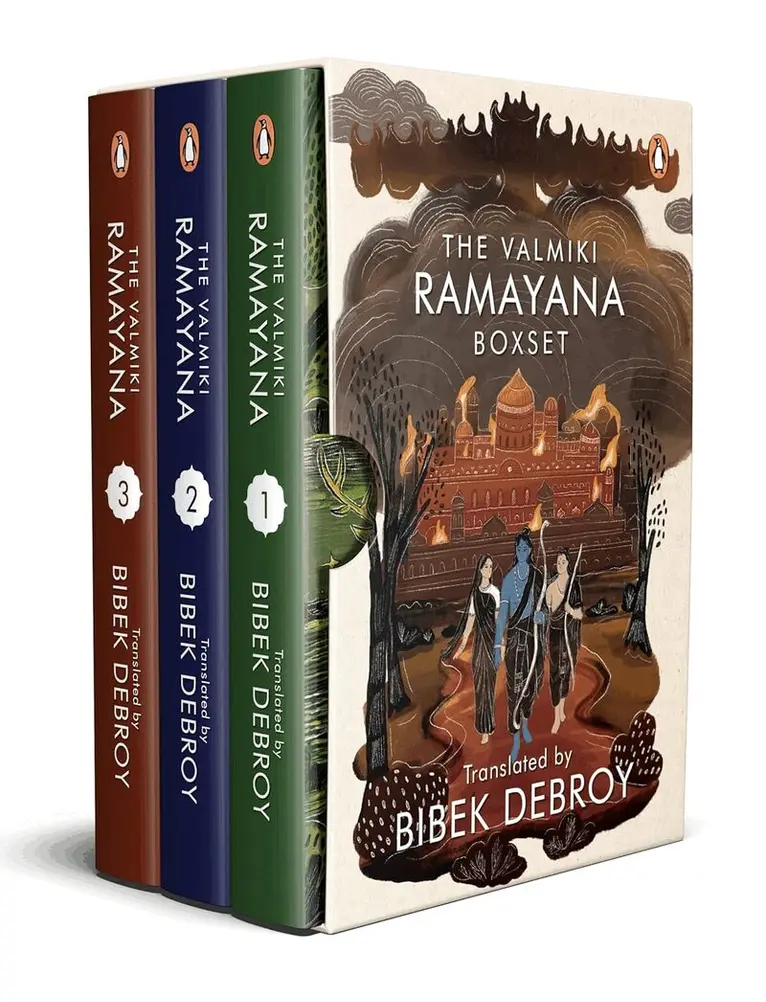
The Valmiki Ramayana remains a living force in the cultural and spiritual life of India. This timeless epic recounts the legend of the noble prince Rama and his battle to vanquish the demon king Ravana.
Even before his coronation as king of Ayodhya, Rama is exiled to the Dandaka forests, accompanied by his devoted wife Sita and loyal brother Lakshmana. Deep in the jungle, Sita is abducted by Ravana and taken to his island kingdom of Lanka, setting in motion a dramatic chain of events that culminates in an epic war between good and evil.
Filled with adventure, valor, and emotion, the Ramayana is not just a tale of heroism but also a deeply human story of love, loss, and the eternal conflict between duty and desire.
In this premium collector’s edition, Bibek Debroy’s masterful translation brings this ancient epic vividly to life—making it both accessible and resonant for today’s readers.
380 kr
Skickas
203 kr
Skickas
196 kr
Skickas
308 kr
Skickas
308 kr
Skickas
206 kr
Skickas inom 11-20 vardagar
463 kr
Skickas
206 kr
Skickas inom 11-20 vardagar
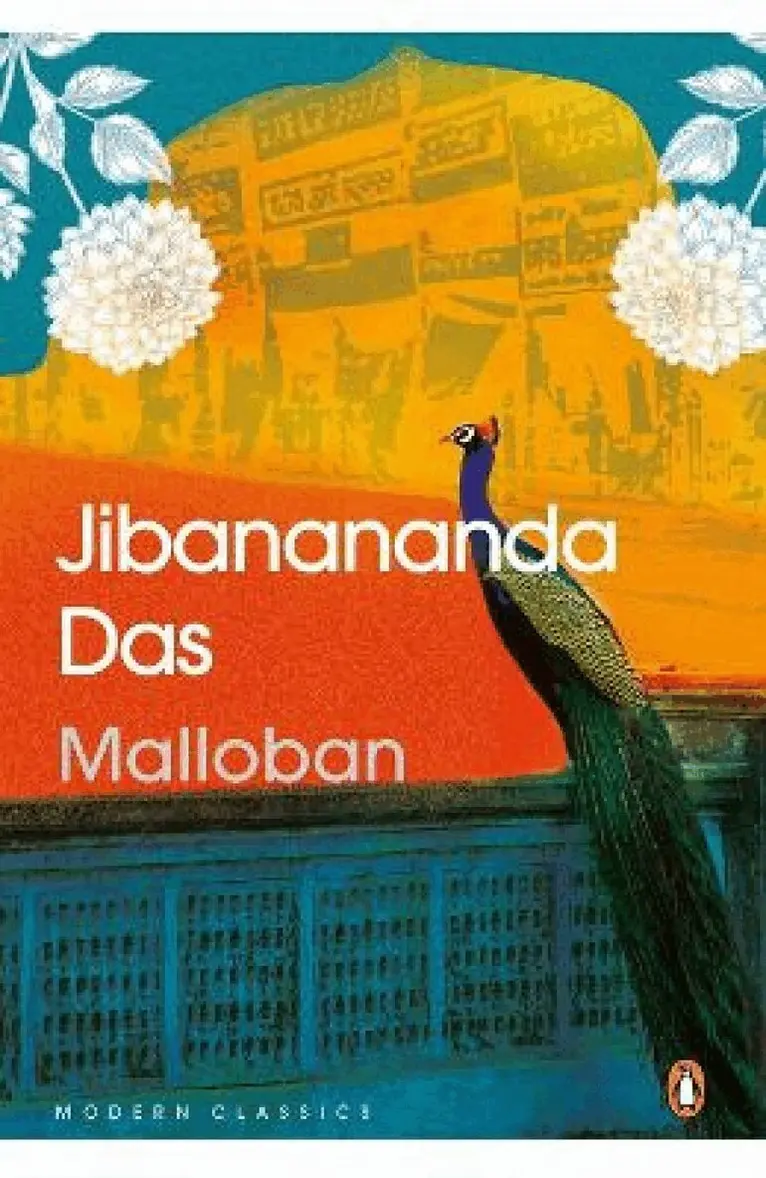
Malloban is set in North Calcutta in the winter of 1929. The eponymous protagonist, a lower-middle-class office worker, lives in College Street-a locality known for its bookstores, publishing houses, and universities-with his wife Utpala and their daughter Monu. The novel unfolds through a series of everyday scenes of dysfunction and discontent: bickering about bathrooms and budgeting, family trips to the zoo and the movies, a visit from Utpala's brother's family which displaces Malloban to a boarding house, and the appearance of a frequent late-night visitor to Utpala's upstairs bedroom. Meanwhile, the daughter Monu bears the brunt of her parents' "unlove."Arguably the most beloved poet in modern Bangla after Tagore, Jibanananda wrote a significant number of novels and short stories discovered and published after his death. Malloban is his most popular novel.
180 kr
Skickas
232 kr
Skickas inom 3-6 vardagar
423 kr
Skickas
280 kr
Skickas
236 kr
Skickas inom 11-20 vardagar
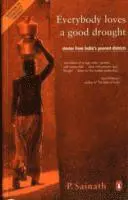
Acclaimed across the world, prescribed in over 100 universities and colleges, and included in part in The Century's Greatest Reportage (Ordfront, 2000), alongside the works of Gabriel Garcia Marquez, Studs Terkel and John Reed, Everybody Loves a Good Drought is the established classic on rural poverty in India. Twenty years after publication, it remains unsurpassed in the scope and depth of reportage, providing an intimate view of the daily struggles of the poor and the efforts, often ludicrous, made to uplift them.
An illuminating introduction accompanying this twentieth-anniversary edition reveals, alarmingly, how a large section of India continues to suffer in the name of development so that a small percentage may prosper. Besides exposing chronic misgovernance, it is also a devastating comment on the media's failure to speak for the voiceless.
2 145 kr
Skickas inom 10-15 vardagar
This title was first published in 1979. This important book is the product of a remarkable experience. A sociologist domiciled in Hungary, the author has intermittently taught and studied in France, Britain and the United States. Few social scientists of the post-Second World War generation have had this range of experience. And, as we know from the history of theoretical physics, psychoanalysis, economic and other fields, Hungary is the incubator of great talents.
A Society in the Making can be read on three levels: as a study of Hungarian social structure, as a case-study in comparative social policy, or as a contribution to the theory of social policy.
As a study of Hungary, the author's book is one of the small but growing number of analyses of Eastern Europe and the Soviet Union which avoid denunciamentos and apologetics. It is a sympathetically critical account (as she says 'In social science, there is no neutral act') from which much can be learned.
226 kr
Skickas inom 3-6 vardagar
157 kr
Skickas inom 11-20 vardagar
294 kr
Skickas inom 11-20 vardagar
300 kr
Kommande
402 kr
Skickas inom 11-20 vardagar
190 kr
Skickas inom 11-20 vardagar