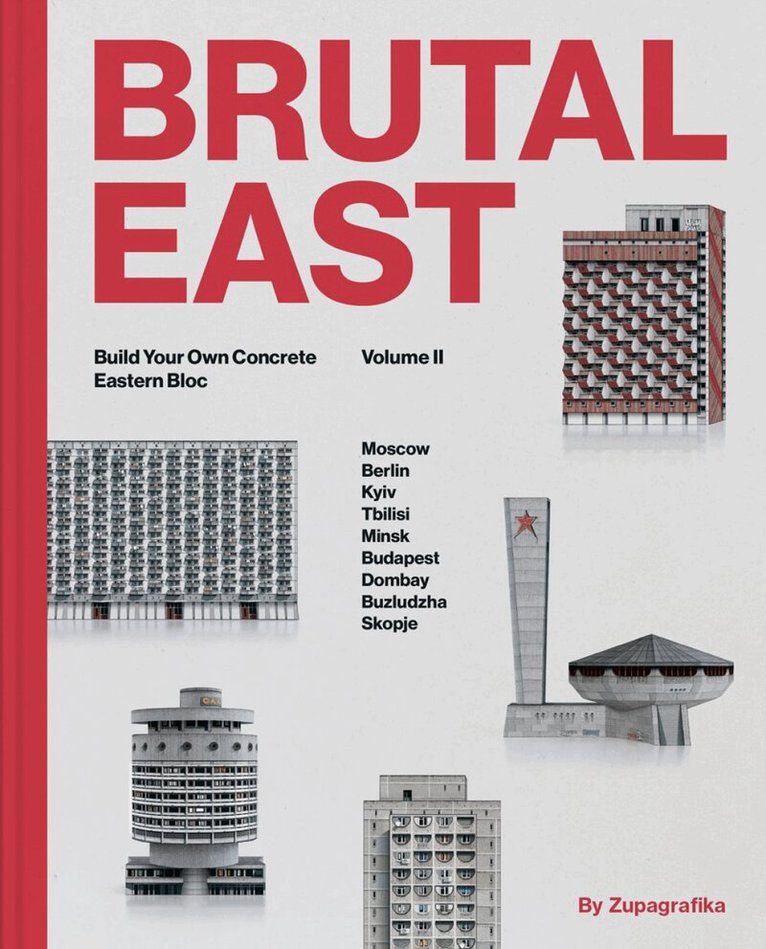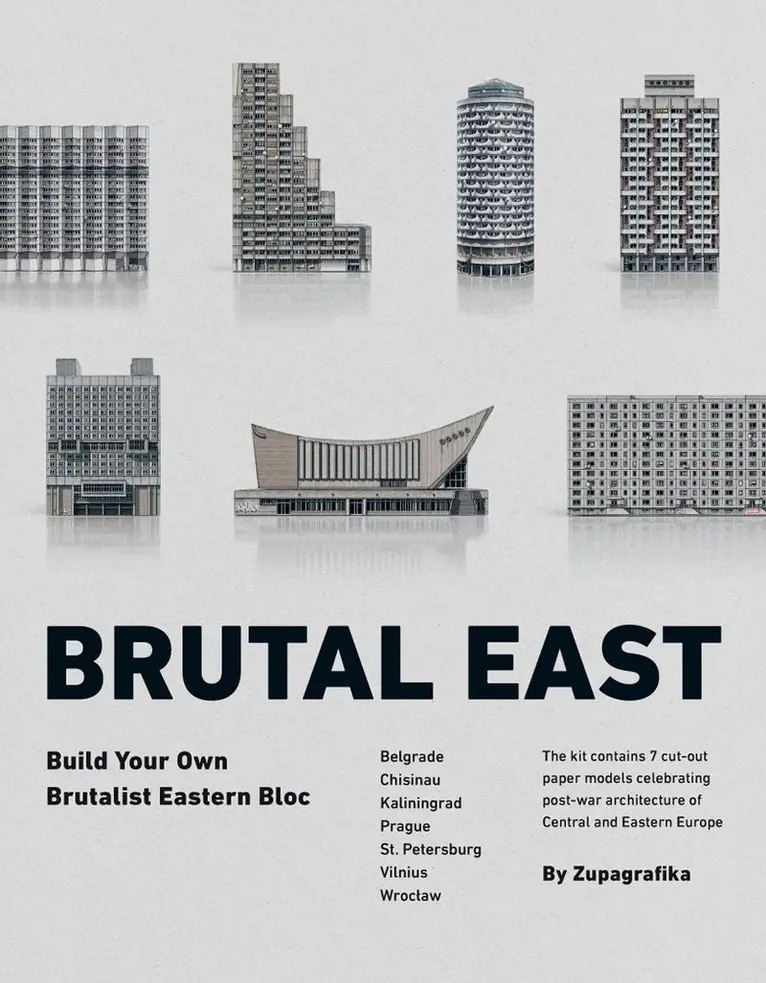
Brutal East playfully explores and reconstructs some of the most controversial Brutalist edifices built behind the Iron Curtain between 1960 and the1980s. Includes information on the building and easy-to-follow instructions.
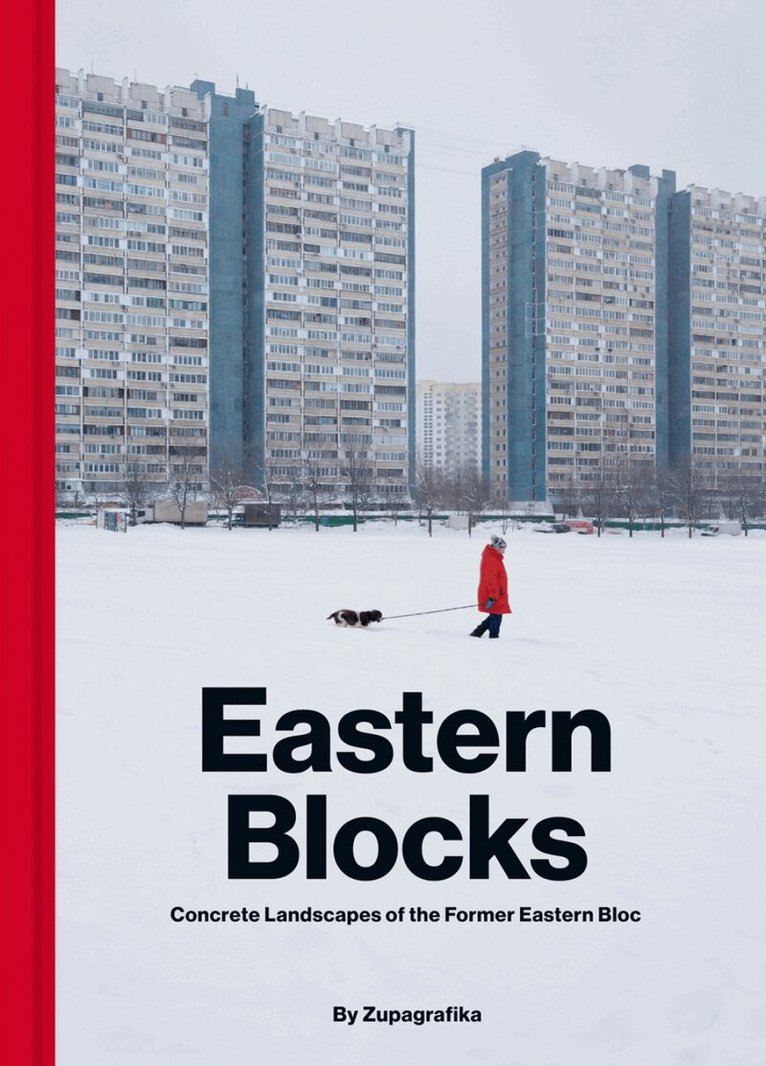
Eastern Blocks is a photographic journey through the concrete peripheries of the former Eastern Bloc, inviting readers to explore the districts that became a playground for mass housing development after WW2, including objects such as soviet 'flying saucers', houses 'on chicken legs' or hammer-shaped tower blocks. The book contains over 100 photographs showcasing modernist and brutalist architecture scattered around the cities of Moscow, Berlin, Warsaw, Budapest, Kyiv and Saint Petersburg. Divided into 6 chapters, the book includes informative texts on the featured cities and constructions.Eastern Blocks by Zupagrafika is a photographic journey through the suburbs of the former Eastern Bloc featuring over 100 photographs showcasing modernist and brutalist architecture scattered around the cities of Moscow, Berlin, Warsaw, Budapest, Kyiv and Saint Petersburg. Divided into 6 chapters, the book also includes maps and informative texts on the featured cities and constructions.
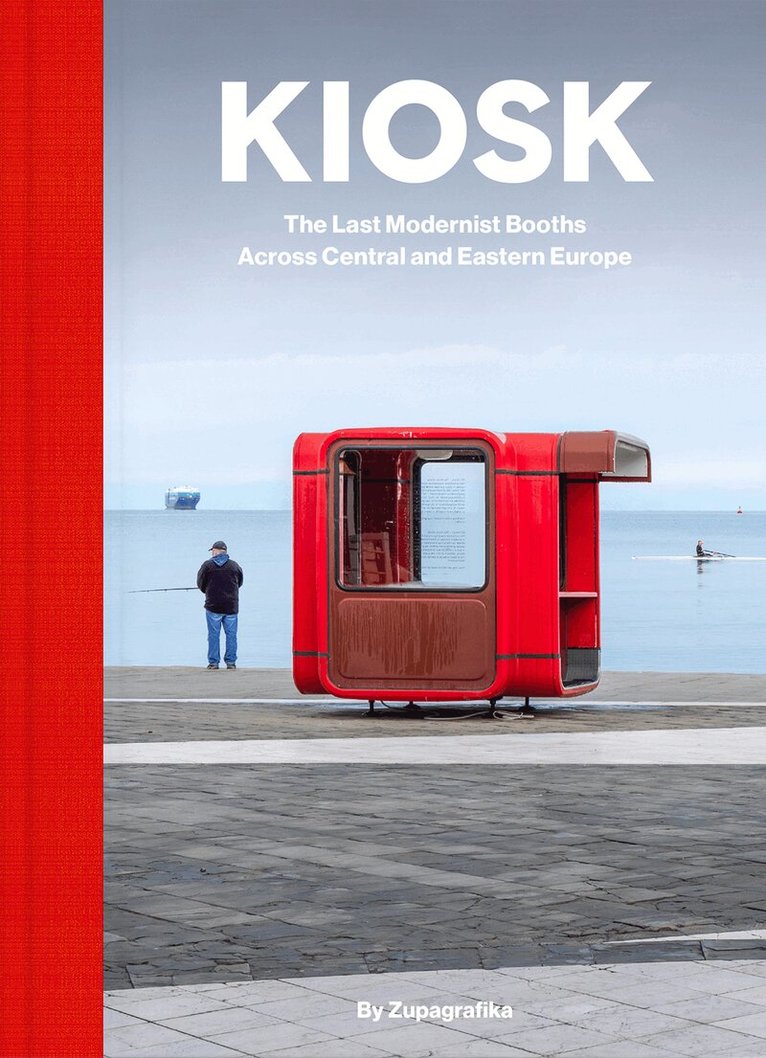
Mass-produced from the 1970s to the 1990s, modular kiosks like the seminal K67, designed by the Slovenian architect Sasa J. Machtig, and similar systems, including the Polish Kami, the Macedonian KC190, and the Soviet 'Batyskaf', could be found everywhere from bustling city squares to socialist-era housing estates throughout the former Eastern Bloc and ex-Yugoslavia countries. They served as hot dog and Polish zapiekanka joints, farm egg and rotisserie chicken vendors, funeral flower shops, newsstands, car park booths, currency exchange offices, and more. Containing over 150 captivating photographs featuring more than 100 kiosks from Ljubljana to Warsaw and from Belgrade to Berlin this book provides previously unseen documentation of the remaining modernist booths that witnessed the transformation of Central and Eastern Europe at the end of the 20th century. While some remain active or have undergone refurbishment, others have been abandoned or have slowly faded from the urban landscape. The photographs in this unique collection were taken over the last decade by Zupagrafika's founders, David Navarro and Martyna Sobecka. It is accompanied by an introduction offering invaluable insight into the history of these mobile structures.
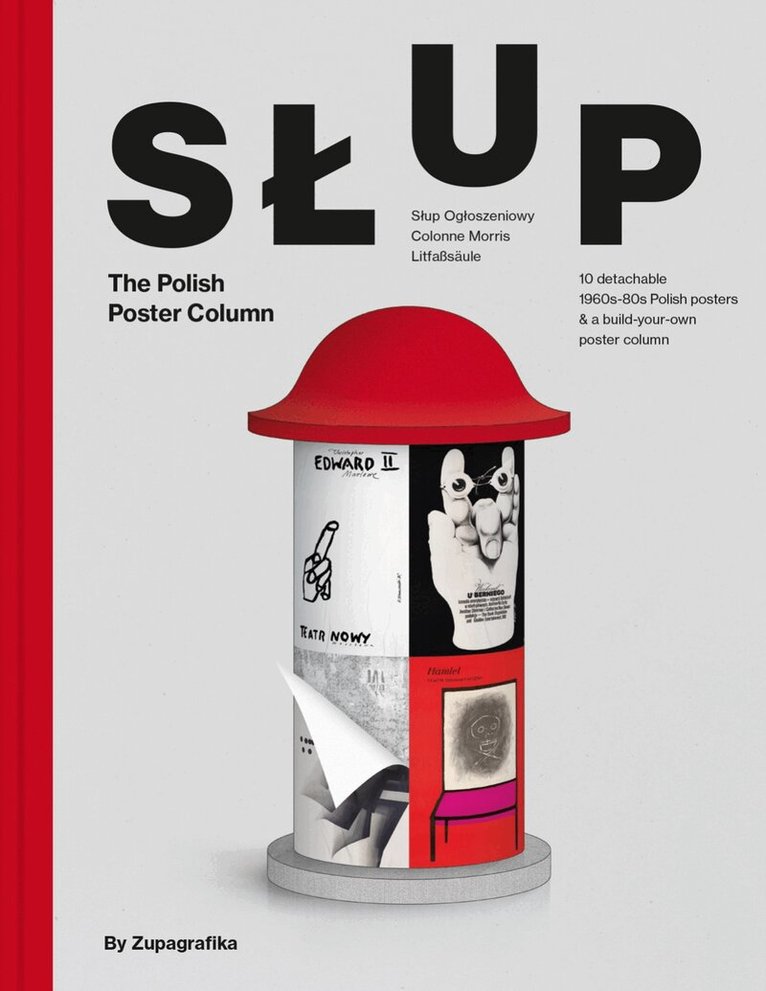
This period is known as the Polish School of Posters, through some of its iconic film and theatre affiches created between the 1950s and the late 1980s. These were displayed in the streets of the former Polish People's Republic using an outstanding piece of urban equipment: the poster column, which is still functional to this day. The book is divided into two parts: following the foreword by art historian Katarzyna Matul, the first part includes ten detachable posters by such legendary designers as Jan Lenica, Henryk Tomaszewski, Wojciech Fangor, Wiktor Gorka, Maria 'Mucha' Ihnatowicz, Witold Janowski, Jerzy Flisak and Jakub Erol. The second part allows readers to press out and build a mini Polish poster column - all you need is glue! Contains 10 detachable Polish posters that can be easily pulled out and framed (poster size: 24 x 34 cm); a press-out cardboard poster column + mini posters to paste onto the model column (height: 20cm)
This hardcover volume is the long-awaited follow-up to Zupagrafika's 2017 Brutal East and allows readers to learn about the brutalist and modernist architecture erected in the former Eastern Bloc and ex-Yugoslavia, and build some intriguing edifices. Brutal East II includes chapters with photographs and texts providing a valuable insight into the featured buildings and their history, as well as a foreword by Alexander Ostrogorsky. The book also contains nine pre-cut and pre-folded models to press out and assemble with easy-to-follow instructions.
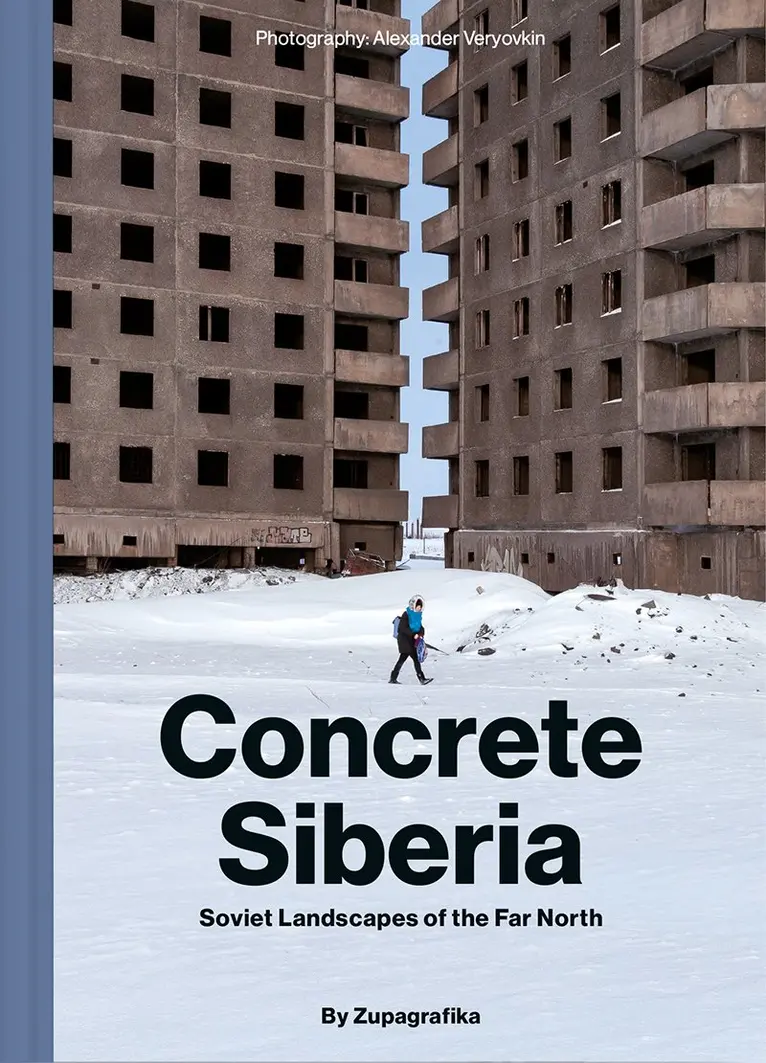
A photographic insight into the Soviet-era architecture of one of the most extreme, little-known and vast territories on earth.A photographic insight into the Soviet-era architecture of one of the most extreme, little-known and vast territories on Earth. From the Ural Mountains to the Arctic Circle, Concrete Siberia by Zupagrafika contains over 100 photographs exploring the post-war modernist districts of Siberia's urban centres and the quotidian lives of their inhabitants.
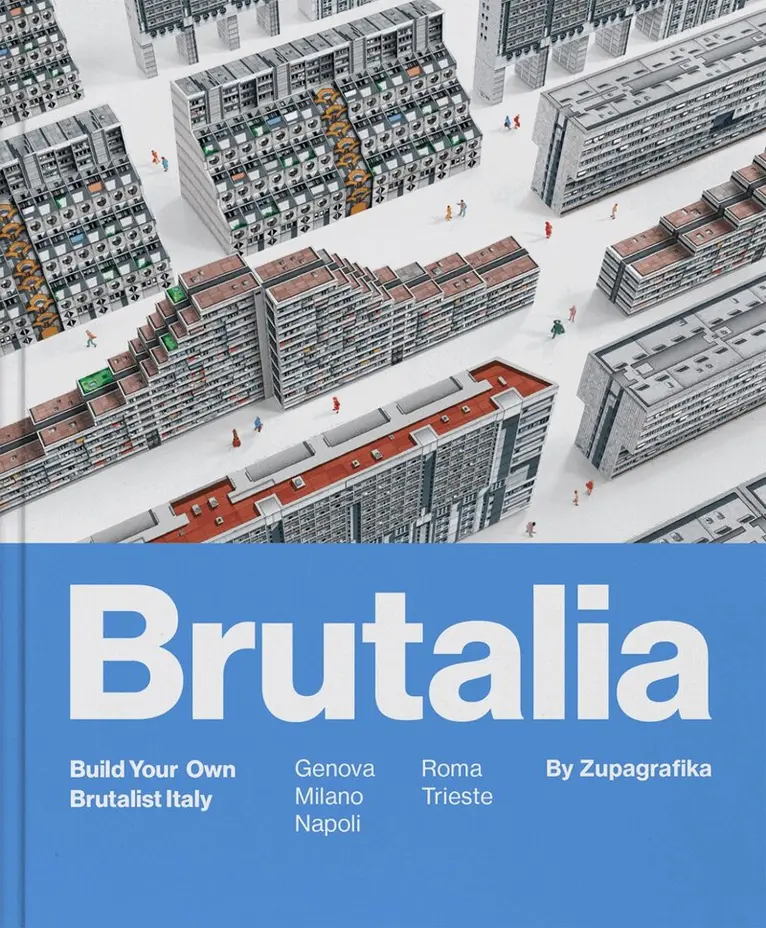
Breaking free from twenty years of fascist rule, Post-war Italy became fertile ground where brutalist architecture was able to flourish. Stark new concrete forms reshaped Italian urban landscapes with bold landmarks; from the iconic Torre Velasca in the centre of Milan to the controversial Vele di Scampia housing complex on the periphery of Naples. This playful and engaging book leads readers around the Italian brutalist architecture, informing curious explorers about its features, failures, and successes, with a special focus on the public housing estates, such as 'Lavatrici' in Genoa, 'Corviale' in Rome, 'Vele di Scampia' in Naples, and Rozzol Melara in Trieste. The first section of Brutalia includes photographs and detailed descriptions of featured buildings and their histories. The second section contains five pre-cut and pre-folded models to press out and assemble - all you need is glue. Featuring a foreword by Italian architect and writer Alessandro Benetti.
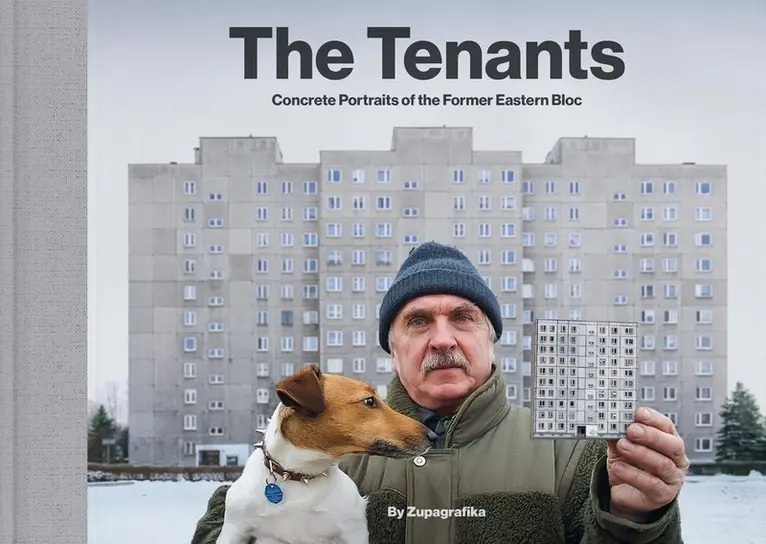
The Tenants by Zupagrafika is a unique photographic essay on mass housing estates erected in the former Eastern Bloc and the people who inhabit them. From Berlin to Norilsk, and all the way through Almaty to Tallinn, the album portrays the inhabitants of over 40 housing complexes in 37 different cities, holding paper models of their homes, while sharing the stories of the lives they lived in the prefab panel blocks.
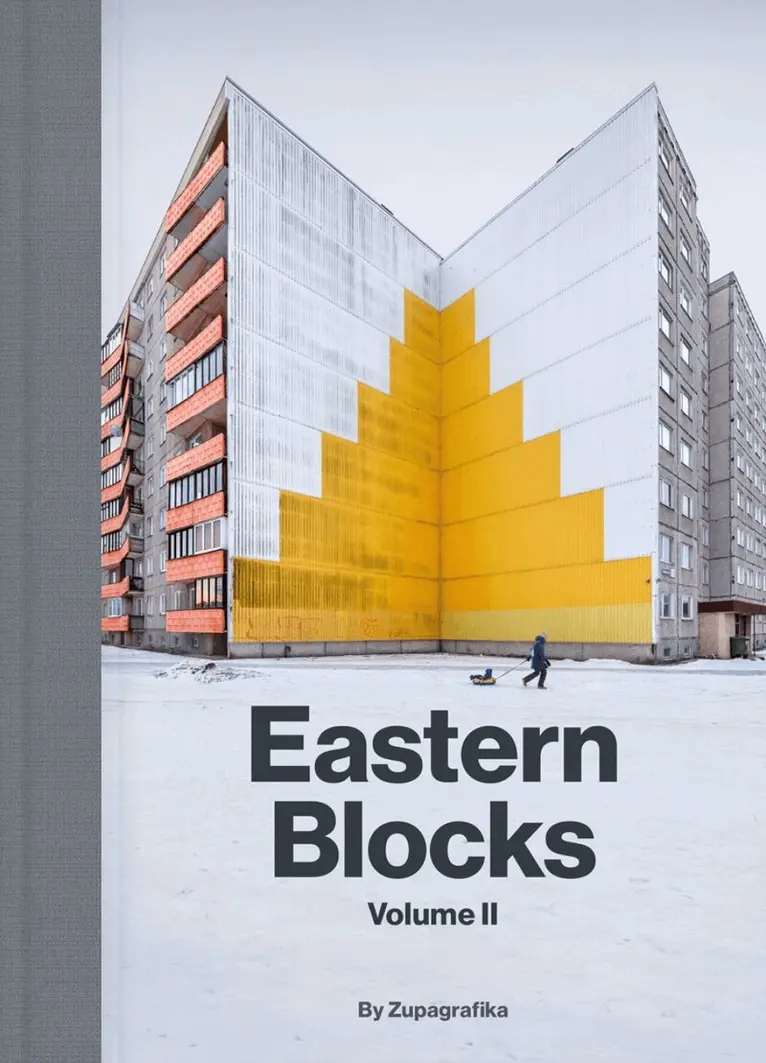
The second volume of Zupagrafika's widely acclaimed Eastern Blocks continues the photographic survey of concrete suburbs across the former Eastern Bloc. Stretching from Ukraine to Georgia and sweeping through the Baltic Sea to the Balkans, the book captures the socialist-era architecture that reshaped the urban landscapes of Central and Eastern Europe after World War II: from modernist grand designs and brutalist monoliths to the often-overlooked prefabricated panel housing estates and their distinctive typologies. Eastern Blocks II features over 200 photographs by Zupagrafika founders and a foreword by architectural historian Kateryna Malaia. Organised into 10 chapters, each focusing on a city - Chisinau, Kaliningrad, Lviv, Minsk, Prague, Riga, Sofia, Tallinn, Tbilisi and Vilnius - the book offers valuable insights into post-war modernist architecture in each region.
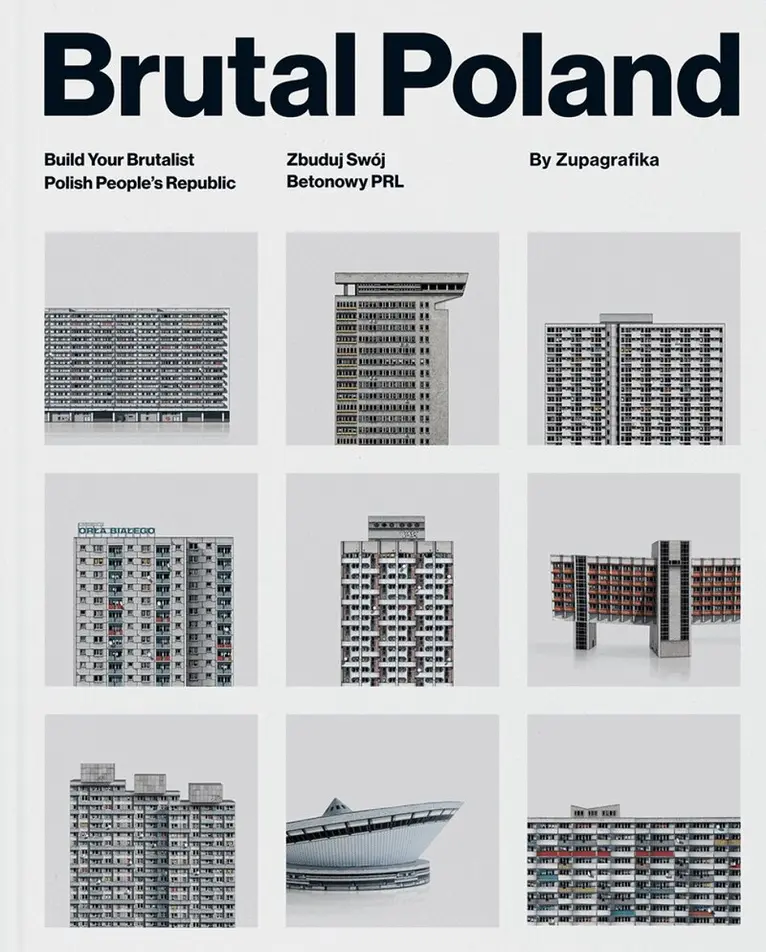
Explore the modernist and brutalist architecture erected in the Polish People s Republic and build some of its most striking edifices, from the massive housing estates of Warsaw to the brutal Hotel Forum in Krakow. Explore and build some of the most striking brutalist edifices erected in the former Polish People's Republic. Brutal Poland by Zupagrafika includes 9 press-out models to assemble and chapters with photographs and texts providing a valuable insight into the featured buildings and their history.
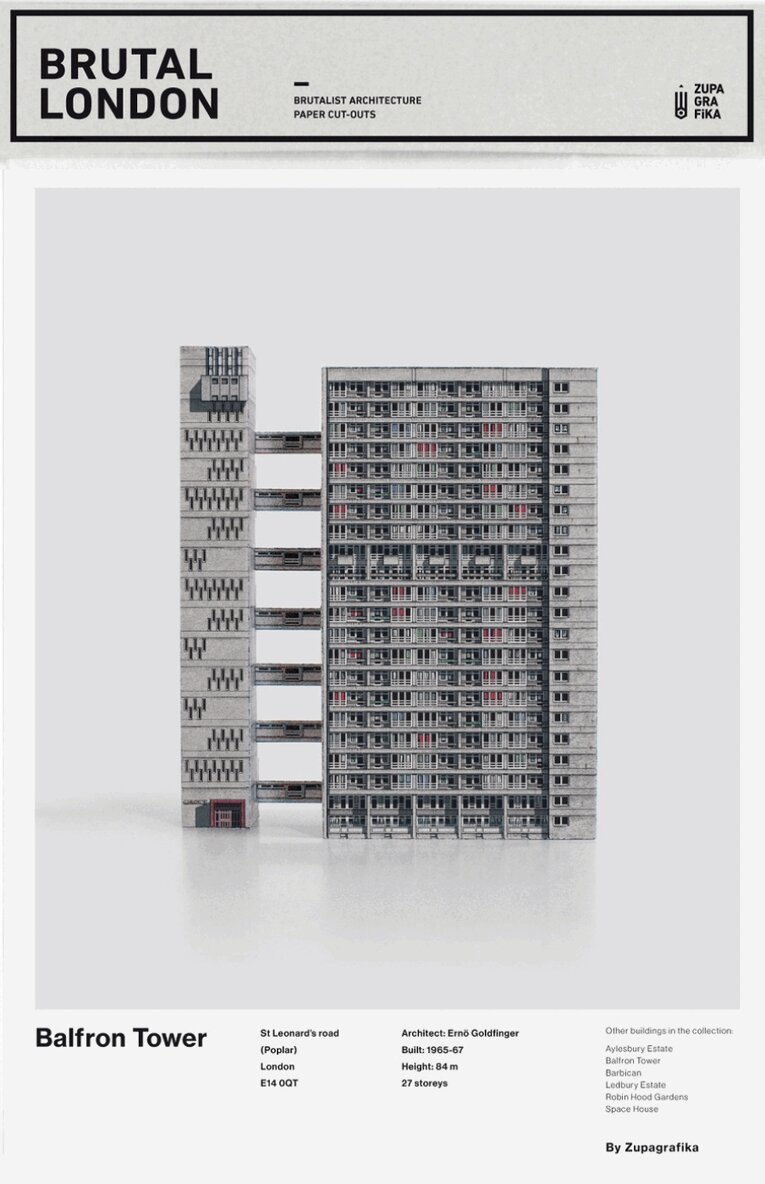
Illustrated paper cut-out model of the iconic Brutalist tower block by Erno Goldfinger. Includes information about the architect, the year of construction of the building and its location.The Brutal London series by Zupagrafika is a series of paper cut-out models that reconstructs some of the most controversial buildings erected in London in the 1960s and 1970s. Now everyone can build their own version of the Balfron Tower by Erno Goldfinger. Each kit includes a short informative text on the architect, the year of construction and the location of the building.
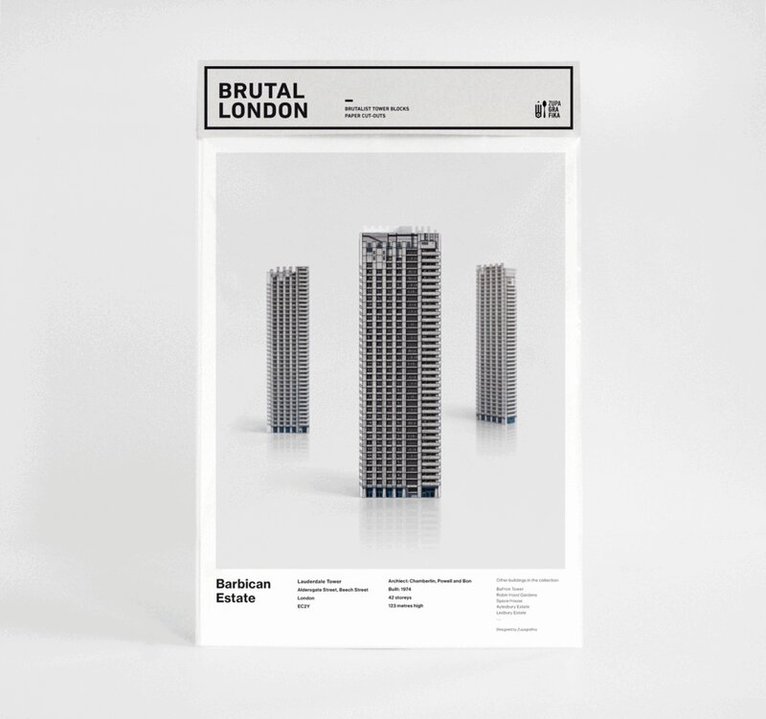
Illustrated paper cut-out model of one the iconic buildings of the Barbican Estate, by Chamberlin, Powell and Bon. Includes information about the architect, the year of construction of the building and its location.
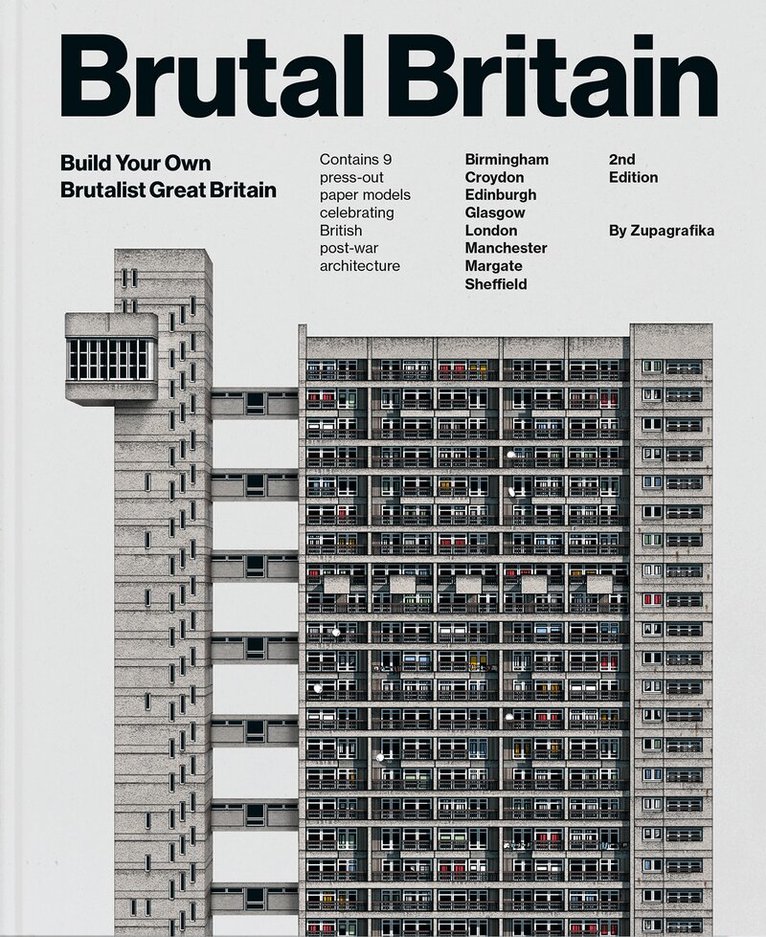
BRUTAL BRITAIN celebrates brutalist architecture on the British Isles, inviting readers to explore the past and rebuild some of its most intriguing post-war edifices. With a foreword by architectural historian Barnabas Calder, the book includes full-page colour illustrations and informative texts on each building, along with 9 press-out high-detail paper models. All die-cut and pre-folded with simple assembly instructions. This hardcover volume is the second edition of Brutal Britain, complete with a new chapter and a paper model of Trellick Tower.
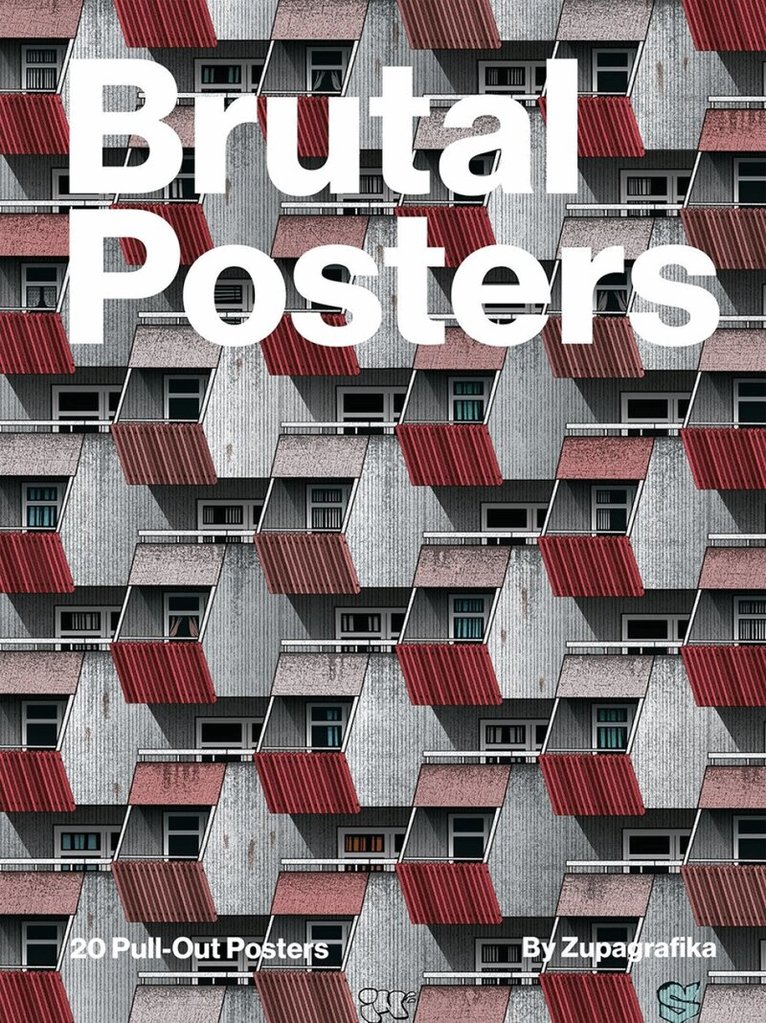
This large-format book brings together a striking collection of illustrated pull-out posters by Zupagrafika celebrating the 'antiheroes' of postwar modernist architecture across the former Eastern Bloc and ex-Yugoslavia - from neglected brutalist hotels and robot-shaped government buildings to monolithic concrete tower blocks and vast prefabricated housing estates - structures that have often been overlooked but have recently found their way into pop culture. The result of over a decade of obsessive documentation by David Navarro and Martyna Sobecka, this series captures the raw, geometric patterns of brutalist and modernist landmarks - some of them now demolished - that reshaped the cityscapes of Central and Eastern Europe in the second half of the 20th century. Opening with a foreword by architectural historian Anna Cymer, Brutal Posters includes 20 detachable prints, creating a unique visual archive of this vanishing architectural legacy.
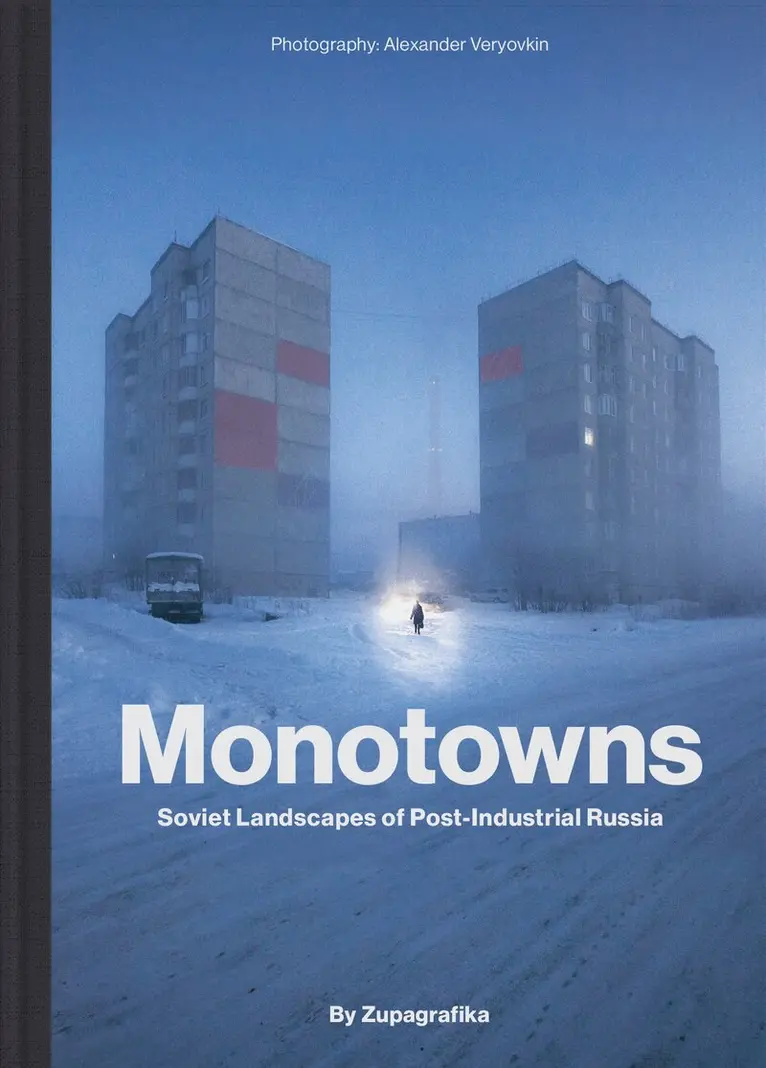
A photographic exploration of the Soviet monotowns - urban settlements erected around single industries in the hinterlands of the former USSR - some thriving, others struggling to survive, still others partially abandoned. Through 9 chapters with over 130 photographs, Monotowns by Zupagrafika captures the postindustrial landscapes and Soviet era architecture of the monogorods extending from the Arctic Circle to the Russian Far East, such as Vorkuta, Norilsk, Mirny, Kirovsk, Tolyatti, Cherepovets, Magnitogorsk, Monchegorsk and Nikel, and the daily lives of their inhabitants.