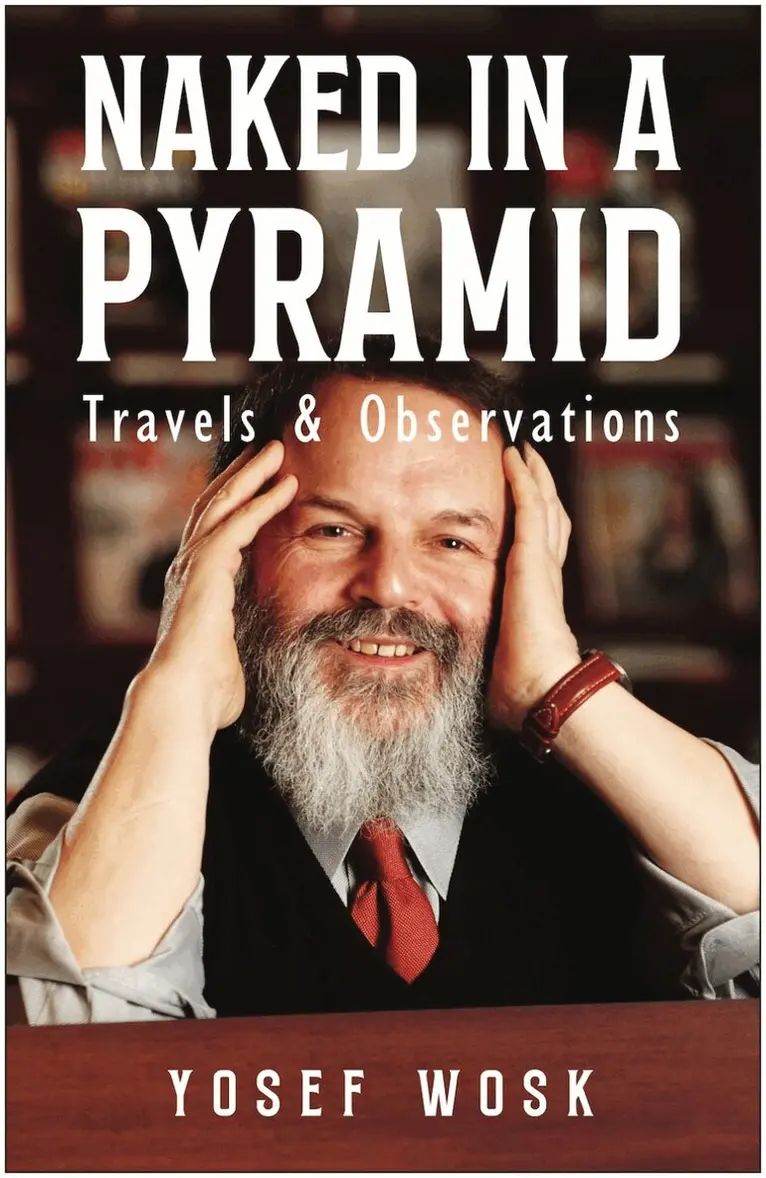
Having visited both Poles and circumnavigated the world, Yosef Wosk, a Fellow of the Royal Canadian Geographical Society, has developed his own field of psychogeography. The title piece describes the time he almost died climbing the Great Pyramid of Giza at midnight. The next day he descended into an ancient cavern beneath the Great Pyramid where he took off all his clothes, alone, and meditated. Probably more people have walked on the moon than have done that. Here, then, is an unconventional book by an original thinker, a former rabbi who owns ancient Torah scrolls, Stars Wars memorabilia, Pee-wee Herman's bike and a yellow star from the concentration camps. There is quite simply nobody like him. A scholar-turned-philanthropist-turned-art-collector-turned-writer/philosopher, Yosef Wosk is a reclusive Lone Ranger who frequently helps others but remains a stranger. Here, for the first time, he has gathered a medley of observations to reveal his private world. Subjects include Leonard Cohen, Marilyn Monroe, Jesus as a storyteller, knowing Elie Wiesel, visiting anthropologist Claude Levi-Strauss, technology (welcoming The Global Brain) and visits to both Poles (expunging Westerncentricity and Northerncentricity).
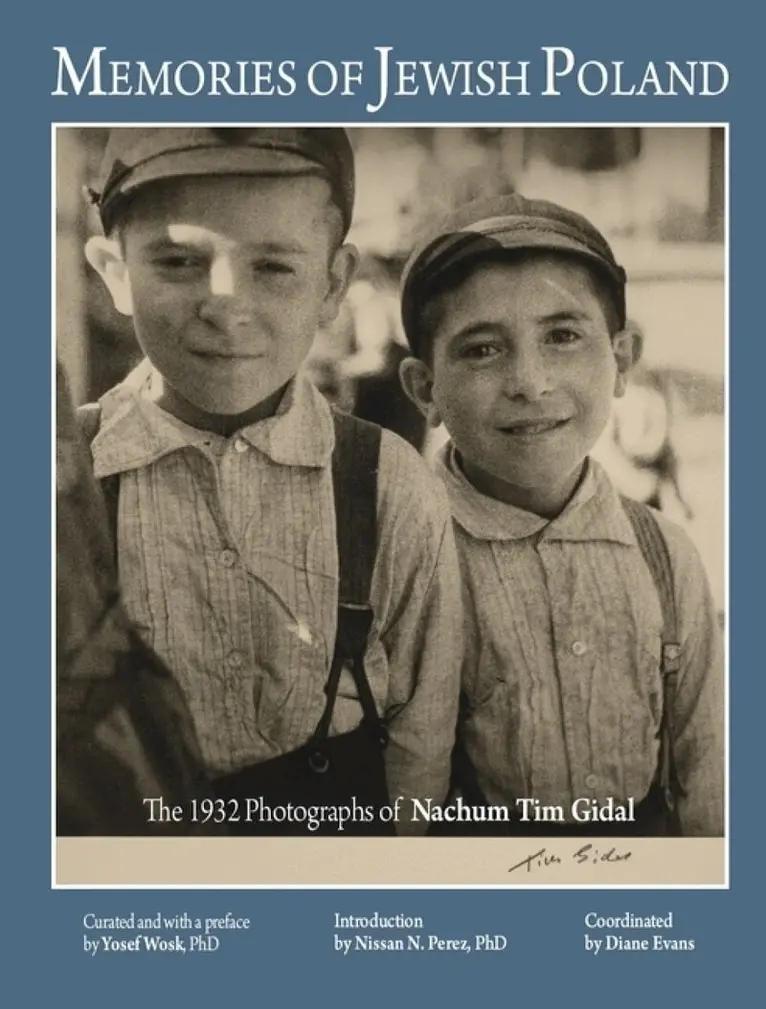
In 1932, the budding twenty-three-year-old photographer Nachum Gidalewitsch (who would later become the celebrated Israeli photographer Tim Gidal) set out from his hometown of Munich, Germany, to visit relatives and photograph what were to him the exotic locals in Jewish Poland. The extraordinary photographic record of that visit is here presented for the first time in book form, in a poignant testimony and remembrance of a community that had no way to know it was in its last years. Gidal, who emigrated to British Mandate Palestine in 1936, was one of a select group of photographers who took advantage of new technology -- specifically the lightweight and portable nature of the Leica camera -- to found the pioneering field of photojournalism. He would go on to document World War II as a photo reporter and later to become a noted objective photographer. In these photographs taken early in his remarkable career, Gidal captures the poignant ordinariness of a thriving community just before its annihilation. These straightforward, honest, and intimate portraits embody the mission the photographer himself once described as capturing variations on the everlasting tragicomedy of human life.