968 kr
Skickas inom 7-10 vardagar
968 kr
Skickas inom 7-10 vardagar
1 091 kr
Skickas inom 7-10 vardagar
1 565 kr
Skickas
274 kr
Skickas inom 7-10 vardagar
292 kr
Skickas inom 7-10 vardagar
754 kr
Skickas inom 7-10 vardagar
400 kr
Läs direkt efter köp
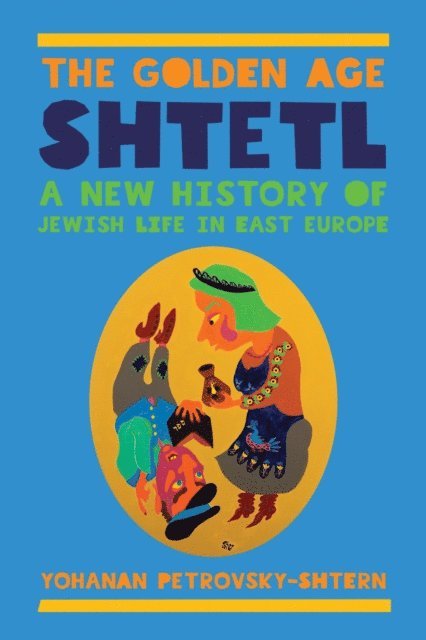
A major history of the shtetl''s golden ageThe shtetl was home to two-thirds of East Europe''s Jews in the eighteenth and nineteenth centuries, yet it has long been one of the most neglected and misunderstood chapters of the Jewish experience. This book provides the first grassroots social, economic, and cultural history of the shtetl. Challenging popular misconceptions of the shtetl as an isolated, ramshackle Jewish village stricken by poverty and pogroms, Yohanan Petrovsky-Shtern argues that, in its heyday from the 1790s to the 1840s, the shtetl was a thriving Jewish community as vibrant as any in Europe.Petrovsky-Shtern brings this golden age to life, looking at dozens of shtetls and drawing on a wealth of never-before-used archival material. Illustrated throughout with rare archival photographs and artwork, this nuanced history casts the shtetl in an altogether new light, revealing how its golden age continues to shape the collective memory of the Jewish people today.
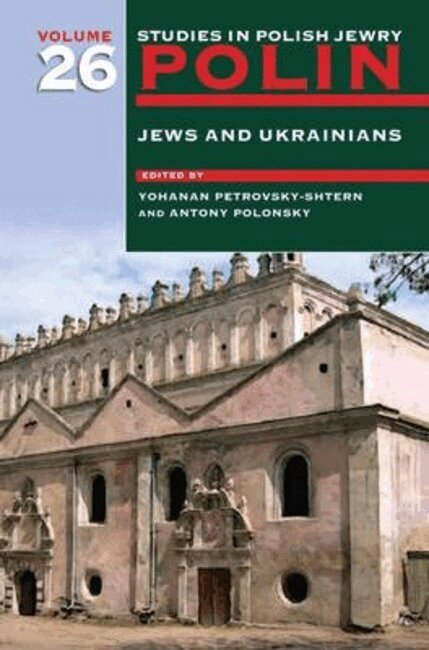
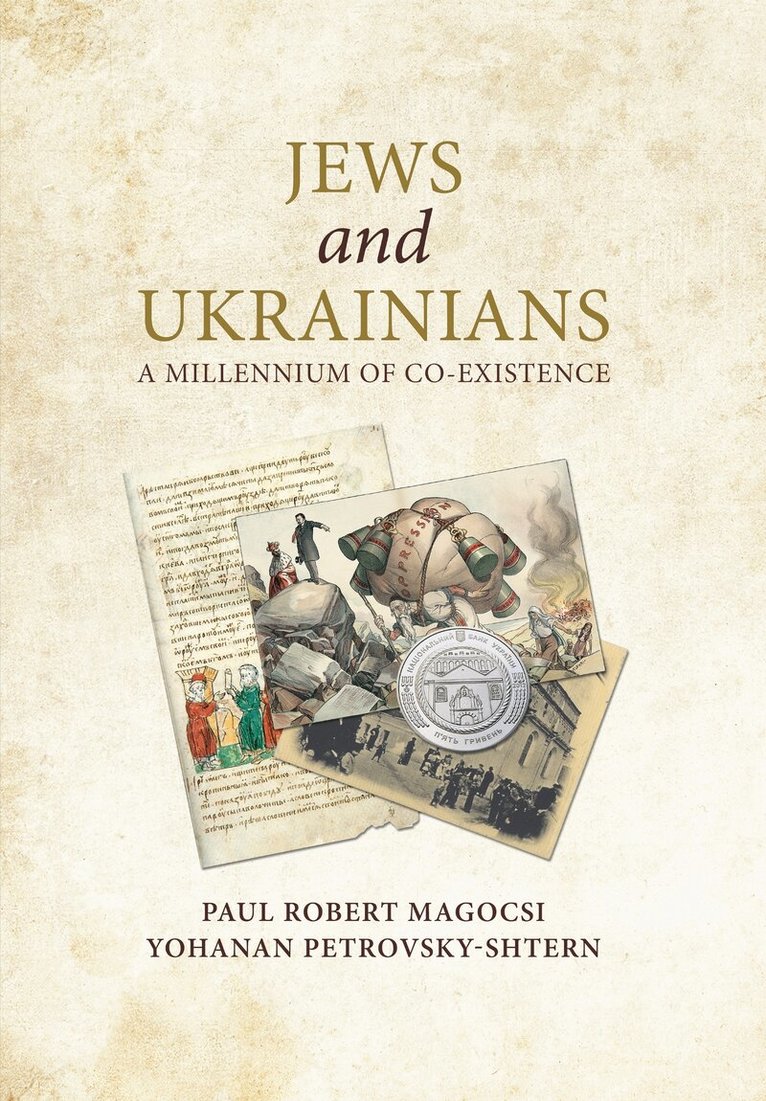
Jews and Ukrainians
546 kr
Skickas inom 7-10 vardagar
1 203 kr
Skickas inom 10-15 vardagar
1 587 kr
Läs direkt efter köp
1 441 kr
Skickas inom 3-6 vardagar
1 074 kr
Läs direkt efter köp
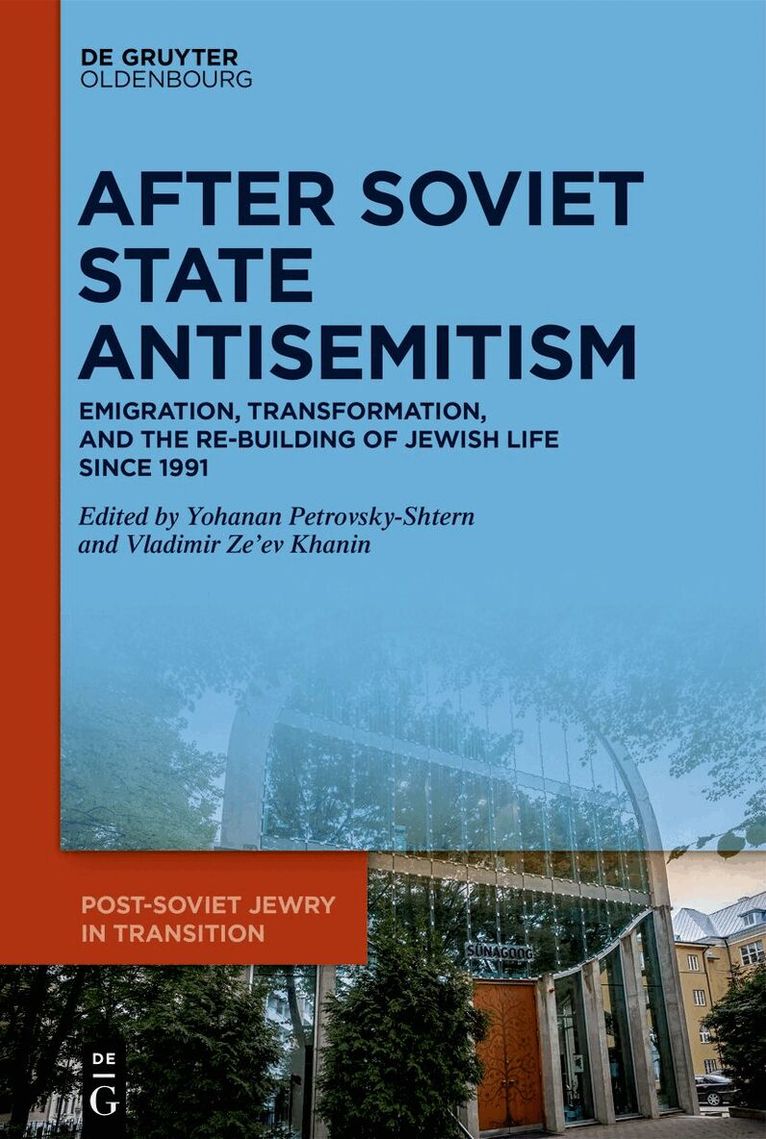
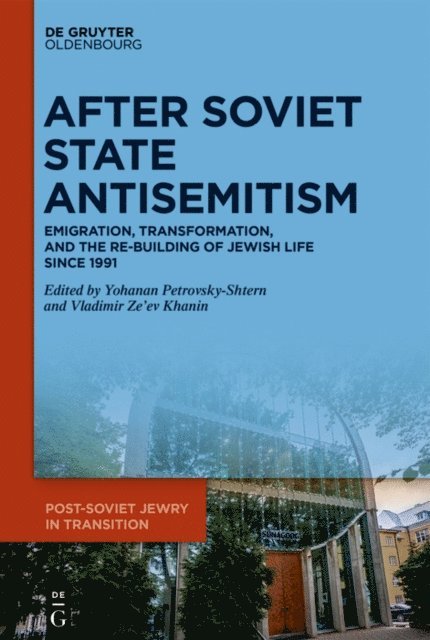
Following the abolishment of state-sanctioned antisemitism under Gorbachev’s Perestroika liberalization policy, Jewish life in the (F)SU ([former] Soviet Union) was dominated by two interrelated trends: large-scale emigration on the one hand, and attempts to re-establish a fully-organized local Jewish life on the other. Although many aspects of these trends have become the subjects of academic research, a few important developments in the recent decade have not been studied in depth.
The authors of this volume trace these trends using various methods from the social sciences and humanities and focusing on issues pertaining to the physical, mental, legal, and cultural borders of the Jewish collective in the post-Soviet Eurasia; traditional and modern patterns of Jewish ethnic, national, religious, and cultural identities; the development of Jewish organizations and movements; contemporary Jewish religious and civil culture; and the general sociocultural and political context(s) of the FSU Jewish life.
This volume will make a robust contribution to research on contemporary Jewish (and other) ethnicities and will enrich public discourses on ethnic, religious, and cultural minorities and their current situation in Europe and the FSU.
1 101 kr
Läs direkt efter köp
Following the abolishment of state-sanctioned antisemitism under Gorbachev’s Perestroika liberalization policy, Jewish life in the (F)SU ([former] Soviet Union) was dominated by two interrelated trends: large-scale emigration on the one hand, and attempts to re-establish a fully-organized local Jewish life on the other. Although many aspects of these trends have become the subjects of academic research, a few important developments in the recent decade have not been studied in depth.
The authors of this volume trace these trends using various methods from the social sciences and humanities and focusing on issues pertaining to the physical, mental, legal, and cultural borders of the Jewish collective in the post-Soviet Eurasia; traditional and modern patterns of Jewish ethnic, national, religious, and cultural identities; the development of Jewish organizations and movements; contemporary Jewish religious and civil culture; and the general sociocultural and political context(s) of the FSU Jewish life.
This volume will make a robust contribution to research on contemporary Jewish (and other) ethnicities and will enrich public discourses on ethnic, religious, and cultural minorities and their current situation in Europe and the FSU.
488 kr
Skickas inom 11-20 vardagar
500 kr
Tillfälligt slut