E-bok
PDF, Engelska, 2022808 kr
Läs direkt efter köp
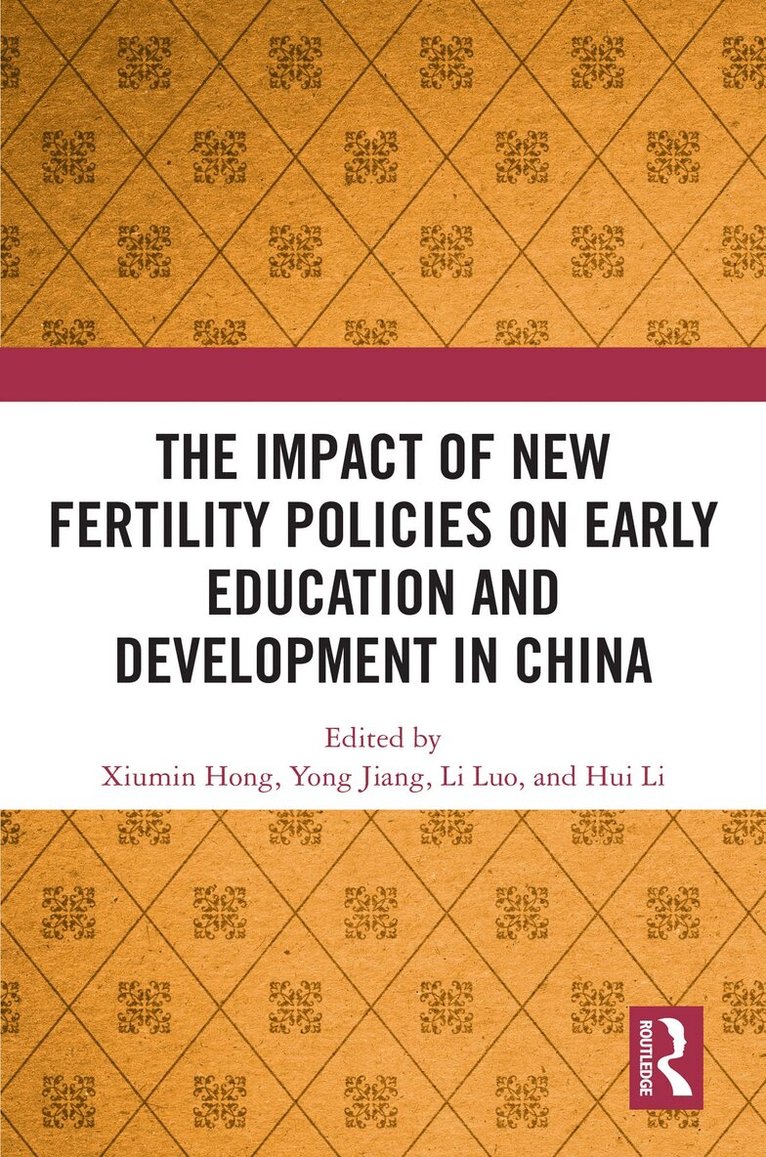
Crafted from a research project that lasted for three years, this book examines the impacts of China’s universal two-child policy under the lens of education and focuses specifically on early childhood. This book not only provides number projection, but also the prediction and judgment of the supply and demand of service resources in early childhood education. It attempts to reveal the attitudes and views of families and stakeholders on the universal two-child policy and present the public''s policy requirements for the quality of early childhood education. In addition, it analyses possible problems and challenges in current kindergarten layouts and resources allocation. Lastly, it aims to provide references and bases for formulating the plan that adapts to changes of Chinese preschoolers, supply guarantee of future early childhood education and the construction of public service system. Offering rich insights into the current and future status of education in China, this text will be of interest to students, scholars, and researchers of sociology, early childhood education, contemporary China studies, East Asian educational practices and policy.