1 657 kr
Läs direkt efter köp
1 657 kr
Läs direkt efter köp
1 657 kr
Läs direkt efter köp
730 kr
Skickas inom 7-10 vardagar
2 927 kr
Skickas inom 7-10 vardagar
2 490 kr
Skickas inom 7-10 vardagar
867 kr
Skickas
2 126 kr
Skickas inom 10-15 vardagar
600 kr
Skickas inom 10-15 vardagar
606 kr
Läs direkt efter köp
655 kr
Läs direkt efter köp
604 kr
Skickas inom 10-15 vardagar
611 kr
Skickas inom 10-15 vardagar
2 114 kr
Skickas inom 10-15 vardagar
611 kr
Skickas inom 10-15 vardagar
2 311 kr
Skickas inom 10-15 vardagar
690 kr
Skickas inom 10-15 vardagar
1 337 kr
Skickas inom 7-10 vardagar
2 047 kr
Skickas inom 10-15 vardagar
807 kr
Läs direkt efter köp
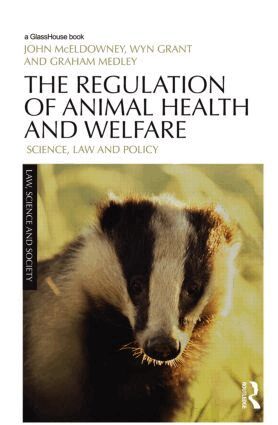
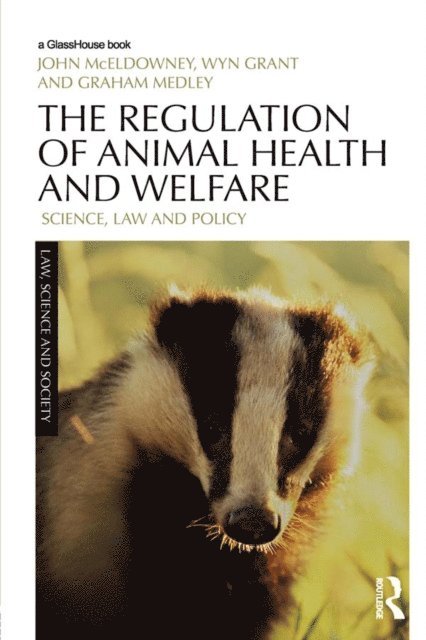
The Regulation of Animal Health and Welfare draws on the research of scientists, lawyers, economists and political scientists to address the current and future regulatory problems posed by the issues of animal health and disease. Recent events such as the outbreak of mad cow disease, epidemics of foot and mouth disease, concerns about bluetongue in sheep, and the entry into the food chain of the offspring of cloned cattle, have heightened awareness of the issues of regulation in animal disease and welfare. This book critically appraises the existing regulatory institutions and guiding principles of how best to maintain animal health in the context of social change and a developing global economy. Addressing considerations of sound science, the role of risk management, and the allocation of responsibilities, it also takes up the theoretical and practical challenges which here – and elsewhere – attend the co-operation of scientists, social scientists, lawyers and policy makers. Indeed, the collaboration of scientists and social scientists in determined and regulatory contexts such as that of animal disease is an issue of ever-increasing importance. This book will be of considerable value to those with interests in this issue, as well as those concerned with the law and policy relating to animal health and welfare.
813 kr
Läs direkt efter köp
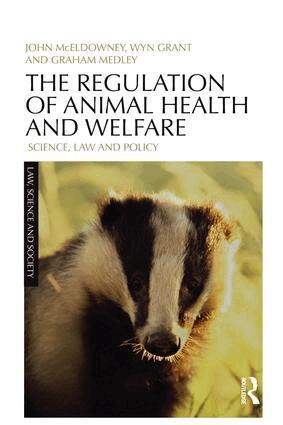
The Regulation of Animal Health and Welfare draws on the research of scientists, lawyers, economists and political scientists to address the current and future regulatory problems posed by the issues of animal health and disease. Recent events such as the outbreak of mad cow disease, epidemics of foot and mouth disease, concerns about bluetongue in sheep, and the entry into the food chain of the offspring of cloned cattle, have heightened awareness of the issues of regulation in animal disease and welfare. This book critically appraises the existing regulatory institutions and guiding principles of how best to maintain animal health in the context of social change and a developing global economy. Addressing considerations of sound science, the role of risk management, and the allocation of responsibilities, it also takes up the theoretical and practical challenges which here – and elsewhere – attend the co-operation of scientists, social scientists, lawyers and policy makers. Indeed, the collaboration of scientists and social scientists in determined and regulatory contexts such as that of animal disease is an issue of ever-increasing importance. This book will be of considerable value to those with interests in this issue, as well as those concerned with the law and policy relating to animal health and welfare.
655 kr
Läs direkt efter köp
565 kr
Skickas inom 10-15 vardagar
565 kr
Skickas inom 10-15 vardagar
690 kr
Läs direkt efter köp
557 kr
Skickas inom 10-15 vardagar
The History of the Political Studies Association
303 kr
Skickas inom 11-20 vardagar
199 kr
Skickas inom 7-10 vardagar
7 802 kr
Skickas inom 7-10 vardagar
373 kr
Skickas inom 7-10 vardagar
450 kr
Läs direkt efter köp
Football has been largely exempt from the development of the regulatory state and has been left to govern itself. However, new media have raised the profile of the game and globalization has created new pressures as football clubs become pawns in the ambitions of states, consortia and wealthy individuals. Clubs offer an important sense of identity for fans, but the impersonality and distance of ownership can set up new tensions. In addition, corruption in the international governing body has been a significant problem and the sport’s symbiotic relationship with gambling continues to be a concern.
Wyn Grant examines the political economy of football and its uneasy relationship with the market. There are no off-the-shelf solutions for regulation, he argues, but the complexities of the game and its economic size demand more attention from government.