Inbunden, Engelska, 2024
459 kr
Skickas inom 10-15 vardagar
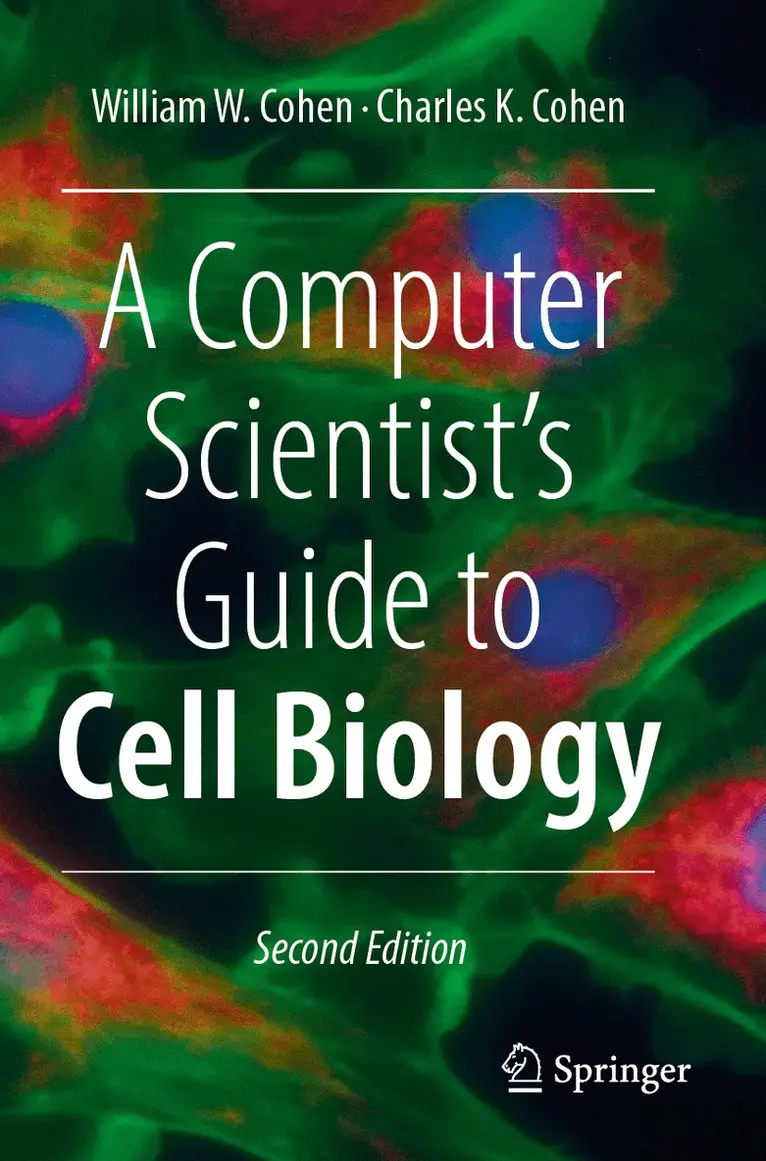
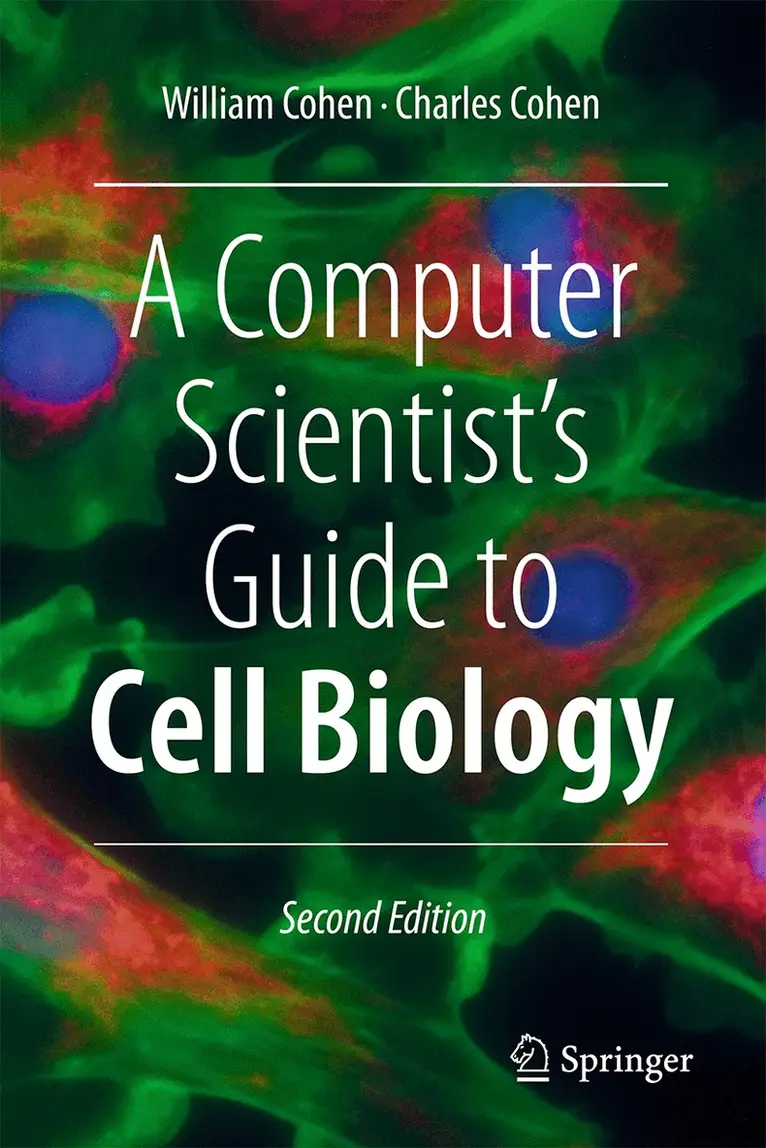
Unlike the structured world of computer science, biology is complex, evolving, and often lacks clean abstract models. This book aims to serve as a guide for computer scientists who need to understand cell biology, breaking the field into three parts: biological mechanics, experimental methods, and language/nomenclature. While biological mechanics, which investigates cellular-level details, is covered by many texts, this book also focuses on experimental methods – how biologists conduct experiments and gather data - and on helping the reader understand the language and terminology of biology, which is rich but challenging for non-biologists.A Computer Scientist's Guide to Cell Biology uses a metaphor of biology as a strange land with an unfamiliar language and customs. The goal of the book is to provide a high-level introduction to cell biology, simplifying concepts and relating them to familiar ideas from computer science, so that working computer scientists can more effectively understand read recent research papers and results.This Second Edition contains a number of updates, including discussions of CRISPR, advances in DNA Sequencing, and mRNA vaccines. It serves as an easy-to-read travel guide for computer scientists navigating the intricate and sometimes perplexing terrain of cell biology, offering insights into experimental methods and helping bridge the gap between the structured world of computer science and the complexities of biological systems.