319 kr
Skickas
319 kr
Skickas
262 kr
Skickas inom 7-10 vardagar
2 526 kr
Skickas inom 10-15 vardagar
637 kr
Skickas inom 10-15 vardagar
41 kr
Läs direkt efter köp
384 kr
Skickas inom 7-10 vardagar
303 kr
Skickas inom 7-10 vardagar
250 kr
Skickas inom 7-10 vardagar
745 kr
Läs direkt efter köp
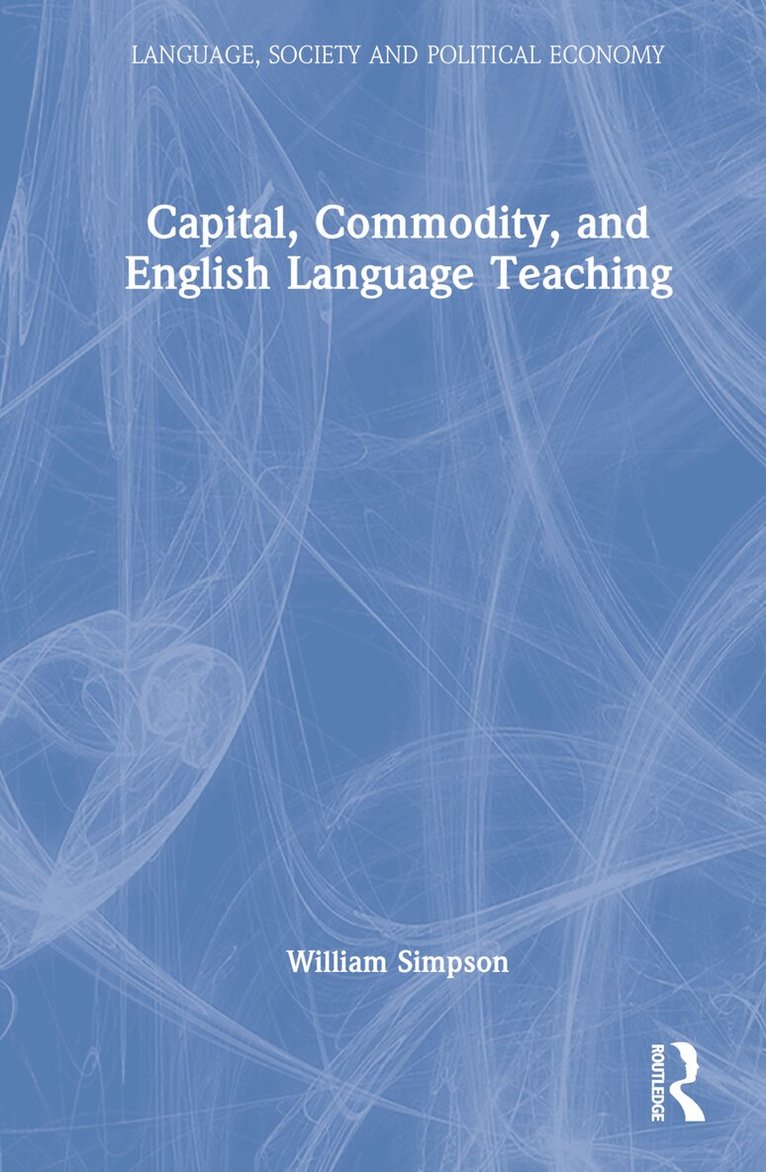
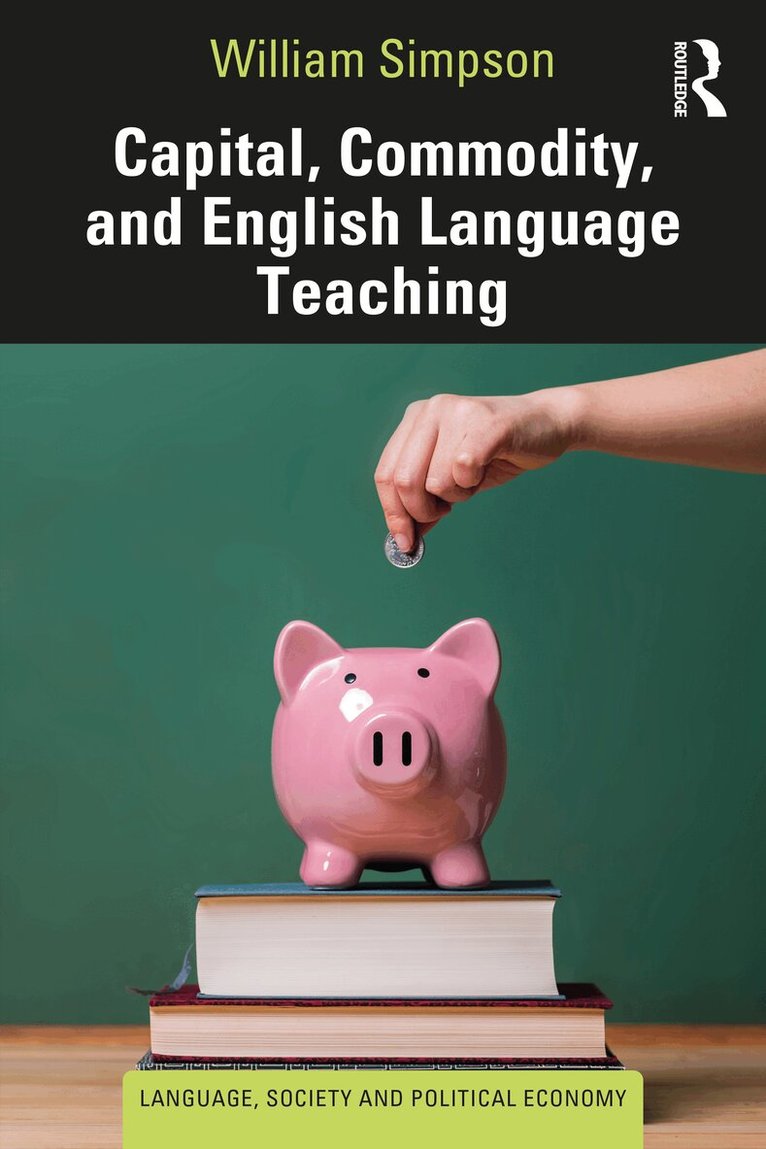
Capital, Commodity, and English Language Teaching illustrates how the drive for profit in commercial ELT affects the manner in which language is taught. The book looks at education as a form of production, and asks how lessons are produced, and how the production of profit in addition to the production of the lesson affects the operation of educational institutions and their stakeholders.
Simpson delivers a theoretically rigorous conception of capital and builds from this an investigation into how the circulation of capital for profit interrelates with the teaching of language. Simpson discusses ELT at both a global level, in discussion of the ELT industry in the UK, the US, Ireland, Canada, Japan, Spain, and transnationally online, as well as at a more local level, where finer detailed descriptions of the work-lives of those within the Japanese eikaiwa ELT industry are given. Drawing on a synthesis of Marxist and Bourdieusian theory, the book outlines a dialectical approach to understanding capital, and to understanding how the drive for profit and language education interrelate with one another. Simpson concludes by showing how such an approach might open up areas for further research in a number of contexts across the globe, as well as in light of the Covid-19 pandemic.
Providing a model for addressing global issues of ELT, this book is of interest to advanced students, scholars and professionals within applied linguistics, TESOL, sociolinguistics, and linguistic anthropology, language economics and related areas.

745 kr
Läs direkt efter köp
Capital, Commodity, and English Language Teaching illustrates how the drive for profit in commercial ELT affects the manner in which language is taught. The book looks at education as a form of production, and asks how lessons are produced, and how the production of profit in addition to the production of the lesson affects the operation of educational institutions and their stakeholders.
Simpson delivers a theoretically rigorous conception of capital and builds from this an investigation into how the circulation of capital for profit interrelates with the teaching of language. Simpson discusses ELT at both a global level, in discussion of the ELT industry in the UK, the US, Ireland, Canada, Japan, Spain, and transnationally online, as well as at a more local level, where finer detailed descriptions of the work-lives of those within the Japanese eikaiwa ELT industry are given. Drawing on a synthesis of Marxist and Bourdieusian theory, the book outlines a dialectical approach to understanding capital, and to understanding how the drive for profit and language education interrelate with one another. Simpson concludes by showing how such an approach might open up areas for further research in a number of contexts across the globe, as well as in light of the Covid-19 pandemic.
Providing a model for addressing global issues of ELT, this book is of interest to advanced students, scholars and professionals within applied linguistics, TESOL, sociolinguistics, and linguistic anthropology, language economics and related areas.

382 kr
Skickas inom 7-10 vardagar
220 kr
Skickas inom 7-10 vardagar
426 kr
Skickas inom 7-10 vardagar
308 kr
Skickas inom 7-10 vardagar
345 kr
Skickas inom 7-10 vardagar
508 kr
Skickas inom 7-10 vardagar
175 kr
Skickas inom 7-10 vardagar
489 kr
Skickas inom 7-10 vardagar
350 kr
Skickas inom 7-10 vardagar
371 kr
Skickas inom 7-10 vardagar
417 kr
Skickas inom 7-10 vardagar
365 kr
Skickas inom 7-10 vardagar
469 kr
Skickas inom 7-10 vardagar
379 kr
Skickas inom 7-10 vardagar
176 kr
Skickas inom 7-10 vardagar
201 kr
Skickas inom 7-10 vardagar
308 kr
Skickas inom 7-10 vardagar
208 kr
Skickas inom 7-10 vardagar
333 kr
Skickas inom 7-10 vardagar