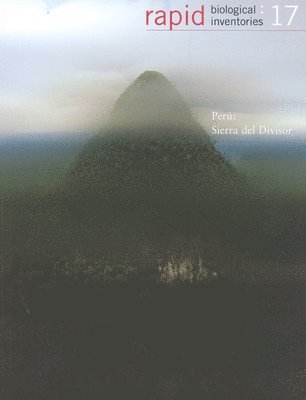
In August of 2005, scientists conducted a rapid inventory in Sierra del Divisor, a mountain range that rises dramatically from the lowlands of central Amazonian Peru. This assessment, presented here in English and Spanish, collects their research on the plants and animals of the region as well as the social and cultural assets of local villages and their use and management of natural resources. The report includes recommendations for conservation and management, including steps to safeguard the voluntarily isolated indigenous people living in the region.
The remote, rugged Cabeceras Cofanes-Chingual is one of the last intact mountainous regions in Ecuador and serves as the most important remaining refuge for endangered, range-restricted flora and fauna of the Ecuadorian Andes. In October 2008 scientists from Ecuador, Peru, and the United States conducted a rapid biological inventory and a rapid social inventory to assess the region's suitability for protection as a municipal reserve. Working closely with local communities and indigenous Cofan, whose ancestral territory abuts the proposed reserve to the south, the teams surveyed the hydrology, geology, soils, vegetation and flora, fishes, amphibians and reptiles, birds, mammals, archaeology, and current human communities. Full and abstracted results of the fieldwork are provided in Spanish and English.
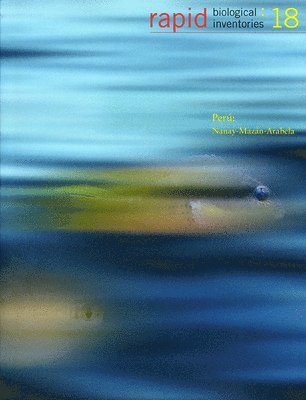
In August of 2006, scientists conducted a rapid inventory of the Nanay-Mazan-Arabela Headwaters, three watersheds in the northwestern Peruvian Amazon. This assessment, presented here in English and Spanish, collects their research on the plants and animals of the region as well as the social and cultural assets of local villages and their use and management of natural resources. The researchers propose recommendations for conservation of the region, including steps to safeguard voluntarily isolated indigenous people.
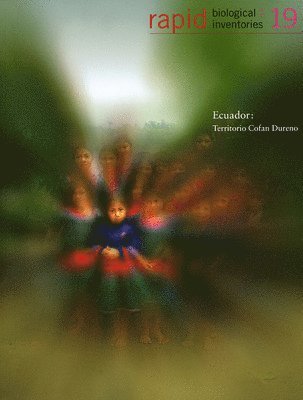
In May of 2007, scientists conducted a rapid inventory in the Dureno Territory, part of the Cofan ancestral territories in the Amazon basin of eastern Ecuador. Presented primarily in Spanish but including sections in English and A'ingae, the language of the Cofan, this assessment collects those scientists' research on the plants and animals of the region, as well as a history of the grassroots conservation efforts of the Cofan. The report closes with recommendations for long-term management of the area.
In October of 2007 scientists from Ecuador, Peru, and the United States conducted a rapid inventory of the Reserva de Produccion Faunistica Cuyabeno in northeastern Ecuador and the adjacent Zona Reservada Gueppi in northern Peru. Working closely with members of local indigenous and mestizo communities, the teams surveyed the soils and hydrology, vegetation, animals, and human communities within these regions. Full results from the investigation of these spectacularly diverse forest landscapes - including biological discoveries, threats, and management recommendations - are given here in both Spanish and English, with executive summaries in Cofan, Secoya, and Kichwa.