Winner of the 2025 Book of the Year Award from the George Washington American Revolution Round Table.In Defending Fort Stanwix, William L. Kidder tells the dramatic story of "the fort that never surrendered" and the crucial role it played in the American War for Independence. After a series of military defeats over the winter of 1776–1777, British military leaders developed a bold plan to gain control of the Hudson River and divide New England from the rest of the colonies. Three armies would converge on Albany: one under Lieutenant General John Burgoyne moving south from Quebec, one under General William Howe moving north from New York City, and a third under Lieutenant Colonel Barrimore St. Leger cutting east from Lake Ontario along the Mohawk River. Fort Stanwix lay directly on the path of St. Leger's force, making it a key defensive position for the Continental Army. By delaying St. Leger's troops and forcing a retreat, the garrison's stand at Fort Stanwix contributed to Burgoyne's surrender at the Battles of Saratoga a month later, a major turning point in the course of the war.Kidder offers an engaging account of life in and around the fort in the months leading up to the siege, detailing the lives of soldiers and their families, civilians, and the Haudenosaunee peoples with a focus on both the mundane aspects of military life and the courageous actions that earned distinction. Defending Fort Stanwix relates the stories of local men and women, both white and Indian, who helped with the fort's defense before, during, and after the siege and showcases an exciting, overlooked story of bravery and cooperation on New York's frontier during the American Revolution.
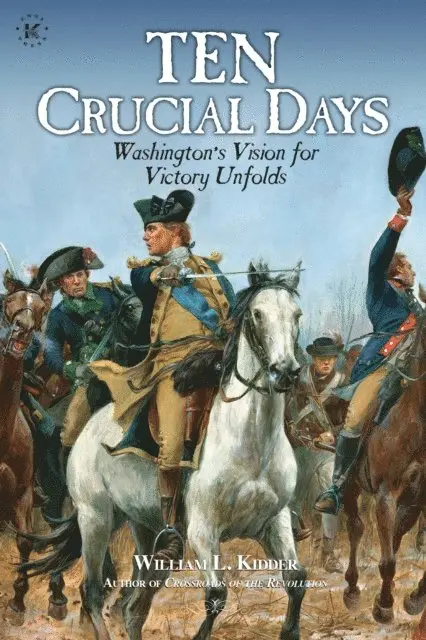
On December 25, 1776, the American Revolution seemed all but defeated just six months after the Declaration of Independence had been adopted. George Washington's army had suffered a series of defeats in New York and had retreated under British pressure across New Jersey and then the Delaware River to temporary sanctuary in Pennsylvania. This left the British army in a string of winter cantonments across the middle of New Jersey, the New Jersey state government in total disarray, and the Continental Congress fleeing Philadelphia now perceived as the next British target. Loyalists in New Jersey felt empowered and Patriots felt abandoned. Washington needed not only a battlefield victory, but also to reestablish Patriot control in New Jersey. Otherwise, it would be impossible to raise a larger, long-term army to continue the fight and convince the citizens that victory was possible.The story of these ten crucial days is one that displays Washington's military and interpersonal abilities along with his personal determination and bravery to keep the Revolution alive through maintaining the psychological confidence of the Patriots, while reducing the psychological confidence of his British political and military opponents. Throughout these ten days, Washington was faced with changing situations requiring modifications or outright different plans and his well-thought-out actions benefitted from elements of luck—such as the weather or British decisions—which he could not control.While most books look at these ten crucial days focusing on the military actions of the armies involved, this account also considers what was happening in other parts of the world. Leaders and ordinary people in other parts of America, in Britain, and in France were also dealing with the Revolution as they understood its condition. Without the instantaneous communication we have today, they were dealing with dated information and were missing knowledge that could influence their thoughts about the Revolution. This lack of immediate communication was also true—although to lesser extent—for the individuals directly involved in the events in New Jersey and Pennsylvania.