449 kr
Skickas inom 10-15 vardagar
449 kr
Skickas inom 10-15 vardagar
538 kr
Skickas inom 10-15 vardagar
435 kr
Skickas inom 10-15 vardagar
436 kr
Läs direkt efter köp
Winner: Lincoln Prize
Winner: Abraham Lincoln Institute Book Prize
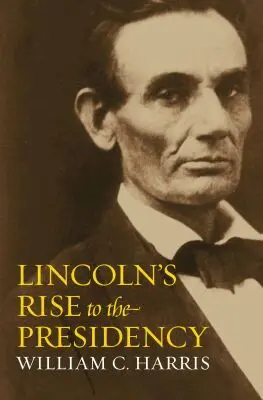
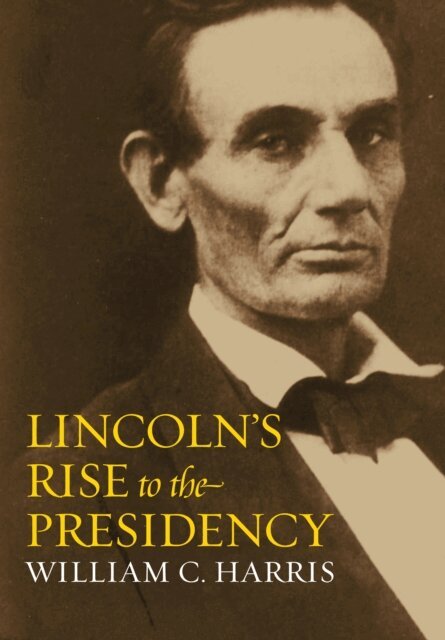
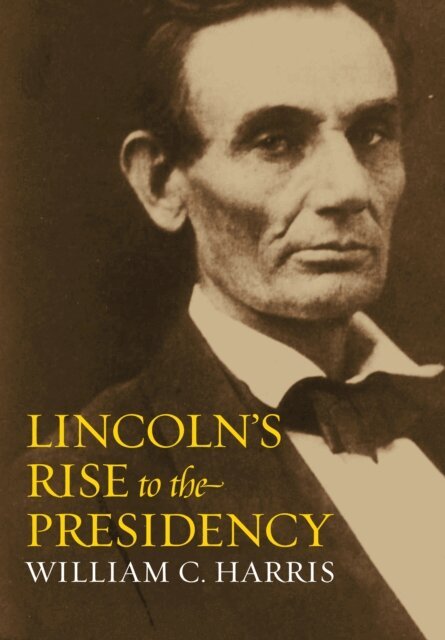
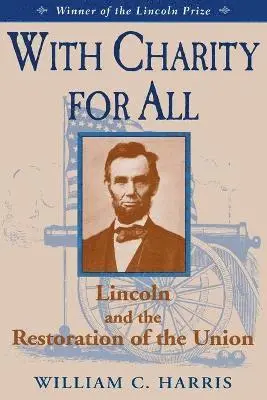
Adopting a new approach to an American icon, an award-winning scholar reexamines the life of Abraham Lincoln to demonstrate how his remarkable political acumen and leadership skills evolved during the intense partisan conflict in pre-Civil War Illinois. By describing Lincoln’s rise from obscurity to the presidency, William Harris shows that Lincoln’s road to political success was far from easy—and that his reaction to events wasn’t always wise or his racial attitudes free of prejudice.
Although most scholars have labeled Lincoln a moderate, Harris reveals that he was by his own admission a conservative who revered the Founders and advocated “adherence to the old and tried.” By emphasizing the conservative bent that guided Lincoln’s political evolution—his background as a Henry Clay Whig, his rural ties, his cautious nature, and the racial and political realities of central Illinois—Harris provides fresh insight into Lincoln’s political ideas and activities and portrays him as morally opposed to slavery but fundamentally conservative in his political strategy against it.
Interweaving aspects of Lincoln’s life and character that were an integral part of his rise to prominence, Harris provides in-depth coverage of Lincoln’s controversial term in Congress, his re-emergence as the leader of the antislavery coalition in Illinois, and his Senate campaign against Stephen A.Douglas. He particularly describes how Lincoln organized the antislavery coalition into the Republican Party while retaining the support of its diverse elements, and sheds new light on Lincoln’s ongoing efforts to bring Know Nothing nativists into the coalition without alienating ethnic groups. He also provides new information and analysis regarding Lincoln’s nomination and election to the presidency, the selection of his cabinet, and his important role as president-elect during the secession crisis of 1860-1861.
Challenging prevailing views, Harris portrays Lincoln as increasingly driven not so much by his own ambitions as by his antislavery sentiments and his fear for the republic in the hands of Douglas Democrats, and he shows how the unique political skills Lincoln developed in Illinois shaped his wartime leadership abilities. By doing so, he opens a window on his political ideas and influences and offers a fresh understanding of this complex figure.
443 kr
Läs direkt efter köp
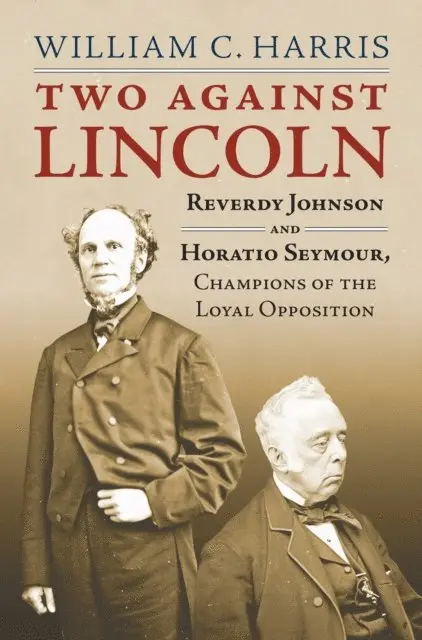
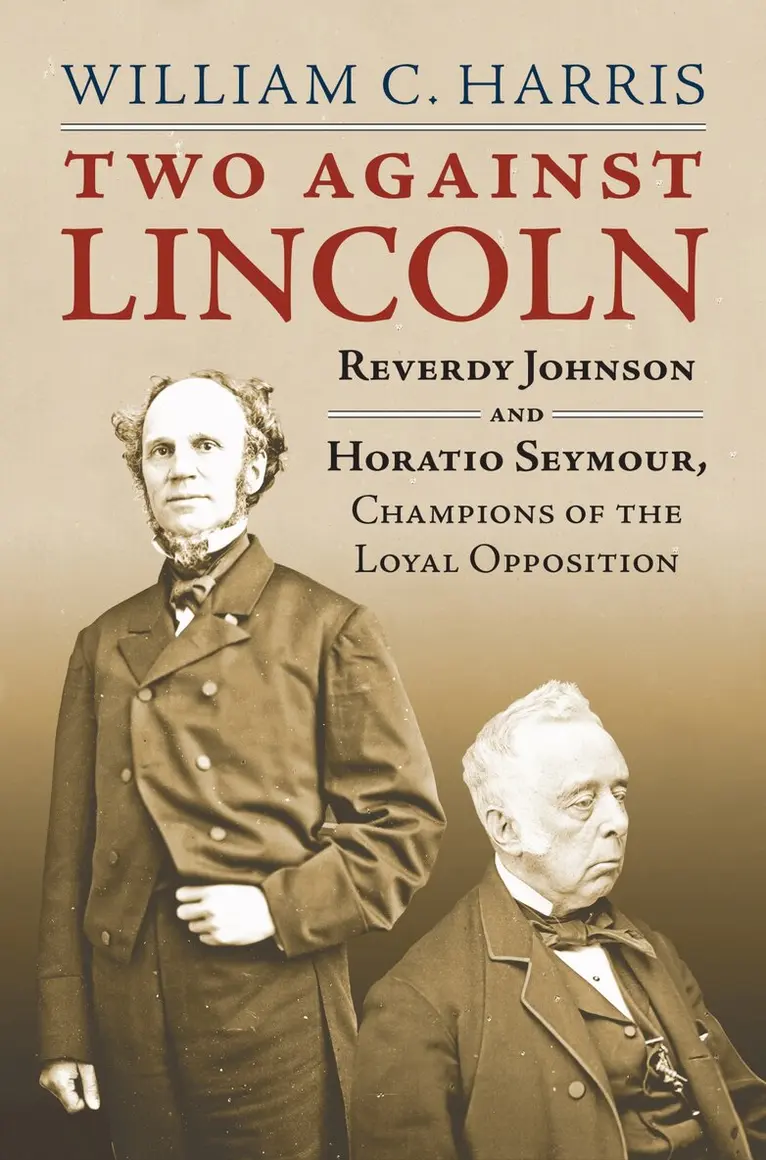
Reverdy Johnson (1796–1876), Maryland senator, and Horatio Seymour, Democratic governor of New York, were two influential opponents of Abraham Lincoln and the Republicans during the Civil War. But unlike the Copperheads, they staunchly supported the war to suppress the rebellion. The story of these two figures of the loyal opposition by Lincoln Prize–winning author William C. Harris provides a new way of understanding critical controversies relating to the purpose of the Civil War, its conduct, emancipation, white racial opinion, loyalty, military conscription, and civil liberties.
Johnson, a distinguished lawyer, former Whig, and conservative Unionist, did not believe that the secessionist states had left the Union, an idea with broad implications for post-war reconstruction. Like Seymour, he opposed Republican efforts in Washington to end slavery, assuming such a policy would backfire against the Union. However, Johnson in 1864 spoke in favor of the Thirteenth Amendment to abolish slavery. Before the war, Seymour supported Stephen Douglas’s popular sovereignty policies, allowing the territories to decide whether or not to permit slavery, and during the war he opposed any tampering with slavery. Two Against Lincoln explores how these two men negotiated issues of emancipation, reconstruction, and reconciliation, all while navigating the roiling currents of partisan politics. The book includes illuminating accounts of the framing of the Fourteenth Amendment in 1866, the ephemeral National Union (Democratic) Party of 1866, the role of Senator Johnson in the approval of the military reconstruction acts of 1867, the impeachment of President Andrew Johnson, and, finally, the presidential election of 1868 in which Seymour as the Democratic candidate did better than expected against war hero U. S. Grant.
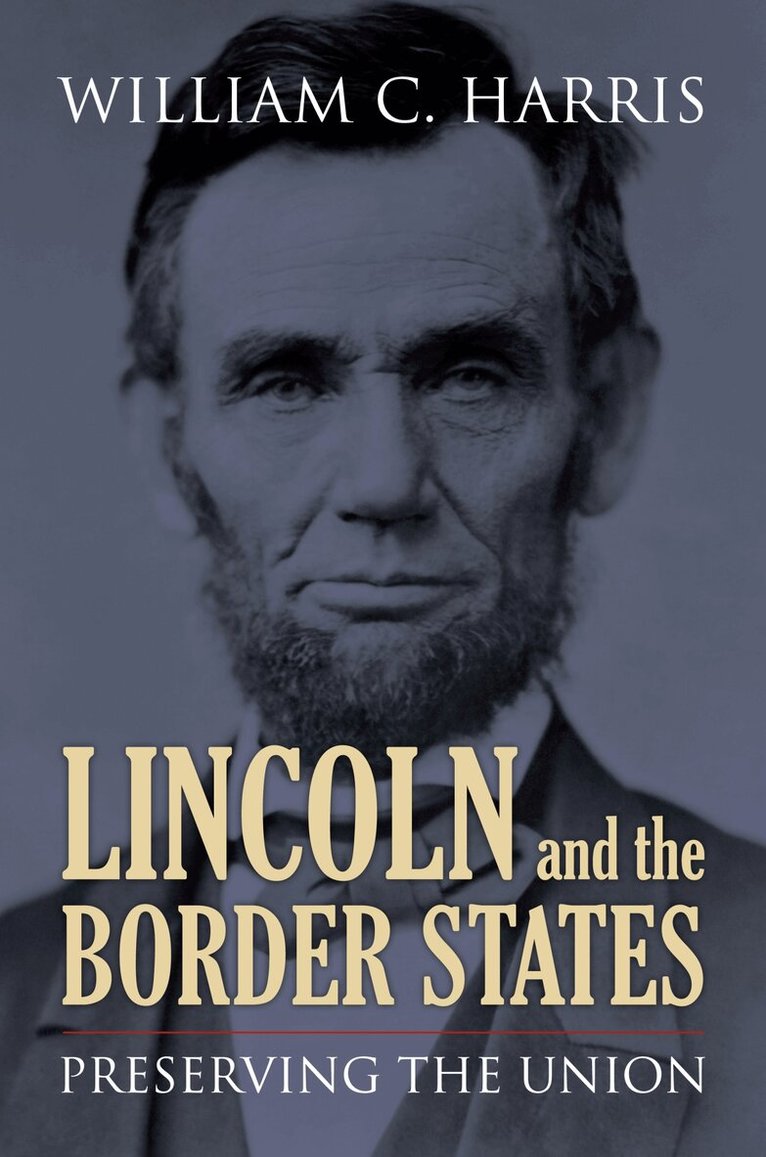
Building on the author’s award winning work on Lincoln and the border states, Two Against Lincoln illustrates the complexity of political divisions in the Union states, as embodied in two powerful, controversial leaders of the time.
354 kr
Skickas inom 7-10 vardagar
420 kr
Läs direkt efter köp
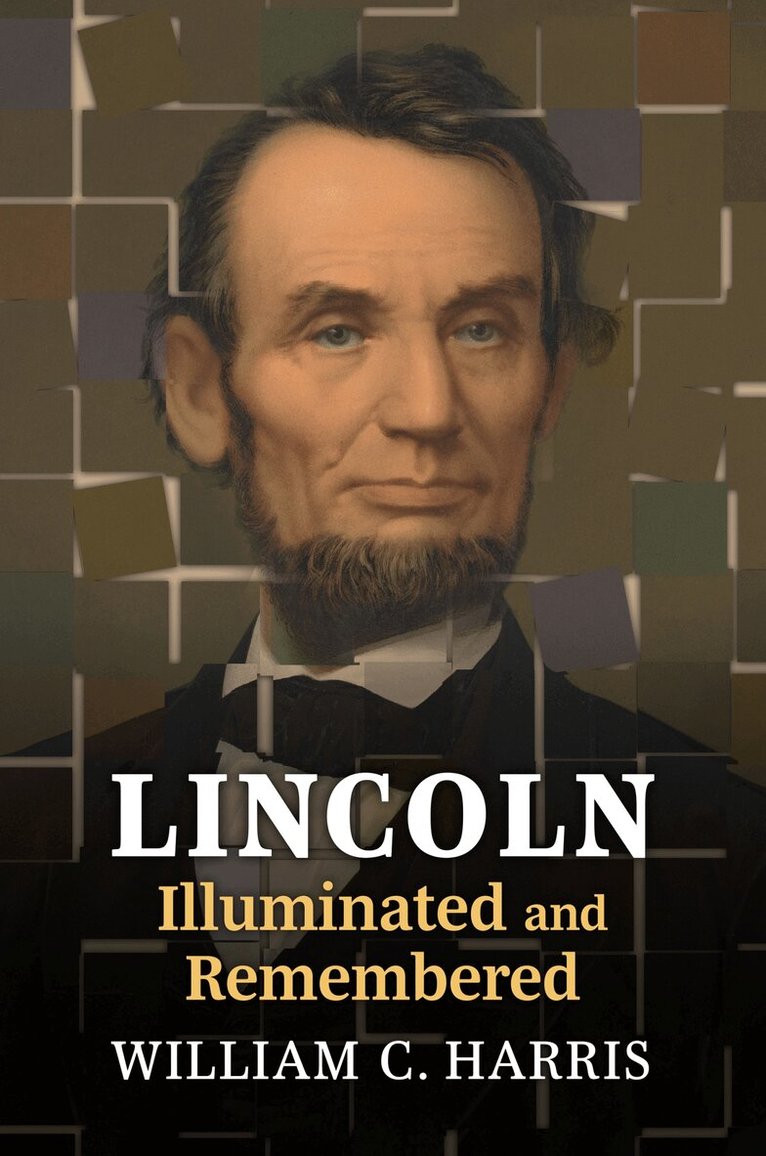
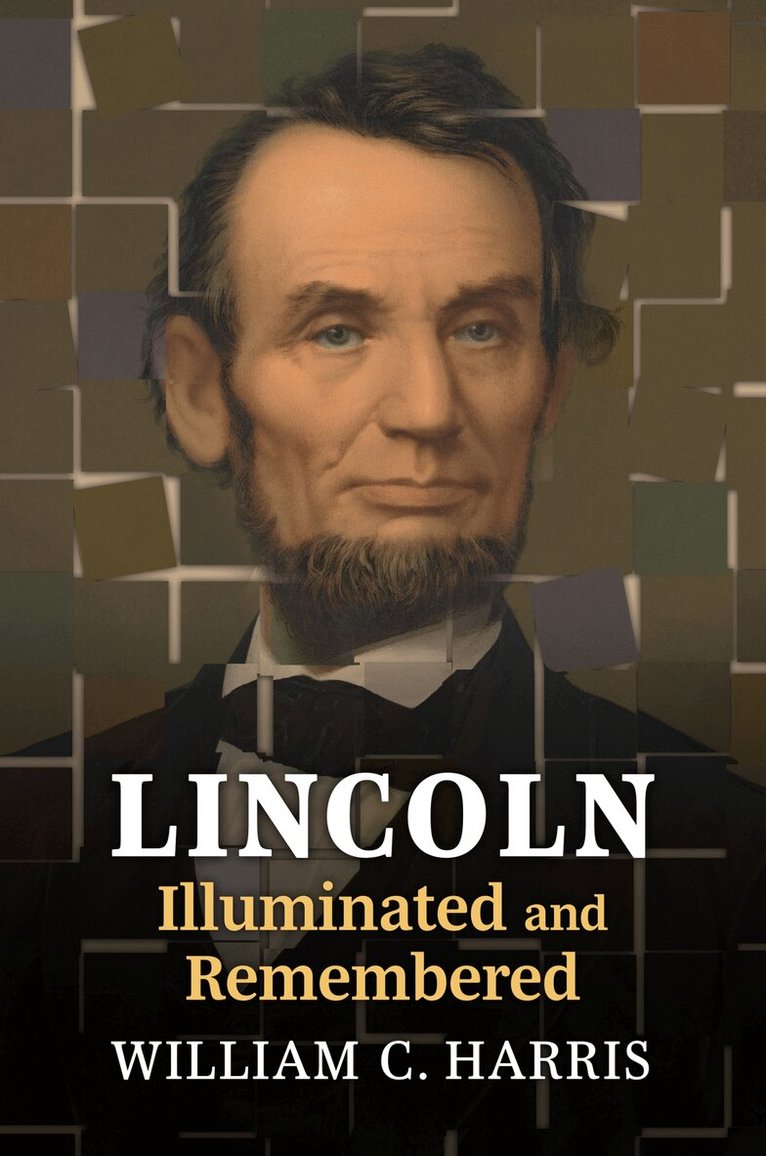
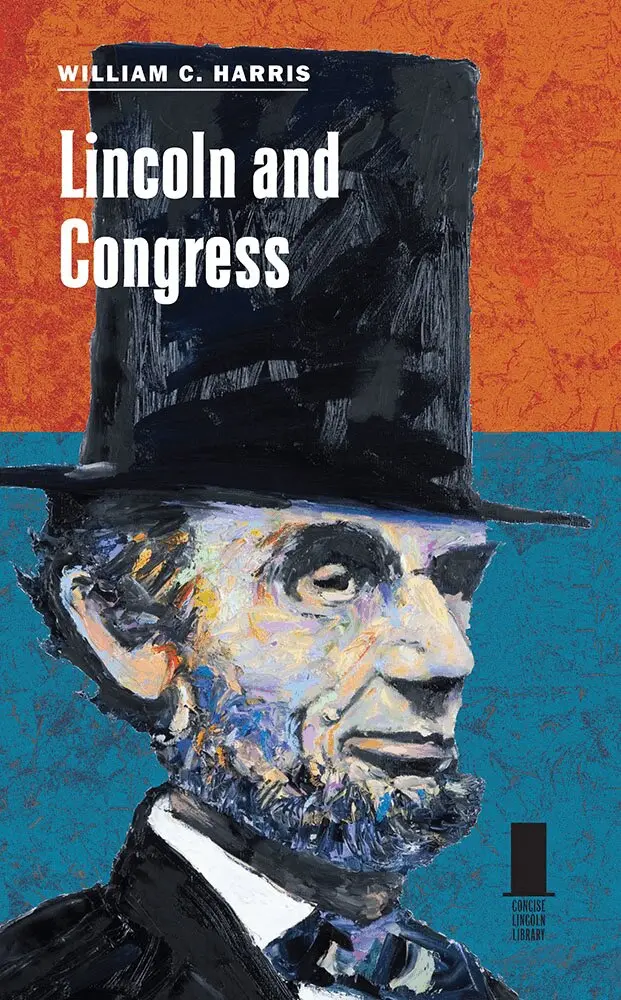
In Lincoln Illuminated and Remembered, venerated Lincoln scholar William C. Harris revisits neglected features of the life and presidency of Abraham Lincoln that deserve further attention. In this collection of essays written with his characteristically inviting prose, Harris draws on decades of scholarship on America’s most highly regarded president to provide a fresh and fuller treatment of aspects of Lincoln’s political career and legacy that have not been adequately analyzed by historians or biographers.
Lincoln Illuminated and Remembered offers new perspectives on Lincoln’s leadership, with particular concern for the origins and development of Lincoln’s qualities as a leader. Harris offers up the events of the Mexican-American War, an early and often neglected feature of Lincoln’s political career, as a crucible for his political identity and vision. Another essay provides a detailed account of Lincoln’s support for compensated emancipation, highlighted by his plan to end the Civil War and slavery. Lincoln’s military leadership is also described and analyzed, along with his relationship with George B. McClellan, Ulysses S. Grant, and other Civil War commanders. Harris deftly describes Lincoln’s respect for the law and the Constitution and its effects on his policies regarding southern secession, political opposition in the North, and guerrilla warfare in the West and along the Canadian border. Finally, a biographical account of James Rood Doolittle, Lincoln’s leading supporter in the Senate, is offered within the context of President Lincoln’s relationship with Congress, the rise of the Republican Party, and the turbulent events of the Civil War and Reconstruction.
As Harris argues throughout these essays, Lincoln’s development as commander in chief of the armies and his skills in dealing with Congress proved essential in winning the war, ending slavery, and elevating Lincoln to the rank of America’s greatest president—an honor that was unthinkable at his first inauguration.
1 224 kr
Skickas inom 10-15 vardagar
313 kr
Läs direkt efter köp
Winner: Henry Adams Prize
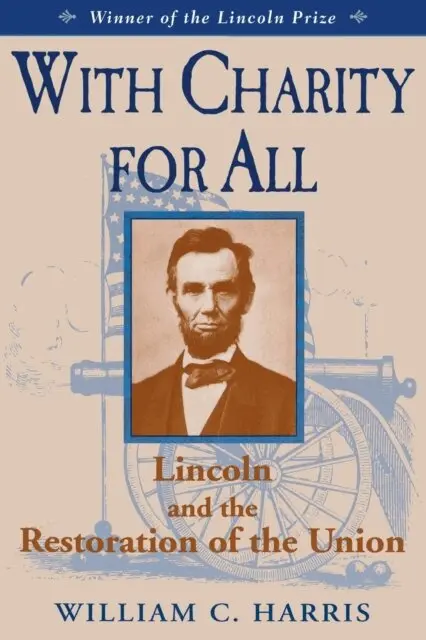
Adopting a new approach to an American icon, an award-winning scholar reexamines the life of Abraham Lincoln to demonstrate how his remarkable political acumen and leadership skills evolved during the intense partisan conflict in pre-Civil War Illinois. By describing Lincoln’s rise from obscurity to the presidency, William Harris shows that Lincoln’s road to political success was far from easy—and that his reaction to events wasn’t always wise or his racial attitudes free of prejudice.
Although most scholars have labeled Lincoln a moderate, Harris reveals that he was by his own admission a conservative who revered the Founders and advocated “adherence to the old and tried.” By emphasizing the conservative bent that guided Lincoln’s political evolution-his background as a Henry Clay Whig, his rural ties, his cautious nature, and the racial and political realities of central Illinois—Harris provides fresh insight into Lincoln’s political ideas and activities and portrays him as morally opposed to slavery but fundamentally conservative in his political strategy against it.
Interweaving aspects of Lincoln’s life and character that were an integral part of his rise to prominence, Harris provides in-depth coverage of Lincoln’s controversial term in Congress, his re-emergence as the leader of the antislavery coalition in Illinois, and his Senate campaign against Stephen A. Douglas. He particularly describes how Lincoln organized the antislavery coalition into the Republican Party while retaining the support of its diverse elements, and sheds new light on Lincoln’s ongoing efforts to bring Know Nothing nativists into the coalition without alienating ethnic groups. He also provides new information and analysis regarding Lincoln’s nomination and election to the presidency, the selection of his cabinet, and his important role as president-elect during the secession crisis of 1860-1861
Challenging prevailing views, Harris portrays Lincoln as increasingly driven not so much by his own ambitions as by his antislavery sentiments and his fear for the republic in the hands of Douglas Democrats, and he shows how the unique political skills Lincoln developed in Illinois shaped his wartime leadership abilities. By doing so, he opens a window on his political ideas and influences and offers a fresh understanding of this complex figure.
226 kr
Läs direkt efter köp
336 kr
Skickas inom 10-15 vardagar
533 kr
Skickas inom 7-10 vardagar
310 kr
Skickas inom 11-20 vardagar
549 kr
Skickas inom 3-6 vardagar
630 kr
Läs direkt efter köp
393 kr
Skickas inom 7-10 vardagar
225 kr
Skickas inom 7-10 vardagar
331 kr
Skickas inom 7-10 vardagar
308 kr
Skickas inom 7-10 vardagar
305 kr
Skickas inom 7-10 vardagar
650 kr
Tillfälligt slut
299 kr
Tillfälligt slut
358 kr
Tillfälligt slut
124 kr
Tillfälligt slut
281 kr
Tillfälligt slut