1 322 kr
Läs direkt efter köp
1 322 kr
Läs direkt efter köp
2 340 kr
Skickas inom 7-10 vardagar
957 kr
Skickas inom 7-10 vardagar
902 kr
Skickas inom 7-10 vardagar
1 549 kr
Skickas inom 5-8 vardagar
1 397 kr
Läs direkt efter köp
1 397 kr
Läs direkt efter köp
2 031 kr
Skickas inom 7-10 vardagar
2 601 kr
Skickas inom 10-15 vardagar
731 kr
Skickas inom 10-15 vardagar
754 kr
Skickas inom 7-10 vardagar
1 610 kr
Skickas inom 7-10 vardagar
1 677 kr
Skickas inom 7-10 vardagar
754 kr
Skickas inom 7-10 vardagar
850 kr
Läs direkt efter köp
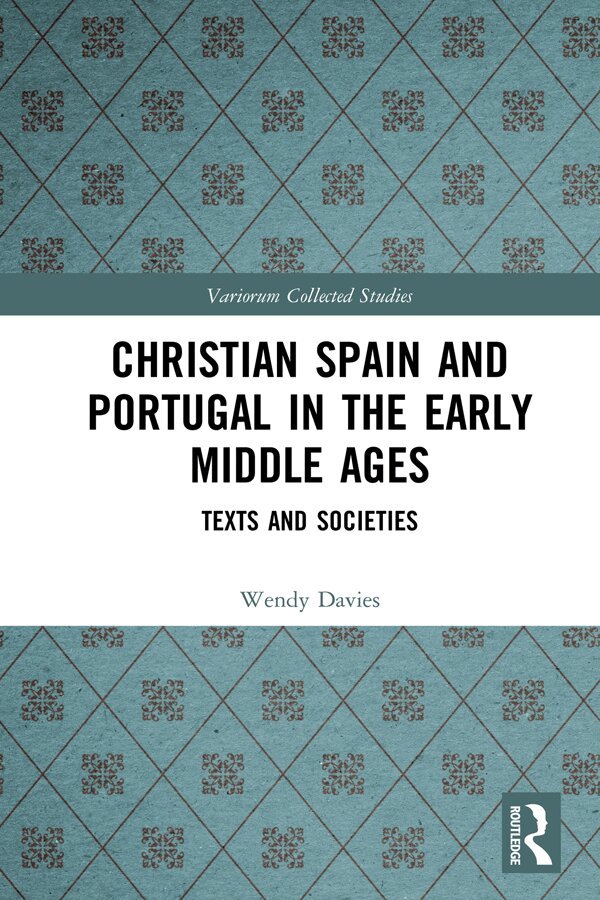
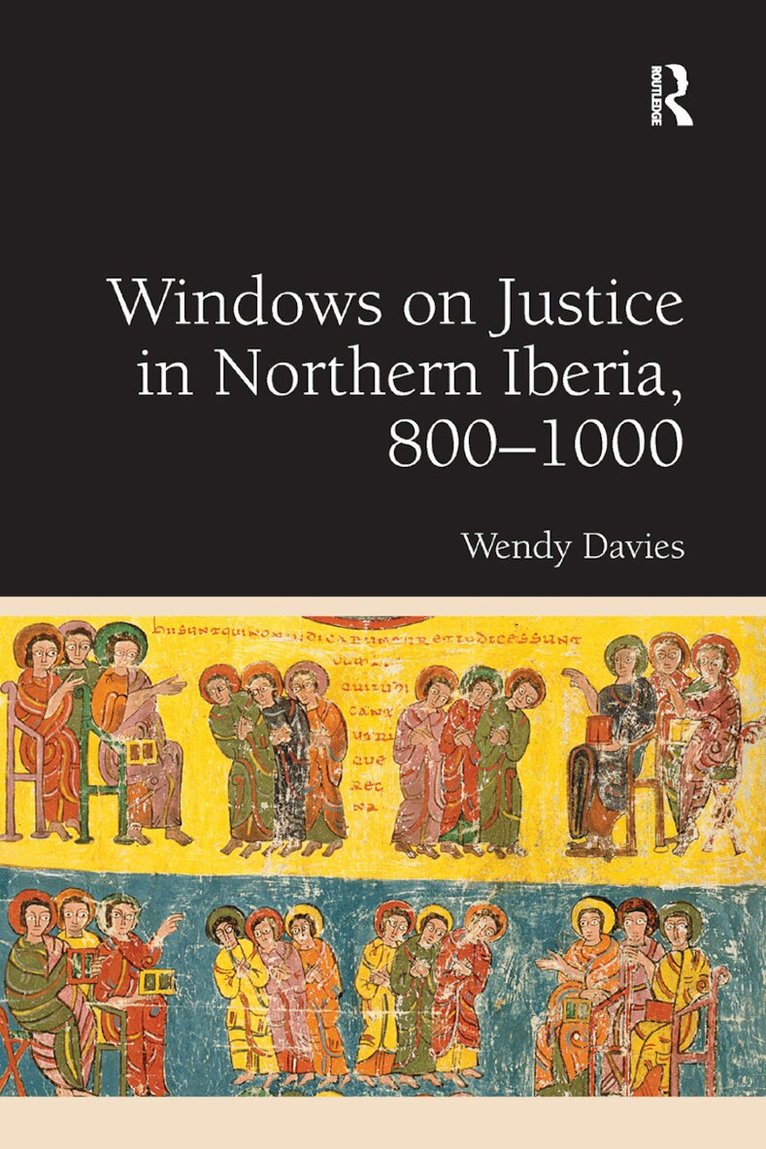
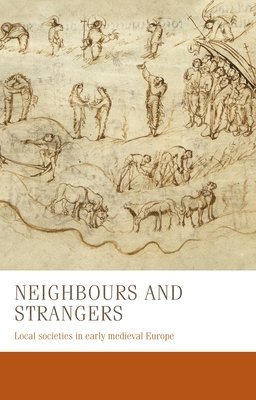
A collection of papers in English by one of the foremost historians of the social and economic structure of medieval rural communities, who here examines local societies in rural northern Spain and Portugal in the early middle ages. Principal themes are scribal practice and the analysis of charter texts; gift, sale and wealth; justice and judicial procedures. Always with a concern for personal relationships and interactions, for mobility, for decision-making and for practice, a sense of land and landscape runs throughout. The Spanish and Portuguese experience has seemed irrelevant to the great debates of early medieval European history that occupy historians. But Spain and Portugal shared the late Roman heritage which influenced much of western Europe in the early middle ages, and by the tenth century records and practice in Christian Iberia still shared features with the Carolingian world. This book offers a substantial corpus of Iberian evidence to set beside Frankish, Italian, English and Scandinavian material and thereby makes it possible for northern Iberia to play a part in these great debates of medieval European history. (CS1084).
838 kr
Läs direkt efter köp
A collection of papers in English by one of the foremost historians of the social and economic structure of medieval rural communities, who here examines local societies in rural northern Spain and Portugal in the early middle ages. Principal themes are scribal practice and the analysis of charter texts; gift, sale and wealth; justice and judicial procedures. Always with a concern for personal relationships and interactions, for mobility, for decision-making and for practice, a sense of land and landscape runs throughout. The Spanish and Portuguese experience has seemed irrelevant to the great debates of early medieval European history that occupy historians. But Spain and Portugal shared the late Roman heritage which influenced much of western Europe in the early middle ages, and by the tenth century records and practice in Christian Iberia still shared features with the Carolingian world. This book offers a substantial corpus of Iberian evidence to set beside Frankish, Italian, English and Scandinavian material and thereby makes it possible for northern Iberia to play a part in these great debates of medieval European history. (CS1084).
977 kr
Läs direkt efter köp
977 kr
Läs direkt efter köp
728 kr
Skickas inom 10-15 vardagar
749 kr
Skickas inom 7-10 vardagar
850 kr
Läs direkt efter köp
856 kr
Läs direkt efter köp
850 kr
Läs direkt efter köp
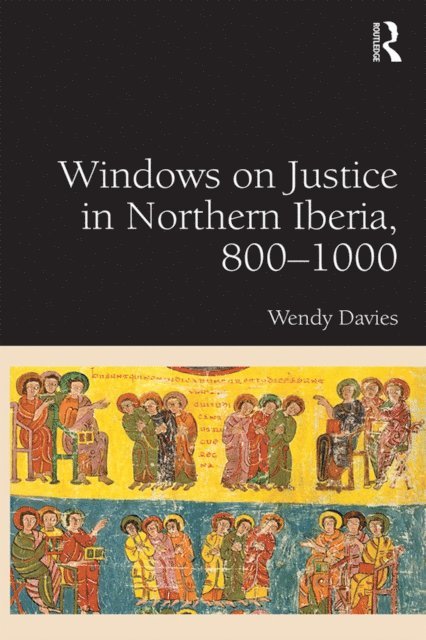
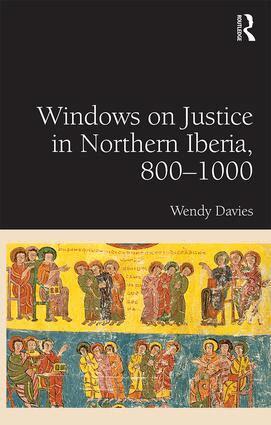
Although it has a rich historiography, and from the late ninth century is rich in textual evidence, northern Iberia has barely featured in the great debates of early medieval European history of recent generations. Lying beyond the Frankish world, in a peninsula more than half controlled by Muslims, Spanish and Portuguese experience has seemed irrelevant to the Carolingian Empire and the political fragmentation (or realignment) that followed it. But Spain and Portugal shared the late Roman heritage which influenced much of western Europe in the early middle ages and by the tenth century records and practice in the Christian north still shared features with parts farther east.
What is interesting, in the wider European context, is that some of the so-called characteristics of the Carolingian world – the public court, collective judgment – are as characteristic of the Iberian world. The suggestion that they disappeared in the Frankish world, to be replaced by ''private'' mechanisms, has played a major role in debates about the changing nature of power in the central middle ages: what happened in judicial courts has been central to the grand narratives of Duby and successive historians, for they are a powerful lens into the very real issues of politics and power.
Looking at the practice of judicial courts in Europe west of Frankia allows us to think again about the nature of the public; identifying all the records of that practice allows us to adjust the balance between monastic and lay activity. What these show is that peasants, like other lay people, used the courts to seek redress and gain advantages. Records were not entirely framed nor practice entirely dominated by ecclesiastical interests.
838 kr
Läs direkt efter köp
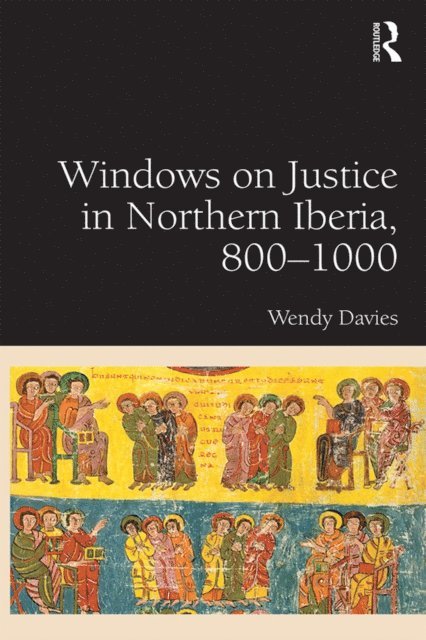
Although it has a rich historiography, and from the late ninth century is rich in textual evidence, northern Iberia has barely featured in the great debates of early medieval European history of recent generations. Lying beyond the Frankish world, in a peninsula more than half controlled by Muslims, Spanish and Portuguese experience has seemed irrelevant to the Carolingian Empire and the political fragmentation (or realignment) that followed it. But Spain and Portugal shared the late Roman heritage which influenced much of western Europe in the early middle ages and by the tenth century records and practice in the Christian north still shared features with parts farther east.
What is interesting, in the wider European context, is that some of the so-called characteristics of the Carolingian world – the public court, collective judgment – are as characteristic of the Iberian world. The suggestion that they disappeared in the Frankish world, to be replaced by ''private'' mechanisms, has played a major role in debates about the changing nature of power in the central middle ages: what happened in judicial courts has been central to the grand narratives of Duby and successive historians, for they are a powerful lens into the very real issues of politics and power.
Looking at the practice of judicial courts in Europe west of Frankia allows us to think again about the nature of the public; identifying all the records of that practice allows us to adjust the balance between monastic and lay activity. What these show is that peasants, like other lay people, used the courts to seek redress and gain advantages. Records were not entirely framed nor practice entirely dominated by ecclesiastical interests.
852 kr
Skickas inom 10-15 vardagar
2 590 kr
Skickas inom 10-15 vardagar
Local Societies in Early Medieval Europe
1 224 kr
Skickas inom 7-10 vardagar
Local Societies in Early Medieval Europe
365 kr
Läs direkt efter köp
Local Societies in Early Medieval Europe
360 kr
Läs direkt efter köp
Local Societies in Early Medieval Europe
394 kr
Skickas inom 7-10 vardagar