604 kr
Skickas inom 10-15 vardagar
604 kr
Skickas inom 10-15 vardagar
2 526 kr
Skickas inom 10-15 vardagar
2 526 kr
Skickas inom 10-15 vardagar
622 kr
Skickas inom 10-15 vardagar
776 kr
Skickas inom 10-15 vardagar
695 kr
Skickas inom 10-15 vardagar
754 kr
Skickas inom 10-15 vardagar
828 kr
Skickas inom 7-10 vardagar
292 kr
482 kr
Läs direkt efter köp
618 kr
Skickas inom 10-15 vardagar
1 507 kr
Skickas inom 3-6 vardagar
2 371 kr
Skickas inom 3-6 vardagar
2 720 kr
Skickas inom 3-6 vardagar
1 953 kr
Skickas inom 3-6 vardagar
2 311 kr
Skickas inom 10-15 vardagar
650 kr
Skickas inom 10-15 vardagar
796 kr
Läs direkt efter köp
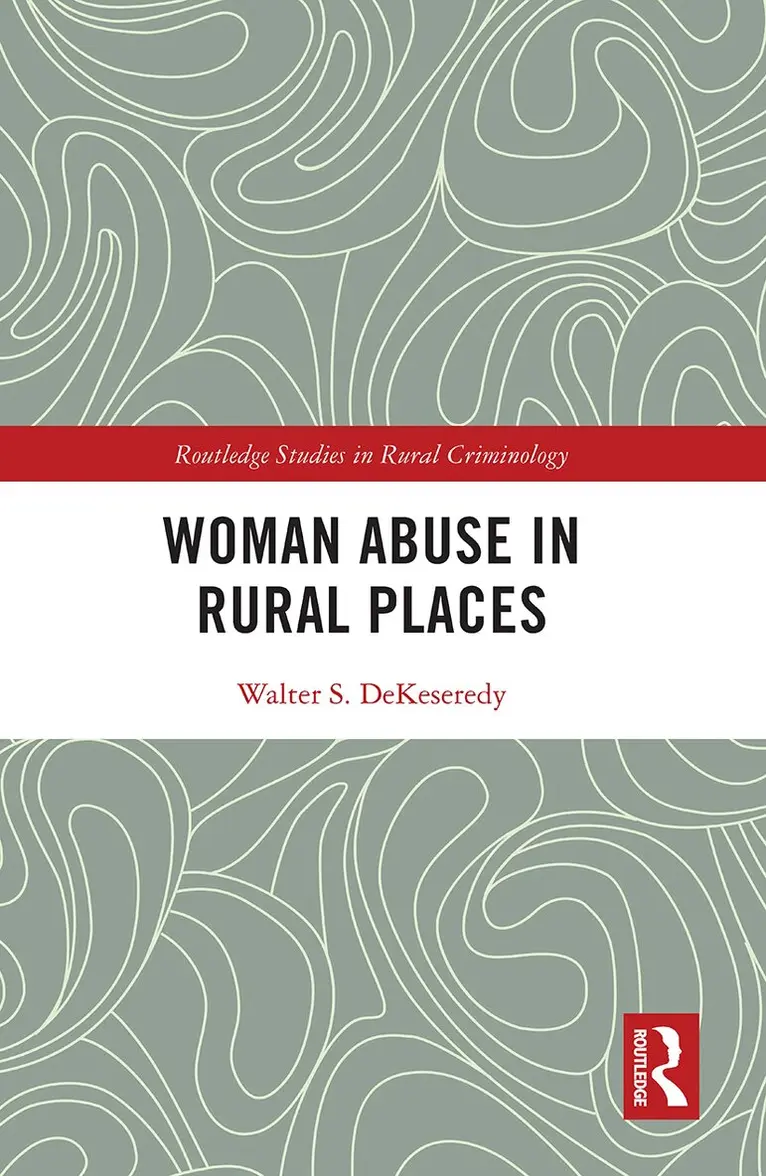
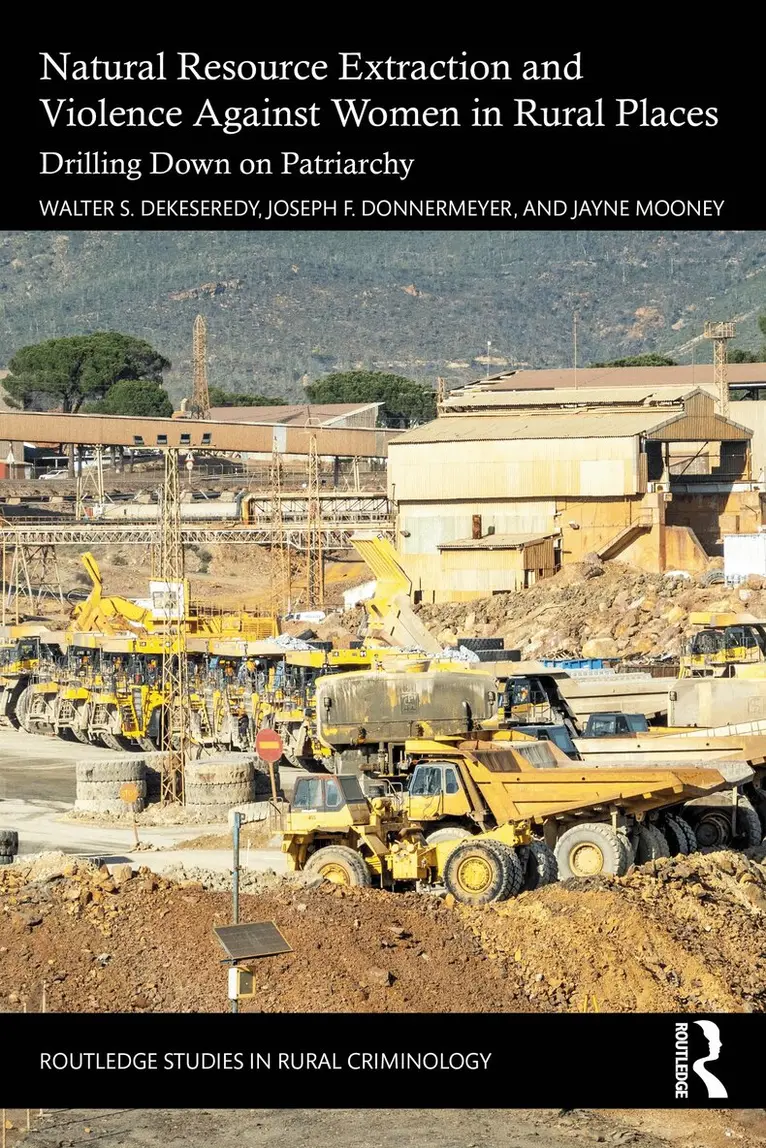
This book chronicles key contemporary developments in the social scientific study of various types of male-to-female abuse in rural places and suggests new directions in research, theory, and policy. The main objective of this book is not to simply provide a dry recitation of the extant literature on the abuse of rural women in private places. To be sure, this material is covered, but rural women’s experiences of crimes of the powerful like genocidal rape and corporate violence against female employees are also examined.
Written by a celebrated expert on the subject, this book considers woman abuse in a broad context, covering forms of violence such as physical and sexual assault, coercive control genocidal rape, abortion bans, forced pregnancy, and corporate forms of violence. It offers a broad research agenda, that examines the multidimensional nature of violence against rural women. Drawing on decades of work in the shelter movement, with activist organizations, and doing government research, DeKeseredy punctuates the book with stories and voices of perpetrators and survivors of abuse. Additionally, what makes this book unique is that it focuses on the plight of rural women around the world and it introduces a modified version of Liz Kelly’s original continuum of sexual violence.
An accessible and compelling read, this book will appeal to students and scholars of criminology, sociology, women’s studies, cultural studies, policing, geography and all those interested in learning about the abuse women face in rural areas.
Walter S. DeKeseredy is Anna Deane Carlson Endowed Chair of Social Sciences, Director of the Research Center on Violence, and Professor of Sociology at West Virginia University. He has published 26 books, over 100 refereed journal articles, and 90 scholarly book chapters on issues such as woman abuse, rural criminology, and criminological theory.
624 kr
Läs direkt efter köp
The concept of critical criminology – that crime and the present-day processes of criminalization are rooted in the core structures of society – is of more relevance today than it has been at any other time.
Written by an internationally renowned scholar, Contemporary Critical Criminology introduces the most up-to-date empirical, theoretical, and political contributions made by critical criminologists around the world. In its exploration of this material, the book also challenges the erroneous but widely held notion that the critical criminological project is restricted to mechanically applying theories to substantive topics, or to simply calling for radical political, economic, cultural, and social transformations. Now fully updated and expanded in a new edition, this book offers further coverage of new directions in critical criminology, covering topics such as:
Green criminology
Indigenous criminology
Intersectionality
Narrative criminology
Rural critical criminology
Queer criminology
Zemiology
Critical research methods
Contemporary critical criminological policies
Written in a clear and direct style, this book is an essential source of reference for both undergraduate and postgraduate students of criminology, deviance and social control, criminological theory, social policy, research methodology, and criminal justice.
2 515 kr
Skickas inom 10-15 vardagar
642 kr
Skickas inom 10-15 vardagar
746 kr
Läs direkt efter köp
757 kr
Läs direkt efter köp
3 929 kr
Skickas inom 10-15 vardagar
3 760 kr
Skickas inom 10-15 vardagar
343 kr
Skickas inom 3-6 vardagar
779 kr
Läs direkt efter köp
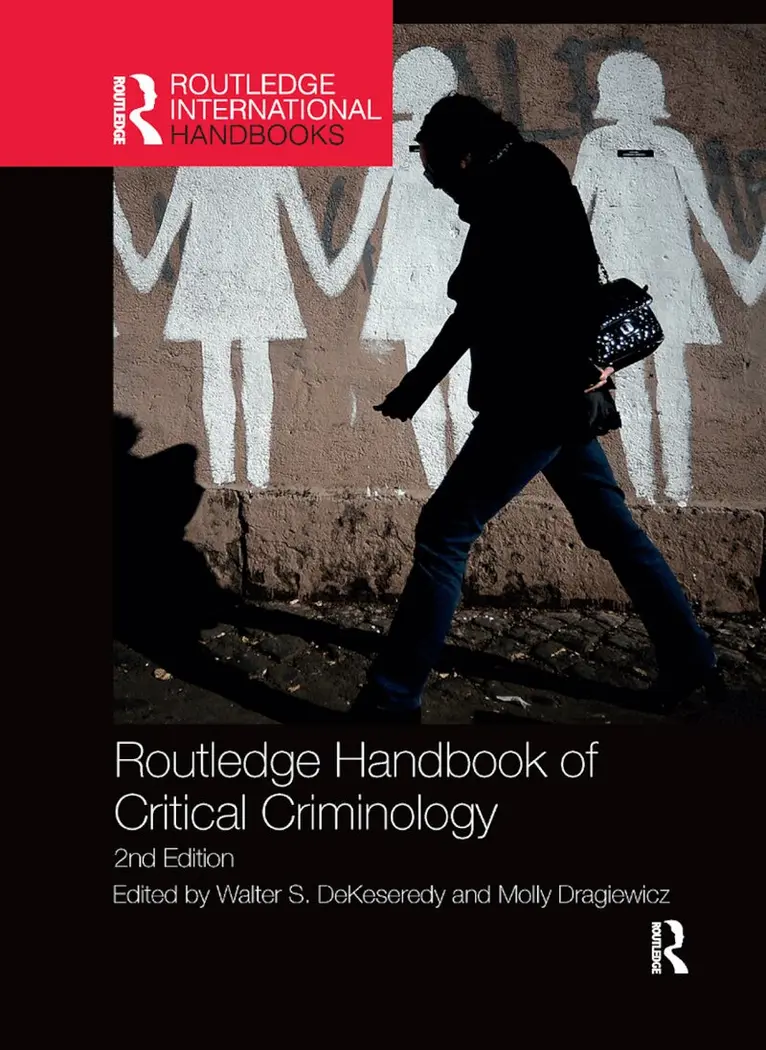
The main objective of the second edition of the Routledge Handbook of Critical Criminology is twofold: (1) to provide original chapters that cover contemporary critical criminological theoretical offerings generated over the past five years and (2) to provide chapters on important new substantive topics that are currently being studied and theorized by progressive criminologists. Special attention is devoted to new theoretical directions in the field, such as southern criminology, queer criminology, and green criminology.
The diverse chapters cover not only cutting-edge theories, but also the variety of research methods used by leading scholars in the field and the rich data generated by their rigorous empirical work. In addition, some of the chapters suggest innovative and realistic short- and long-term policy proposals that are typically ignored by mainstream criminology. These progressive strategies address some of the most pressing social problems facing contemporary society today, which generate much pain and suffering for socially and economically disenfranchised people.
The new edition of the Handbook is a major work in redefining areas within the context of international multidisciplinary critical research, and in highlighting emerging areas, such as human trafficking, Internet pornography and image-based sexual abuse. It is specifically designed to be a comprehensive resource for undergraduate and postgraduate students, researchers and policymakers.