2 285 kr
Läs direkt efter köp
2 285 kr
Läs direkt efter köp
2 304 kr
Skickas inom 11-20 vardagar
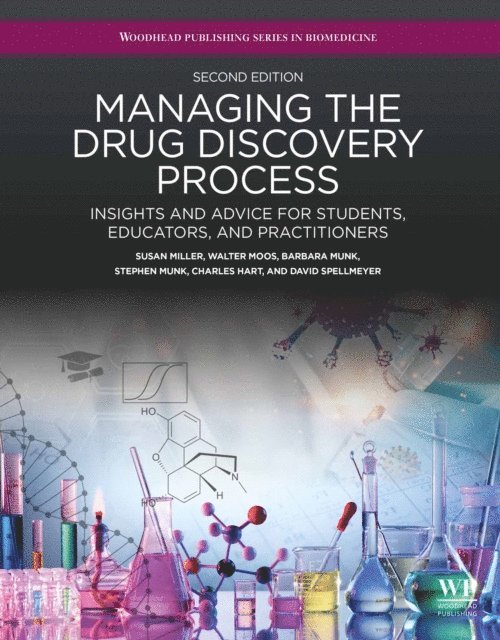
Managing the Drug Discovery Process, Second Edition thoroughly examines the current state of pharmaceutical research and development by providing experienced perspectives on biomedical research, drug hunting and innovation, including the requisite educational paths that enable students to chart a career path in this field. The book also considers the interplay of stakeholders, consumers, and drug firms with respect to a myriad of factors. Since drug research can be a high-risk, high-payoff industry, it is important to students and researchers to understand how to effectively and strategically manage both their careers and the drug discovery process.
This new edition takes a closer look at the challenges and opportunities for new medicines and examines not only the current research milieu that will deliver novel therapies, but also how the latest discoveries can be deployed to ensure a robust healthcare and pharmacoeconomic future. All chapters have been revised and expanded with new discussions on remarkable advances including CRISPR and the latest gene therapies, RNA-based technologies being deployed as vaccines as well as therapeutics, checkpoint inhibitors and CAR-T approaches that cure cancer, diagnostics and medical devices, entrepreneurship, and AI. Written in an engaging manner and including memorable insights, this book is aimed at anyone interested in helping to save countless more lives through science. A valuable and compelling resource, this is a must-read for all students, educators, practitioners, and researchers at large-indeed, anyone who touches this critical sphere of global impact-in and around academia and the biotechnology/pharmaceutical industry.
Considers drug discovery in multiple R&D venues - big pharma, large biotech, start-up ventures, academia, and nonprofit research institutes - with a clear description of the degrees and training that will prepare students well for a career in this arena Analyzes the organization of pharmaceutical R&D, taking into account human resources considerations like recruitment and configuration, management of discovery and development processes, and the coordination of internal research within, and beyond, the organization, including outsourced work Presents a consistent, well-connected, and logical dialogue that readers will find both comprehensive and approachable Addresses new areas such as CRISPR gene editing technologies and RNA-based drugs and vaccines, personalized medicine and ethical and moral issues, AI/machine learning and other in silico approaches, as well as completely updating all chapters3 304 kr
Läs direkt efter köp
583 kr
Skickas inom 10-15 vardagar
566 kr
Läs direkt efter köp
2 921 kr
Tillfälligt slut
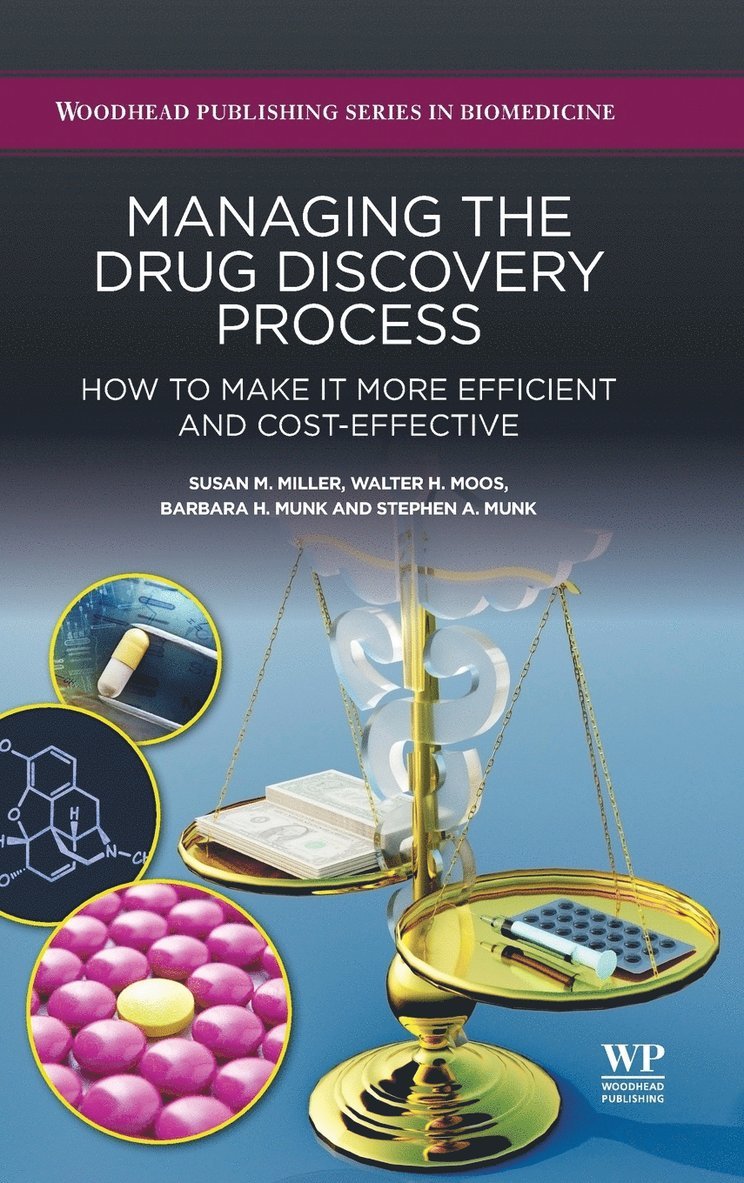
Managing the Drug Discovery Process: How to Make It More Efficient and Cost-Effective thoroughly examines the current state of pharmaceutical research and development by providing chemistry-based perspectives on biomedical research, drug hunting and innovation. The book also considers the interplay of stakeholders, consumers, and the drug firm with attendant factors, including those that are technical, legal, economic, demographic, political, social, ecological, and infrastructural. Since drug research can be a high-risk, high-payoff industry, it is important to researchers to effectively and strategically manage the drug discovery process.
This book takes a closer look at increasing pre-approval costs for new drugs and examines not only why these increases occur, but also how they can be overcome to ensure a robust pharmacoeconomic future.� Written in an engaging manner and including memorable insights, this book is aimed at redirecting the drug discovery process to make it more efficient and cost-effective in order to achieve the goal of saving countless more lives through science. A valuable and compelling resource, this is a must-read for all students and researchers in academia and the pharmaceutical industry.
Considers drug discovery in multiple R&D venues, including big pharma, large biotech, start-up ventures, academia, and nonprofit research institutes Analyzes the organization of pharmaceutical R&D, taking into account human resources considerations like recruitment and configuration, management of discovery and development processes, and the coordination of internal research within, and beyond, the organization, including outsourced work Presents a consistent, well-connected, and logical dialogue that readers will find both comprehensive and approachable