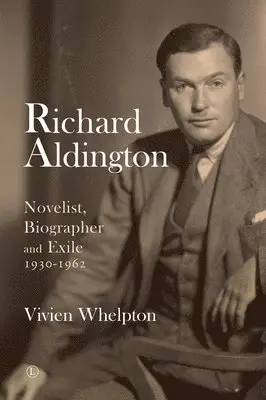
The second volume of the authoritative biography of the war poet and novelist Richard Aldington, exploring his later public and private lives and writings.The story of Richard Aldington, outstanding Imagist poet and author of the bestselling war novel Death of a Hero (1929), takes place against the backdrop of some of the most turbulent and creative years of the twentieth century.Vivien Whelpton provides a remarkably detailed and sensitive portrayal of the writer from the age of thirty-eight to his death from a heart attack in 1962. The first volume, Richard Aldington: Poet, Soldier and Lover, described Aldington's life as a stalwart of the pre-war London literary scene, his experience as an infantryman on the Western Front and his postwar personal and creative crises; this second volume seeks to balance the stories of Aldington's subsequent public and private lives through a careful reading of his novels, poems and letters with his circle of acquaintances.The ways in which Aldington's dysfunctional childhood and survivor's guilt continued to haunt him through the inter-war years and beyond are masterfully untangled by an author with gifted psychological insight into her subject. Volume Two covers Aldington's personal and public lives as he transformed himself from poet to novelist and from novelist to biographer and explores his debacles and triumphs, particularly in the wake of his hugely controversial attack on the reputation of T.E. Lawrence. This authoritative biography recounts the life of one of the most underrated writers of the last century.
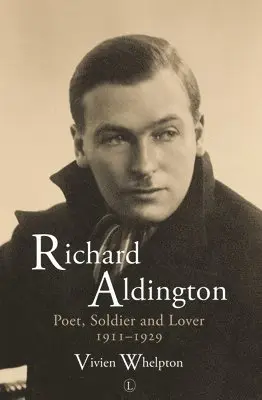
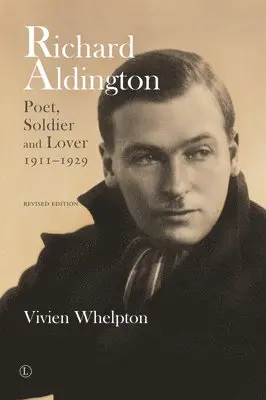
An insightful biography of the war poet and novelist Richard Aldington, exploring his pre-war, wartime and post-war experiences, writings and relationships.The story of Richard Aldington, outstanding Imagist poet and author of the bestselling war novel, Death of a Hero (1929), takes place against the backdrop of some of the most turbulent and creative years of the twentieth century. Vivien Whelpton provides a remarkably detailed and sensitive portrayal of the writer from early adolescence. His life as a stalwart of the pre-war London literary scene, as a soldier, and in the difficult aftermath of the First World War is deftly rendered through a careful and detailed analysis of the novels, poems and letters of the writer himself and his close circle of acquaintance. The complexities of London's Bohemia, with its scandalous relationships, social grandstanding and incredible creative output, are masterfully untangled, and the spotlight placed firmly on the talented group of poets christened by Ezra Pound as 'Imagistes'. The author demonstrates profound psychological insight into Aldington's character and childhood in her nuanced analysis of his post-war survivor's guilt, and consideration of the three most influential women in his life: his wife, the gifted American poet, H.D.; Dorothy Yorke, the woman he left her for; and Brigit Patmore, his brilliant and fascinating older mistress.Richard Aldington: Poet, Soldier and Lover vividly reveals Aldington's warm and passionate nature and the vitality which characterised his life and works, concluding with his triumphant personal and literary resurrection with the publication of Death of a Hero.
First published in 1923, Exile and Other Poems is an important, poignant collection from one of the foremost Imagist war poets. Penned after witnessing the horrors of the frontline during the First World War, Aldington's brutal, honest verse lays bare unimaginable experiences.The first part of the collection, 'Exile', explores the poet's survivor's guilt, post-traumatic stress and sense of alienation. The collection continues with a 'Songs for Puritans' and 'Songs for Sensualists', pastiches of seventeenth and eighteenth-century love poetry, and a series of more personal poems exploring the natural world, from which Aldington drew reassurance.Enriched with a fascinating introduction and explanatory notes by leading Aldington scholars Elizabeth Vandiver and Vivien Whelpton, this centenary edition seeks to place Exile firmly back on the map of war poetry, from which it has been missing for too long.